



Crumbl Gave Customers a Reason to Come Back


Crumbl did something unusual with a product people can buy almost anywhere. It gave customers a reason to check what was available before deciding whether they wanted a cookie. What started as a small bakery in Utah grew into a company that reported more than $1 billion in systemwide sales in 2022, with more than 16 million followers across its social media platforms. The key was not simply making cookies people liked. Crumbl built anticipation around what cookie would come next.
The idea came from a problem. As Crumbl expanded, its menu became difficult to manage. Customers would show up expecting certain flavors only to find that they were unavailable, while employees struggled to keep up with the growing number of options. Instead of continuing to expand the menu, founders Jason McGowan and Sawyer Hemsley decided to rotate the flavors each week. The new menu would drop on Sunday, giving customers a limited amount of time to get each cookie.
The Rotating Menu Created Scarcity

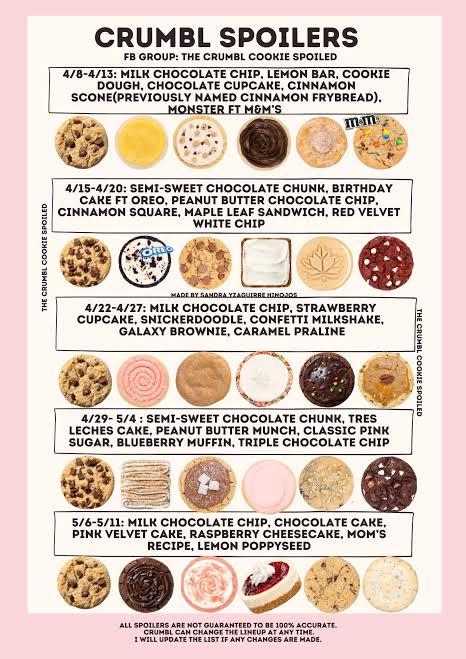
The weekly rotation changed how customers thought about buying Crumbl. A cookie was no longer simply sitting on the menu whenever someone decided they wanted it. If a customer wanted a particular flavor, there was a reason to get it now because it might disappear the following week.
That scarcity created anticipation. Customers began talking about upcoming flavors and planning which cookies they wanted to try. A problem that originally came from having too many flavors became one of the company's biggest marketing advantages. Every week brought another reason to pay attention.
The Hype Became the Marketing



Once customers had a reason to care about each week's menu, social media gave them a place to share it. Every new lineup created something people could photograph, review, rank, and debate. Shortly after the rotating menu launched, the hashtag #CrumblReview went viral on TikTok.
Crumbl leaned into that behavior instead of trying to control the conversation. The company highlighted customers who filmed themselves tasting and reviewing the cookies, helping turn individual reactions into marketing for the brand. With more than 16 million social media followers, Crumbl had built an audience that could help spread each week's release.
Customers Helped Make the Product Better
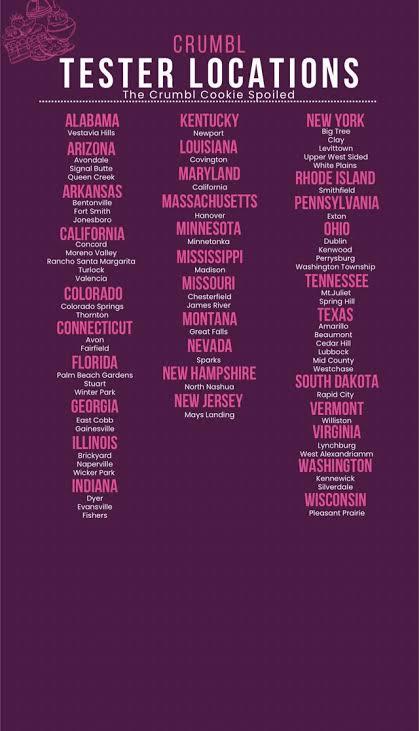
Crumbl also turned that audience into a source of product development. The company tests new cookies in 50 stores across the country before releasing them nationwide. Customers provide feedback, that feedback goes back to the research and development team, and the recipes can be adjusted before the larger launch. The company's app also lets customers rate cookies and submit feedback after trying them.
That creates a cycle that keeps feeding itself. Crumbl releases something new, customers try it, customers talk about it, and their reactions give the company information it can use to improve the next product. The audience is helping create attention while also helping the company decide what to improve.
Crumbl's real advantage is the system surrounding the cookie. The rotating menu creates anticipation, social media turns that anticipation into conversation, and customer feedback helps improve what comes next. Instead of asking customers to remember Crumbl whenever they want dessert, the company gives them a reason to check back every week.
For a growing business, that is the lesson worth stealing. You need a reason for customers to return before they are ready to buy. Give people something new to anticipate, make it easy for them to talk about, and use their response to make the next version better. Crumbl turned a simple product into a recurring reason to pay attention, and that attention became part of the company's growth engine.