



Hello Klean built its shower-care business by teaching customers that some hair and skin problems they blamed on beauty products could actually be connected to the water coming out of their shower. Instead of assuming people already understood why they needed a shower filter, the company first had to convince them that hard water could be part of the problem.
That created an unusual marketing challenge. Hello Klean was selling a solution to a problem many customers had never considered. The company therefore had to build awareness before it could build demand. Its approach shows how businesses can make a product feel more necessary by teaching customers what is causing a problem they already experience.

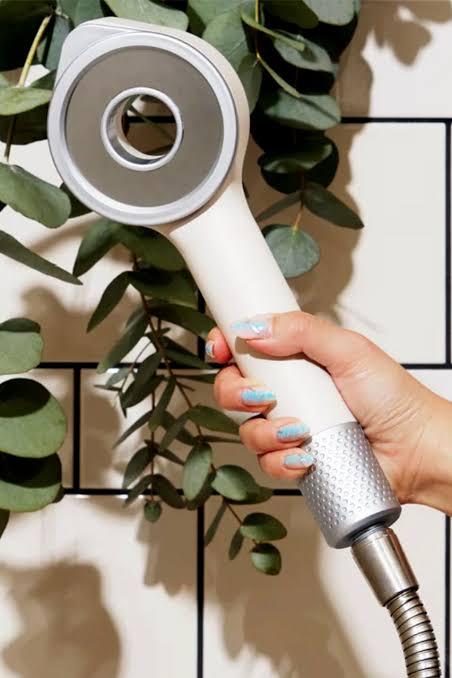
Find the Problem Customers Don't Realize They Have

Founder Karlee Zhang

A product becomes much easier to sell when customers already understand the problem it solves. When they do not, the first job of marketing is figuring out how to make that problem visible.
Hello Klean started with founder Karlee Zhang's own experience. After moving between cities including New York, London, Paris, Istanbul, Dubai and Berlin, Zhang noticed that her hair and skin behaved differently depending on where she lived. Like many consumers, she initially assumed her beauty products were responsible. She changed lotions and serums and eventually visited a dermatologist, trying to find an explanation for problems that kept returning.
She eventually realized that the water itself could be a major variable. Different locations have different water compositions, and hard water contains higher concentrations of minerals such as calcium and magnesium. Hello Klean explains that these minerals can make it harder for soap to rinse away completely and can leave residue on hair and skin.
That realization gave Zhang the foundation for Hello Klean. The company was not simply responding to a demand for another beauty product. It was introducing customers to a possible explanation for problems they were already experiencing.
This distinction matters. Someone dealing with dry skin or dull hair may already be looking for a solution, but that does not mean they will immediately consider a shower filter. If they believe the problem comes from their shampoo, moisturizer or skincare routine, they will keep looking for products in those categories.
Hello Klean had to change that thinking first. Before customers could understand why they needed its product, they needed to understand that their shower water could be part of the problem.
Teach Customers Why the Problem Matters
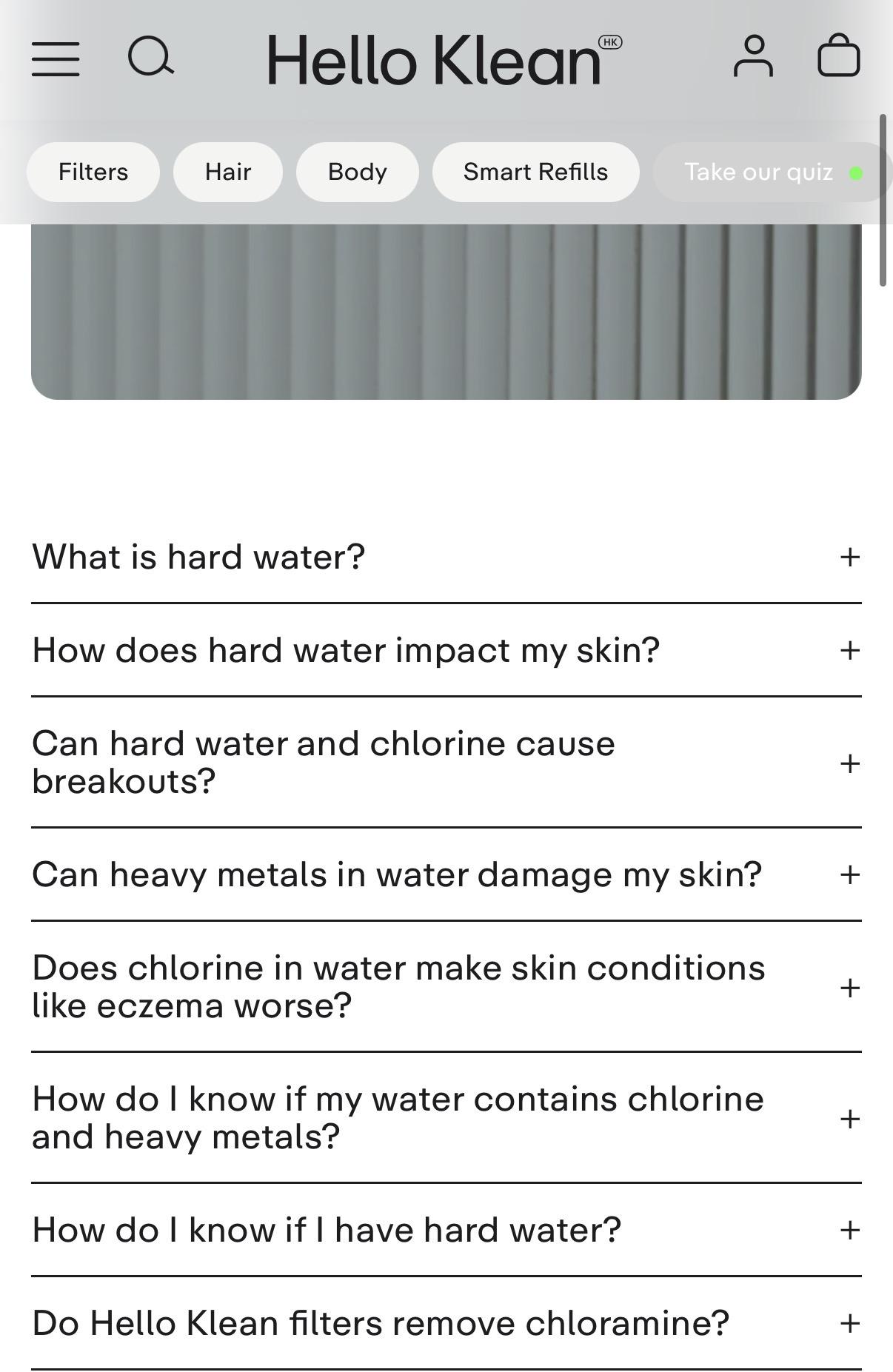

Once Hello Klean identified the knowledge gap, education became a major part of its marketing.
Simply showing a shower filter and explaining its features would not necessarily convince someone to buy it. Customers first needed to understand what hard water was, how it could affect their shower routine and why changing the water could make a difference.
That meant Hello Klean invested heavily in explaining the problem. According to Shopify, more than half of the company's initial £60,000 budget went toward marketing, including creators and Instagram advertising. Cofounder Omer Ozener explained that much of this spending went toward helping consumers understand the problem before the company could sell them its solution.
The company's content continues to reflect that approach. Hello Klean's website explains what hard water is, why minerals can interact with hair and skin, and what signs customers can look for if they suspect hard water is affecting them.
It also offers a water report tool that lets people enter their location and learn more about the water in their area. That gives customers a way to investigate the problem for themselves instead of simply being told that they should buy a filter.
This is an important distinction for businesses selling unfamiliar products. Education can reduce the gap between a customer's experience and the product's value. Salesforce makes a similar point when discussing unfamiliar products: customers often need to understand the concept behind a product and how it affects their lives before they can understand why the product is valuable.
Hello Klean therefore had to sell the problem before it could sell the solution.
The company was effectively telling customers, “Here is something happening in your everyday life that you may not have considered.” Once customers understood that, the shower filter had a much clearer purpose.
Connect the Problem to Something Customers Already Recognize
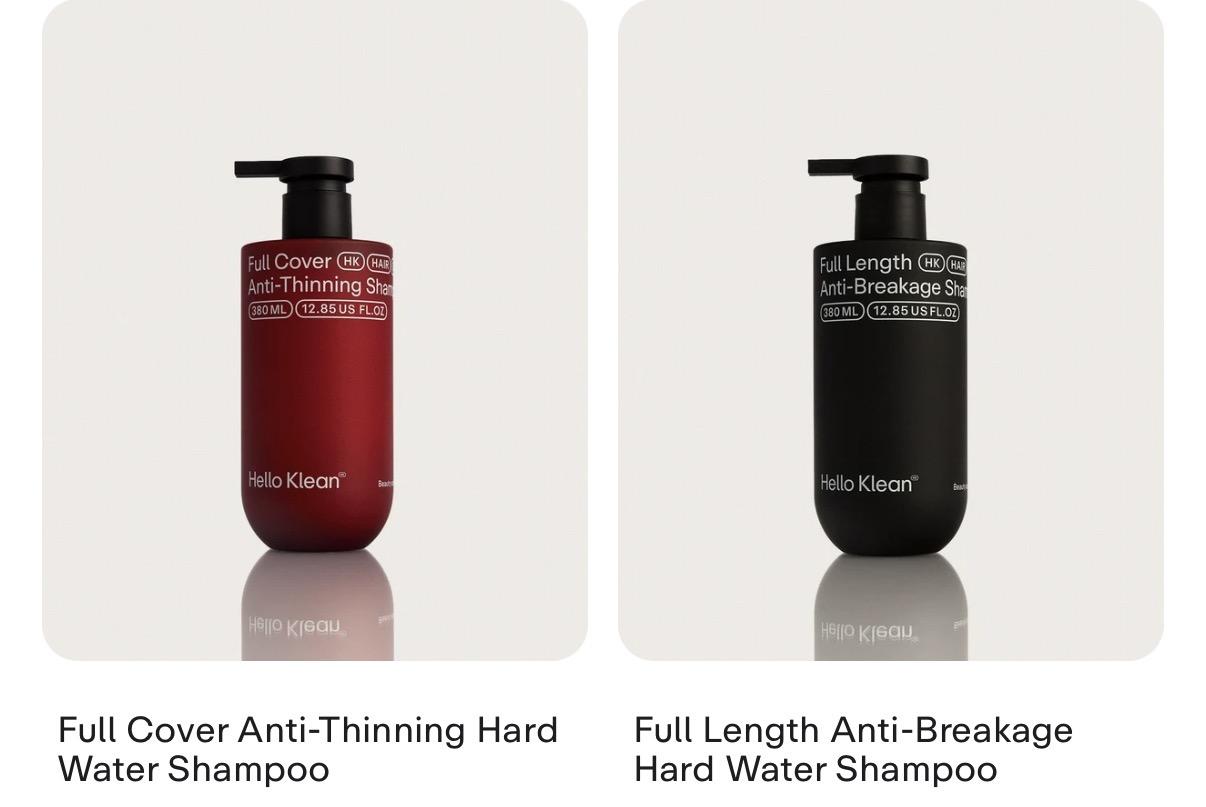
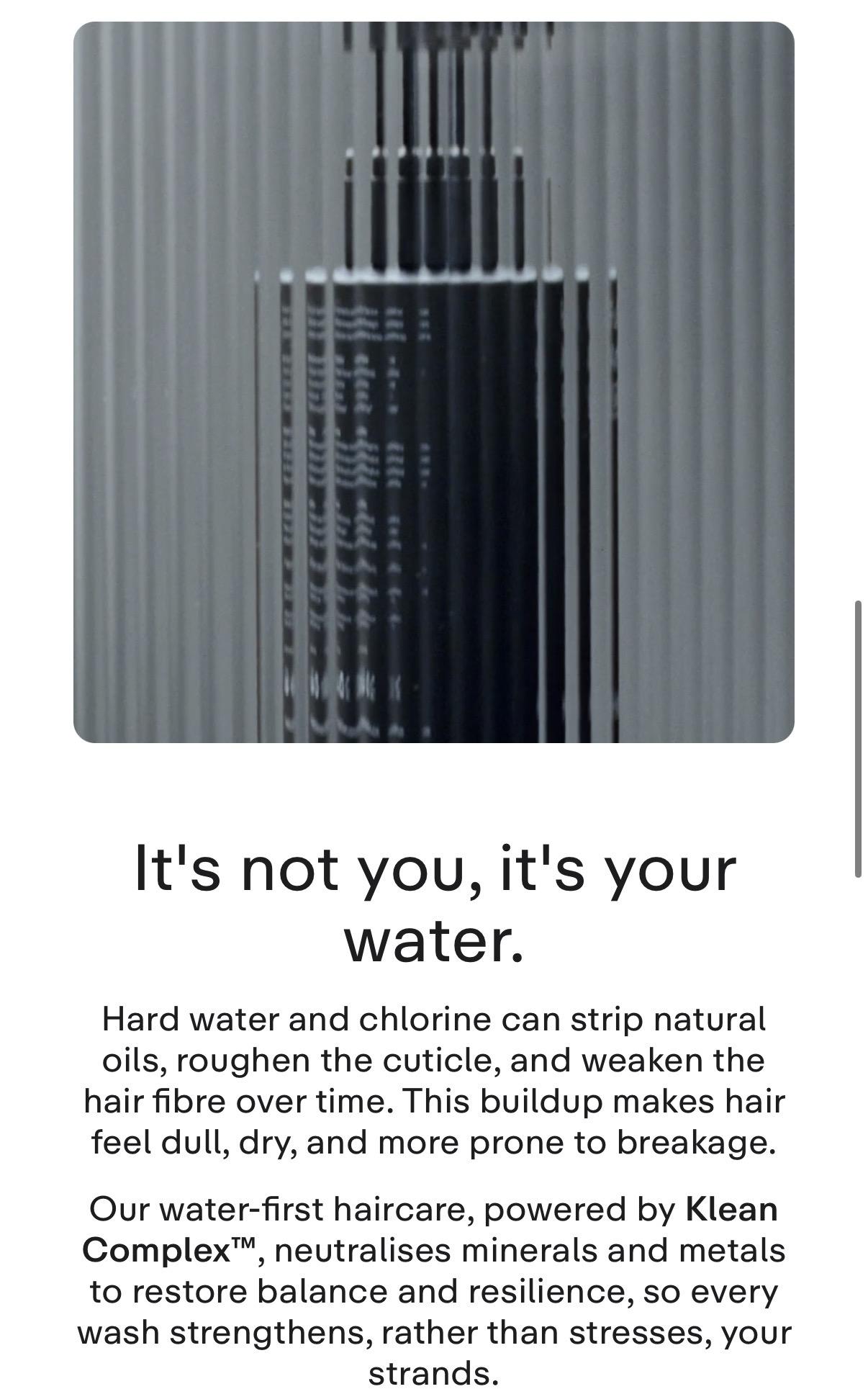
There is another challenge that comes with educating customers about an unfamiliar problem. Too much technical information can make the problem harder to understand.
Water hardness, mineral concentrations and water composition can quickly become abstract concepts. Hello Klean found a simpler way to explain them by connecting hard water to experiences customers already recognized.
Zhang has discussed how people often notice differences in their hair and skin when they travel. Someone might use the same shampoo in two different cities but notice that their hair feels different after showering. They might use the same skincare products and still experience a different result.
That creates a simple point of comparison. The beauty products stayed the same. Something else changed.
The water could be that variable.
This type of explanation gives customers an “aha” moment because it starts with something they already understand. They do not need to become experts in water chemistry. They only need to recognize that they have experienced a difference in their hair or skin despite using the same products.
That makes an unfamiliar problem easier to understand.
It also makes the product easier to understand. If water can influence the experience customers have in the shower, then changing the water becomes a much more intuitive solution.
This is where Hello Klean's education starts turning into demand. The company is no longer asking customers to care about an abstract issue. It is giving them a possible explanation for something they have already noticed in their own lives.
That strategy appears to have helped the company build a significant customer base. Shopify reported in June 2026 that Hello Klean had more than 90,000 active subscribers, with more than 80% of first-time customers opting into subscriptions.
The important part is not simply that Hello Klean grew. It is how the company made an unfamiliar product category easier for customers to understand. It took something people could not easily see, connected it to experiences they already recognized and then presented a product designed to address it.
The Takeaway
Customers cannot fully value a solution if they do not understand the problem it solves.
Hello Klean built its marketing around closing that gap. It started with a problem customers were already experiencing, identified a cause they were unlikely to consider and then spent its marketing explaining why that cause mattered.
The progression is simple.
First, make customers aware of the problem. Then, explain why it matters. Finally, connect it to something they already understand.
That can be especially powerful when you are selling something unfamiliar. Your customers may not reject your product because they do not want it. They may reject it because they do not yet understand why they need it.
Hello Klean shows that sometimes the most effective way to create demand is to help customers recognize the problem before you ask them to buy the solution.