



When customers see a finished product, they don’t always see everything that makes it valuable. Sophie Whitelaw turned that problem into a marketing strategy by showing customers what normally happens behind the scenes.
Whitelaw creates bespoke fine jewelry, including engagement rings that start at £15,000. Through social media, she takes potential customers inside the process, showing everything from gemstones and design decisions to craftsmanship and production.
Her strategy shows how businesses can use behind the scenes content to do more than entertain. Show customers the work, help them understand the value, and that understanding can make it easier to trust the person selling it.
Show Customers What They Normally Don’t See
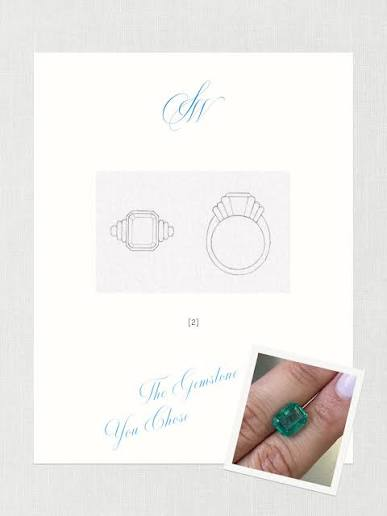
A customer buying a bespoke ring from Whitelaw doesn’t simply choose something from a display case. She first learns what they want and helps select the central gemstone. From there, she creates sketches, develops a CAD design, sources additional stones, and works with specialists in London’s Hatton Garden to handcraft the final piece.
Most customers would never see much of that process if they were only shown the finished ring. Whitelaw changed that by turning parts of the process into content. Her videos explain gemstones, design choices, production, and what customers should know before buying fine jewelry.
For businesses, that hidden work can be some of the most valuable content they have. If customers only see the result, show them what it actually takes to get there.
Use the Process to Prove Why the Product Is Valuable
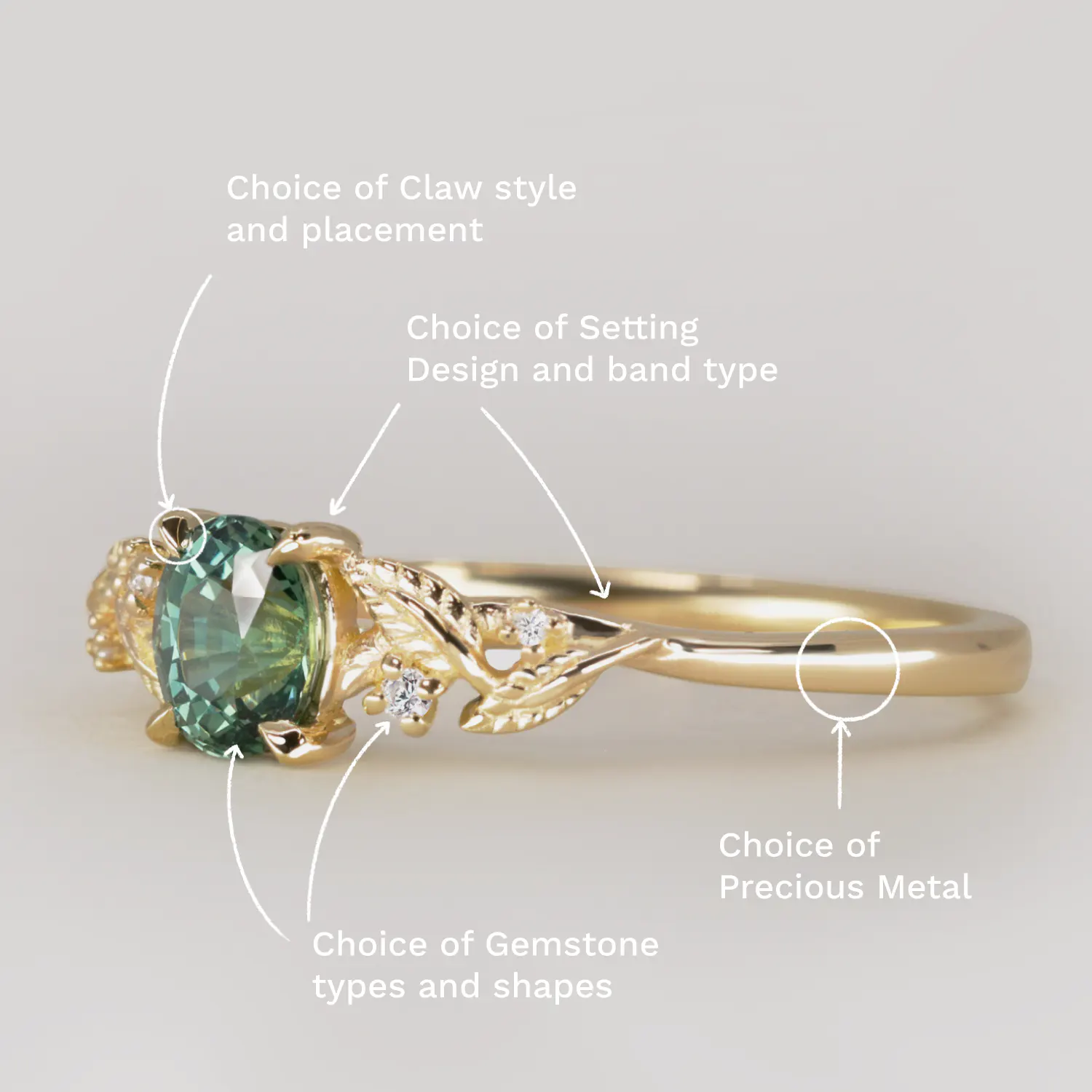
Showing the process becomes even more important when the price isn’t immediately easy to understand. Whitelaw has described buying fine jewelry as potentially “intimidating and confusing,” while her bespoke engagement rings start at £15,000 and typically take 10-12 weeks to create. Vogue reported that her average bespoke client spends around £20,000.
Someone scrolling past a finished ring might simply see an expensive piece of jewelry. But seeing how the gemstone is chosen, the design is developed, and specialists handcraft the piece gives that price context.
The same principle applies far beyond jewelry. If customers don’t understand why something costs more, simply telling them it’s high quality may not be enough. Showing the expertise, time, materials, and decisions behind it gives them evidence of that quality instead.
Turn Understanding Into Trust and Sales

By the time some customers contact Whitelaw, they’ve already watched her explain gemstones, demonstrate her expertise, and show how her jewelry is made.
That matters when someone is considering spending thousands of pounds on an important purchase. Instead of meeting the jeweler for the first time during a sales conversation, social media lets customers decide whether they trust her before they ever inquire.
And that content has become a major part of how customers find the business. Vogue reported that TikTok generates about 45% of Whitelaw’s new inquiries, while social media overall drives 75% of her business. From 2025 to 2026, the business’s revenue grew 144%.
Those numbers don’t mean one type of video caused all of that growth. But they show how educational content can become much more than content, it can help customers arrive already understanding the product and the person behind it.
Takeaway
Sophie Whitelaw shows why the work customers don’t see can sometimes be the best part of a company’s marketing. Showing the process helps customers understand what goes into the finished product, which makes its value easier to recognize and the business easier to trust.
You don’t need to sell £20,000 jewelry to use the same strategy. If expertise, craftsmanship, time, or thought makes your product valuable, don’t hide it behind the finished result. Show customers what they’re actually paying for.