



Stanley didn’t turn the Quencher into a massive success by inventing a completely new product. It found a new audience for a product that was already struggling, gave those customers reasons to keep buying it, and then used their excitement to attract even more customers.
The Quencher launched in 2016 but initially struggled. By 2019, Stanley had stopped restocking and marketing it. The problem, however, wasn’t necessarily the bottle. Stanley was about to discover that it had been selling the right product to the wrong audience.
Find the Right Audience for the Product
When a product isn’t selling, businesses often assume they need to change it. Stanley’s experience shows why it can be just as important to question who you’re selling it to.
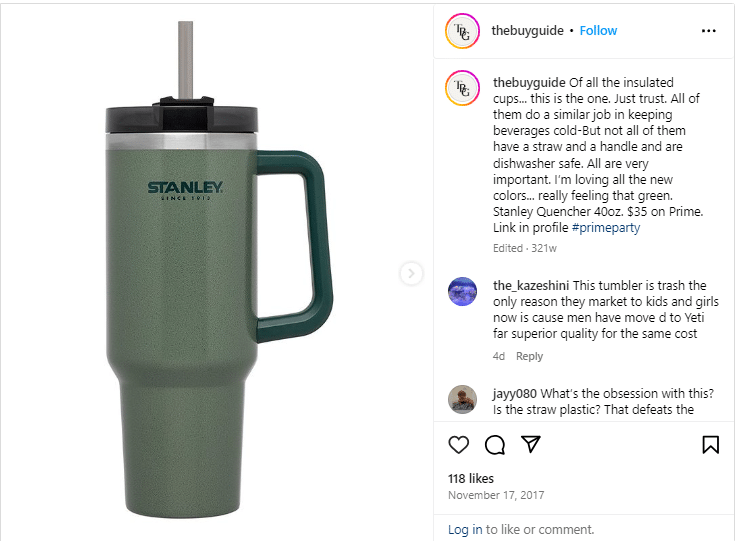
Stanley traditionally marketed toward men, outdoor enthusiasts, and workers. But The Buy Guide, a shopping blog run by three women, saw the Quencher differently. They believed its size, handle, straw, and cup-holder-friendly design made it an everyday product for women.
The product hadn’t changed. What changed was the customer Stanley imagined using it.
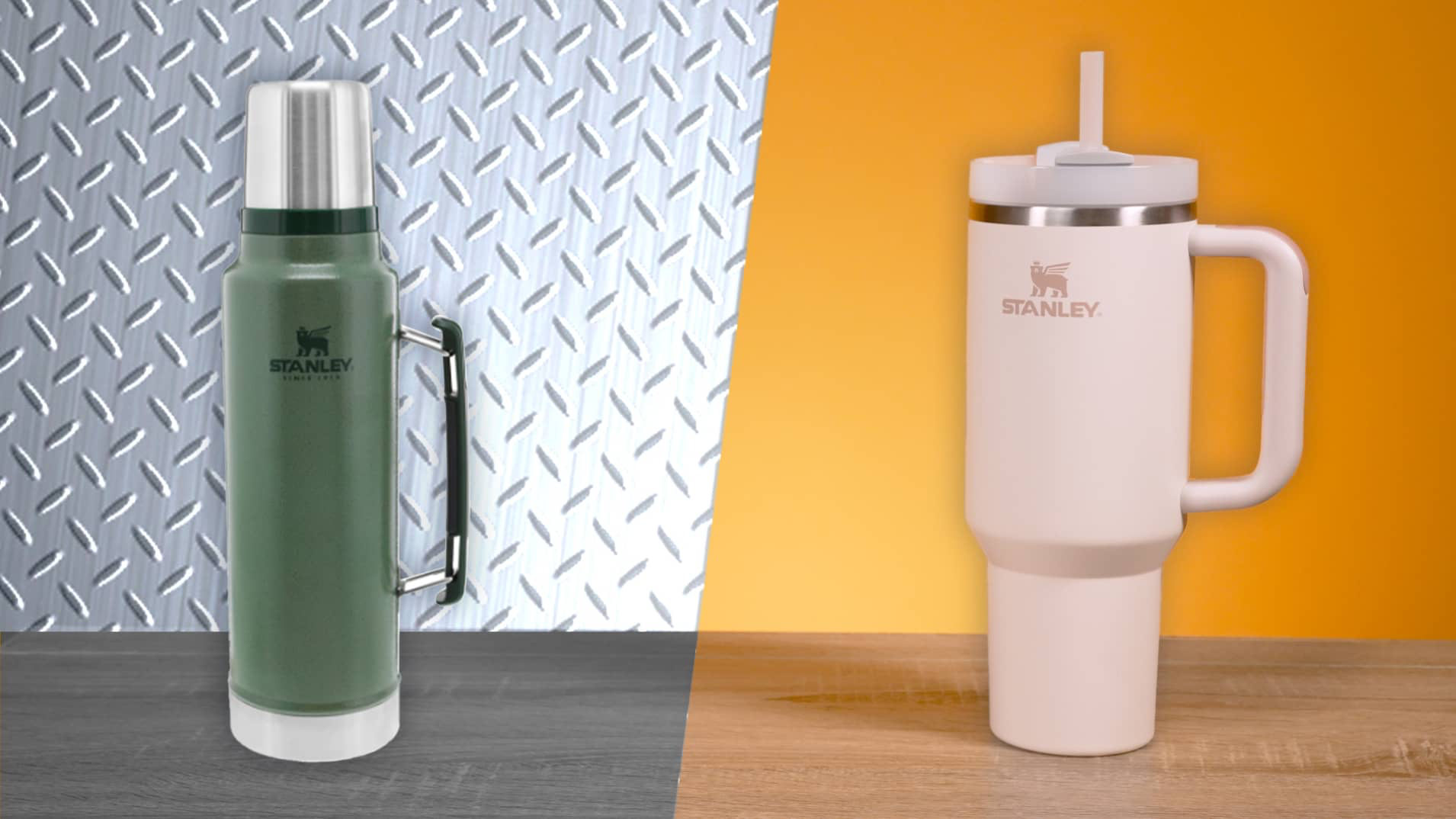
Stanley initially wasn’t convinced, so The Buy Guide purchased 5,000 Quenchers wholesale itself. They sold out in about four days. A second batch of 5,000 reportedly sold out in one hour.
Those sales provided real evidence that demand existed. The Quencher wasn’t necessarily failing because people didn’t want it. Stanley simply hadn’t been putting it in front of the people who wanted it most.
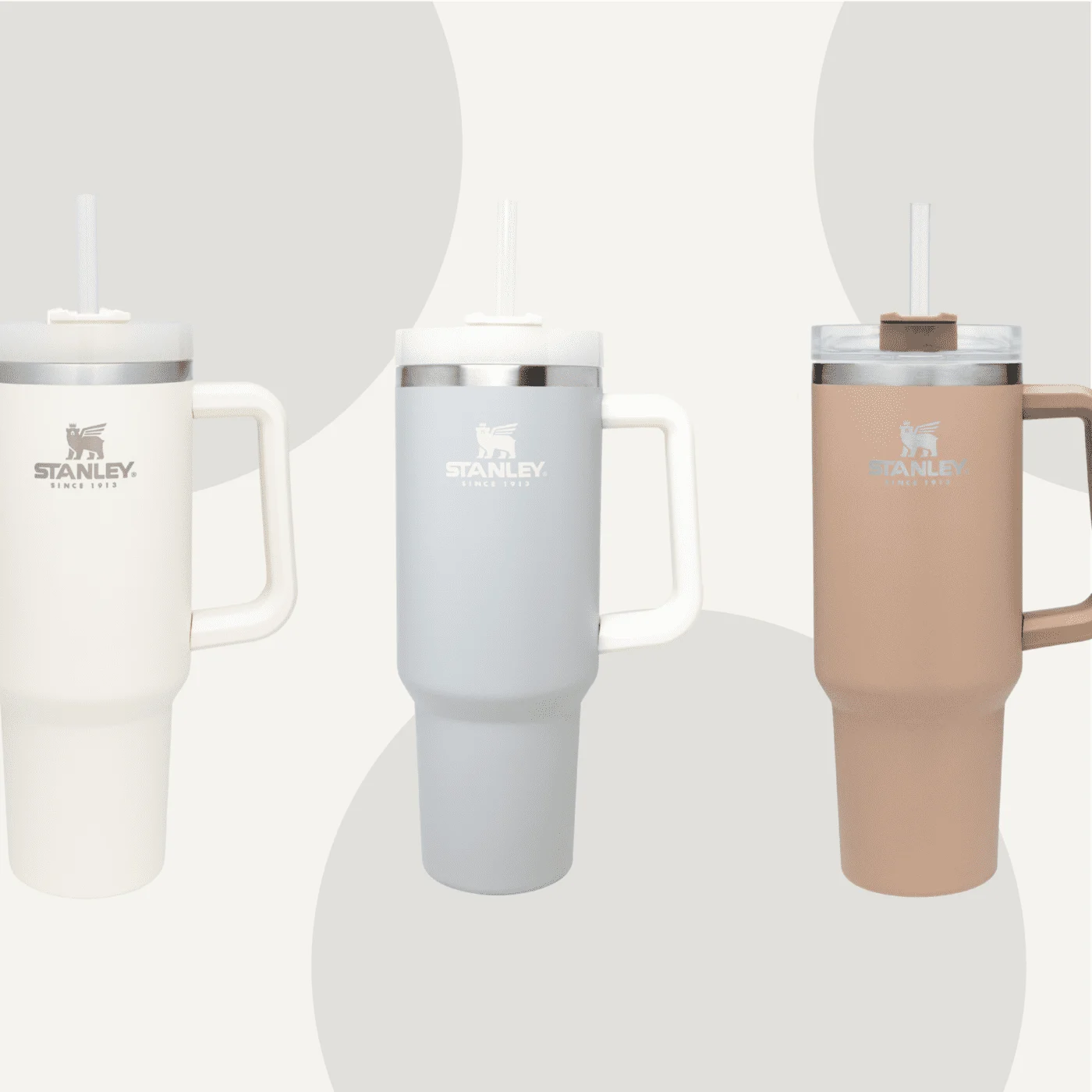
When Terence Reilly became Stanley’s president in 2020, he recognized the opportunity and made The Buy Guide a partner. Instead of abandoning the Quencher, Stanley began building around the audience already proving it wanted the product.
Together, these examples show why businesses shouldn’t immediately give up on something that isn’t selling. Sometimes the better question isn’t “What’s wrong with our product?” but “Are we selling it to the right people?”
But finding the right audience only solved the first problem. A reusable water bottle lasts for years, so Stanley still needed to give those customers a reason to buy another one.
Give Customers a Reason to Keep Buying the Same Product
Once Stanley found its audience, it began turning the Quencher from a functional water bottle into something closer to a fashion accessory or collectible.
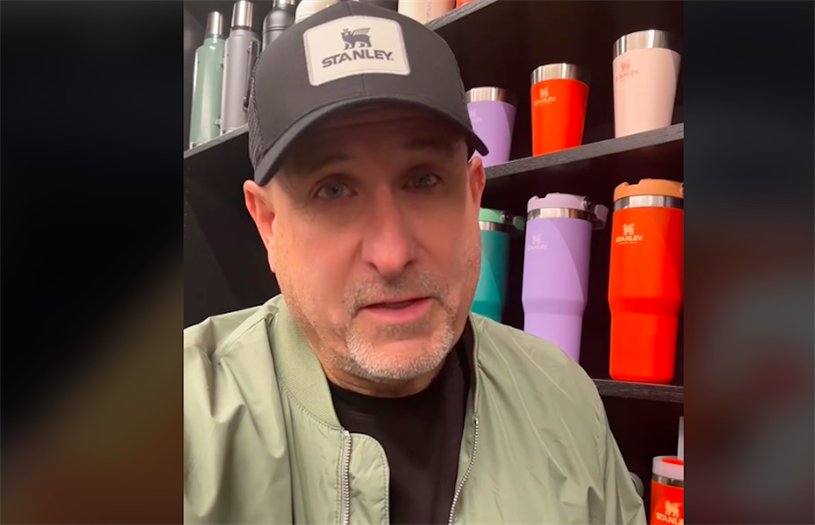
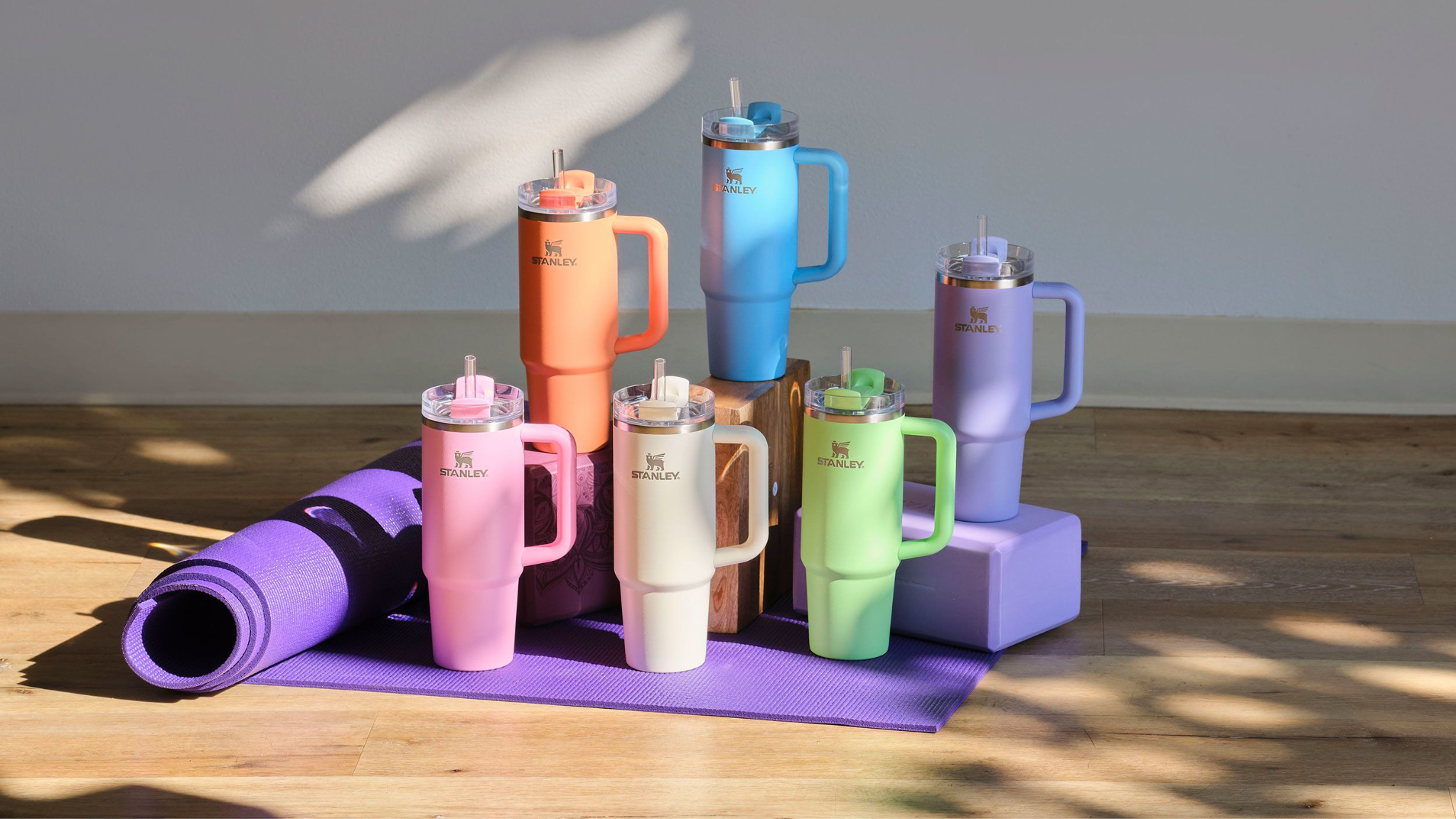
Stanley began releasing colors such as Cream and Desert Sage. Suddenly, customers didn’t have to need a replacement bottle to want another one. A new color could fit a different style or preference.
That allowed Stanley to create new demand without constantly creating entirely new products.

Stanley then leaned into limited edition drops and collaborations. Reilly has described applying ideas from drop culture and exclusivity to the brand.
Limited availability created urgency. Customers had a reason to buy immediately because waiting could mean losing the chance to get a particular version.
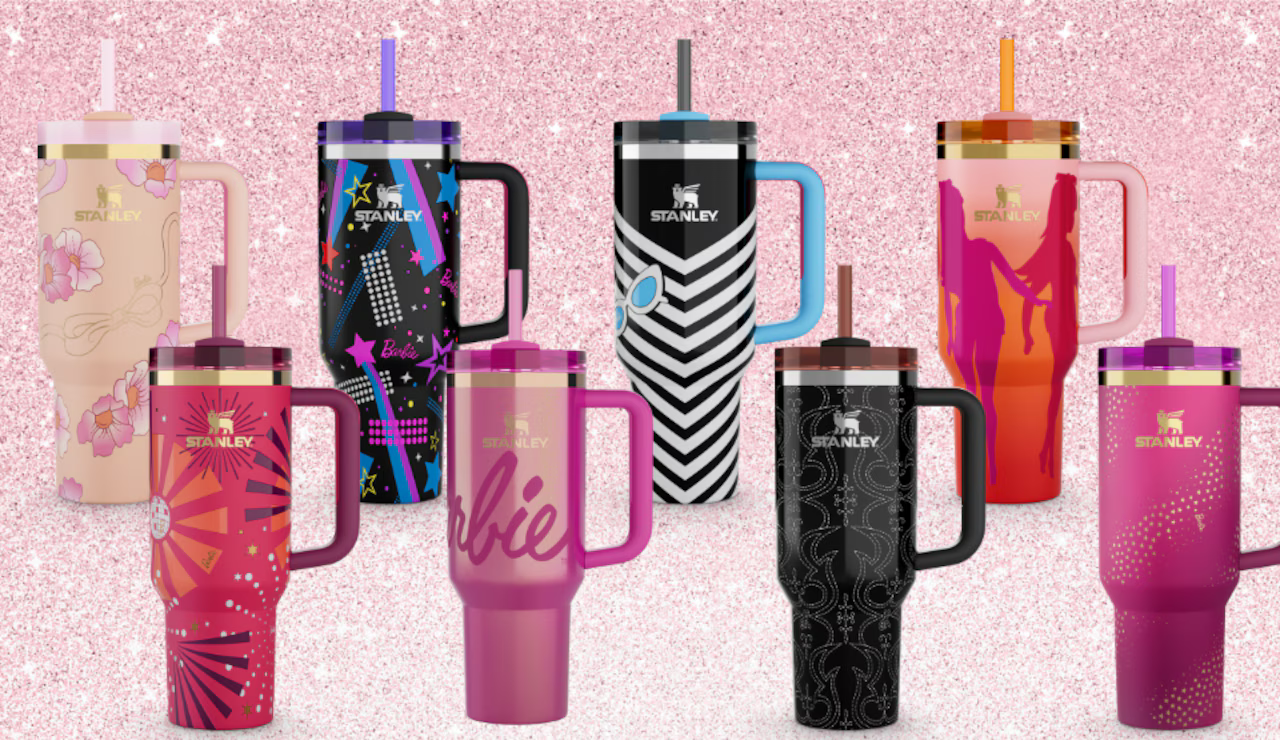
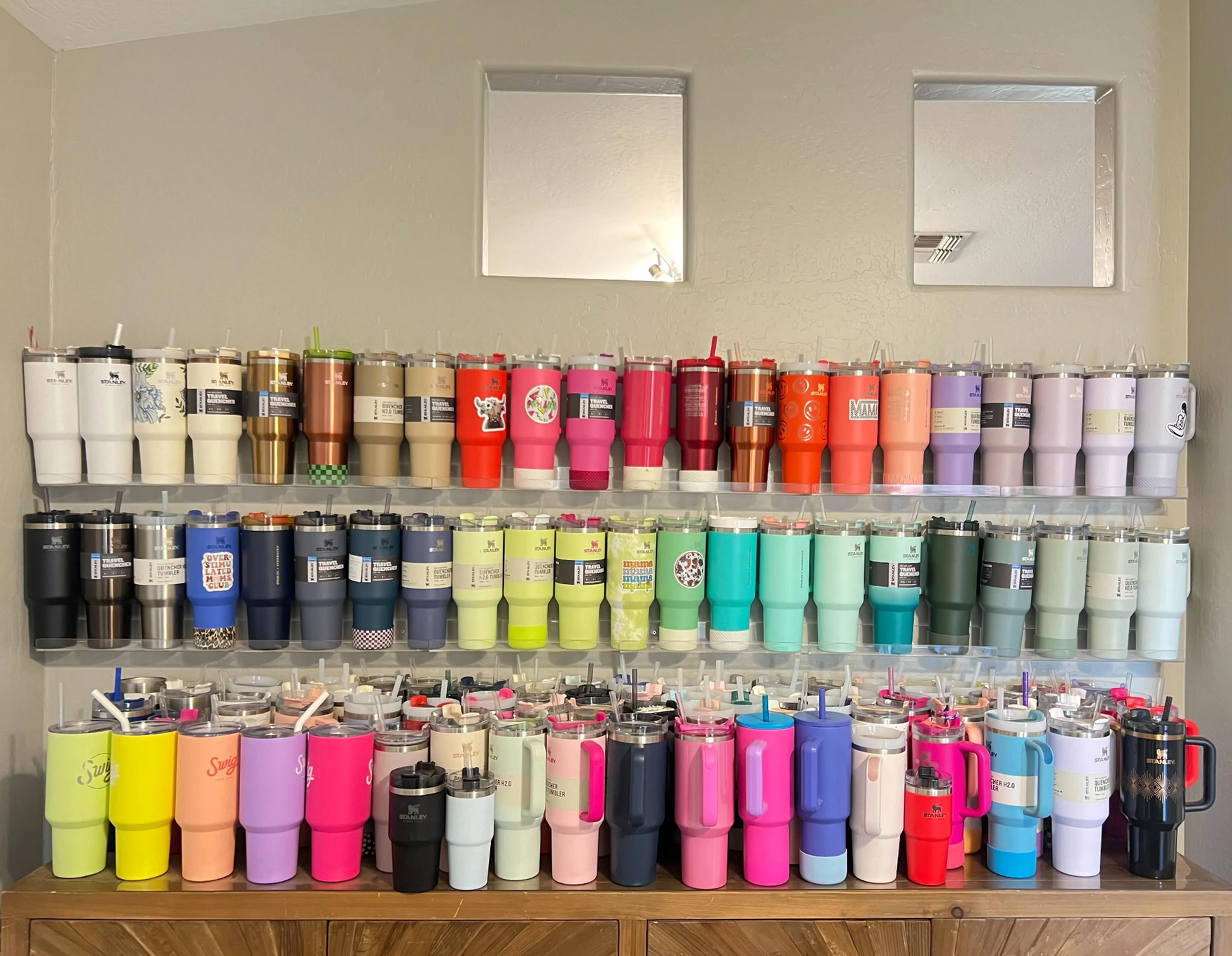
Those colors and limited releases also made the Quencher collectible. Someone who already owned a perfectly functional Stanley could still want another because the next version felt different.
Together, these strategies gave Stanley something particularly valuable for a durable product: repeat customers. Businesses don’t always need to reinvent what they’re selling to create another purchase. Sometimes variations, collaborations, or limited releases can give customers a reason to come back.
And once Stanley had customers repeatedly excited about new releases, that excitement became something the company could market.
Turn Customer Excitement Into a Marketing Engine
Stanley’s social media success worked because customer excitement existed before the biggest viral moments arrived.
The Buy Guide’s founders were genuine fans of the Quencher before becoming formal Stanley partners. Their recommendations helped introduce the bottle to an audience that already trusted them.
Instead of trying to manufacture interest from scratch, Stanley found people who were already excited enough about the product to recommend it.
Reilly later leaned further into influencer marketing, while customers began posting their own collections, new colors, unboxings, and limited releases on platforms like TikTok.
Stanley’s product strategy helped fuel that content. Every new color or collaboration gave customers something new to post about even though the core product remained largely the same.
The results were enormous. Stanley’s annual revenue reportedly grew from roughly $70-73 million in 2019 to around $750 million in 2023.
That growth shows why virality wasn’t the entire strategy. Stanley first found the right audience, then gave that audience reasons to keep buying, and finally used social media to amplify the excitement those decisions had already created.
For businesses, social media works best when there’s something underneath the attention. Give customers a product they genuinely value and reasons to keep talking about it, and they can become part of the marketing engine themselves.

Main Takeaway
Stanley’s success wasn’t created by hype alone. It followed a progression… find the right audience, give that audience reasons to keep buying, and turn their excitement into marketing.
The Quencher went from a product Stanley had stopped restocking to the center of a business that grew from roughly $70-73 million in annual revenue in 2019 to around $750 million in 2023.
For businesses, the lesson is that a struggling product doesn’t always need to be replaced. Sometimes finding the customers who value it most and then giving those customers reasons to return and tell others is what changes everything.