



Jaguar's 2024 rebrand did something most companies spend millions trying to achieve: it got people to pay attention. The campaign generated more than 160 million views within days, yet the reaction exposed a deeper problem. Jaguar had created a marketing moment without giving people a clear reason to want the brand, and its strategy shows why an advertisement can succeed on its own terms while failing to grow the business behind it.
Jaguar Lost Sight of Its Existing Audience
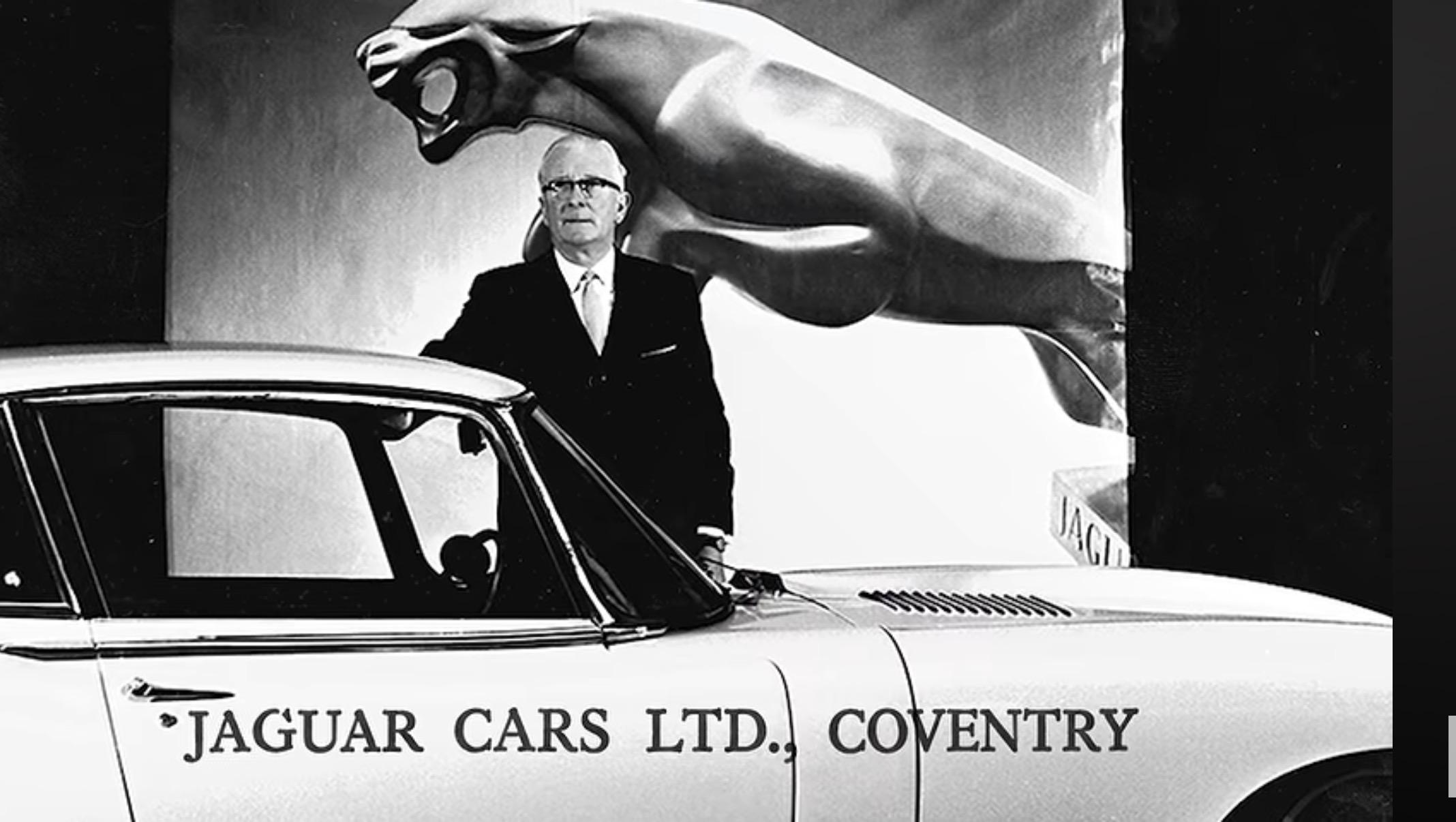
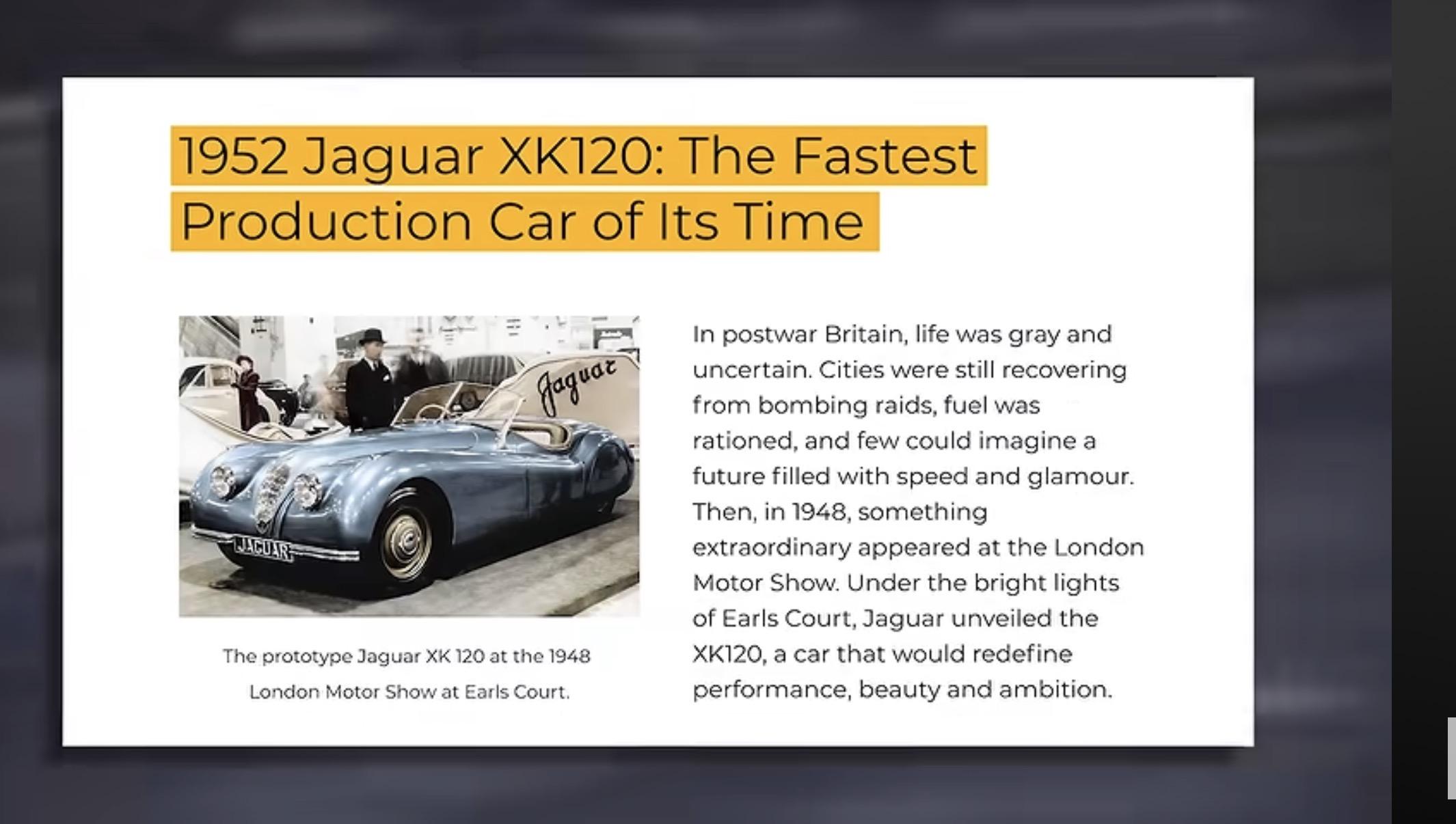
Jaguar had spent decades building an identity around prestigious, high-performance luxury cars. The XK120 was once considered the fastest production car in the world, while the E-Type became one of the company's defining models.
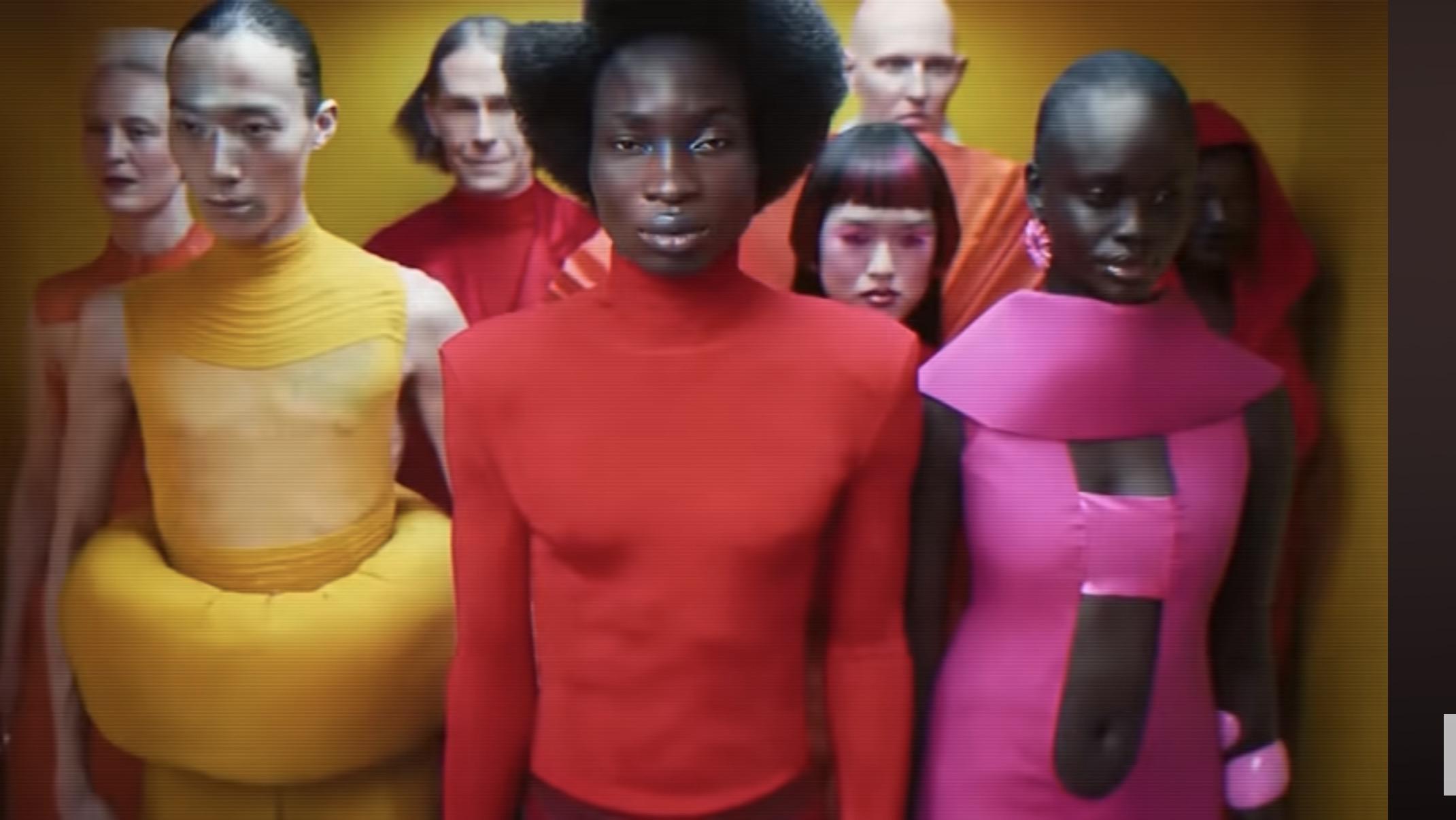
Then Jaguar effectively erased that history from its online presence. In November 2024, the company deleted years of social media posts, including photos of E-Types and F-Types and years of customer interactions. It replaced them with a 30-second advertisement featuring colorful clothing and abstract visuals, without showing a car or even the familiar Jaguar logo.
A company can change its identity, but Jaguar gave its existing audience little to recognize in the new one. Instead of showing people where the brand was going, the campaign largely showed them what Jaguar was leaving behind.
All Attention Is Not Good Attention
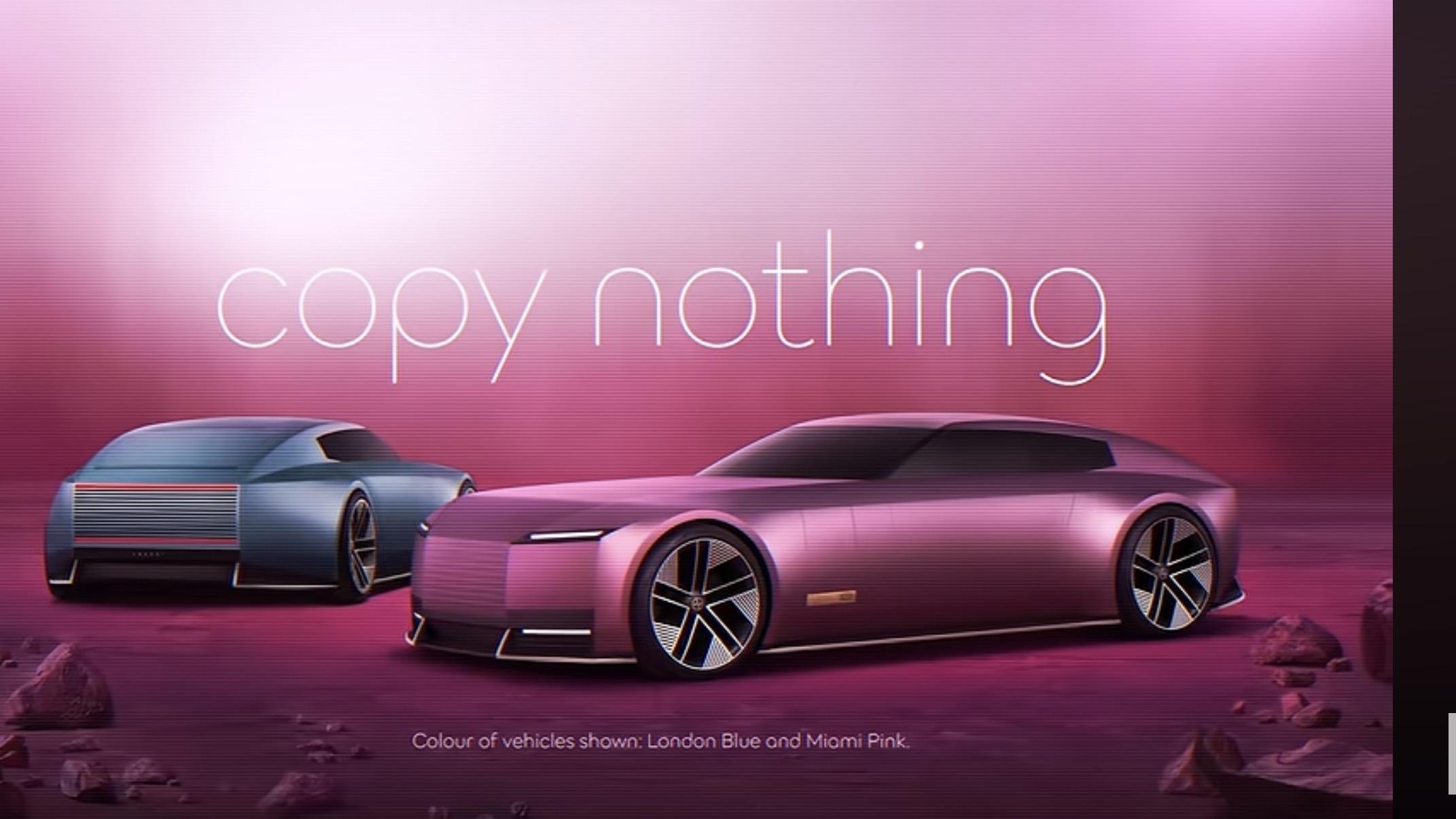
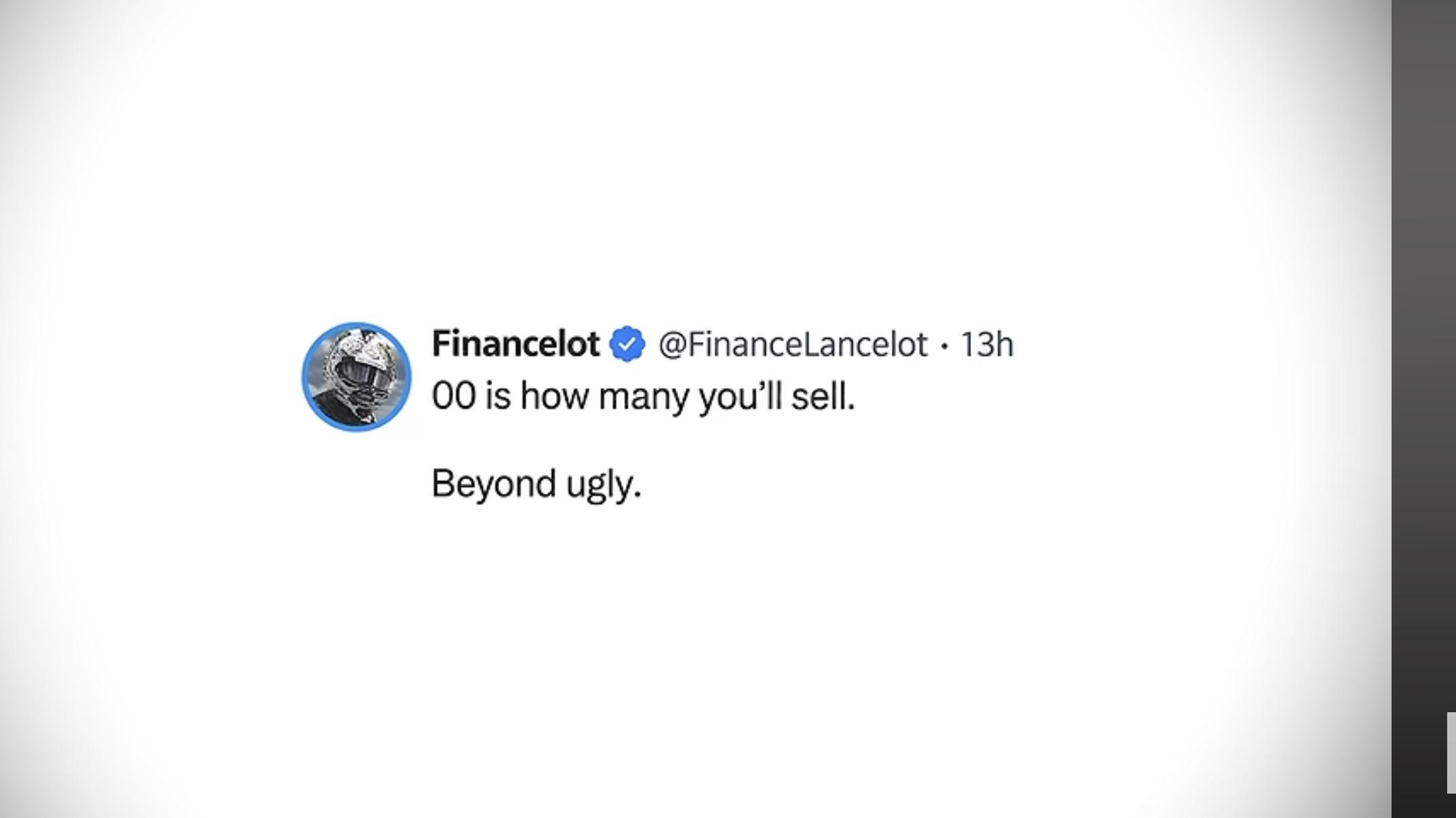

The campaign certainly generated conversation. More than 160 million people viewed the advertisement within days, but the reaction was hardly what Jaguar would have wanted from a luxury car company. When Jaguar later revealed its Type 00 concept, people compared its bright colors to a Barbie car. One viral comment joked that “00” was how many cars Jaguar would sell, while Elon Musk asked Jaguar whether it still sold cars.
The problem was not that people were talking about Jaguar. It was what they were talking about. The campaign made the rebrand itself the story, while the product became secondary.
For a business, attention only becomes valuable when it moves people closer to wanting, trusting, or buying what you sell.
Poor Timing Made the Strategy Harder to Convert
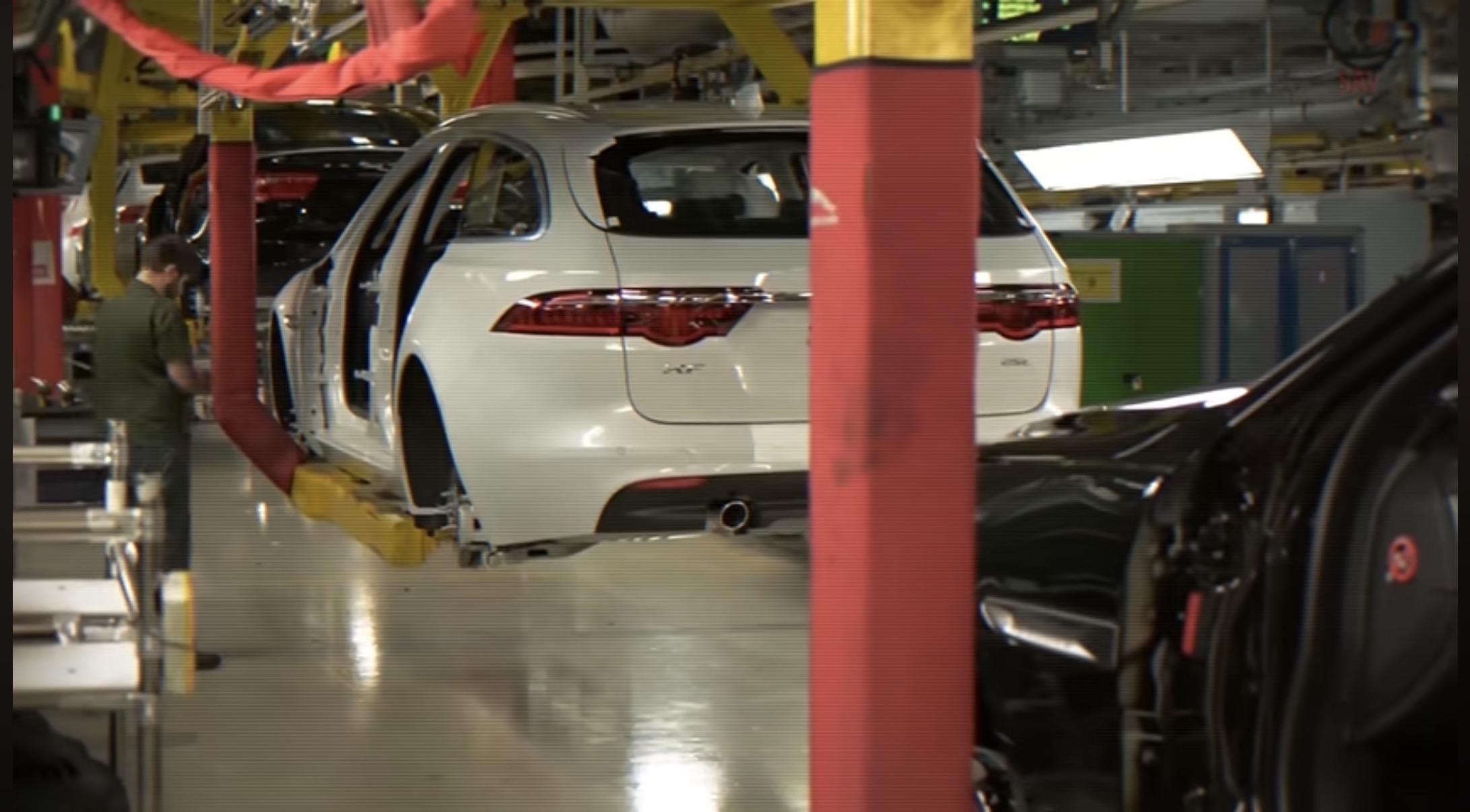

Jaguar also had a product problem that made the campaign's timing particularly difficult. The company had stopped producing the XE, XF, E-Pace, F-Type, and I-Pace before its replacement products were ready. By the middle of 2025, Jaguar had almost nothing new for dealers to sell.
The company was promoting a new electric future, but the new electric GT was not expected to enter production until summer 2026. A second new Jaguar was not expected until December 2027.
That left Jaguar in an unusual position. It had created massive awareness around its new direction while giving interested customers very little they could actually buy.
The Takeaway
Jaguar's campaign shows that advertising performance and business performance are two different things. The company successfully generated attention, but it struggled to turn that attention into brand growth because it disconnected from its existing audience, created widespread confusion around the rebrand, and promoted a new product direction before those products were ready.
For businesses, the lesson is simple: A successful ad should do more than make people look. It should make the right people understand what you offer, want it, and have a clear path toward becoming a customer.