



Businesses can have a great product and still struggle to sell it if they’re marketing to the wrong person. The customer using a product isn’t always the person deciding whether to buy it.
Old Spice, Disney, and Slack all show different versions of the same problem. Sometimes someone else controls the money, sometimes multiple people influence the decision, and sometimes the buyer cares about completely different benefits than the user.
The first step is figuring out who actually makes the purchase.
Find Out Who Actually Makes the Purchase
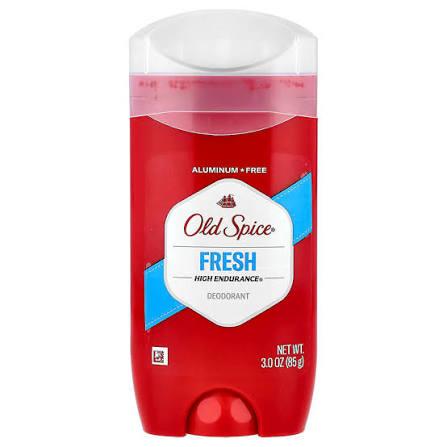
Old Spice sold men’s body wash, so marketing primarily toward men seemed obvious. But research revealed something important: women made around 60% of body wash purchases.
That meant many of the people using Old Spice weren’t actually choosing which brand entered the house. Wives and mothers were often purchasing body wash for their husbands and sons.
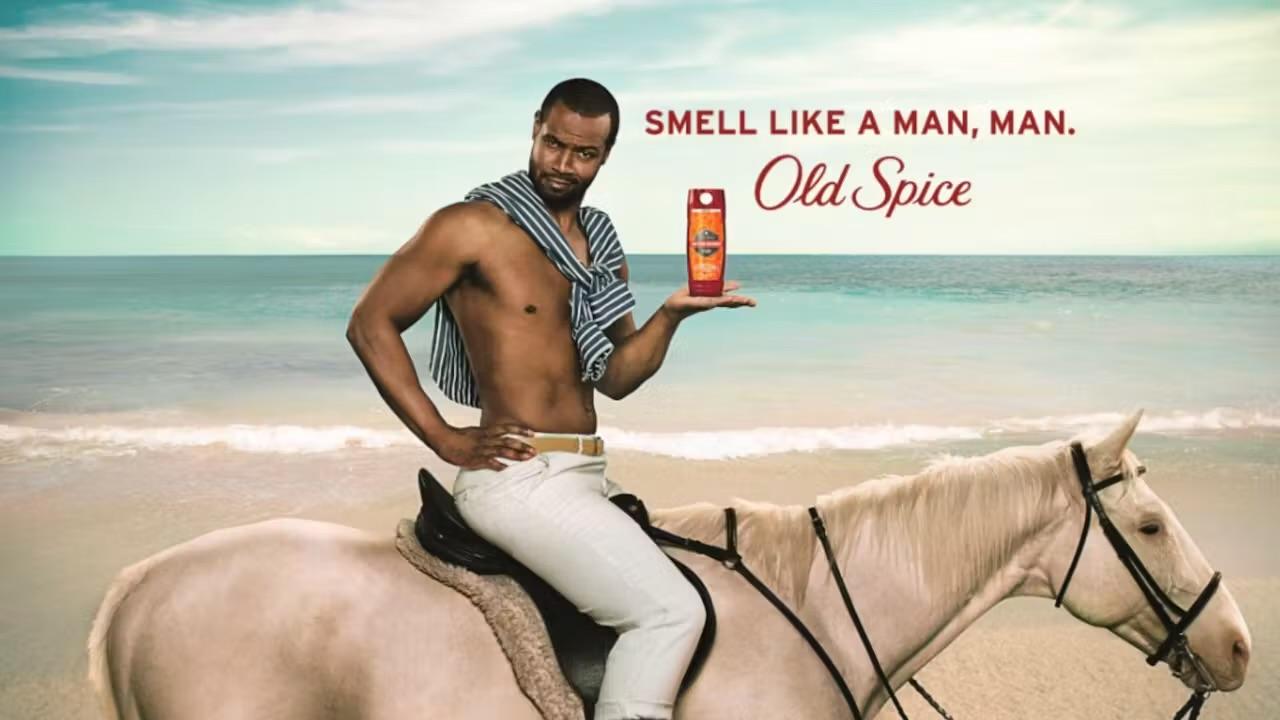
Old Spice used that insight in its The Man Your Man Could Smell Like campaign. Instead of speaking only to men, the campaign deliberately addressed women while still entertaining male viewers. Ads were also placed where couples were likely to watch together.
Rather than changing the product, Old Spice changed who it was speaking to.
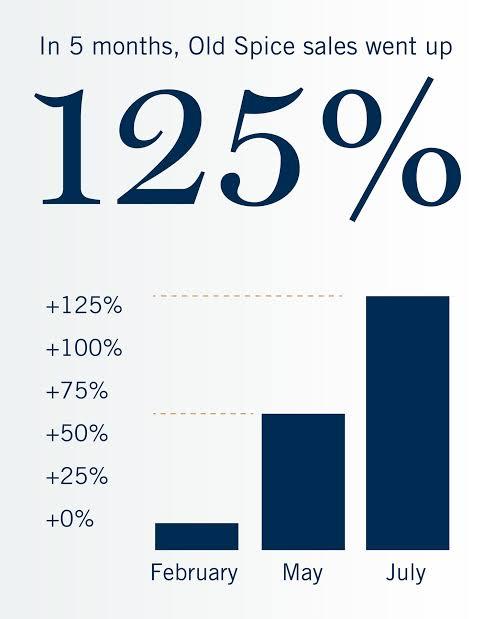
The campaign eventually captured 75% of online conversations about men’s body wash, with women responsible for more than half of those discussions. Old Spice’s agency also reported that Red Zone Body Wash sales were 60% higher year over year by May 2010 and had doubled by July.
The lesson isn’t that Old Spice stopped marketing to men. It realized there was another person involved in the sale.
For businesses, that means asking: Who uses the product, who influences the decision, and who actually pays?
Once multiple people are involved, though, identifying them isn’t enough. You need to give each one a reason to say yes.
When the User and Buyer Are Different, Appeal to Both

Disney provides one of the clearest examples. A child might desperately want a Disney toy, movie, or trip to Disney World, but the child usually isn’t paying for it.
One analysis identifies children ages 3-12 as a core Disney audience, while parents ages 25-45 act as financial gatekeepers for much of family entertainment spending.

That means Disney has to make the experience appealing from two perspectives.
A child might care about meeting characters, seeing Cinderella’s castle, or riding attractions. A parent may care more about spending time together and creating family memories.
The same product doesn’t need to mean the same thing to both audiences. It needs to give both a reason to want the purchase.
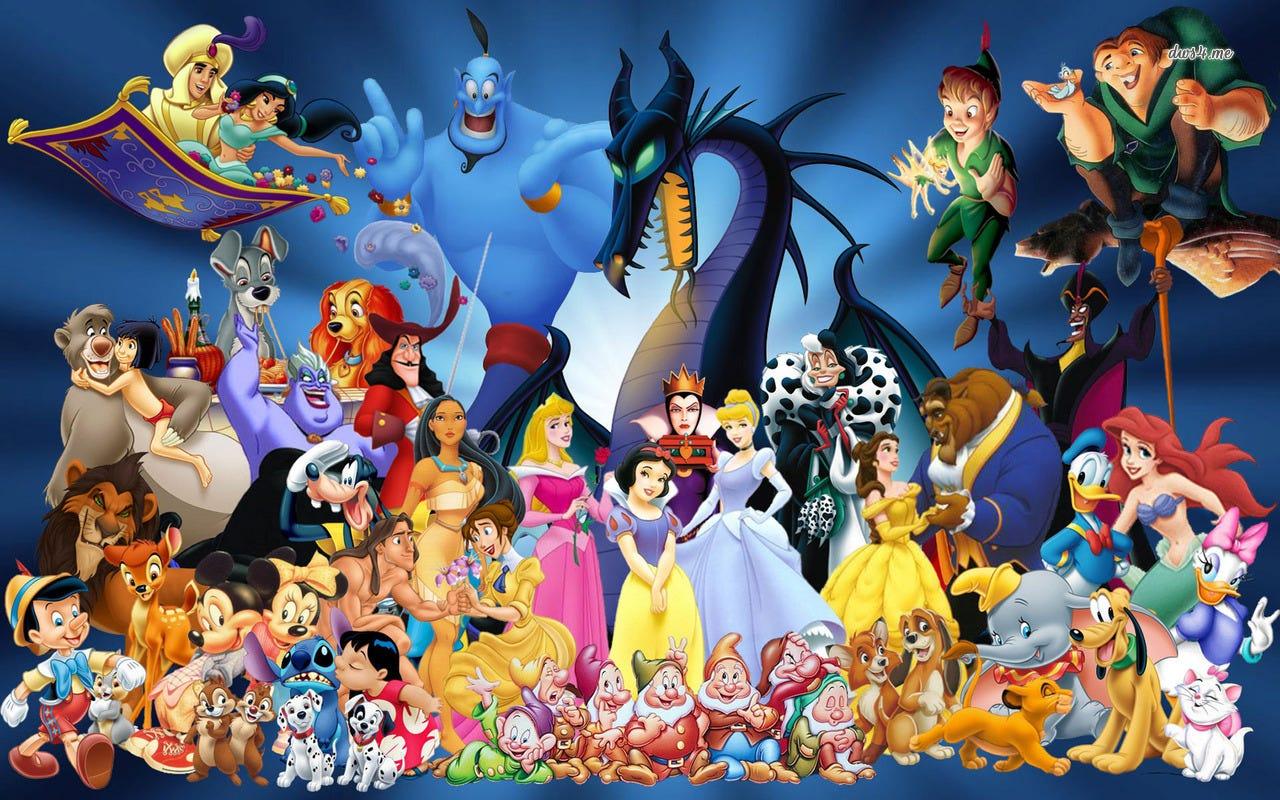
Disney has another advantage. Many parents grew up with the brand themselves. Its characters, movies, and parks can create nostalgia, giving parents their own emotional connection to something their children already want.
Disney therefore isn’t simply convincing parents to pay for something their children enjoy. It can make the purchase valuable to both generations.
For businesses, the lesson is that when one person wants the product and another pays for it, your marketing may need different reasons for each person to say yes.
But those differences can go beyond marketing messages. Sometimes the buyer evaluates the product using completely different criteria.
The Buyer May Care About Completely Different Benefits Than the User
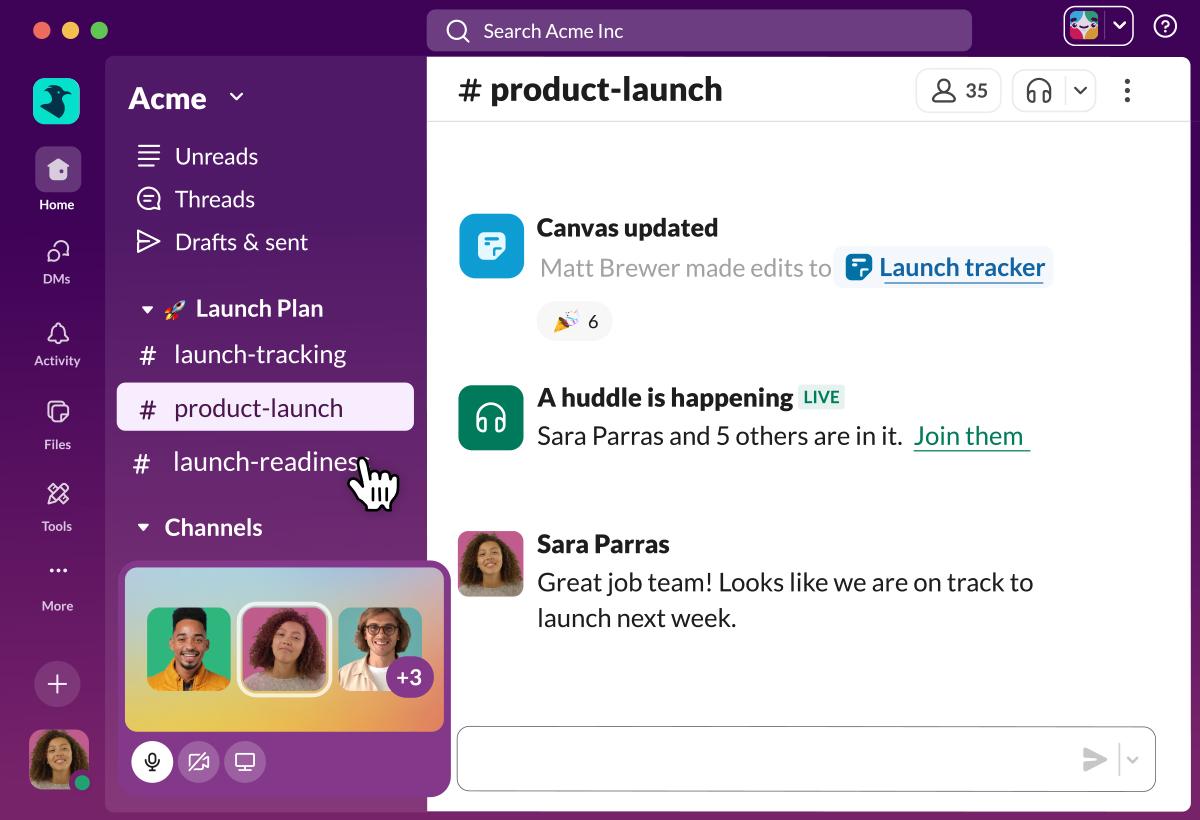
An employee might use Slack every day, but that employee usually isn’t deciding whether a company should purchase it for hundreds or thousands of workers.
That decision may involve managers, executives, IT teams, procurement, and other company decision makers.
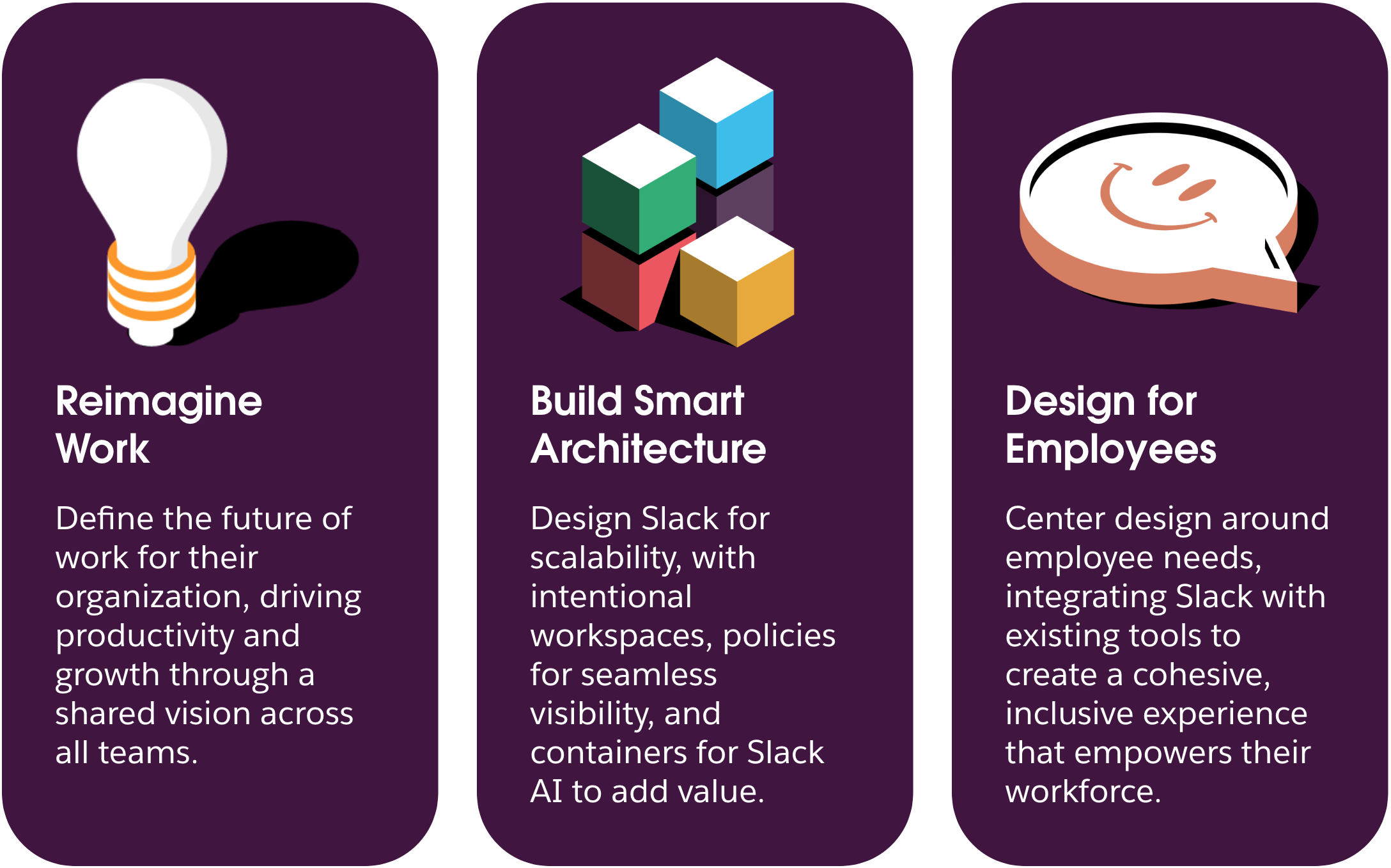
Those groups can care about very different benefits.
An employee might value Slack because it’s easy to communicate with coworkers. A decision maker may care more about productivity, team coordination, integrations, security, and whether the software provides enough value to justify its cost.
A product can therefore have users who love it and still struggle to sell if the business can’t explain its value to the person approving the purchase.
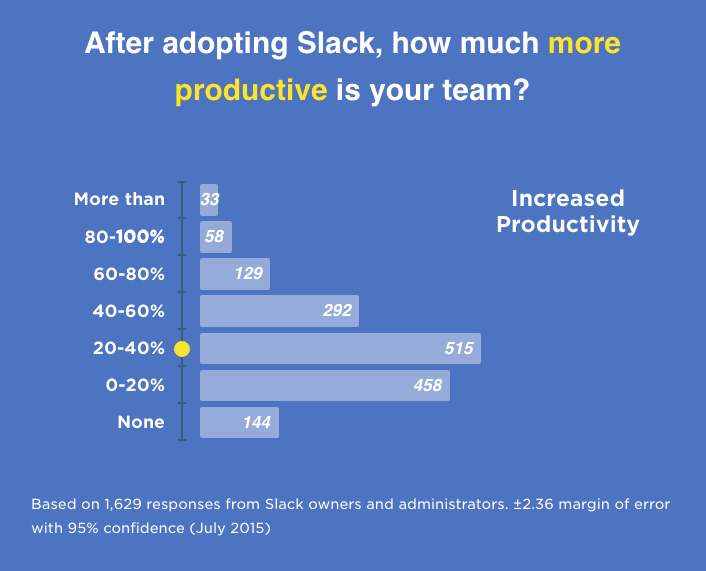
That’s why Slack has to connect the user experience to a larger business outcome. Making communication easier matters to employees, but improving how teams work gives the company a reason to pay for it.
For businesses, identifying the buyer is only part of the job. You also need to understand what that person needs from the product before they’re willing to spend money on it.
Main Takeaway
The person who loves a product isn’t always the person who pays for it.
Old Spice shows why businesses should first identify who actually controls the purchase. Disney shows why the user and buyer may both need a reason to say yes. Slack shows why the buyer may care about completely different benefits from the person using the product.
Together, they create a simple progression: find the buyer, understand everyone influencing the decision, and market the product around what each person actually cares about.
Businesses shouldn’t only ask, “who uses our product?” They should also ask, “who has to say yes before that person gets to use it?”