



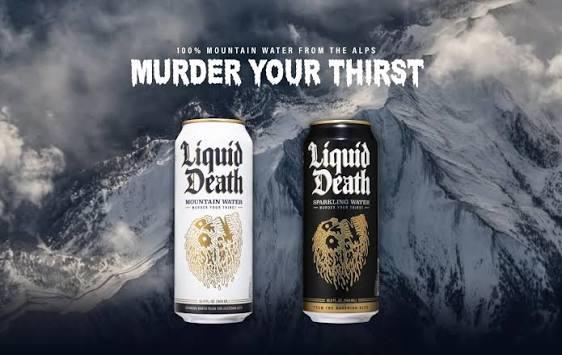
Water is one of the hardest products to make exciting. There is little difference between the basic function of one bottle of water and another, yet companies have spent decades convincing consumers to pay more for it. Evian sells the idea of water from the French Alps. Fiji emphasizes its natural source and purity. Smartwater built its identity around vapor distillation and electrolytes. Liquid Death took a completely different approach. Instead of trying to make water look healthier, purer, or more luxurious, it made water look dangerous, rebellious, and entertaining.
That decision helped turn Liquid Death from a strange looking water brand into a company valued at $1.4 billion. Its success was not built around a revolutionary beverage. It came from turning an ordinary commodity into something people wanted to notice, talk about, and eventually identify with. Liquid Death did that through three connected strategies. It created marketing people wanted to watch, turned its product into a cultural object, and then used the audience it built to expand far beyond plain water.
They Made Water Impossible to Ignore
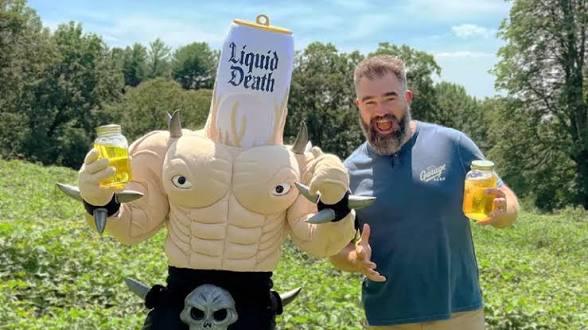
mascot with Jason Kelce
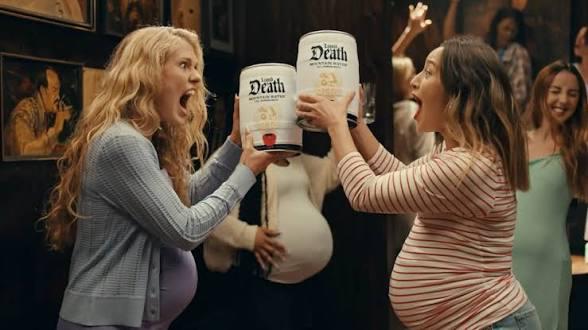

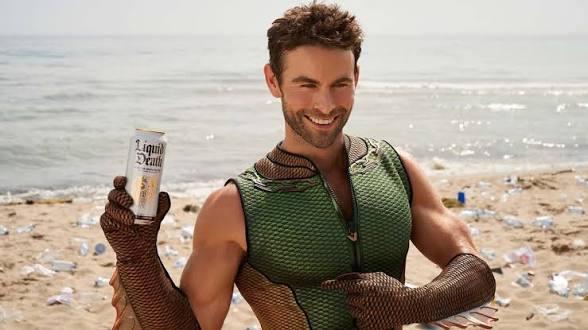
The Deep from The Boys
Liquid Death's first advantage was its marketing. The company understood that there was almost nothing inherently interesting about selling water, so it created interest around everything surrounding the product.
Instead of filling its advertising with images of pristine mountains and people drinking water after a workout, Liquid Death leaned into heavy metal, dark humor, absurdity, and shock value. Its commercials and online videos often looked more like entertainment than traditional beverage advertising. The goal was not simply to convince someone that Liquid Death was a good product. It was to make someone stop scrolling, watch the video, and remember the name.
That approach was particularly valuable because Liquid Death was entering a category where established companies already had enormous advantages. Consumers already understood what bottled water was, and major brands had spent years building associations around health, purity, and luxury. Liquid Death could not realistically outspend those companies or convince consumers that its water was fundamentally different. Instead, it found a different reason to compete.
The brand made itself recognizable.
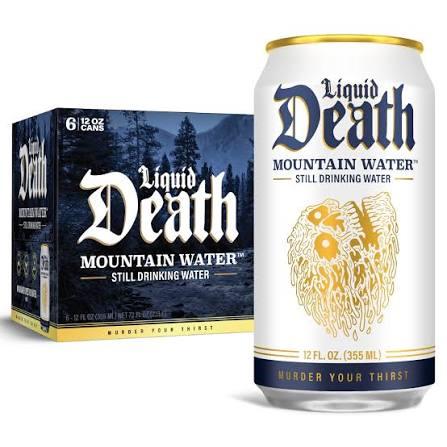
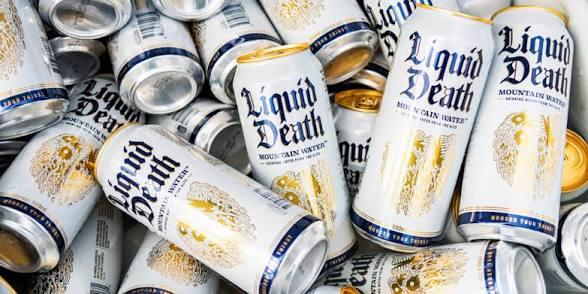
A consumer walking through a grocery store may have little reason to think carefully about which bottle of water to buy. Liquid Death created a reason to pause. Its skull logo and black aluminum can looked completely different from the bottles surrounding it, while its advertising gave people something they could remember and share.
The company also benefited from organic distribution. Rather than depending entirely on expensive traditional advertising, Liquid Death's marketing gave people reasons to spread the brand themselves. A strange commercial could become a conversation. A ridiculous campaign could be shared online. A recognizable can could appear in someone's social media post.
Liquid Death essentially turned its marketing into part of the product experience. Instead of asking consumers to care about the differences between types of water, it gave them something more interesting to care about: the brand itself.
That distinction would become even more important once Liquid Death started putting its product in the real world.
They Made Water Look Like Something Else
Getting attention was only the beginning. Liquid Death needed to turn that attention into a reason for people to actually choose the product.
This is where the company's presentation became particularly important.
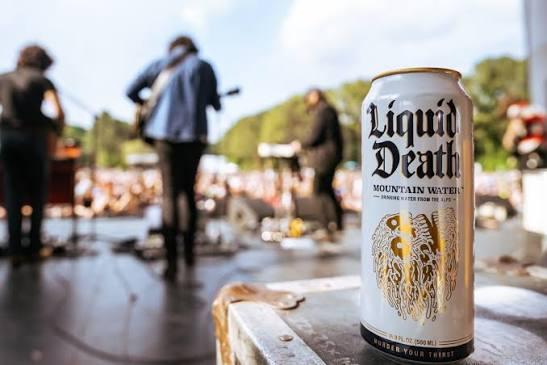
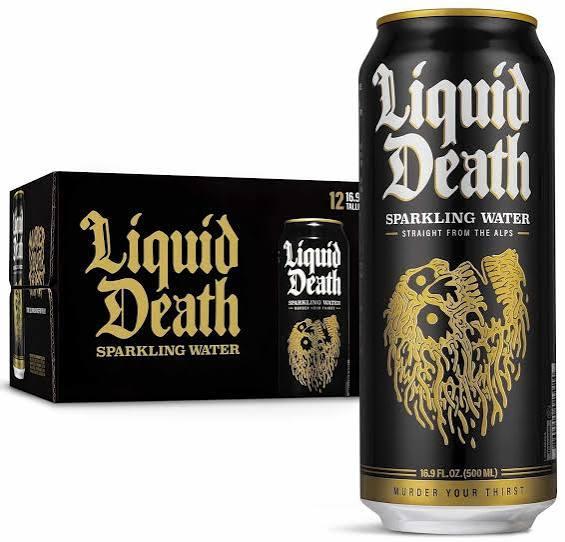
The tall aluminum can looked much more like a beer than a traditional bottle of water. That was intentional. Liquid Death wanted to challenge the idea that water belonged exclusively in gyms, refrigerators, and grocery store aisles. The company positioned it as something that could exist in bars, concerts, and festivals alongside alcoholic beverages.
That positioning gave the brand access to environments where its identity felt natural.
Liquid Death entered bars early and eventually established a major presence at live events. In 2021, the company became the exclusive water sold at Live Nation concerts nationwide. According to the company, many consumers have said that their first experience with Liquid Death came at a concert or festival.
That creates a powerful marketing cycle. Someone sees the distinctive can at a concert, drinks it, remembers the brand, and later recognizes the same can in a convenience store or grocery aisle. The original purchase becomes part of the brand's discovery process.
The company was not simply distributing water. It was putting the brand in environments where its personality made sense.
Over time, that helped Liquid Death develop something most beverage companies struggle to create: fandom.
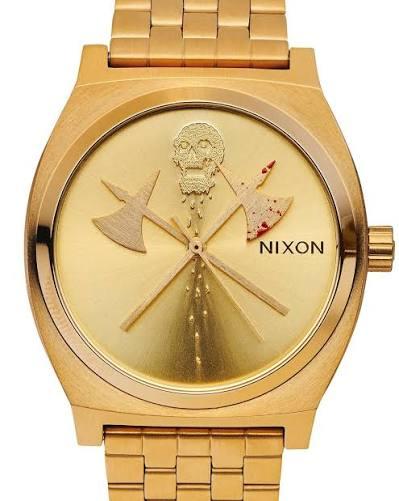
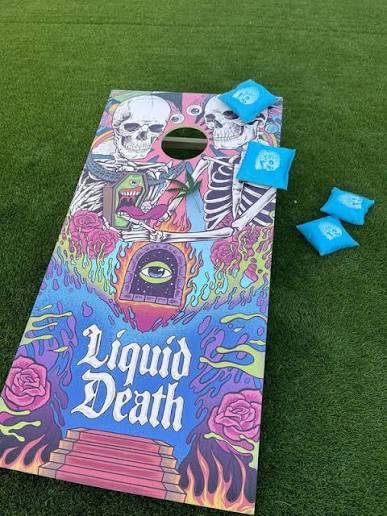
The company's own executives have pointed out that most beverage brands do not have fans. Liquid Death does. People have bought its T shirts, watches, games, cold plunges, and other products that have little to do with the functional purpose of drinking water. The company says it has sold more than $1 million worth of its gold watches, while certain merchandise and products have sold out.
The most extreme example is perhaps the fact that some customers have gotten Liquid Death tattoos.
At that point, the relationship between consumer and product has changed. Someone does not get a tattoo because they are particularly attached to the nutritional properties of water. They do it because the brand represents something they enjoy or identify with.
The can became more than packaging. It became a symbol of the identity Liquid Death had built around itself. That gave the company something most water brands never achieve: customers who were emotionally invested in the brand before they ever considered what else it could sell.
They Turned Fandom Into a Larger Beverage Business
Liquid Death could have stopped after building a successful water brand. Instead, it gradually expanded into other categories that allowed the company to capture more of its customers' beverage spending.
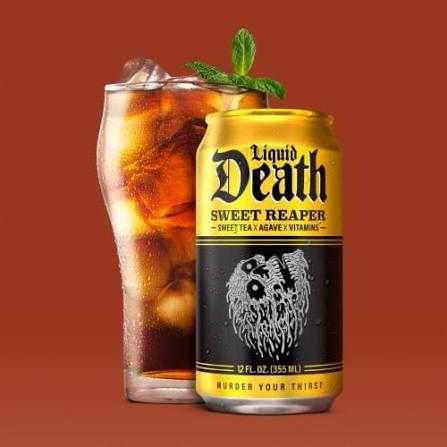
The progression was relatively seamless. The company introduced sparkling water about a year after launching its original product. It later added flavored sparkling water, followed by iced teas and electrolyte packets known as Death Dust.
Each expansion gave Liquid Death access to consumers who might not have been looking for plain water while keeping the same recognizable brand identity.
This is where the company's earlier work paid off. Liquid Death had already spent years teaching consumers what the brand represented, so each new product could enter the market with an audience already attached to the name.
The numbers show how significant that transition has become. More than 60% to 70% of Liquid Death's business now comes from products that are not plain water. The company has effectively used water as the entry point into a much larger beverage business.
Some of its product launches also continue to use novelty as a way to generate attention. Its collaboration with Van Leeuwen, for example, produced a limited edition hot fudge sundae flavored product. The company expected the product to sell over a month or two, but it reportedly sold out in six hours and became Amazon's best performing grocery limited time offer.
The product itself was unusual, but that was precisely the point. Liquid Death could use products as marketing events while also expanding its business.
That creates a useful cycle. New products give existing fans another reason to buy. Unusual launches give the brand another reason to generate attention. That attention introduces more people to the company, while the broader product portfolio gives those people more opportunities to become customers.
The result is a business that no longer depends on selling plain water. Liquid Death used its original product to build recognition, turned that recognition into loyalty, and then carried that loyalty into new beverage categories.
The Bigger Lesson
Liquid Death's success is not really a story about making better water. It is a story about making people care about something they normally have little reason to care about.
The company started by making water impossible to ignore. Its advertising created attention, while its distinctive packaging and distribution put that identity in front of consumers at concerts, festivals, bars, and stores. Over time, that attention developed into fandom, with customers buying merchandise and even getting tattoos of the brand.
Once Liquid Death had that audience, it had room to expand. Sparkling water, flavored beverages, iced tea, and electrolyte packets allowed the company to turn a water audience into a broader beverage customer base. Today, the majority of its business reportedly comes from products outside its original plain water offering.
That progression is what makes Liquid Death's strategy so effective. It did not need to invent a radically different type of water. It needed to create a brand people remembered, then give those people enough reasons to keep engaging with it.
For businesses in crowded markets, that is the opportunity. When the product itself is difficult to differentiate, attention and brand loyalty can create the opening for growth. Liquid Death used water to build an audience, used that audience to build fandom, and then used the fandom to build a much larger beverage company.