




A bad review usually gets an apology and a quick move-on. At SharkNinja, it gets treated like free market research.
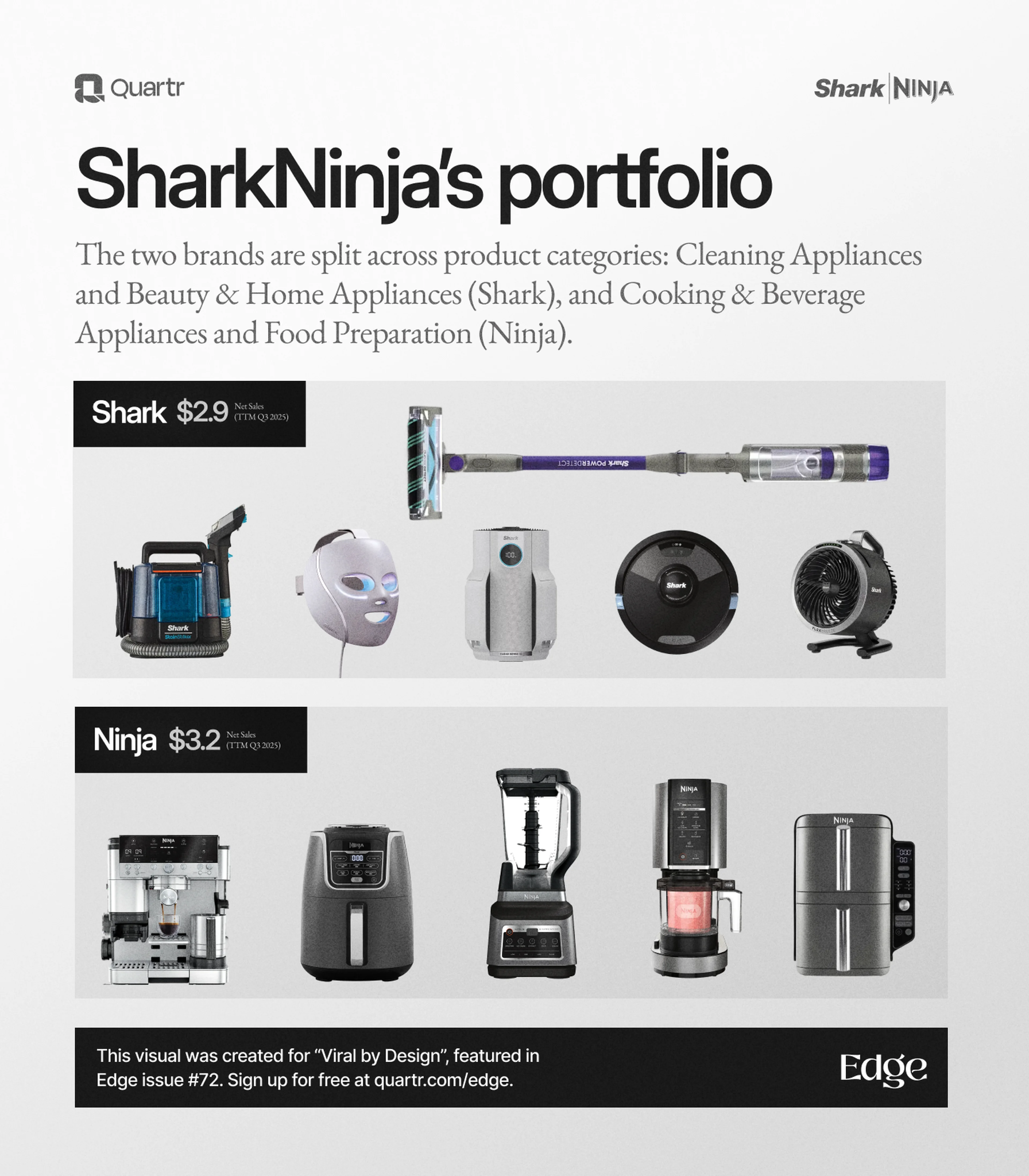
The company, known for brands like Ninja and Shark, launches new products at a pace few appliance makers can match, about 25 a year, spanning kitchen gadgets, vacuums, and beauty tools. CEO Mark Barrocas has described SharkNinja less as a hardware company and more as a "consumer problem-solving company," a line that sounds like branding until you look at how the business actually runs.
That framing is a big part of why a company selling blenders and vacuums grew sales 22.2% in a single quarter this year, while many other appliance categories stayed flat.
Listen to the Problems Customers Actually Have

Most companies consider their work finished once a product ships, but SharkNinja treats that moment as the start of the true research.

Employees across product development regularly sit in on live calls with customers alongside the customer-experience team, hearing complaints, questions, and praise firsthand instead of through a filtered summary. SharkNinja has said these conversations surface pain points that would otherwise go unnoticed.
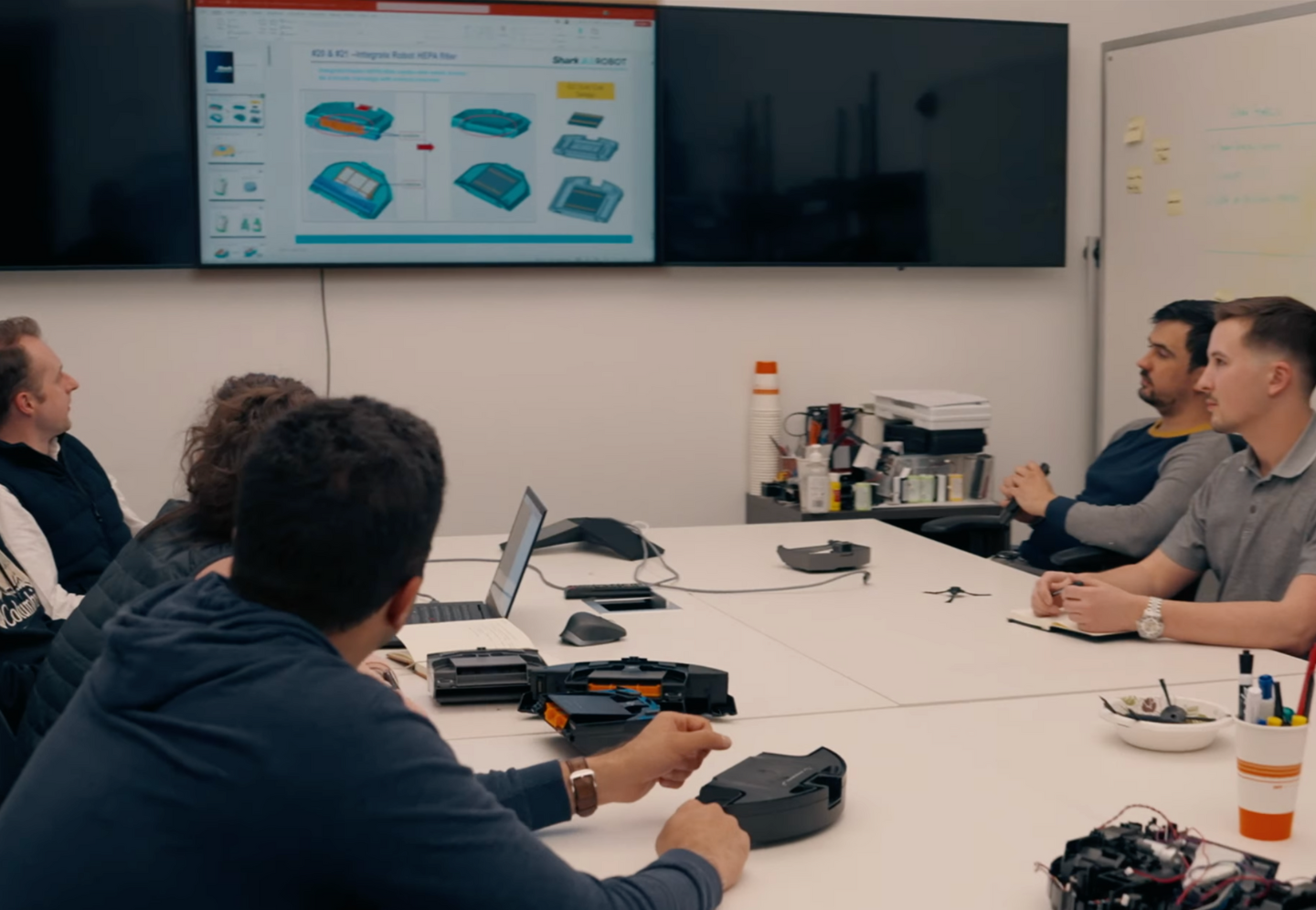
SharkNinja applies what it learns to more than the product itself: instructions, support, and the overall experience surrounding a purchase.
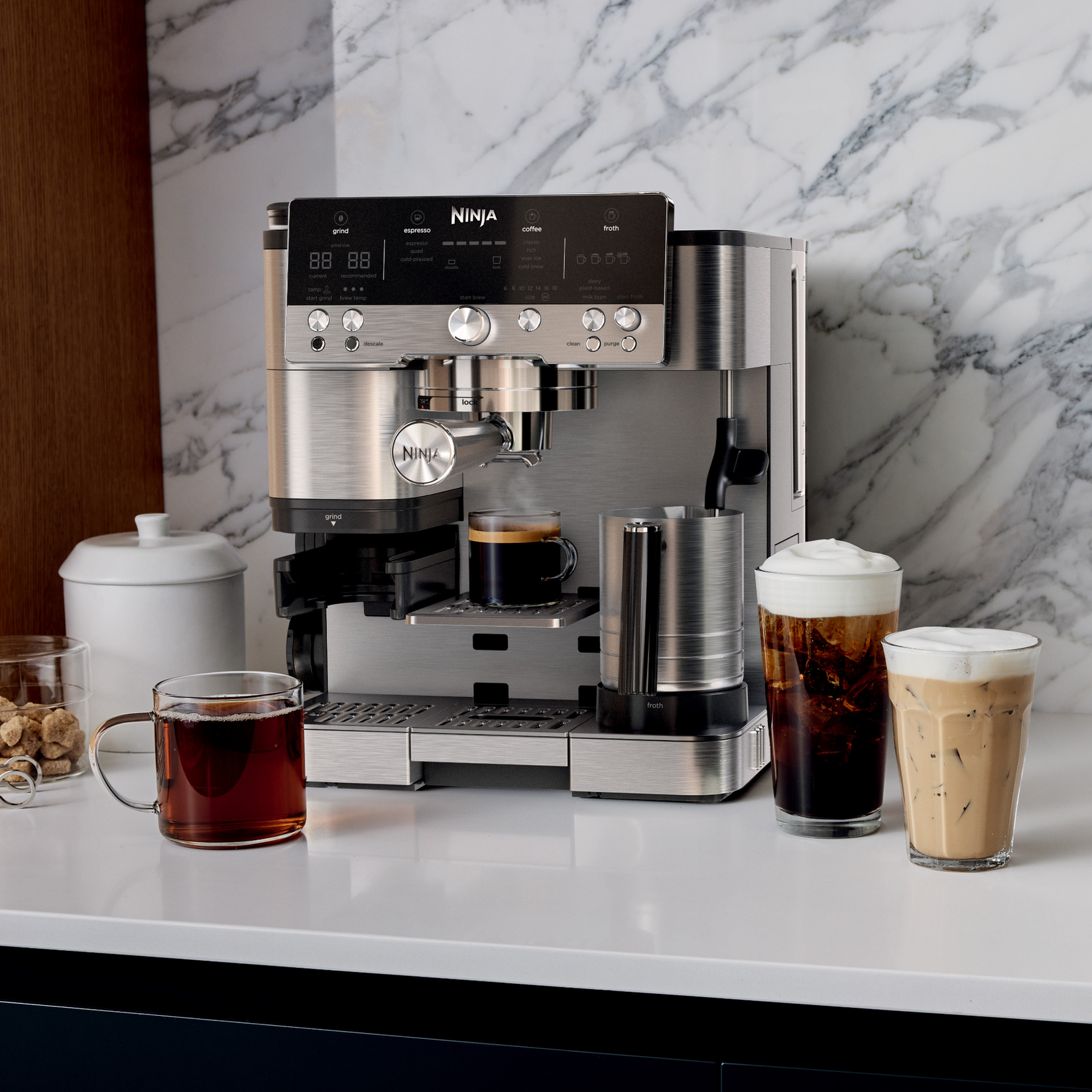
The Ninja Luxe Cafe shows this playing out directly. Its many parts and settings generated thousands of setup-related service calls in 2025. Instead of treating that volume as a cost to contain, SharkNinja built more interactive setup guidance in response.
The live calls, the feedback that reaches past the physical product, and the Luxe Cafe's overhauled setup process all describe the same habit: SharkNinja keeps paying attention long after a sale closes, and treats what it hears as usable information rather than background noise. Everything else in this story builds on that. A company that stops paying attention once a product ships is working with a fraction of the picture SharkNinja has.
For other businesses, that's a reminder that support tickets and complaint logs aren't just something to clear out quietly. They're one of the best ways to truly know what's broken, and what's working, once a product is out the door.
Look for Patterns, Not Individual Complaints

There's a real difference between paying attention to every customer and acting on every complaint: one frustrated review might just be a bad day, but a hundred nearly identical ones are something else.
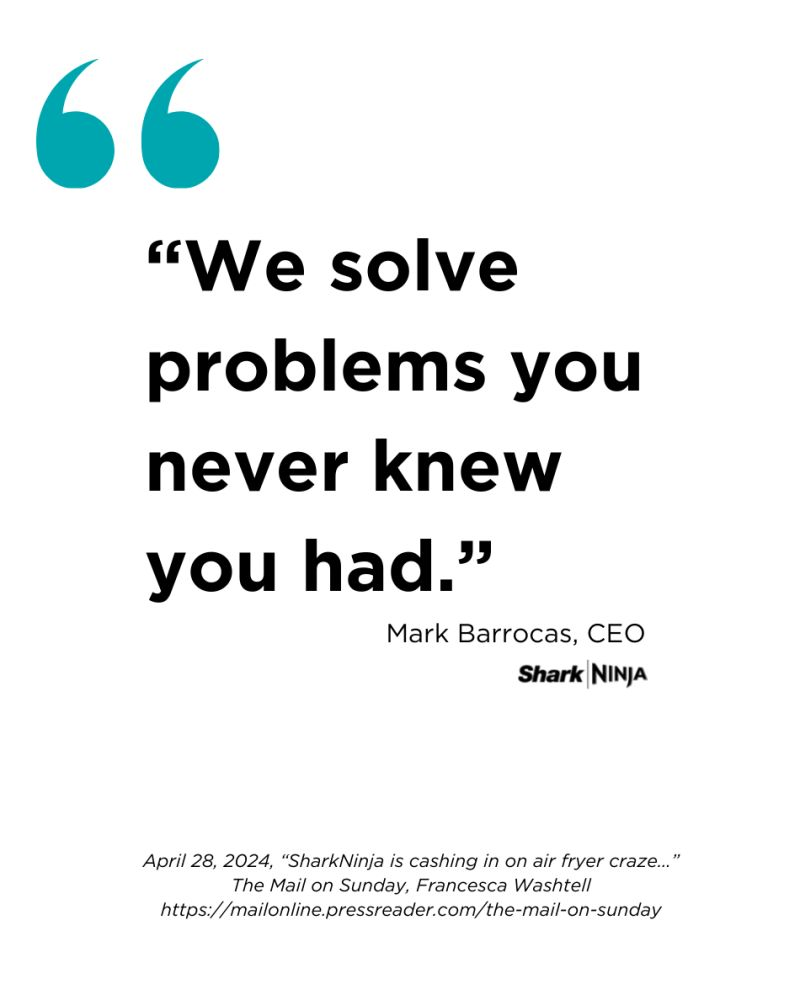
SharkNinja pulls input from reviews, customer service, social media, and how people use its products at home, giving it enough range to separate a one-off gripe from something recurring. Barrocas has described SharkNinja as consumer-first, with product development built around understanding what people need, not just reacting to a single complaint.
That same attention covers what customers do with a product that nobody at SharkNinja ever intended. Social teams track how people are using products after launch and pass those observations straight to marketing and product teams, insight that shapes more than what gets posted online.
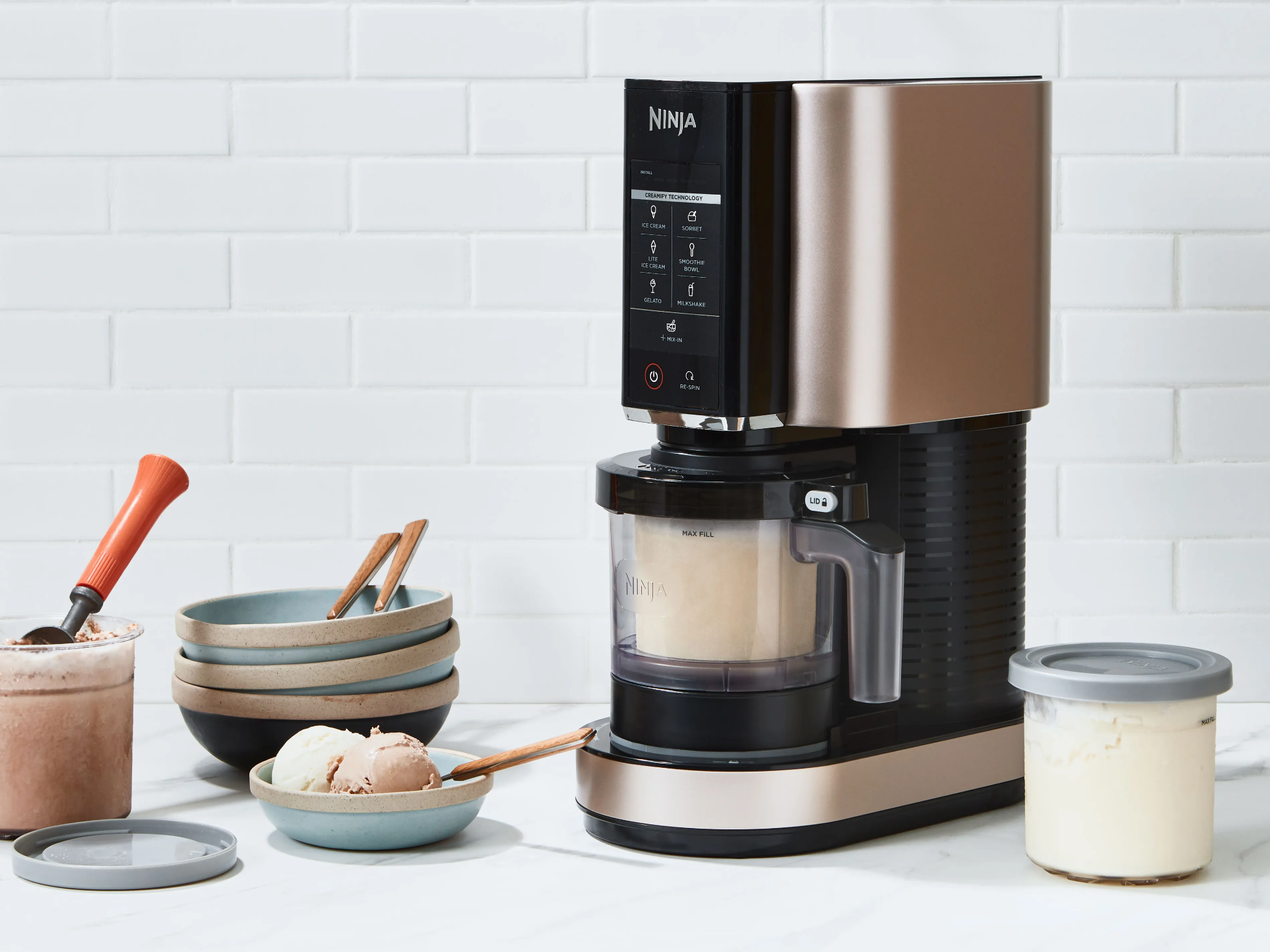
The Ninja CREAMi is a great example. Customers started building recipes SharkNinja hadn't planned for, like ones built around ingredients like spinach, and those unexpected uses gave the company a window into how people were finding value beyond the product's original pitch.
Reviews, service calls, and unplanned product uses all point to one discipline: noticing what keeps repeating. A single complaint might reflect one person's taste, but dozens of strangers describing the exact same frustration or the exact same workaround usually reveal something the product is missing.
The takeaway for other businesses has less to do with reacting to every note that comes in and more to do with tracking what keeps showing up across many of them. A pattern repeated by people who've never spoken to each other carries a lot more weight than any single review, good or bad, on its own.
Turn Those Patterns Into Better Products
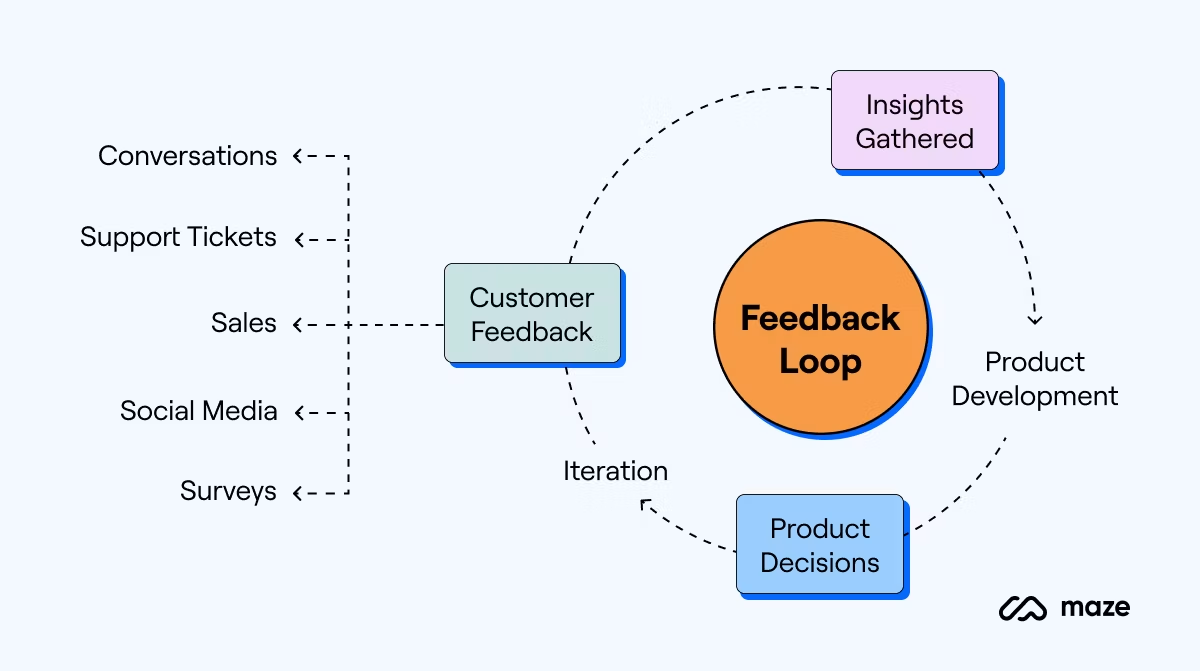
Spotting a pattern only matters if something changes because of it. SharkNinja built a direct connection between the people hearing customer feedback and the people designing the next product, so patterns don't just get recorded, they get built into what ships next.

SharkNinja has said its real goal is a five-star review, not a finished product, using customer response as a measure of whether a problem got solved rather than just a metric to track after launch.
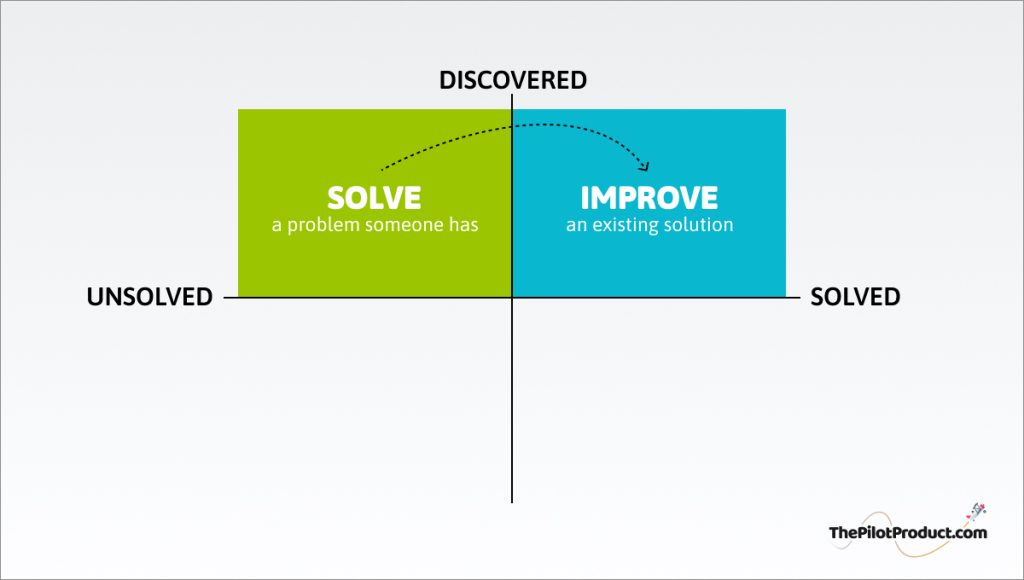
That same approach reaches well past fixing what already exists. A problem customers haven't solved yet can point directly to an entirely new product, occasionally an entirely new category SharkNinja hadn't touched before.
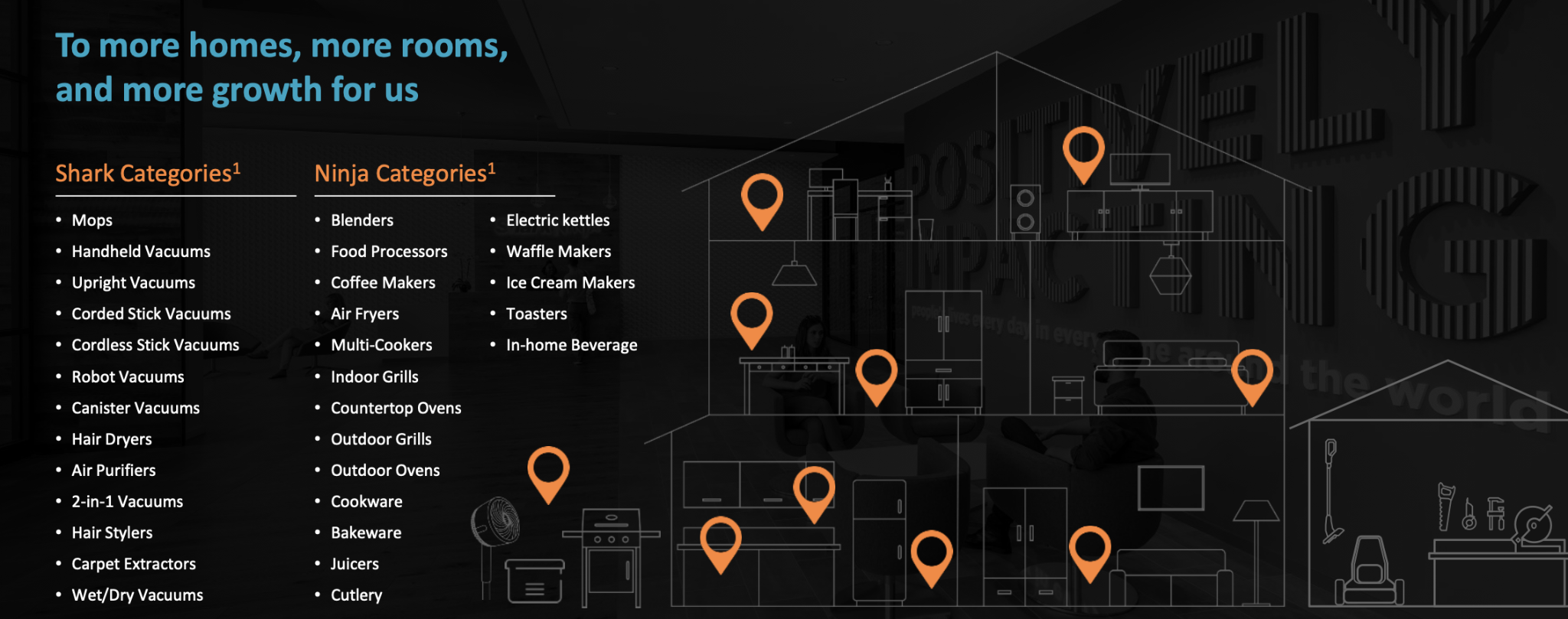
The scale of that expansion is hard to overlook. SharkNinja now spans 39 different product categories, covering cooking, cleaning, beauty, and more, a footprint built largely by chasing unsolved customer problems wherever they happened to lead.
The five-star standard, the habit of treating unmet needs as new-product opportunities, and the reach across 39 categories all circle back to one idea: feedback stops mattering the moment it just sits in a file somewhere. It has to travel from a customer's mouth to a designer's desk, and SharkNinja built its whole process to shorten that trip as much as possible.
Any business can build a smaller version of the same pipeline. The specific tool matters less than making sure complaints and offhand comments about a product actually reach someone with the power to change it, instead of stalling out at a support ticket nobody above that desk ever reads.
Main Takeaway
The live calls, the pattern-spotting across reviews and unplanned product uses, and the direct line from feedback to product design all trace back to one habit: SharkNinja never stopped treating its customers as a source of information, years after a product first launched.
That habit shows up in real numbers, 25 new products a year and 22.2% sales growth in a single quarter, while plenty of competitors selling similar appliances stayed flat. Luck had very little to do with that kind of growth. Continuing to ask, continuing to listen, and feeding what was heard back into what got built next did.
SharkNinja's size and its 39 product categories aren't the part worth copying. The habit underneath it is: paying attention to what customers keep saying, sorting the actual patterns from the noise, and changing something because of what gets heard, instead of letting feedback pile up unread.