


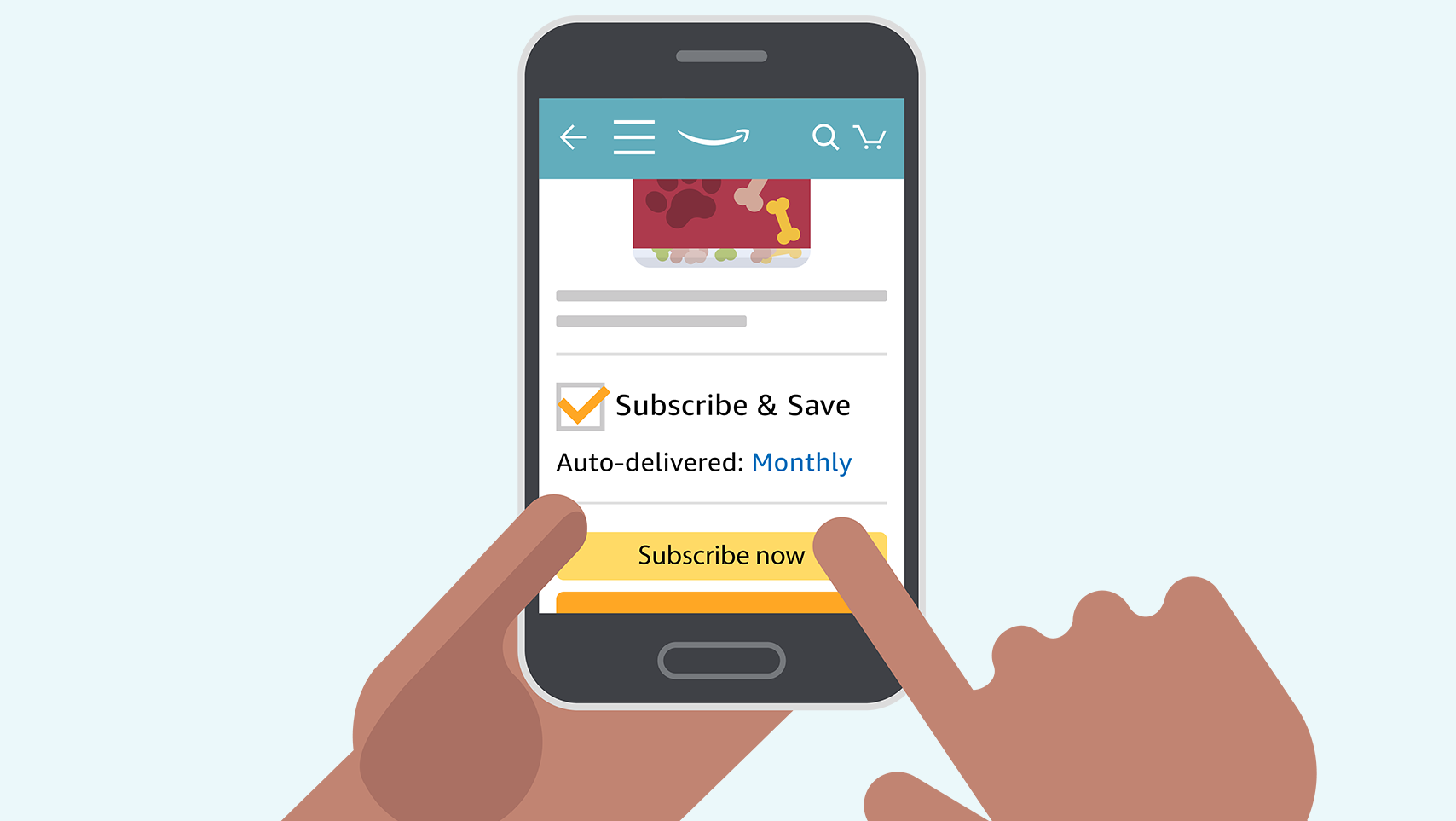
Even a loyal customer has to decide to buy again every time they run low, and each of those moments is a chance to forget, get distracted, or grab something from a competitor. Amazon’s Subscribe & Save is built to take that moment away.
Amazon introduced the program in 2007, and it has since grown to cover everyday products like coffee, diapers, and toilet paper. Customers choose a quantity and a schedule, and Amazon sends the order automatically, with tens of millions of subscribers worldwide as of 2023, according to the company.
The lesson here is simple: if people already need your product over and over, making the next purchase automatic means they never have to start the buying process from scratch.
Remove the Monthly Decision
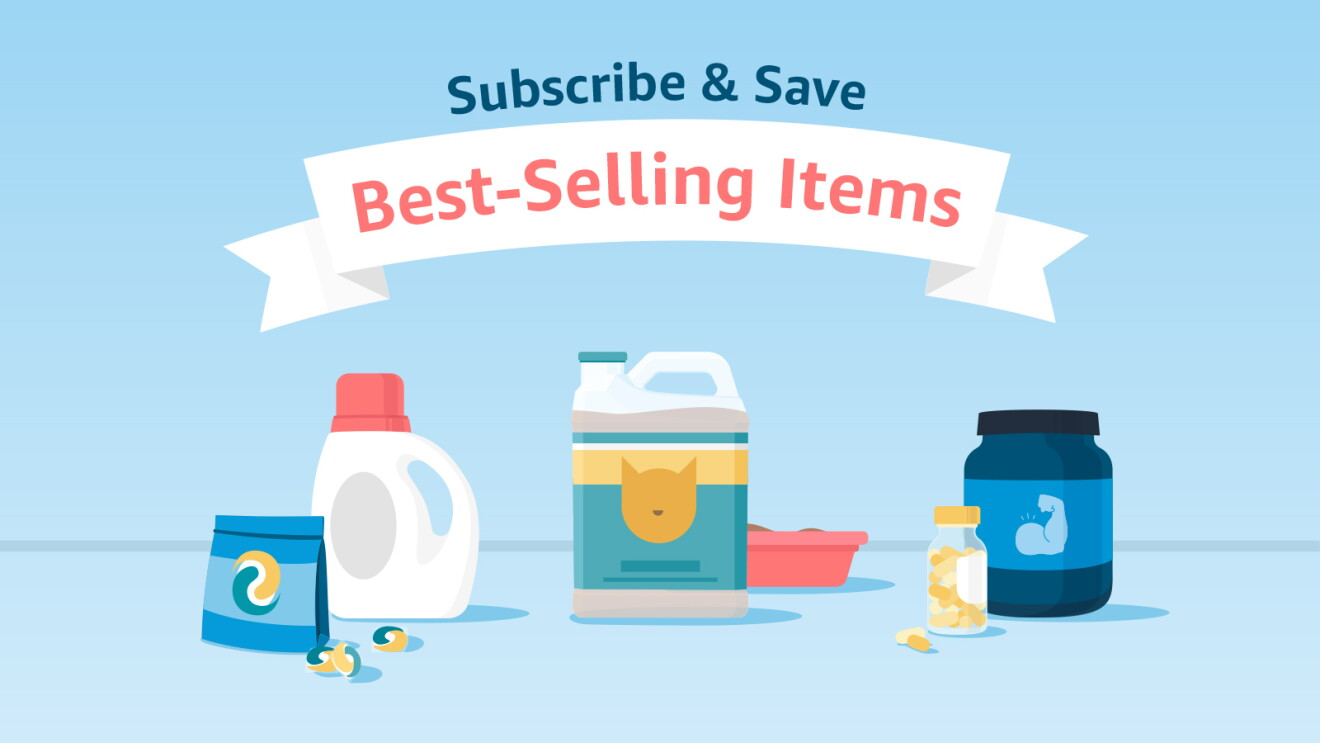
Amazon says customers can set up a recurring order from weekly to every six months. After that, the reorder arrives without them having to remember, search for the product, or check out again, which Amazon tells sellers means more repeat purchases with less time and effort.
The products are ordinary, which is probably the point. Laundry detergent, vitamins and supplements, and cat litter are among the program’s best sellers in the U.S., according to Amazon. People already knew they needed these things, so the work was in cutting out the small steps between running low and buying more.
Give Customers a Reason to Set It Up
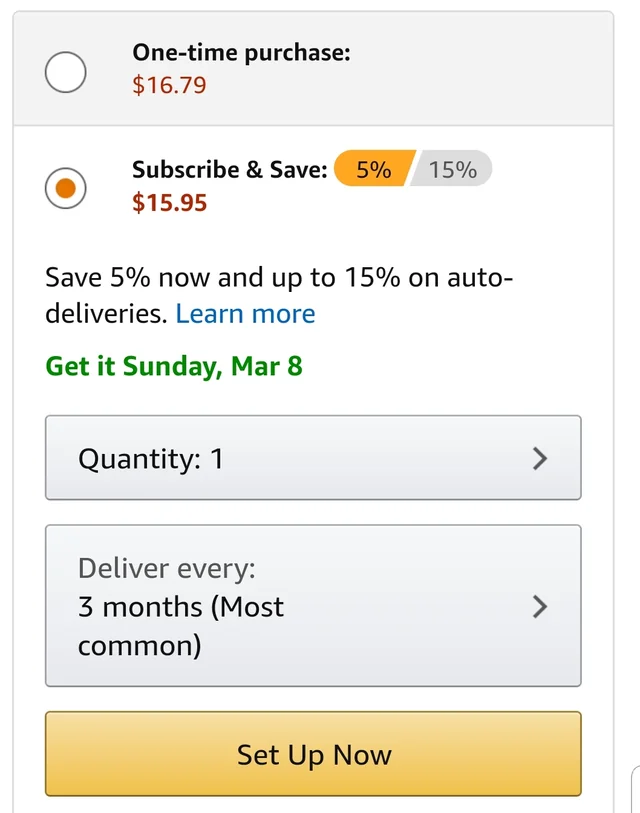
Switching to automatic is a decision in itself, so Amazon adds a discount to make it worthwhile. It covers 5% off orders with five or more subscription items, sellers can add another 5% or 10%, and products with a 10% to 15% discount can see up to a 1.8x increase in conversion on average, according to Amazon’s own internal data.
The discount seems to give people a reason to say yes once instead of every month. McKinsey’s 2018 research found that replenishment subscribers named convenience (24%) and value for the money (23%) almost equally as their top considerations, so the automation and the savings may work best as a pair.
Keep Customers in Control
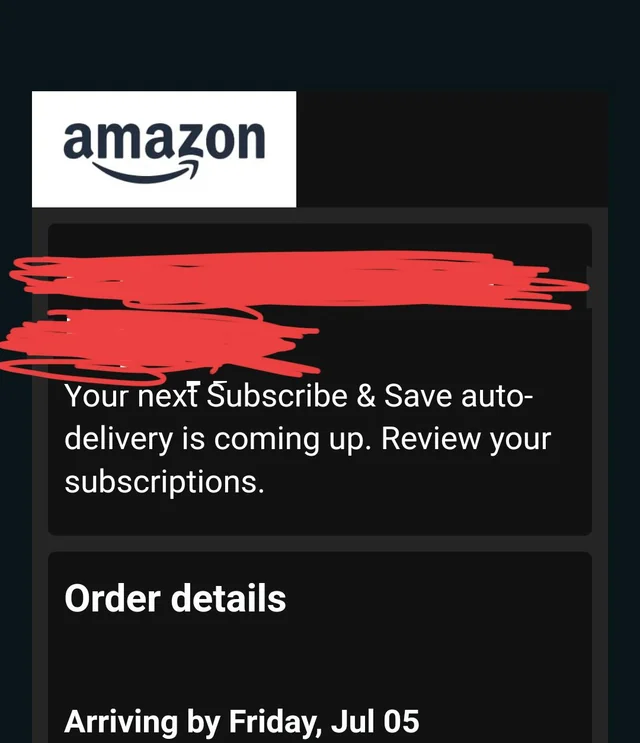
Before each delivery, Amazon sends a reminder email, and customers can skip, change, or cancel at any time with no fees.
That flexibility likely matters, since McKinsey also found that subscribers are more likely to cancel when products pile up or they can’t adjust order volumes. Nearly 40% of e-commerce subscribers have canceled a subscription, yet 45% of replenishment subscribers had stayed at least a year, and Amazon Subscribe & Save was among the services with the highest long-term subscription rates.
Takeaway
Put side by side, these pieces show how Amazon turned something customers needed again and again into something they no longer have to remember. Customers make the choice once, a discount gives them a reason to make it, and easy exits keep them comfortable letting it run, so loyal customers never have to start from zero.
If your business sells something people use up, a version of this could work for you too. It might take the form of subscriptions, scheduled refills, recurring appointments, automatic reorders, or reorder reminders, and it doesn’t require Amazon’s scale. A good place to start is asking where your customers keep repeating the same decision, then finding a way to make that next step easier. It tends to work best for products people reliably run out of.