



All Vansh Sobti wanted was a way to use a stress ball in public without anyone noticing. A homework assignment helped turn that wish into a company that made $10 million last year.
Back in 2021, Sobti was an undergraduate marketing student dealing with social anxiety. At home he leaned on stress balls and fidget spinners, but he didn’t want anyone to see him using them in public, since that would draw the attention he was trying to avoid. Around then, a class assignment asked him to combine two products into one, and one of the ideas he came up with was a hoodie with stress balls built into the cuffs.
He set the idea aside, came back to it a year later, and launched Cloud Nine Clothing in April 2023 with $5,000 of his own savings, according to Inc. Sobti, now 22, says the company made $10 million in annual revenue last year.
Between the assignment and that number came a year of waiting, months of prototyping, and a first year of sales that totaled just $75,000.
A Personal Problem Gives You a Clear Place to Start

Sobti knew exactly why stress balls and fidget spinners fell short for him in public, which gave him a clear picture of what he wanted to build.

The timing mattered, as Sobti told Inc. that the assignment came a couple of months after Covid restrictions were lifted, when his social anxiety was running high. With the problem that fresh, he could describe it exactly: a tool that works in private and falls short in public.

Before taking the idea any further, he checked whether something similar already existed. According to BCBusiness, he searched online for solutions and found a gap in the market, which in his case was a way to fidget without anyone noticing.
Checking first matters. Frustration can feel like a big deal when you’re the one experiencing it, but it’s worth checking whether the options available really fall short.

Sobti also figured he probably wasn’t the only person who wanted a solution. If he could see himself wearing the hoodie, other people might want one, too, so he made it for himself and hoped others would find it useful.
His earlier drop-shipping experiments had taught him a lot about selling products online. As he told Inc., “great products start with understanding people.” He’d learned that it’s easier to sell something when customers can recognize the problem it solves. That’s the advantage of starting with a problem you’ve lived with: you can already picture who else would recognize it.
The assignment gave him a reason to think about the idea, but his own experience gave him a reason to come back to it. Businesses looking for ideas could start with the little workarounds people use every day. Maybe there’s a tool that almost does the job, a process everyone complains about, or a task that always seems harder than it should be. Those frustrations can be useful clues.
Give the Idea Time and a Small Budget

Cloud Nine needed time, a small budget, and a slow first year before it took off.

After the assignment, Sobti shelved the idea. About a year later, during another bout of anxiety, he found himself thinking about it again and decided it might be worth pursuing.
Coming back to it is a good sign. The original assignment was long over, but the problem was still there.
When he finally got started, Sobti put $5,000 of his own savings into the business, most of it earned through his earlier drop-shipping ventures. According to Inc., nearly all that money went toward prototyping the hoodie. BCBusiness reports that he spent six months developing prototypes before launching in 2023. Cloud Nine has remained fully bootstrapped.
That meant keeping his initial investment focused on getting the product right, rather than spending heavily on other parts of the business before the hoodie was ready.
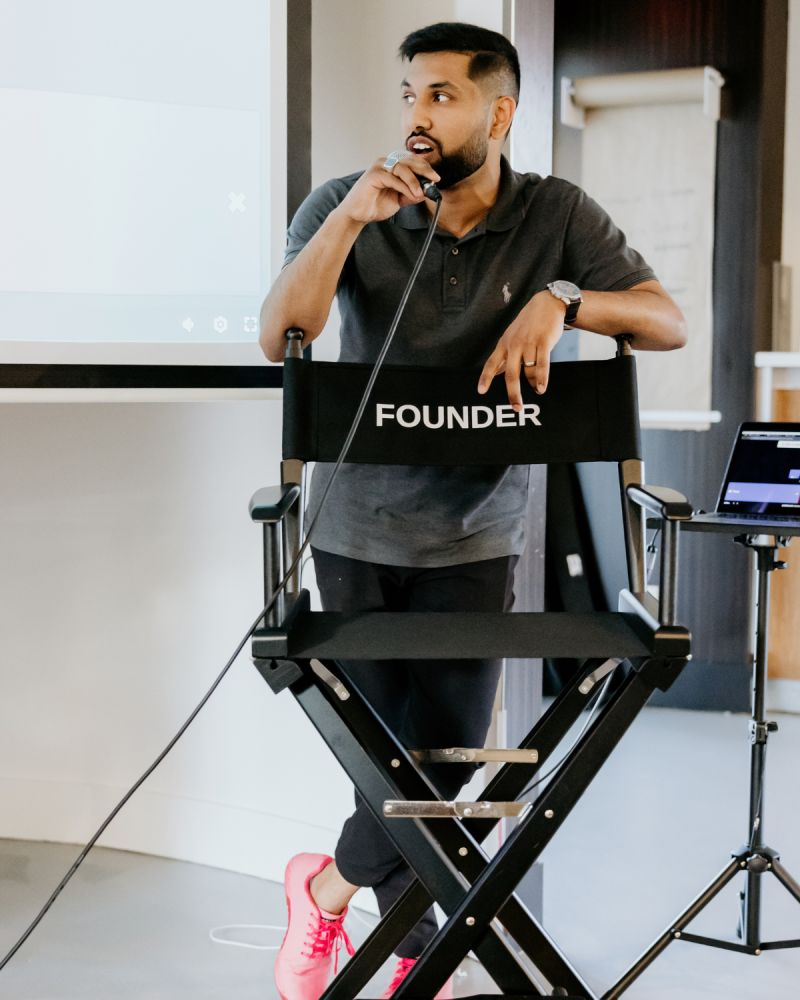
The first year was slow. Cloud Nine brought in just $75,000 in revenue, and Sobti says, “If it were anyone else, they would have just quit.” Sobti had a personal reason to believe the hoodie was worth making, which may have helped him stick with it when sales were slow.
The jump from a classroom assignment to a $10 million business makes more sense when you look at what happened in between. Sobti gave himself time to revisit the idea, spent a relatively small amount getting the product ready, and kept going through a slow first year.
It can pay to let a promising idea sit for a while and see whether it still feels useful later. If it does, a small test can help you figure out whether there’s something there before you commit more time and money.
Once the hoodie was out in the world, Sobti had a bigger question to answer: Did other people want it as much as he did?
Other People Share the Frustration, Too
View this post on Instagram
Cloud Nine’s growth suggests the answer was yes: plenty of other people wanted it, too.
After bringing in $75,000 in its first year, the company reached $700,000 in revenue in 2024. Word of mouth and a growing online presence helped it gain traction, and Sobti says revenue passed $10 million in 2025. According to Cloud Nine’s own blog, a TikTok showing the idea went viral, catching the team by surprise.
Before long, a hoodie designed around one person’s needs was reaching a much bigger audience.
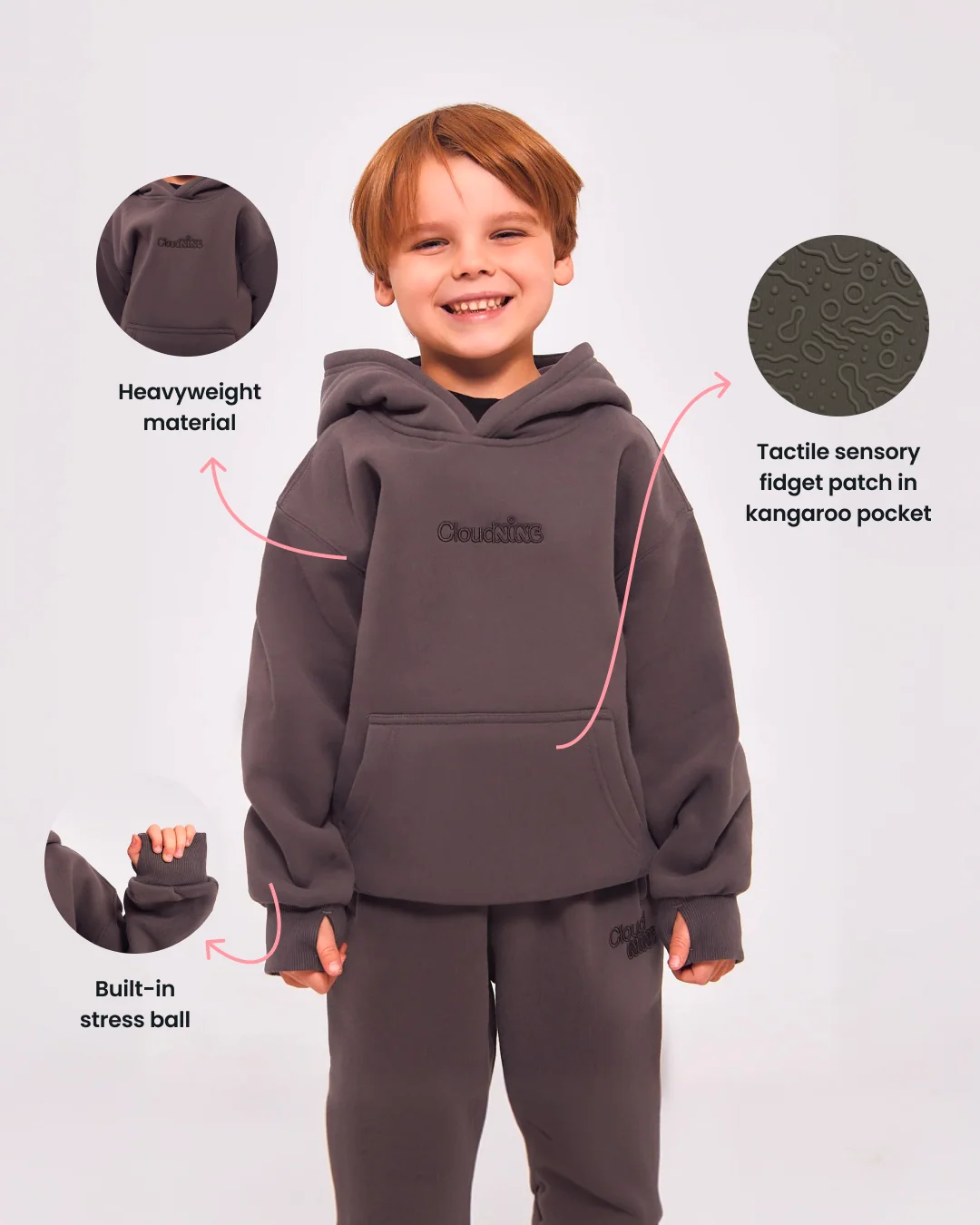
Some of that audience came from beyond people like Sobti himself. He told BCBusiness that the company receives plenty of emails from parents, teachers, and therapists recommending the product.
That kind of response suggests the hoodie works in situations different from his own. A student might want something discreet to fidget with in class, while a parent or therapist might be looking for ways to help someone else feel more comfortable.
Customer feedback has also influenced what Cloud Nine makes. Sobti told AnnKM that he started with what worked for him, then adjusted the placement and features based on how customers used the hoodie and what they wanted, including zip-up styles.
Cloud Nine has since expanded into sweatpants, zip-up sweaters, and sweat shorts. Sobti now sees the business as a sensory brand, recognizing that different people need different kinds of stimulation. He’s also interested in adding features such as soundproofing in the hood.
His own experience gave him the first idea, but customer feedback is helping him figure out what the brand could become.
The growth, the emails, and the expanding product line all point to the same thing: a wish that started with one student turned out to be something plenty of other people wanted too. Once they started buying, they gave him a better sense of what else might help.
A first idea can start narrow: begin with a problem you understand, see who else connects with the solution, and pay attention to what those customers ask for. Their feedback might reveal opportunities you hadn’t considered.
Main Takeaway
Cloud Nine started because Sobti wanted a better way to manage his anxiety in public. He found a gap in the market, took his time developing the product, and kept going through a slow first year. Eventually, customers who shared his frustration helped turn the idea into a much bigger business.
Anyone looking for their next idea could start with things they wish existed for their own struggles. If you wish something worked a little better, there’s a chance other people feel the same way. Check what’s already available, test your idea without spending more than you need to, and listen to the people who try it. You might find that a situation you thought was yours alone is shared by a much bigger audience.
Looking Ahead
I think we’ll see more businesses grow out of personal workarounds, especially as social media makes it easier to find other people dealing with similar situations. A founder can start with a problem they understand and quickly discover whether there’s an audience for the solution.
I’m curious to see how Cloud Nine develops as it explores retail and adds to its product line. It started with one very specific, personal need, and holding onto that focus while serving customers with different sensory needs seems like the tricky part.