



Many service businesses grow by taking on more clients. But more clients usually mean more projects, more deadlines, and more hours spent doing the same work. Liz Wilcox found a way to grow without relying entirely on that cycle.
Wilcox was working as a copywriter when she realized she had already built a valuable collection of email newsletters and templates through her regular client work. Instead of continuing to sell her writing services one project at a time, she turned those resources into a $9-per-month Email Marketing Membership.
She reached 100 customers in 28 days, eventually grew to approximately 4,500 members, and built the business to roughly $500,000 in annual revenue, according to Inc.
Wilcox’s story shows how founders can find new business opportunities in work they’ve already done, rather than constantly creating something new.
Your Existing Work Might Already Be a Product
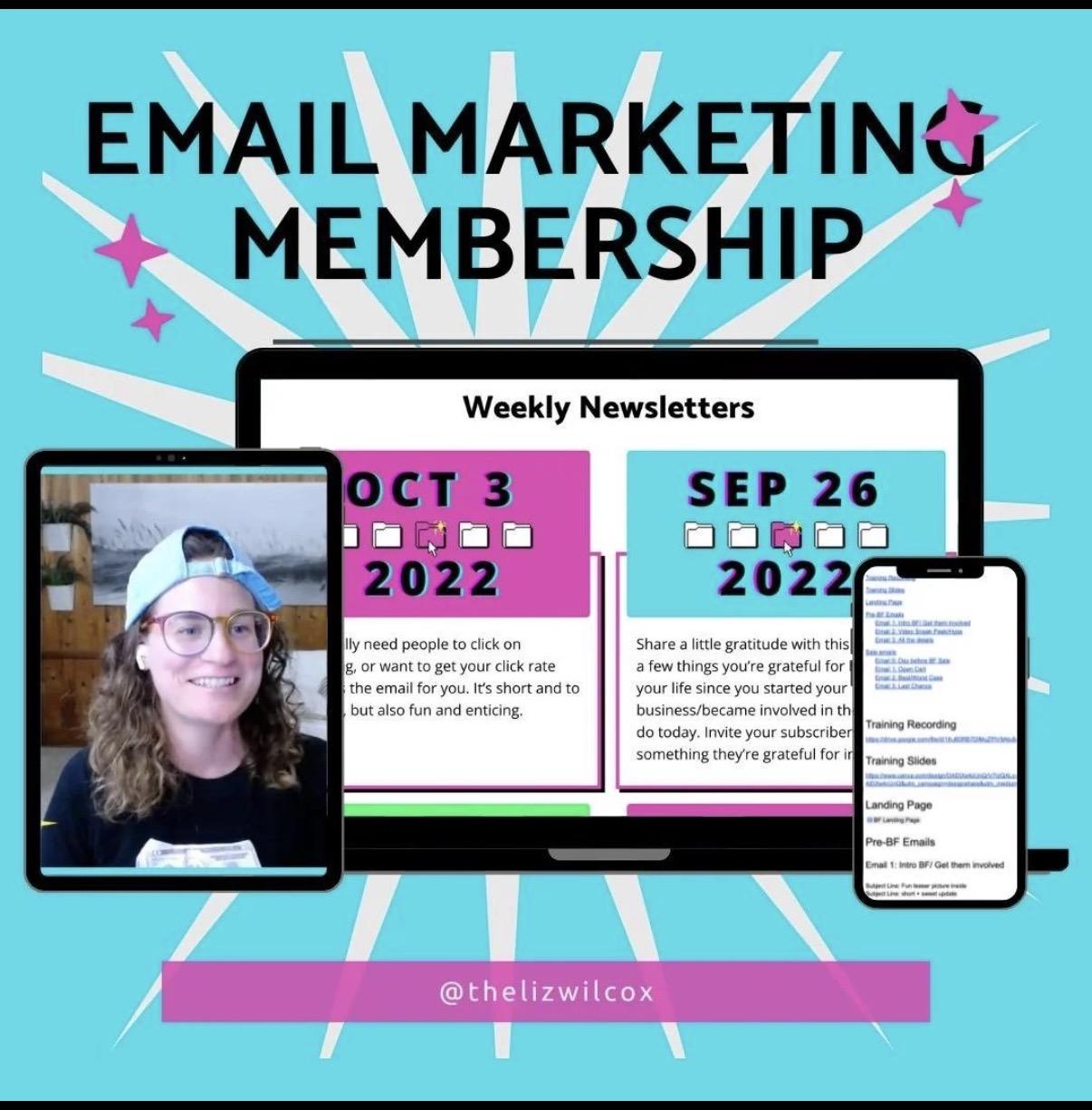
The first step toward building a new product doesn’t always involve coming up with a completely original idea. Sometimes, the opportunity is hidden inside the work you already do.
Wilcox had spent years writing email newsletters for clients. Through that work, she developed a collection of templates and examples that helped businesses communicate with their audiences. Instead of treating every newsletter as an isolated project, she recognized that the underlying work could be useful to more people.

Email marketing is a recurring responsibility for many businesses, but knowing that you should send newsletters and knowing what to write are two different problems. Business owners may understand the value of staying in touch with their audiences while struggling to find the time or words to do it consistently.
Wilcox’s existing work addressed that problem. Her templates gave business owners a starting point they could adapt to their own businesses instead of having to write every email from scratch.
That distinction created an opportunity to serve customers who needed help with email marketing but didn’t necessarily need a copywriter to handle every assignment. The solution was already something Wilcox knew how to produce. She simply had to find a way to package it for a different audience.
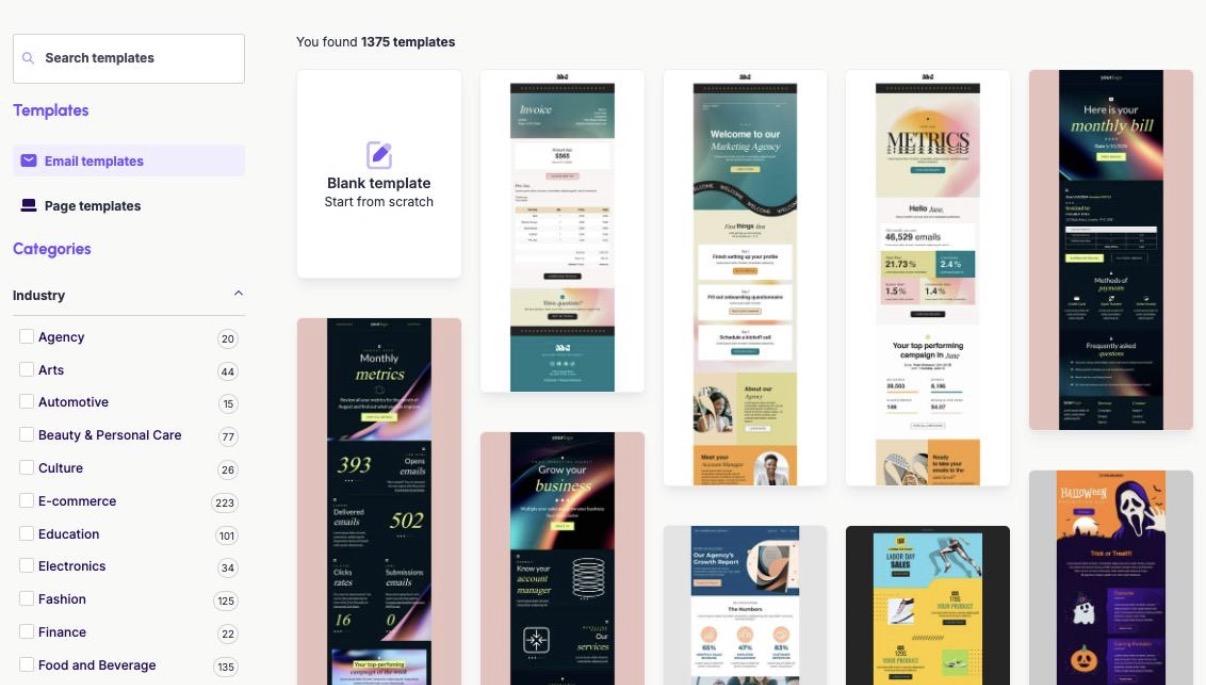
Wilcox eventually turned that collection of resources into a membership that provided customers with new email templates each week. Rather than selling each piece of copy as an individual project, she made the material available through a recurring subscription.
This changed how she could use her expertise. The work she had already completed became the foundation for a product that could continue providing value to new customers.
For founders, this is worth considering when evaluating opportunities for growth. If you repeatedly create similar reports, answer the same questions, build similar marketing materials, or solve the same customer problems, you may already have the foundation for a product.
The important step is identifying which parts of your work can be reused without losing their value. You don’t need to turn every service into a digital product. You need to recognize when something you’ve already developed could solve the same problem for more than one customer.
Change How You Sell Your Expertise
Recognizing that your work can be reused is only the beginning. To turn that work into a business, you also need to change how you sell it.
Traditional copywriting ties revenue to individual assignments. A client pays for a project, the writer completes the work, and the next sale requires another client and another project. Wilcox’s membership created a different model.
Wilcox priced her Email Marketing Membership at $9 per month. Members received access to weekly newsletter templates, giving them an affordable way to use her expertise without hiring her for individual writing assignments.
The price also lowered the barrier to trying the product. A business owner who couldn’t justify hiring a copywriter might still be willing to spend $9 a month for resources that made email marketing easier.
That allowed Wilcox to reach a different segment of the market. She wasn’t simply offering a cheaper version of her original service. She was changing the format so customers could access the parts of that service they needed most.
Wilcox set an initial goal of acquiring 100 members within 30 days. She reached that goal in 28 days, demonstrating that customers were willing to pay for the offer.
That early milestone mattered because it provided evidence of demand. Rather than spending years building an extensive product before finding out whether people wanted it, Wilcox launched a relatively simple membership and used customer response to validate the idea.
For founders, this is an important distinction. A product doesn’t need to be complicated to be valuable. If it solves a clear problem, a straightforward offer can be enough to establish whether there is a market for it.
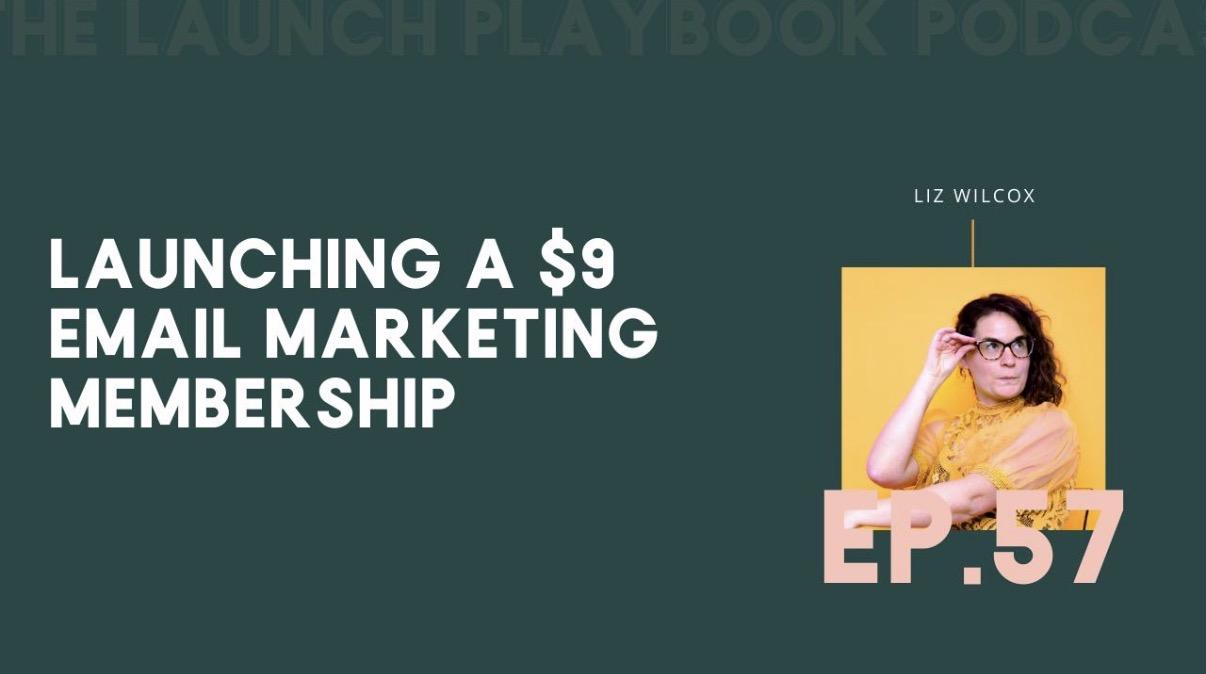
According to Inc., the membership eventually grew to approximately 4,500 members and around $500,000 in annual revenue.
The model made that growth possible without requiring a separate custom-writing project for every customer. Wilcox could distribute the same core resources to multiple members, allowing revenue to grow beyond the number of individual client assignments she could complete.
That doesn’t mean a membership requires no ongoing work. Wilcox still needs to create resources, support customers, and maintain the product. The difference is that the work can benefit many customers at once.
For businesses, the broader lesson is to consider whether your expertise can be packaged into templates, guides, training materials, or subscriptions. A productized version of your service can reach customers who need your knowledge but don’t need the full individualized experience.
Build a System That Helps the Product Reach More People
A reusable product creates the potential to serve more customers, but it still needs a way to reach them. Creating something once doesn’t guarantee that people will discover it, understand its value, or decide to buy it.
Wilcox developed ways to promote her membership beyond the customers she could reach through her individual copywriting work.
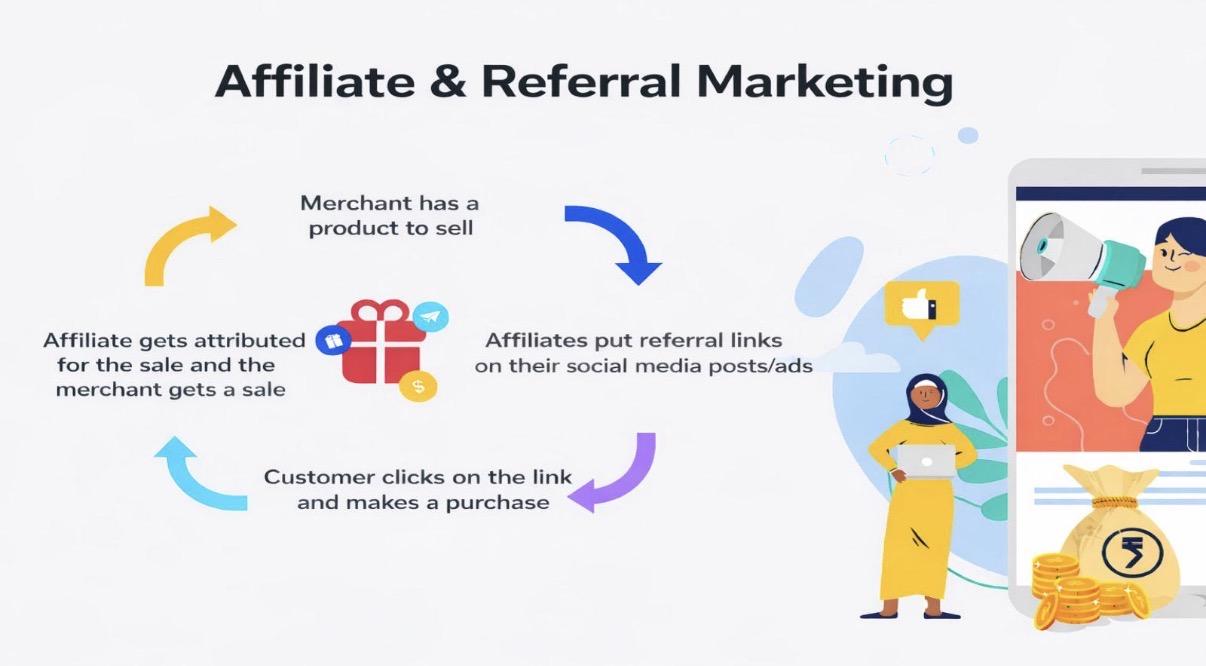
One approach was affiliate marketing. By giving partners an incentive to recommend the membership, Wilcox could reach potential customers through people who already had relevant audiences.
This changed how the product could spread. Instead of relying entirely on her own promotion, she could benefit from recommendations made by other creators and business owners. Affiliates had a reason to introduce the product to people who might find it useful.
The approach also connected the product to a specific customer need. Someone who regularly follows marketing advice or entrepreneurship content is more likely to understand why email templates could be valuable than someone with no interest in running a business.
For founders, this illustrates how partnerships can help a product reach people who are already interested in the problem it solves. A business doesn’t always need to build a large audience from scratch. It can identify relevant communities, complementary businesses, or creators who already have the attention of its potential customers.
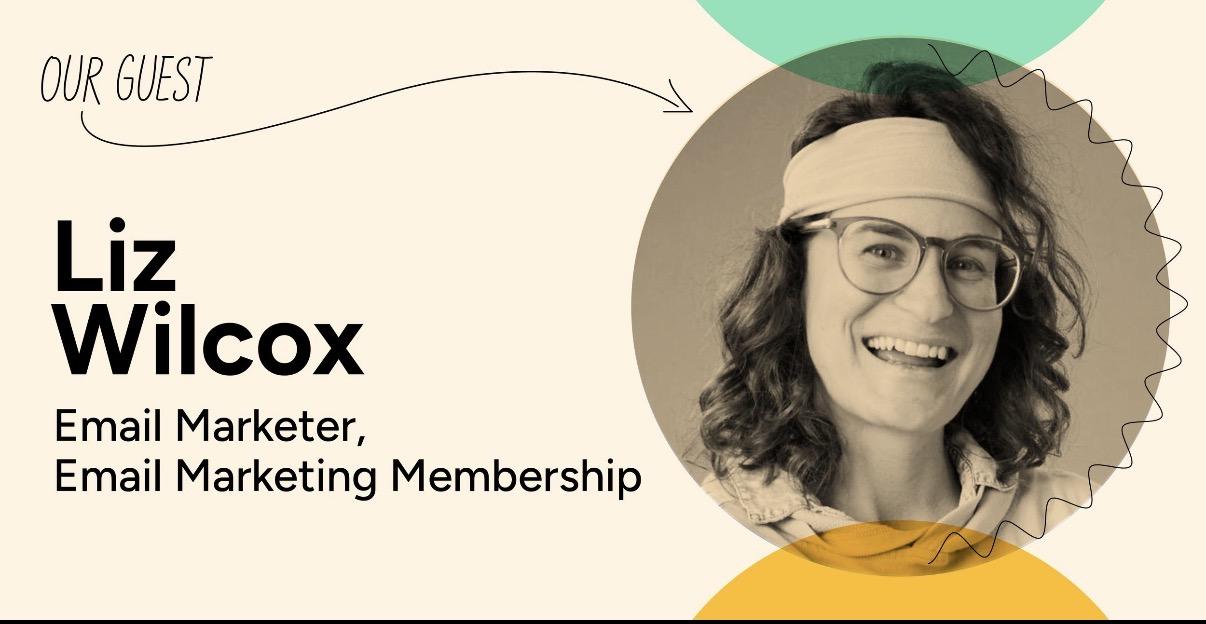
Wilcox also used podcast appearances to share her expertise with audiences interested in marketing and online business.
These appearances gave her opportunities to explain how email marketing works, discuss the problems business owners face, and introduce her approach to solving them. Rather than relying exclusively on direct promotion, she could demonstrate her knowledge in conversations that provided value before asking listeners to buy anything.
That matters because customers often need to understand a product before they recognize why they should pay for it. By teaching people about email marketing, Wilcox could help them identify problems in their own businesses and see how her membership might help.
For other founders, educational content can serve a similar purpose. A consultant could share practical advice about a recurring client problem. A software company could demonstrate how its product saves time. A designer could publish examples that show how a particular design decision improves a website.
The goal is to help potential customers understand the problem and recognize the value of the solution before they reach the point of purchase.
Wilcox also used email marketing and free resources to connect with potential customers. Free templates could introduce people to her approach, while her email list gave her a way to continue communicating with interested readers.
This created a natural relationship between her marketing and her product. The free resources demonstrated the kind of help customers could expect, while the membership offered a more consistent collection of tools for people who wanted ongoing support.
Her strategy also reflected the expertise she was selling. Wilcox used email marketing to promote an email marketing product, giving potential customers an example of the channel’s usefulness.
For founders, the lesson is that product development and distribution need to work together. A reusable product reduces the need to recreate the core deliverable for every customer, but the business still needs a repeatable way to attract new buyers.
That could mean building an email list, developing partnerships, publishing educational content, or encouraging customer referrals. The best approach depends on where your audience already spends time and how they prefer to discover solutions.
Main Takeaway
Liz Wilcox’s story shows how businesses can grow by turning existing work into something they can sell repeatedly. She recognized that her email templates could solve a recurring problem for other business owners, packaged her expertise into an affordable membership, and developed ways to reach customers beyond her original client base.
The three lessons work together. Existing work provides the raw material for a product. A different business model allows that product to serve more customers. A repeatable distribution strategy helps it reach enough people to support the business.
For founders, the opportunity is to look at the work they keep doing over and over. If the same solution helps multiple customers, consider whether you can turn it into a template, guide, tool, or membership instead of starting from zero every time.
You don’t necessarily need an entirely new idea to create another revenue stream. Sometimes, you need to recognize the value in something you’ve already built and find a better way to deliver it.
Looking Ahead
As businesses continue exploring digital products and recurring revenue, packaging existing expertise can provide a practical way to grow without increasing custom work at the same rate.
The challenge is deciding what can be standardized and what still requires individual attention. A template may solve a common problem, but customers may still need customization, guidance, or specialized support. The strongest model depends on understanding which parts of the service customers can handle themselves and which parts they value having done for them.
Wilcox’s experience suggests that founders should examine their existing work before assuming growth requires an entirely new product. Old client projects, frequently asked questions, reusable processes, and repeated deliverables can all reveal opportunities.
The next business idea may already exist in the work you’re doing today. The opportunity is to recognize when something created for one customer can solve the same problem for many others.