



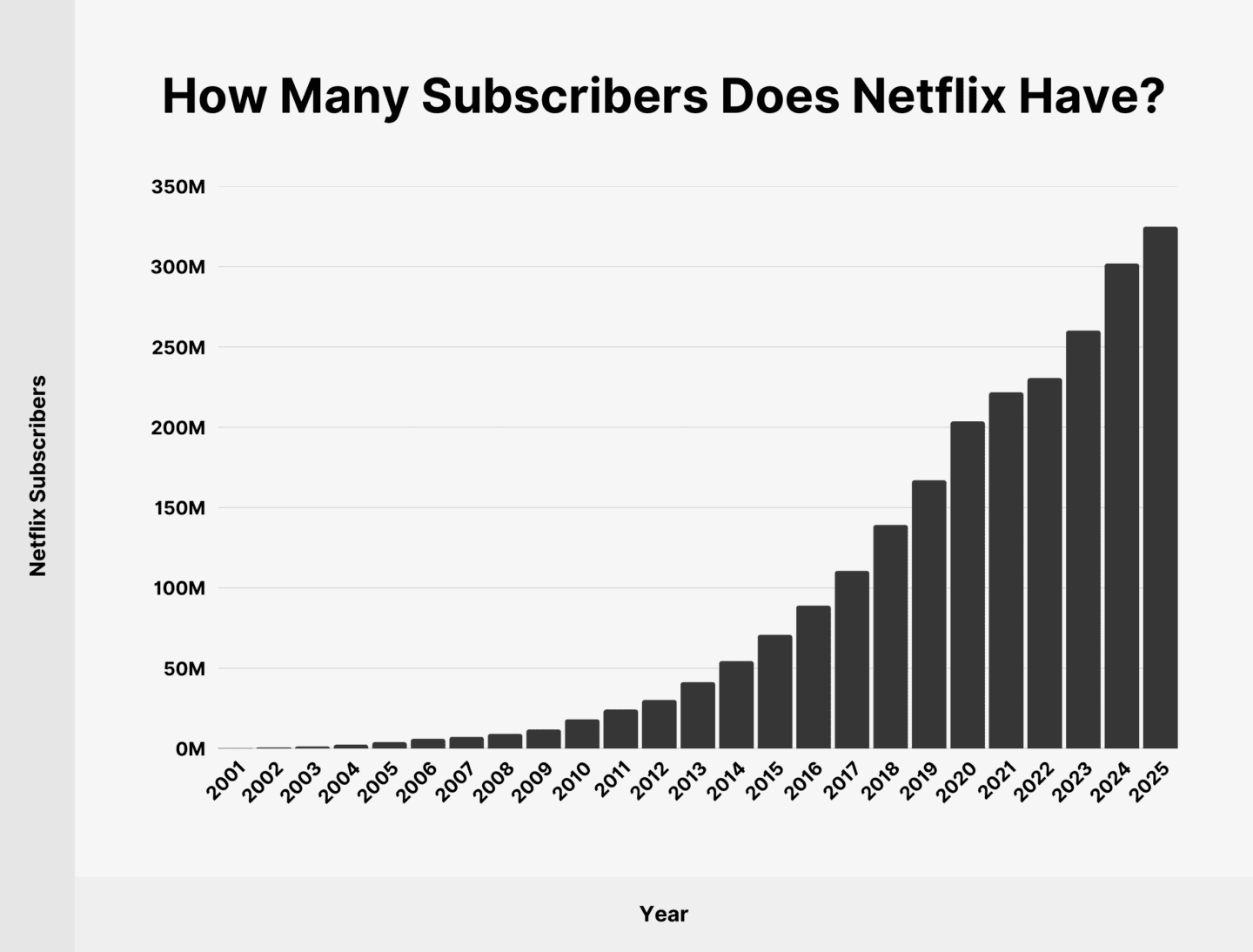
Popular shows might get someone to subscribe to Netflix, but the company's bigger advantage is giving customers plenty of reasons to keep the subscription. Its unusually low churn shows how much a business can gain when customers keep paying instead of constantly being replaced by new ones.
Netflix has built one of the strongest positions in streaming by combining a steady stream of content with an experience that keeps adapting to its audience. According to data from Antenna cited by Business Insider, Netflix's monthly churn has historically hovered around 2%, compared with roughly 5.3% across its competitors. Keeping that many customers month after month gives Netflix a much more stable base to build on.
The Best Customer Is Often the One You Already Have
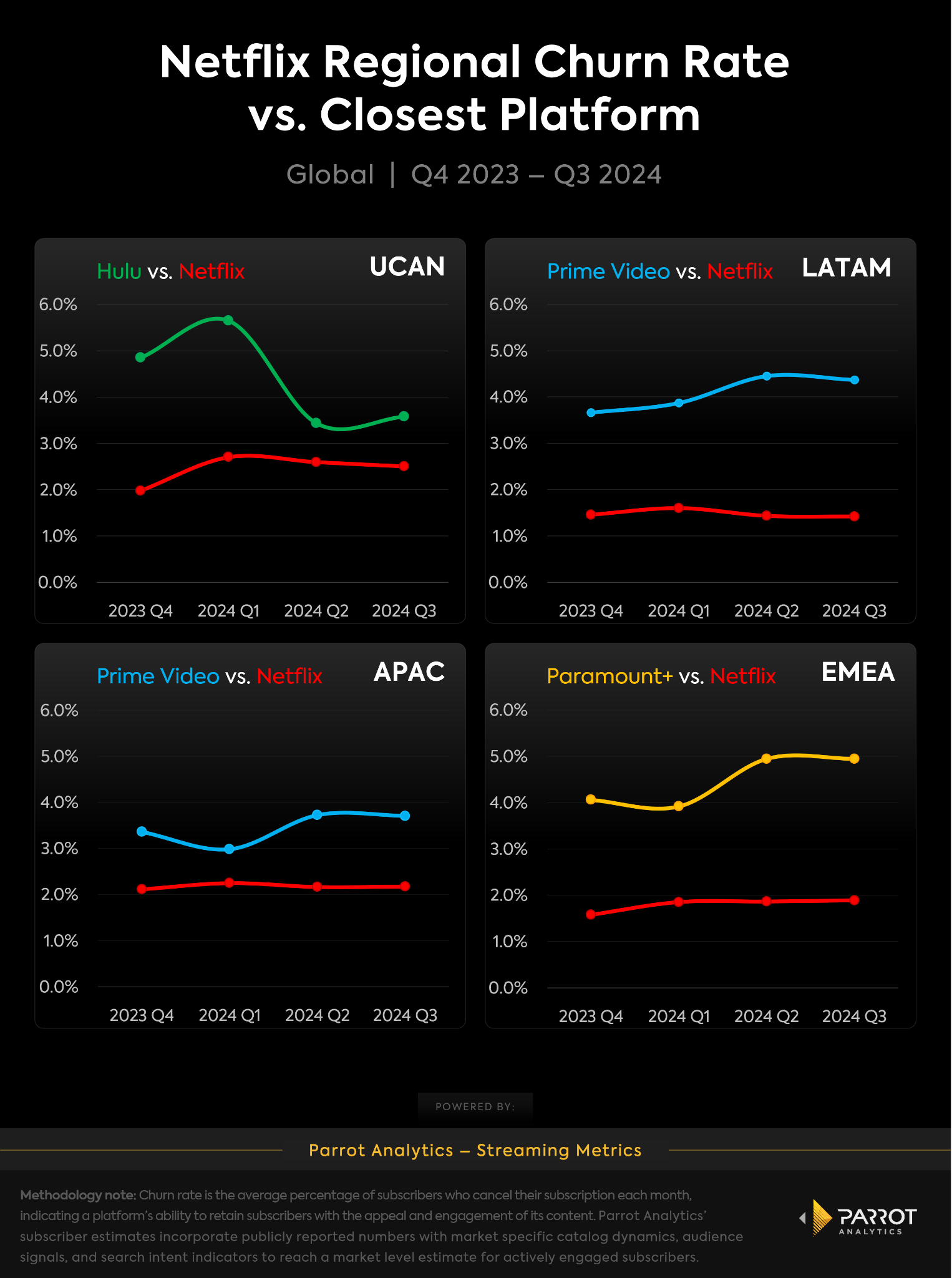
(this image is from 2024; just an example of how much lower Netflix’s churn is)
Netflix's roughly 2% monthly churn rate gives it an advantage that goes beyond streaming. Competitors with higher churn have to keep finding new subscribers just to replace the people canceling, which means more time and money spent chasing growth that doesn't necessarily add to the bottom line.
Harvard Business School describes this problem as a "leaky bucket": when too many customers leave, businesses spend their resources replacing them instead of building on the relationships they've already created. Salesforce found that 61% of small and midsize businesses say repeat customers generate more than half of their revenue, showing why keeping people around can have a much bigger impact than simply adding more names to the customer list.
Netflix Gives People Something to Come Back To
View this post on Instagram
A big part of Netflix's retention strategy is surprisingly simple: there's usually something new waiting when subscribers open the app. New shows, movies, recommendations, and returning favorites give customers a reason to keep checking in rather than letting the subscription sit unused, and even Netflix's marketing reinforces that habit. At the end of each month, the company highlights what's coming to the platform the following month, giving subscribers a preview of what they'll have to look forward to next.
Netflix figured out the importance of this kind of ongoing value early. When the company was still focused on DVDs, customer data showed that people preferred an unlimited rental model, prompting Netflix to change the service around what subscribers actually wanted. The same idea can work for smaller businesses through useful content, new products, exclusive resources, loyalty perks, or follow-ups that help customers get more from what they've already purchased.
Personalization Keeps Customers From Getting Lost
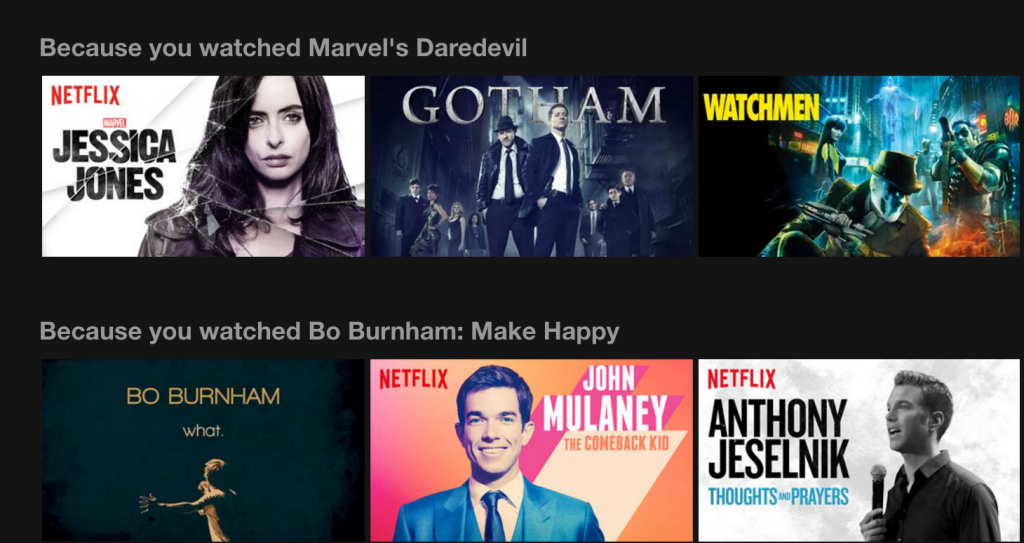
Netflix has an enormous amount of content, but it doesn't expect every subscriber to sort through all of it. The platform uses viewing history, searches, watch time, and other behavior to decide what each person is most likely to enjoy. Netflix has even created different versions of promotional trailers based on which characters or storylines appeal to particular audiences.
That makes a huge catalog feel much easier to navigate. A small business can create the same feeling without Netflix's technology by remembering past purchases, tailoring messages to customer interests, or noticing when someone stops engaging. Those small details can make the experience feel more relevant and give customers another reason to choose the same business again.
Takeaway
Netflix's retention strategy works because several things reinforce each other: customers have a steady stream of reasons to use the service, the experience gets tailored to their interests, and the company pays attention to what keeps people subscribed. That combination helps explain why Netflix has historically lost customers at a much lower rate than its competitors.
For founders, the bigger lesson is to look beyond the first purchase. A business becomes much stronger when customers keep finding value after they've already signed up, bought something, or walked through the door.
As acquiring new customers becomes more competitive and expensive, giving existing customers a reason to stay could become one of the most valuable growth strategies a business has.