



When one company already dominates a market, trying to become a smaller version of it rarely works. Anthropic's the perfect example of what a challenger can do instead, find something customers actually value that the market leader doesn't already own, and build the whole business around that instead of going head-to-head.
Context
Anthropic got started in 2021, founded by seven former OpenAI employees, including siblings Dario and Daniela Amodei, who'd become genuinely worried that scaling AI without enough attention to safety and alignment was a real risk. That alone was a tough spot to compete from, up against a company with years of research, funding, and name recognition already locked in.
Then things got even more difficult: OpenAI launched ChatGPT in November 2022, and within months, "chatbot" basically just meant OpenAI to most people. That proved something Anthropic would have to work around from day one: a smaller competitor usually can't win by offering the same thing as the market leader with fewer resources and less recognition. It has to give customers a different reason to choose it.
Don't Beat the Leader at Their Own Game
Anthropic never truly tried to out-hype ChatGPT. Instead, from the very beginning, the company built its whole identity around AI safety, alignment, and responsible development, none of it tied to who had the flashier demo or the bigger headline. That gave customers, employees, and investors a real reason to pay attention to Anthropic, one that had nothing to do with whether Claude could out-feature ChatGPT.
Rather than fighting OpenAI on ground OpenAI already owned, Anthropic went and found different ground entirely, exactly the move the opening statement is pointing at. But saying you care about safety doesn't count for much if nobody actually believes you, and that's exactly the problem the next few years would have to solve.
Turn That Difference Into Something Customers Can Recognize
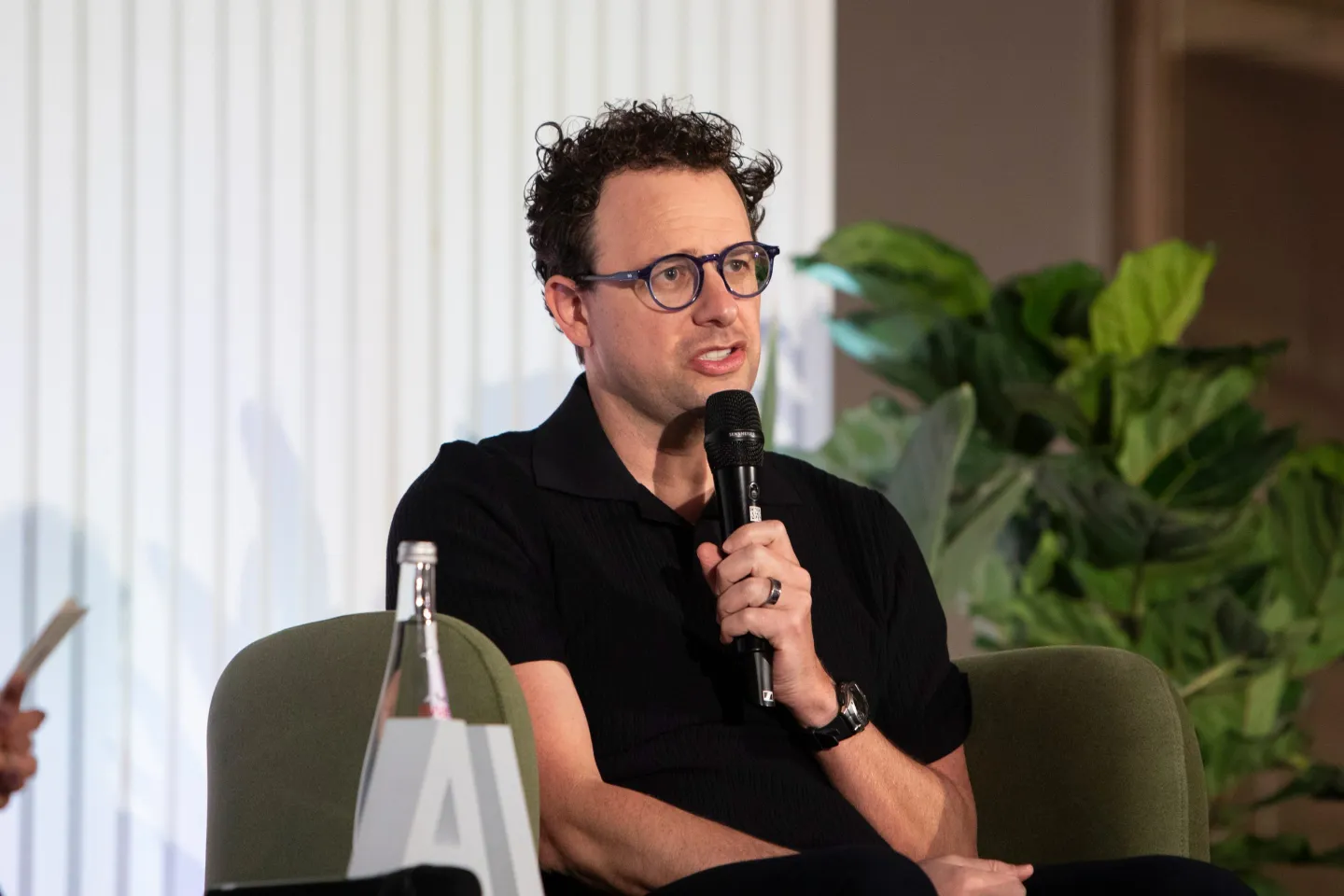
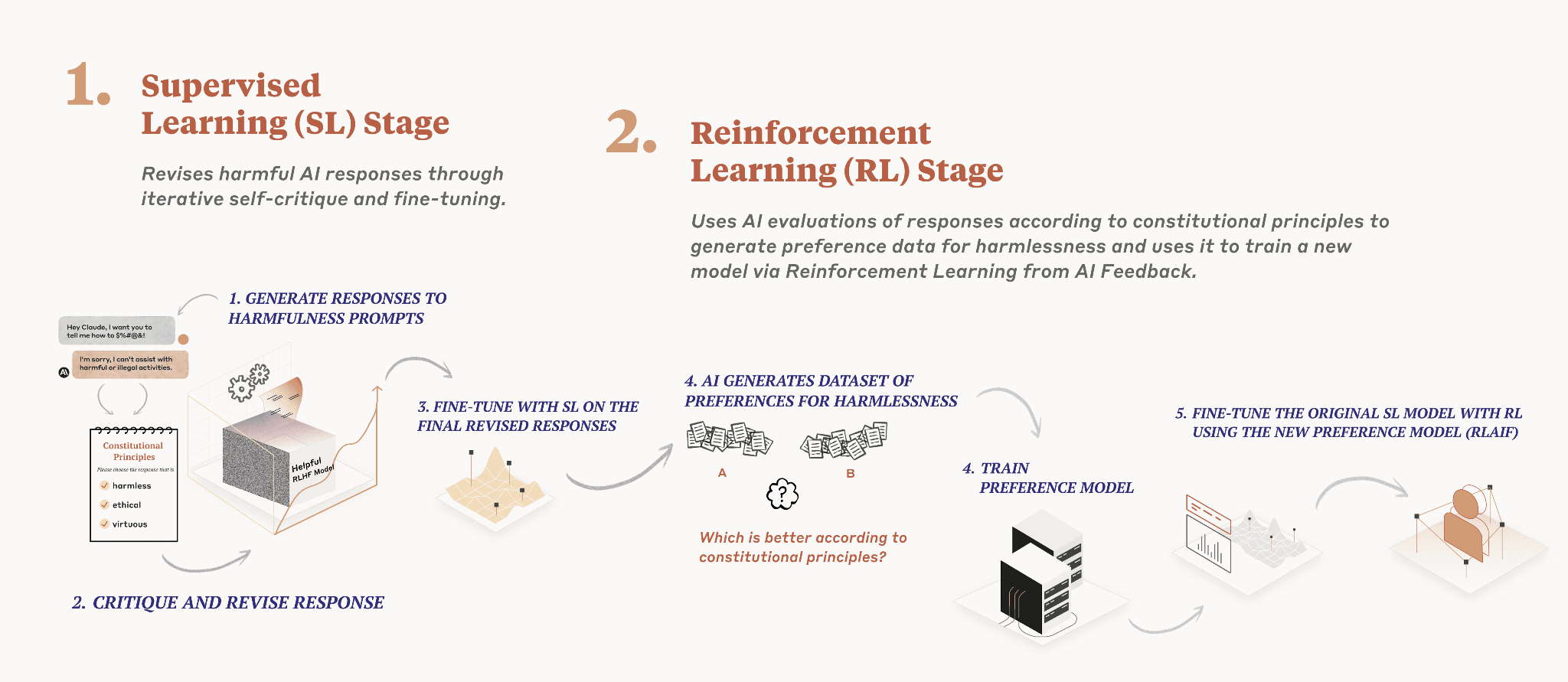
Anthropic didn't just mention safety once in a launch post and move on. Dario Amodei kept tying the company's founding story back to it in interviews and public appearances, and Anthropic backed that up with an actual technical approach, Constitutional AI, training models around defined principles instead of bolting safety on as an afterthought. That consistency is a big part of why Anthropic's reputation became its own thing, not just 'the other chatbot company.’
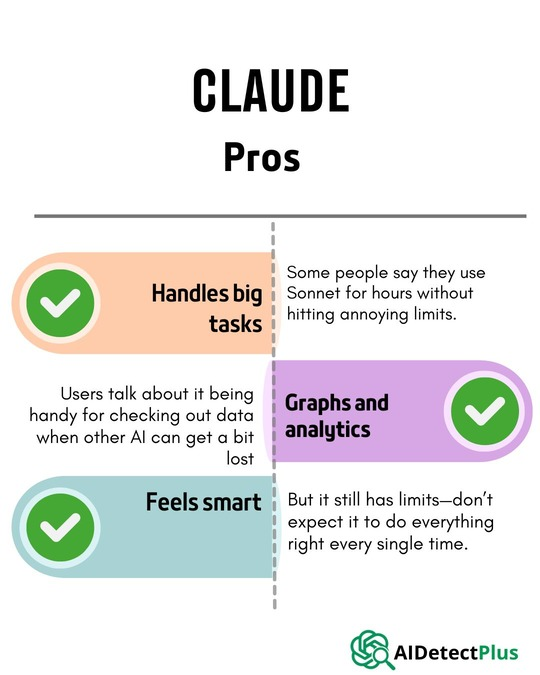
None of it means much if the product doesn't hold up, though. Claude built a genuinely strong reputation for reliability, especially with professional and technical users, and that's what turned a stated value into something people could actually feel and vouch for. In other words, a difference nobody can verify isn't really an advantage yet, it has to show up somewhere real before it counts for anything.
Use That Difference to Win the Customers the Leader Doesn't Own
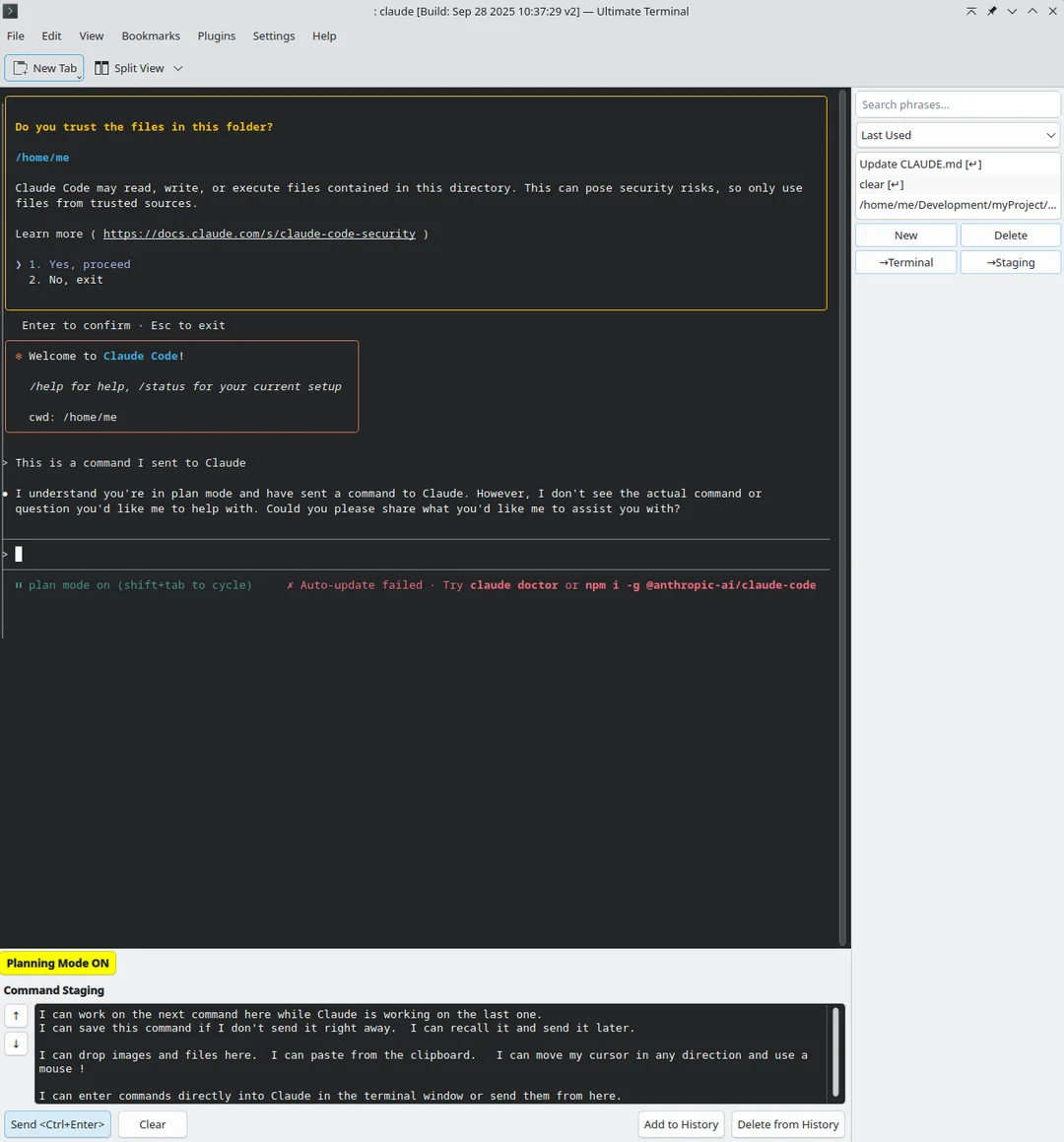
Once that trust was actually in place, Anthropic still didn't go chasing ChatGPT's massive consumer audience. It leaned into businesses and developers instead, and Claude Code is probably the clearest example of that, a tool built specifically for programmers rather than trying to be everyone's general-purpose chatbot. That's a much smaller target than "the entire AI market," but it ended up being exactly the kind of foothold worth building on.
That narrower focus is what made the whole strategy work long-term. Rather than beating OpenAI everywhere at once, Anthropic just needed to become the obvious first choice for one specific group, owning something OpenAI simply hadn't claimed yet, instead of chasing a smaller version of what OpenAI already had.
Takeaway
Put the safety-first identity, the follow-through, and the choice to go deep instead of wide altogether, and they read as one continuous strategy, not three separate moves.
That same idea scales down easily for businesses nowhere near AI. A local coffee shop was never going to out-locate Starbucks, and a small retailer isn't beating Amazon on selection, but neither one has to. What actually works is finding the specific thing, service, specialization, community, trust, the market leader hasn't already claimed, proving it consistently enough that people believe it, and using that foothold to win over a specific group before ever trying to take on the whole market.
Looking Ahead
More industries are probably going to keep taking this same shape, one dominant player, and a pack of challengers trying to catch up. The ones that actually pull it off will probably be the companies that figure out what the leader hasn't claimed yet and get there first, not the ones trying to outspend or outscale it.