



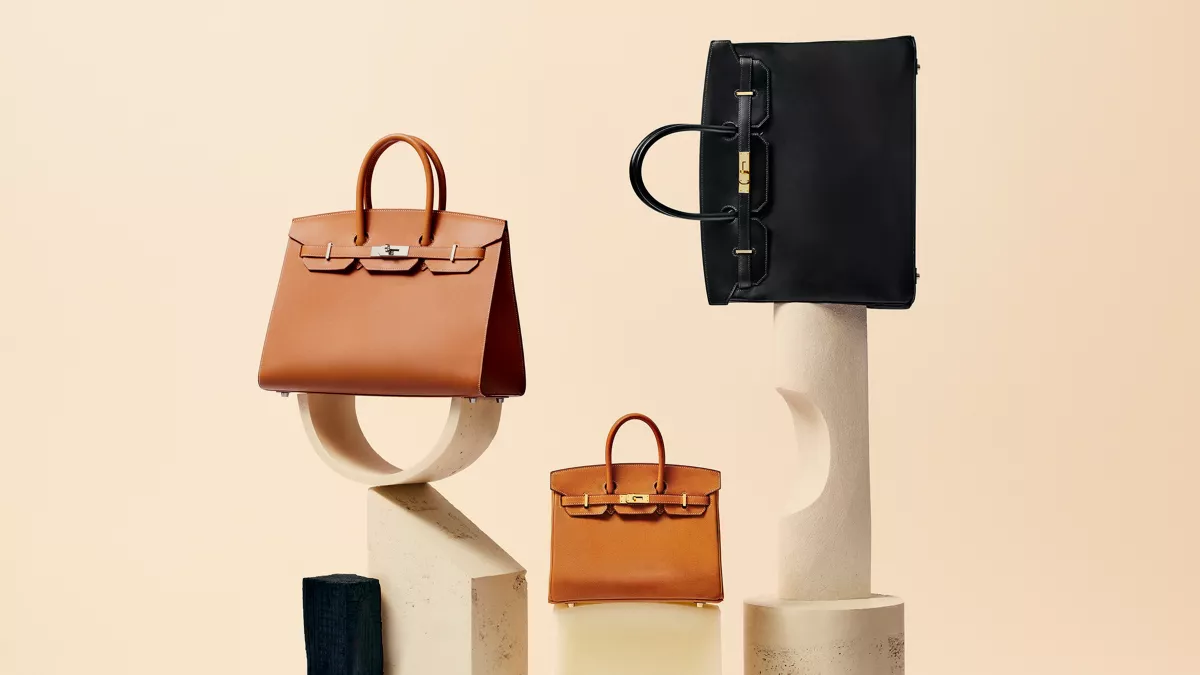
You can walk into an Hermès boutique with more than enough money for a Birkin bag and still walk out without one. Not because it sold out, but because Hermès just won't sell you one that day.
Thierry Hermès started the house back in 1837 as a saddlery workshop in Paris, and over the next century and a half, that reputation for craftsmanship spread into handbags, scarves, jewelry, and perfume. The Birkin itself didn't show up until 1984, born out of a random conversation between executive Jean-Louis Dumas and actress Jane Birkin on a flight from Paris to London.
Here's the actual lesson in all of this: scarcity can make something people already want feel even more valuable, but it won't do a thing for a product nobody wanted to begin with.
Confirm the Demand Is Real Before You Restrict It
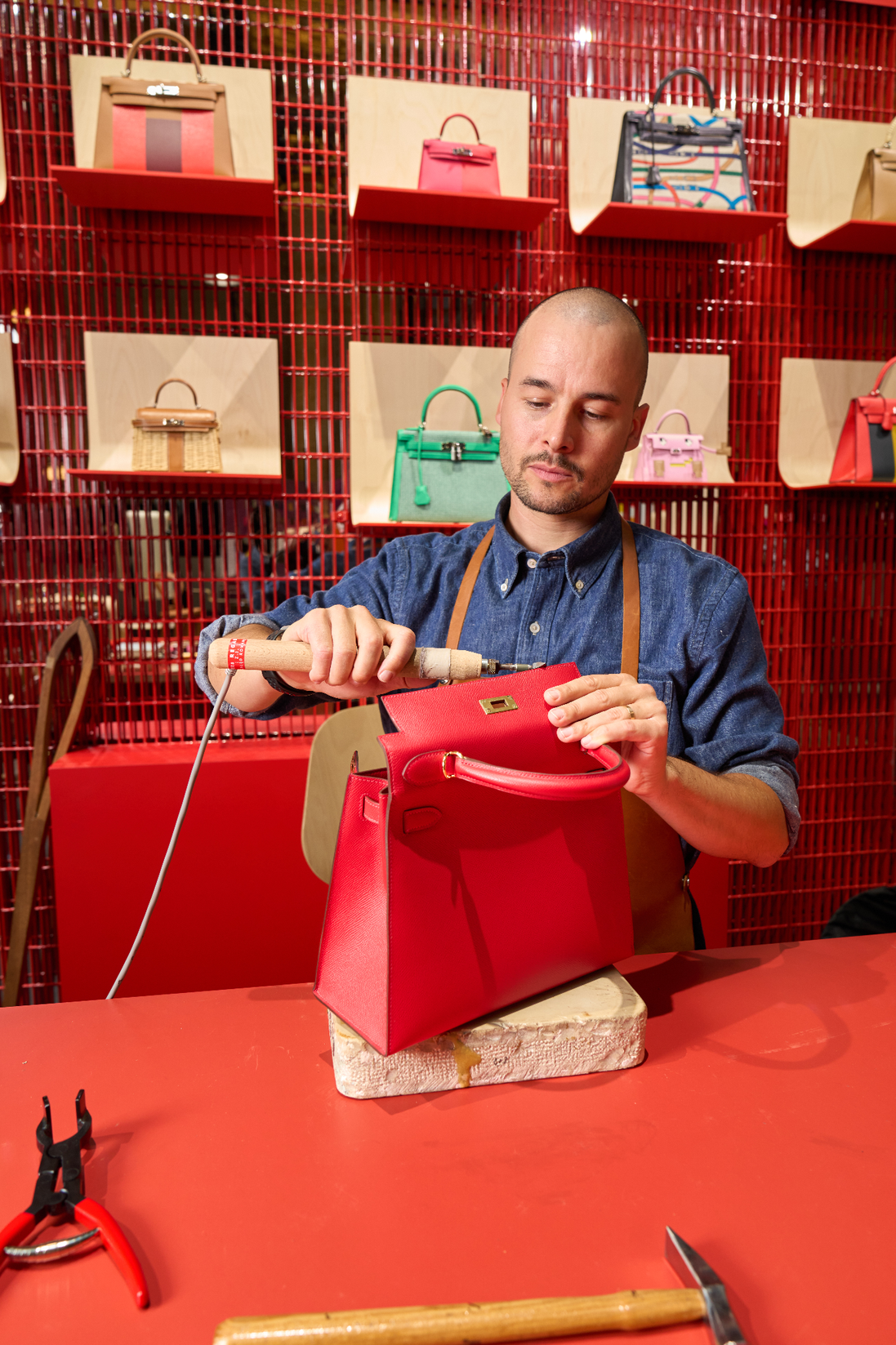
The Birkin wasn't some random bag Hermès just decided to make hard to find. By the time it came out, Hermès already had about 150 years of craftsmanship behind its name, long before scarcity ever entered the picture.
That craftsmanship kept showing up in how the bag actually got made, too. Even today, a Birkin is built by a single trained artisan, and the process takes at least 15 to 20 hours per bag. Nobody was pulling desire out of thin air here, access was being restricted to something people already had good reason to want.
Restrict access to a forgettable product and nothing happens. Restrict access to something people already value, though, and the restriction itself starts adding to that value.
Resist the Urge to Scale Past What Made It Good
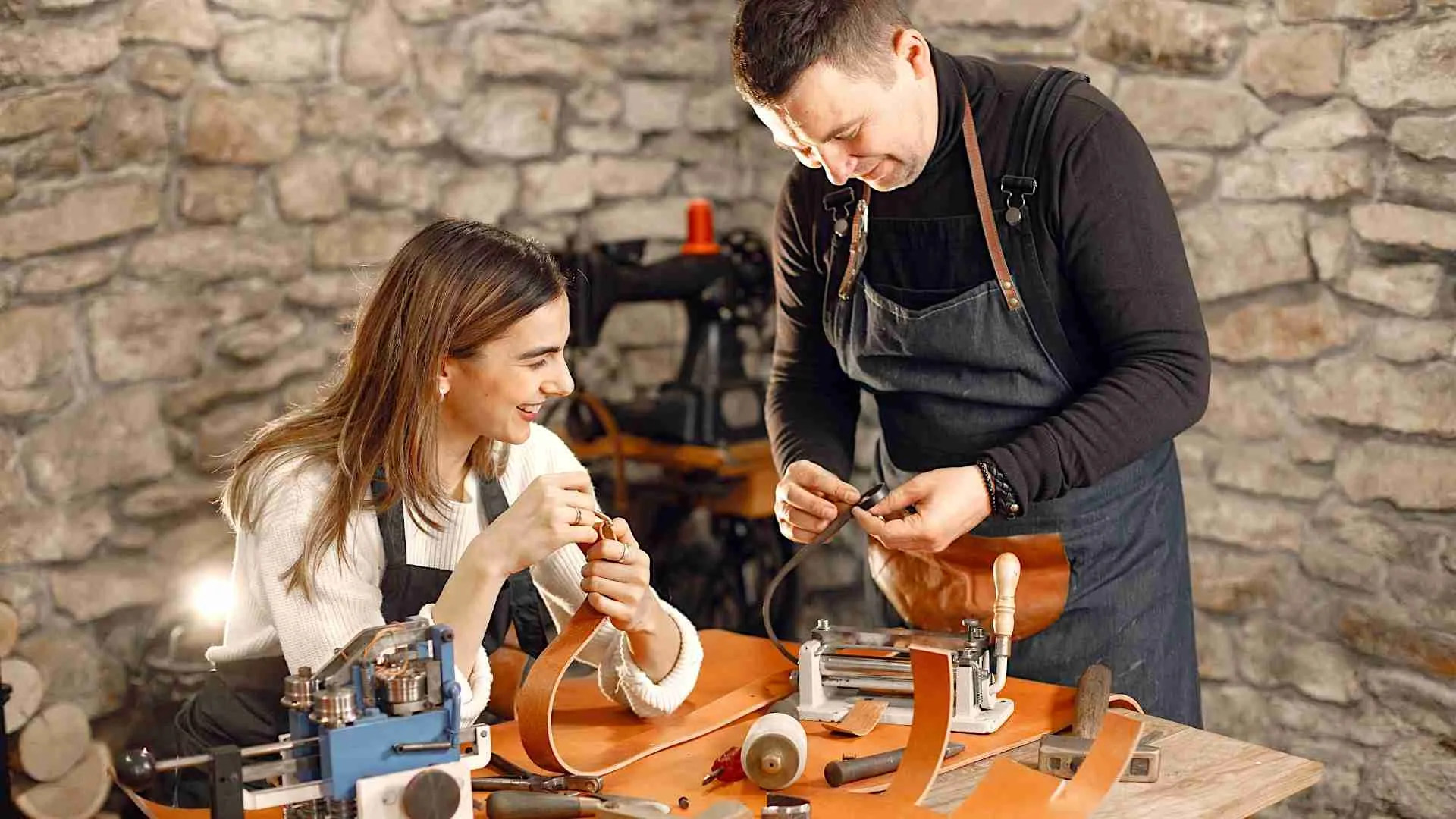
When you can't keep up with demand, the easy move is to just make more and grab every sale on the table. Hermès has repeatedly gone the other way. It keeps relying on individually trained artisans doing labor-intensive handwork instead of turning the Birkin into something mass-produced, and that alone puts a natural ceiling on how fast supply can grow, since training a skilled artisan just takes time, no company can rush that.
Hermès has grown its capacity over the decades, adding workshops and training more craftspeople along the way. But that growth stayed inside the same standards that built the brand, instead of loosening them to move faster. Selling more only mattered to Hermès if it could pull that off without gutting the exact quality that made people want the bag to begin with.
Let Difficulty of Access Become Part of the Draw
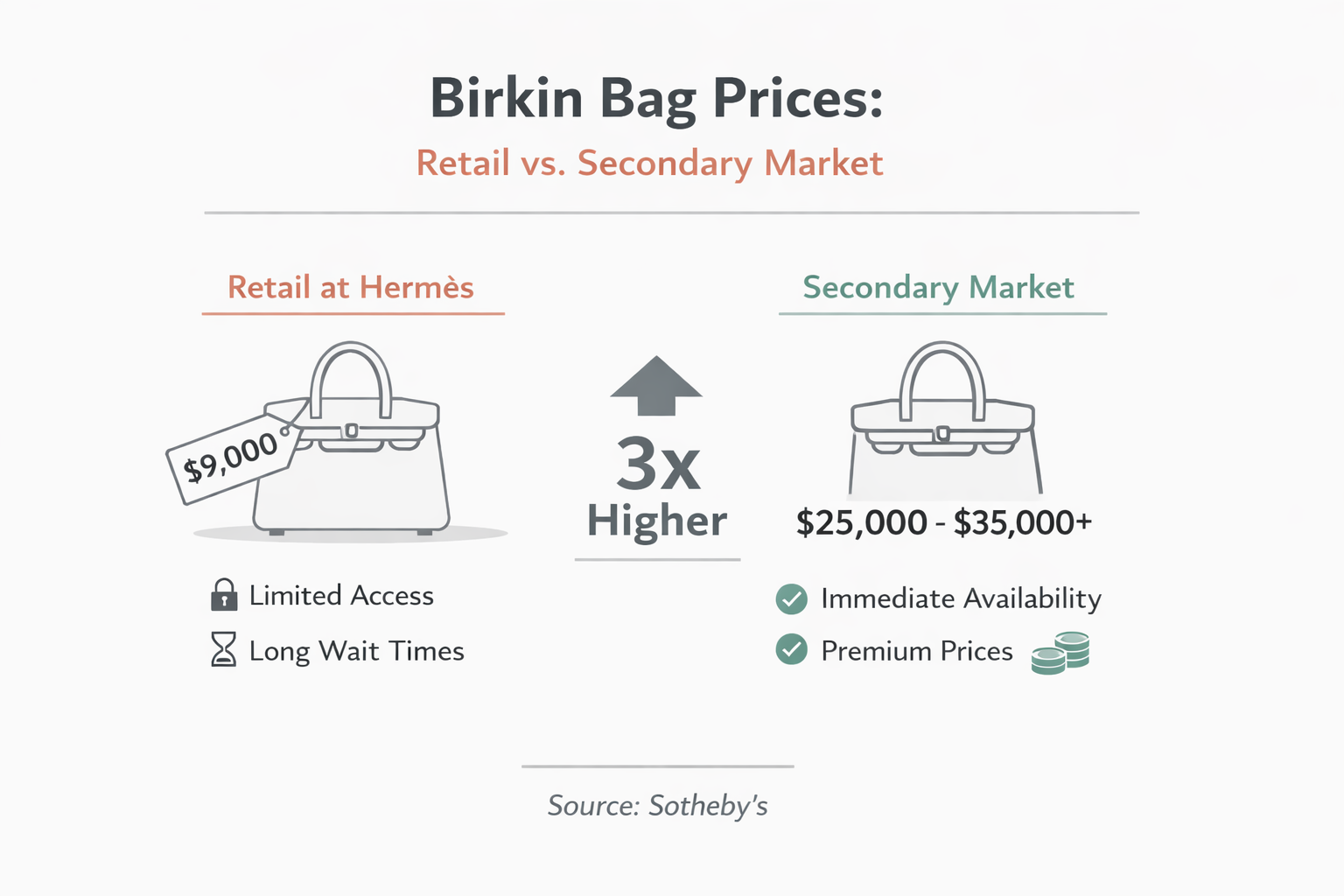
Once demand was real and Hermès kept supply tight on purpose, scarcity took over from there. Even customers who can easily afford a Birkin usually can't walk into a store and pick whichever one they like. Hermès caps purchases of its most sought-after 'quota bags' at two per year, and even getting that far often depends on a purchase history and relationship built with a specific store over time.
That changes what owning the bag actually says about you. Plenty of expensive things are available to anyone with enough money. A Birkin sits behind a different kind of barrier, one cash alone doesn't get you past, which is probably why some reportedly resell for close to double their original price.
This resale gap is really just the first two lessons showing up as a dollar figure: a product people already wanted, kept deliberately out of reach, ends up worth more precisely because it's hard to get.
Takeaway
Put it all together, the reputation Hermès built first, its refusal to mass-produce past that reputation, and the quota system controlling who gets to buy, and one thing is clear: Hermès never had to make people want the Birkin. It just made sure they never quite got enough of it.
That's exactly what's playing out every time someone walks out of an Hermès store without a bag they could easily afford. It's not a glitch, it's the system working exactly the way it's supposed to.
The lesson for other businesses isn't "restrict supply and demand will follow," that only works in this order, never the other way around. A product has to earn real desire first. Once it has, holding back from squeezing out every possible sale can be exactly what keeps people wanting it, and keeps the price high, for years to come.