


Landing a partnership with a company as big as Subway sounds like a dream opportunity for a growing food brand. But for Hero Bread, it nearly put the company out of business.
Hero had spent years and more than $30 million developing products, including a low carb roll for Subway. The problem was that the partnership had negative margins and was taking up a huge amount of the team’s time. When YuChiang Cheng took over as CEO, one of his first major decisions was to walk away from Subway and focus on selling directly to consumers instead.
Hero eventually grew to more than $54 million in annual revenue, showing why a company’s biggest customer isn’t always the one that’s best for the business.
Make Sure a Big Customer Is Actually Good for the Business
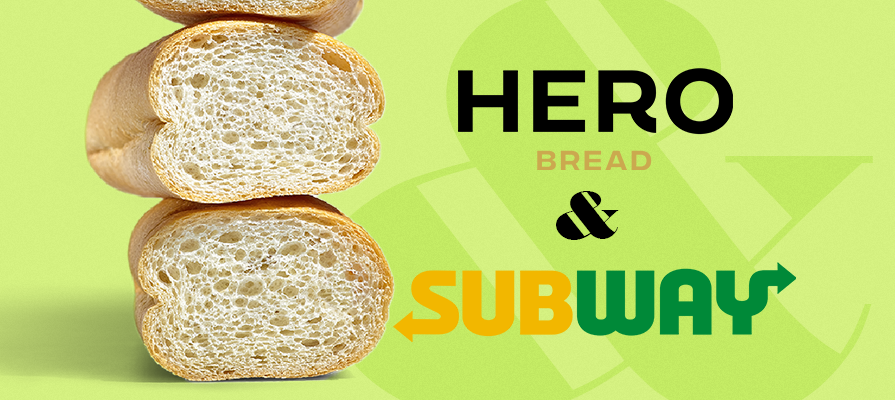
For a young company like Hero Bread, working with Subway was a huge opportunity. It meant getting its products into a recognizable restaurant chain and reaching customers on a much larger scale.
But the size of the partnership created problems Hero wasn’t prepared to handle.
.
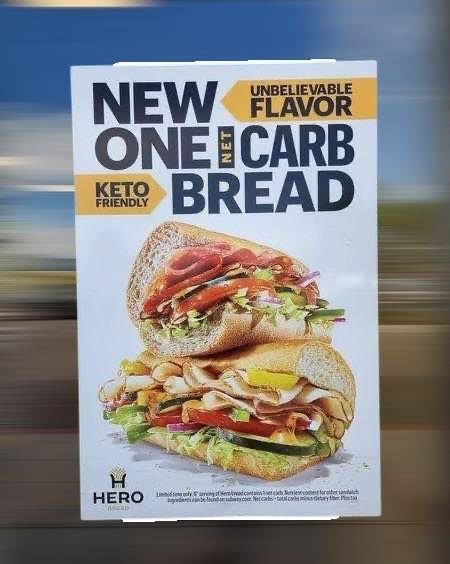
According to Cheng, Hero had spent more than $30 million developing the Subway roll and other products. Despite that investment, the Subway business had negative margins.
That meant the partnership wasn’t just expensive to get started. It was also costing Hero money to maintain. The account was consuming a significant amount of the team’s time, leaving fewer resources for other parts of the business.
Eventually, Hero reached a point where its financial future depended heavily on making the Subway partnership work.
Cheng didn’t blame Subway for the situation. He acknowledged that Hero had committed to something it wasn’t operationally prepared to support.
For businesses, this is where a big opportunity can become misleading. A recognizable customer might bring credibility and sales, but those benefits don’t mean much if the cost of serving that customer outweighs what the business earns. The biggest contract isn’t necessarily the most valuable one, especially when maintaining it leaves the rest of the business struggling.
And for Hero, fixing the problem meant giving up the partnership it had spent years building.
Be Willing to Walk Away and Refocus

When Cheng stepped into the CEO role, Hero was already reconsidering whether the Subway partnership made sense. During his first week, the company officially told Subway it was walking away.
That wasn’t an easy decision after spending years developing the products. But continuing to invest in something that wasn’t working would have only put more pressure on the business.
Instead, Hero shifted its attention toward selling directly to consumers.
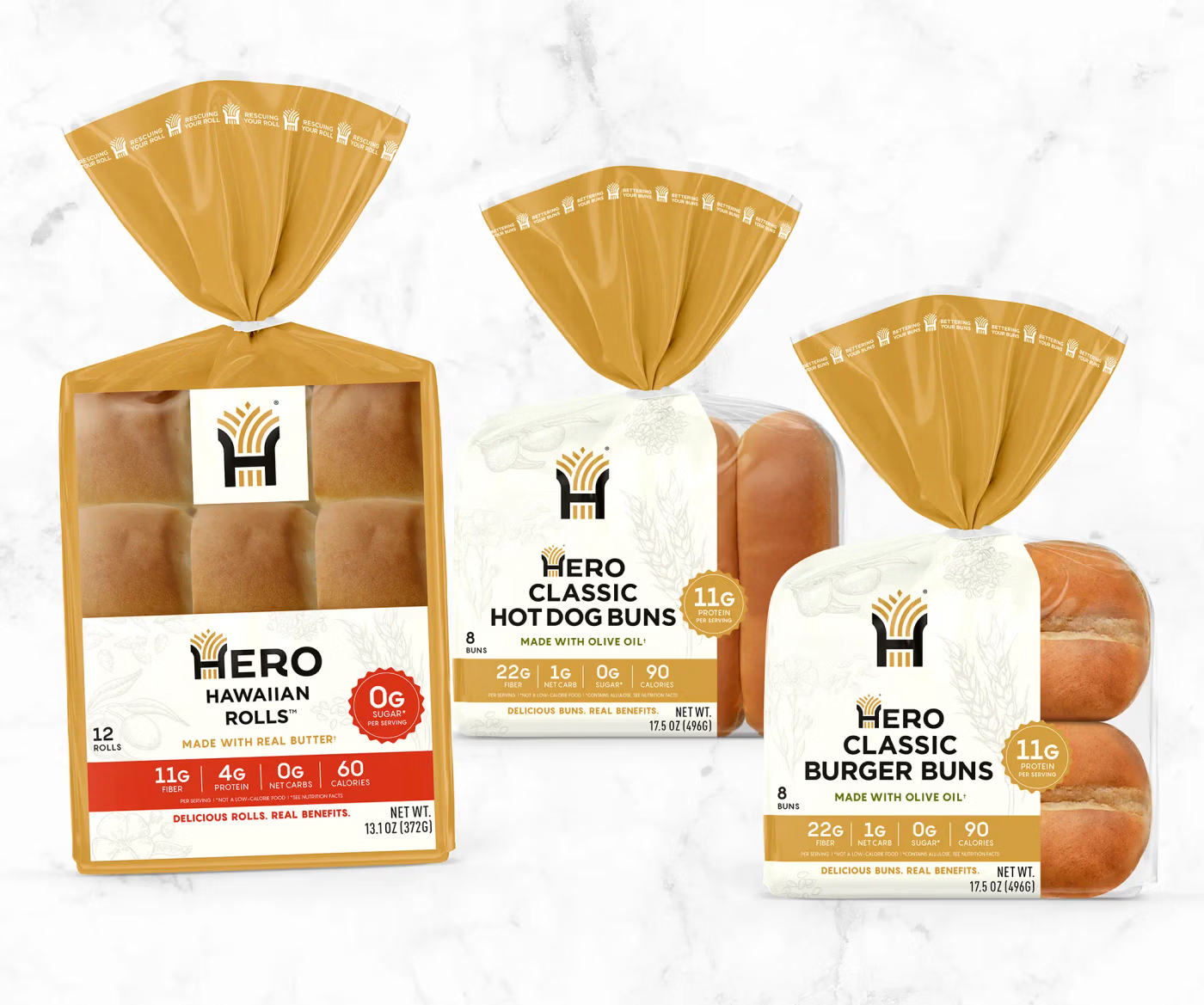
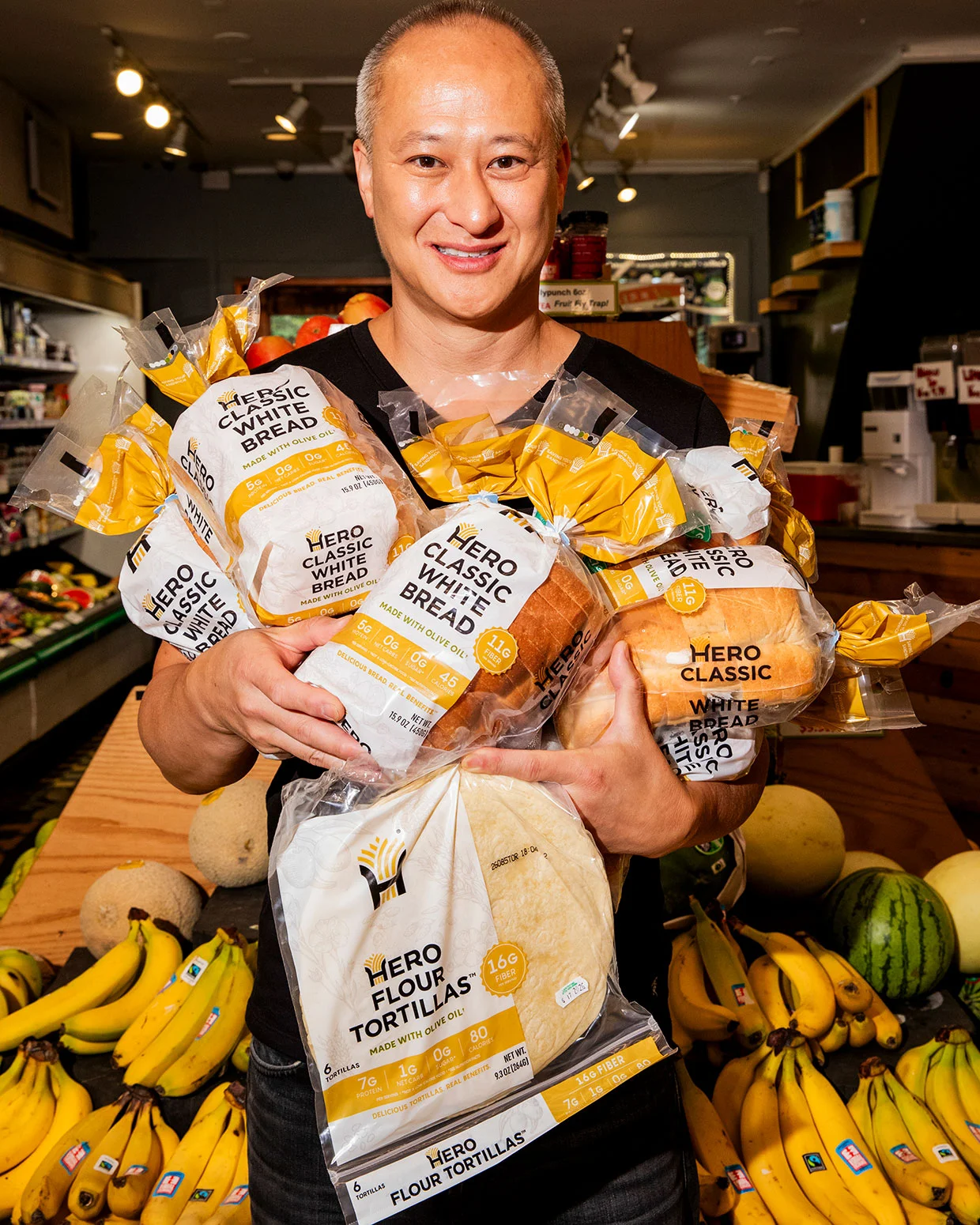
The company focused on five core products, white bread, seeded bread, burger buns, hot dog buns, and flour tortillas.
Rather than trying to serve a massive restaurant chain, Hero used social media and Google advertising to reach people already interested in low carb bread alternatives.
This approach also gave Hero a better understanding of its customers. Selling directly meant the company could receive feedback faster, see what people were buying, and build relationships with the people actually eating its products.
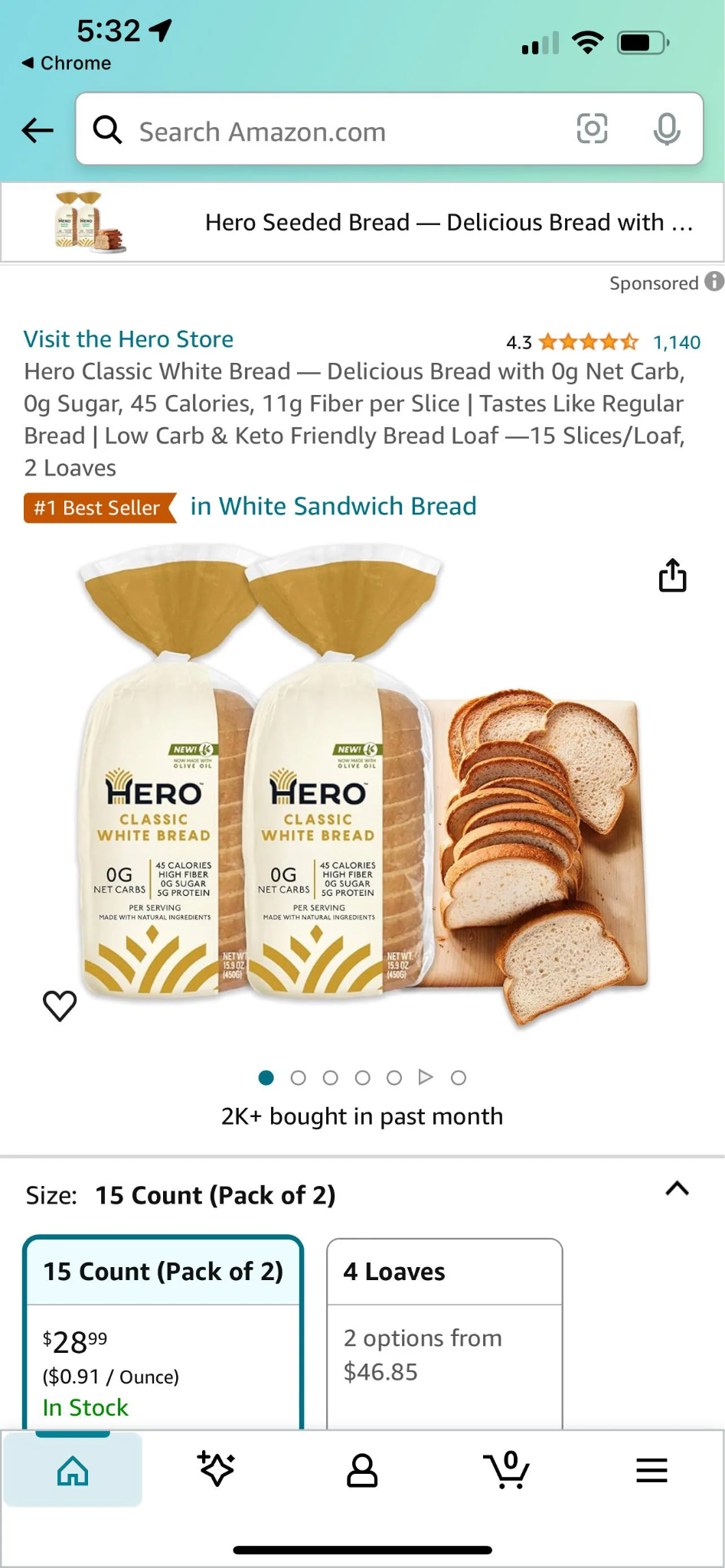
The strategy started producing results. Cheng says Hero eventually became the #1 bread on Amazon, giving the company evidence that consumers wanted its products outside the Subway partnership.
Walking away hadn’t meant abandoning growth. It meant giving Hero the time and resources to find a way of selling its products that worked better for the business.
And once Hero saw that customers were buying directly, it had something useful to bring to its next big opportunity, proof that people actually wanted the product.
Prove What Works Before Scaling Again
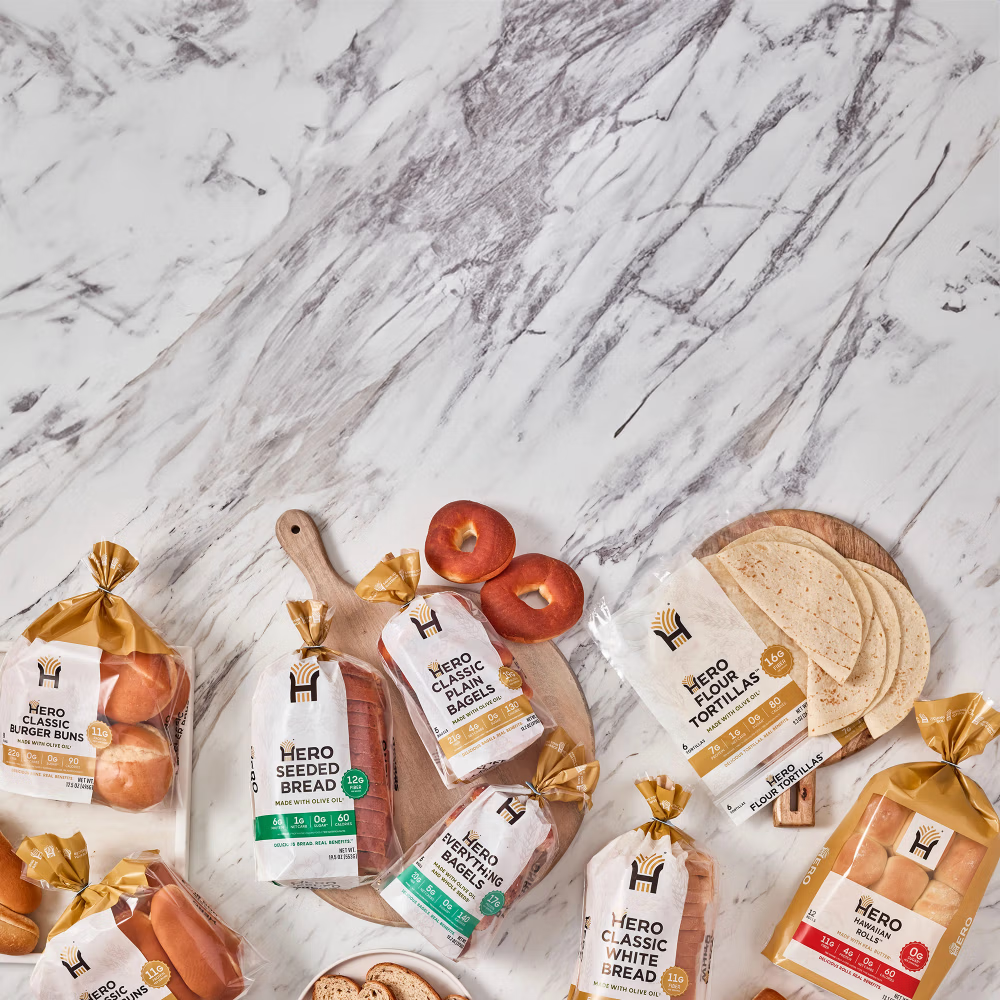
Hero didn’t give up on large scale distribution after leaving Subway. It just approached expansion differently. Instead of committing to a huge partnership first, the company used its direct to consumer sales to show retailers that demand already existed.
When Hero approached Sprouts, Cheng says the company could point to roughly 1,000-2,000 existing online customers, including shoppers who also bought groceries at Sprouts. That gave the retailer a reason to believe Hero could sell on its shelves.
.
Hero also started testing new products before committing to larger launches.
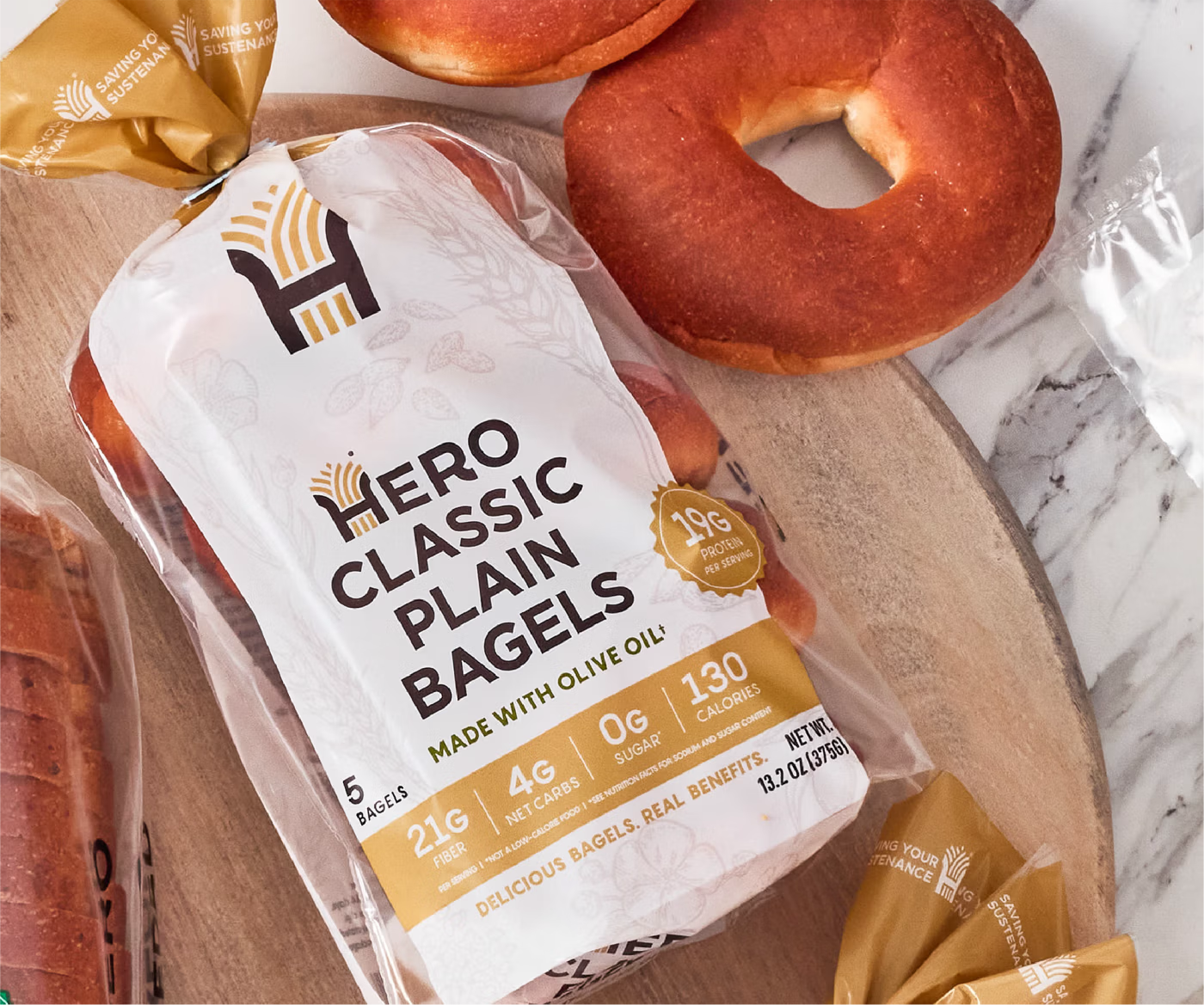
For example, when the company wasn’t sure how customers would respond to its bagels, it launched them online in smaller batches in December 2024. The bagels quickly became one of Hero’s best selling products and reached retail shelves roughly six months later.
This was a major difference from the Subway experience. Instead of committing to a huge opportunity and then figuring out whether it could work, Hero could see how customers responded before expanding.
Visual
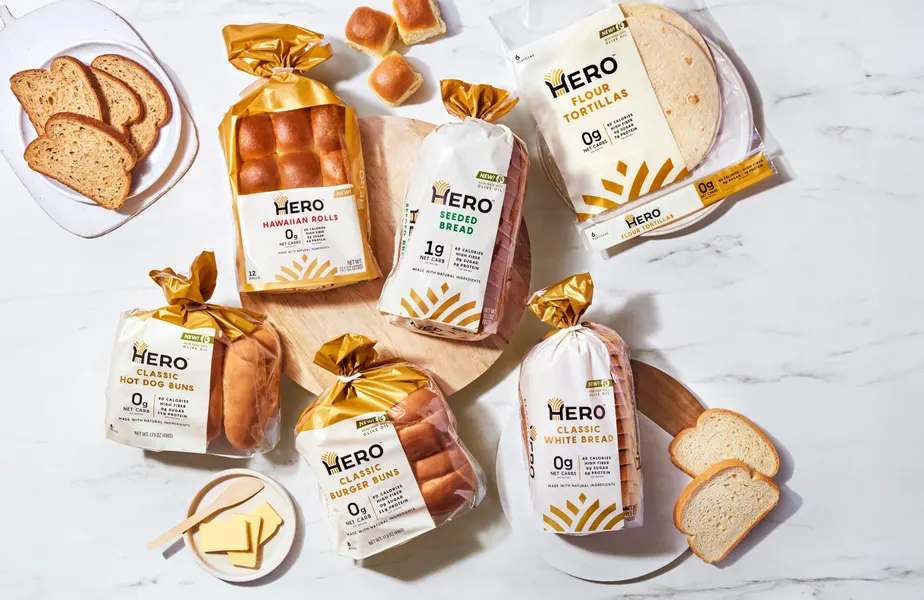
The results show how far the company came.
According to Inc., Hero generated an estimated $54.1 million in revenue in 2025 and ranked #122 on the 2026 Inc. 5000, with 2,392% growth over three years.
The company also expanded from roughly 4,000 to 10,000 retail locations in two years, according to Entrepreneur. Hero was still pursuing major growth, but now it had customer feedback, purchasing data, and smaller product launches helping guide those decisions.
For businesses, proving that something works before making it bigger can be much safer than committing to scale based on what you hope will happen.
Main Takeaway
Hero Bread’s biggest opportunity almost became its biggest problem. The Subway partnership brought recognition and the potential for massive sales, but the cost of maintaining it was putting the company in a difficult financial position.
By walking away, Hero could focus on selling directly to consumers, learn what customers wanted, and eventually return to retail with stronger evidence that its products would sell.
For businesses, don’t judge an opportunity only by how big it looks. Pay attention to what it’s actually giving your business and what it’s costing you. Sometimes walking away from a major customer creates room to build something much stronger.