



Why Millions of Users Still May Not Create a Profitable Business
Most entrepreneurs dream of building a product that millions of people can use. More customers usually means more revenue, right?
Not always.
Companies like OpenAI and Anthropic have attracted millions of users and raised billions of dollars from investors, yet profitability remains one of AI biggest challenges. Unlike traditional software, every AI prompt costs money to generate, meaning popularity doesn't automatically create a profitable business.
As AI continues to reshape industries, founders should remember one important lesson. Building a product people love is only half the challenge. Building one that makes money is what creates the lasting business.
More Customers Doesn't Always Mean More Profit
Growing quickly is exciting, but growth only creates value when a business can afford to support it. AI is different from traditional software because every customer interaction costs money, making profitability much more difficult as usage increases.
Traditional software is relatively inexpensive to scale. Once it's built, adding another customer usually costs very little. AI works a little differently. Every time someone asks chat GPT a question, the company pays for its power, electricity, and expensive hardware running inside massive data centers.
China's AI data center boom goes bust: Rush leaves billions of dollars in idle infrastructureTens of billions invested, billions lost.Tom's HardwareMore customers don't always mean higher profits. If every interaction costs money, rapid growth can quickly become expensive.
Popular Companies Can Still Struggle Financially
Running modern AI models requires billions of dollars in chips, cloud infrastructure, and specialized engineers. Industry experts have questioned whether the current AI business models can remain profitable if operating costs continue rising alongside customer usage.
A popular company can still struggle financially. Revenue means very little if operating costs continue growing just as fast.
As AI platforms attract more users, they also process more prompts, increasing their computing expenses. If each additional customer costs more to serve then they generate revenue, rapid growth can actually increase losses instead of reducing them.
Founders shouldn't focus only on user growth. They also need to understand whether each new customer helps or hurts the business financially. Growth is only valuable when it's sustainable. Successful companies don't just measure how many users they have. They also understand exactly how much it costs to serve each one.
Free Users Build Attention. Paying Customers Build Businesses.
Getting people to try your product is important, but attracting users is only the first step. Long-term success depends on whether a company can turn that attention into enough revenue to support its business.

Millions of people use free AI tools every day, giving companies like open AI and anthropic enormous reach. Free versions help businesses build brand awareness, attract new users, and improve their AI models through increased usage. The downside is that every prompt that those free users generate still requires computing power, making them expensive to support.
A large audience doesn't automatically create a strong business. Companies still need a way to earn enough money to support the cost of serving those users.
To cover these costs, many AI companies rely on paid subscriptions and enterprise plans. While individual consumers may only pay a small monthly fee, or nothing at all, businesses are often willing to invest much more if AI helps increase productivity, reduce cost, or automate repetitive work.
Which AI Chatbot Subscription Is Actually Worth Paying For in 2025?From ChatGPT to Gemini, I tested them all so you don’t have to (and what isn’t).Medium • Amit KumarBusinesses become more sustainable when they offer customers clear value that's worth paying for. The goal isn't just to attract users, it's to convert them into reliable sources of revenue. Goldman Sachs believes enterprise adoption will play a major role in determining whether AI companies become profitable. Businesses are more likely than individual consumers to pay meaningful amounts for tools that improve efficiency or help generate revenue.
Companies that solve real business problems often have a stronger path to profitability. Enterprise customers can provide the recurring revenue needed to support expensive AI infrastructure. Building an audience is only the beginning. Long-term success depends on turning enough of those users into reliable, recurring revenue.
The Best Technology Solves Real Problems
As AI becomes more popular, many companies have rushed to adopt it because they don't want to fall behind competitors. In some cases, businesses introduce AI without clearly defining what success should look like or how they measure whether it's actually improving their operations.
Following trends isn't the same as creating value. Every investment should have a clear purpose and measurable goal.
Research cited by CIO found that many companies still struggled to measure AI return on investment. Although most believe AI can create a competitive advantage, relatively few companies have been able to clearly demonstrate significant financial results from their investments.
If companies can't measure success, they can't confidently know whether their investment is paying off. Good business decisions should always be supported by data.
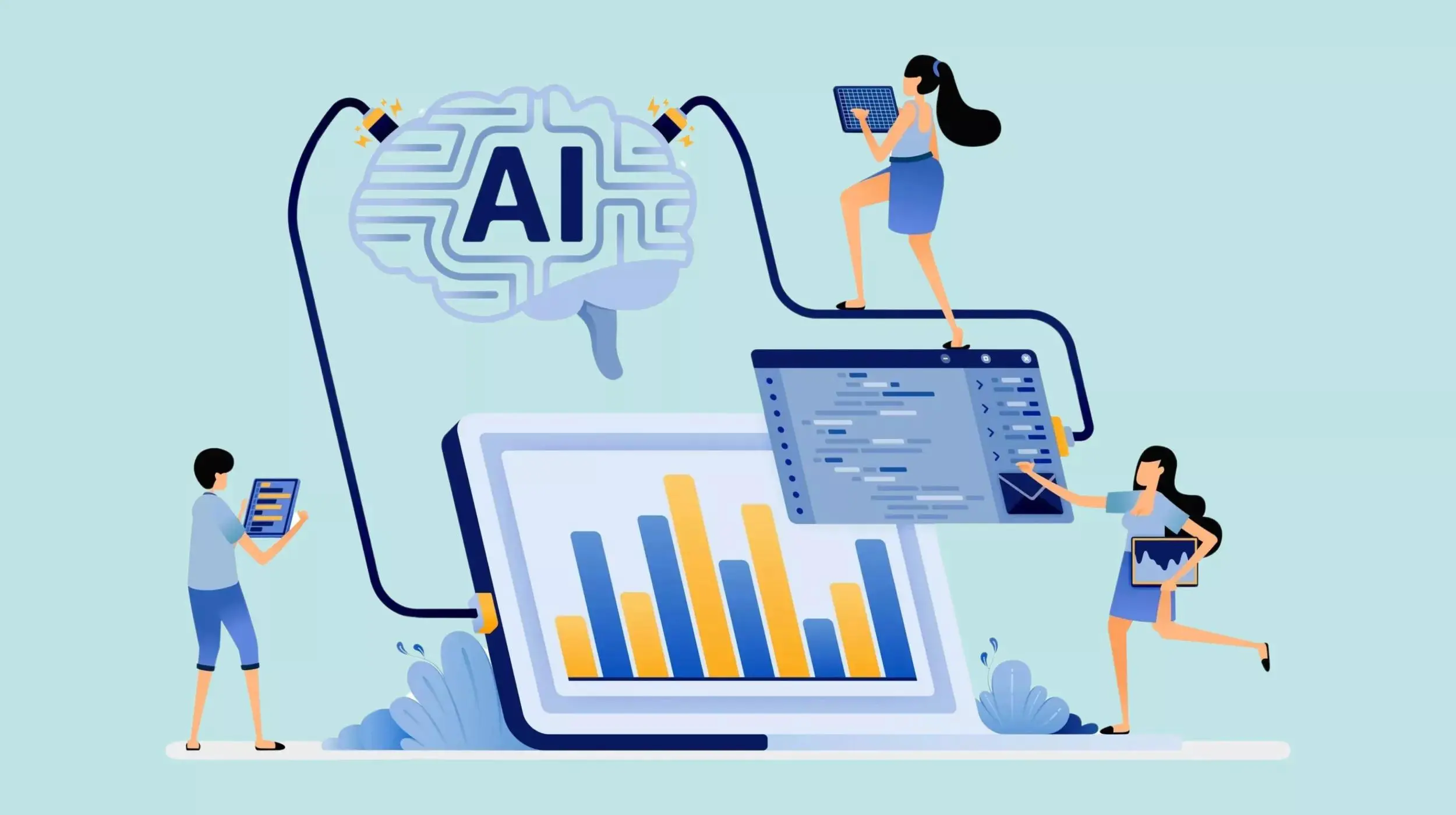
Businesses Should Focus on AI’s Results, Not Its Hype
MIT Sloan warns businesses to separate useful AI products from "AI snake oil". Instead of asking how advanced a tool is, companies should ask what measurable problem it solves, whether that's reducing cost, increasing sales, or saving employees time.
Customers don't pay for technology simply because it's impressive. They pay for products that solve real problems and deliver measurable results.
AI is only valuable when it improves the businesses using it. The companies that succeed won't necessarily have the most advanced technology, they'll be the ones that can clearly demonstrate the value it creates.
Main Takeaway
Millions of users don't automatically create a profitable business
The AI companies that succeed long term won't simply be the ones with the biggest audience. They'll be the ones that control operating costs, convert free users into paying customers, and consistently prove that their products create measurable value.
Looking Ahead
AI is entering a new phase. Over the past few years, the focus has been on building the smartest models and attracting the most users. Going forward I think the biggest question will be much simpler. It's going to be “Can this business actually make money"? The companies that answer won't necessarily be the ones with the most type, they'll be the ones that build sustainable business models that customers are actually willing to pay for.