



Intro
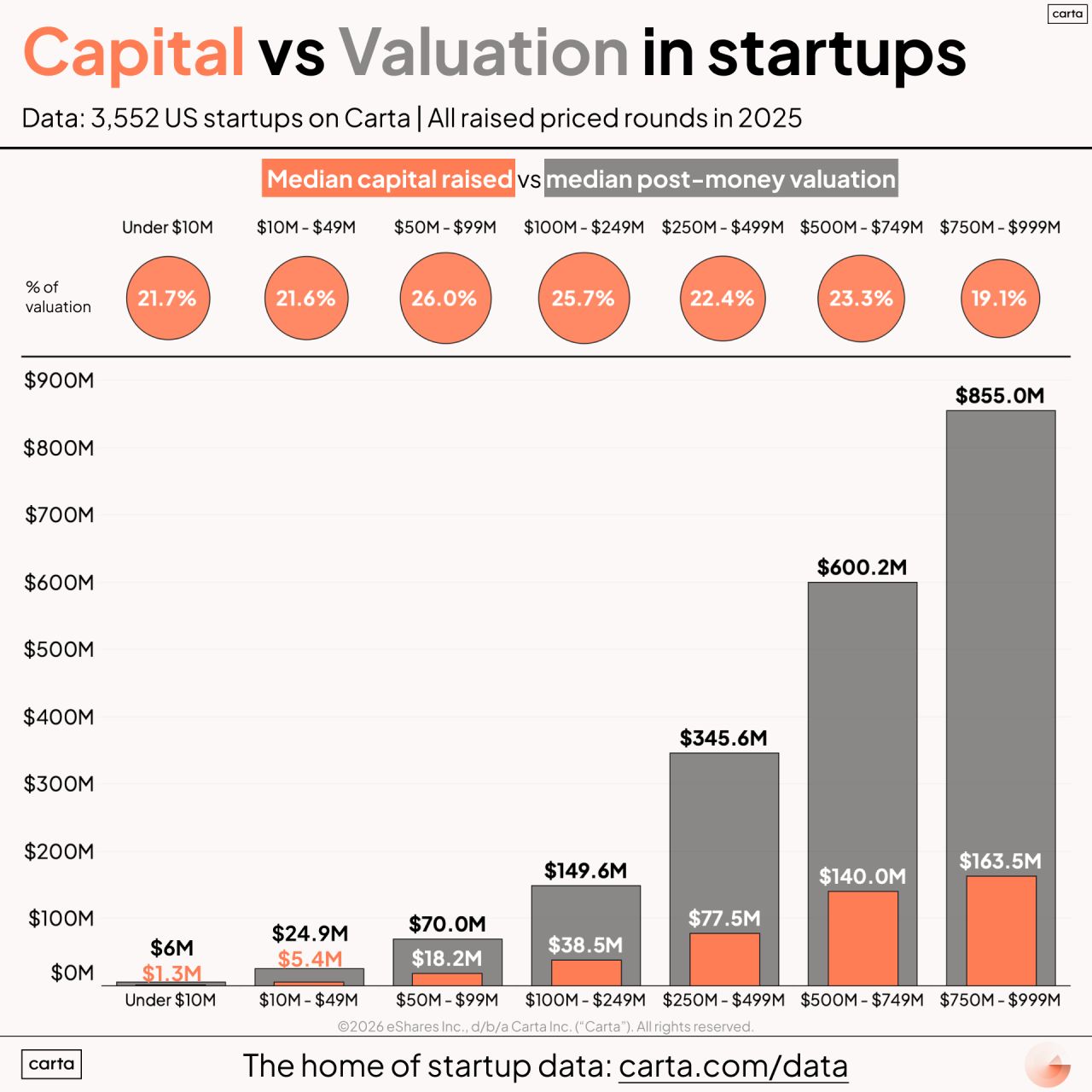
Most headlines about startups focus on one number: the valuation.
A company gets called a "billion-dollar startup," and it's easy to assume that means a billion dollars actually exists somewhere. In reality, that number usually reflects what a small group of investors believe the company could become, not what it's worth if you tried to sell it today.
Valuations Are Estimates, Not Cash
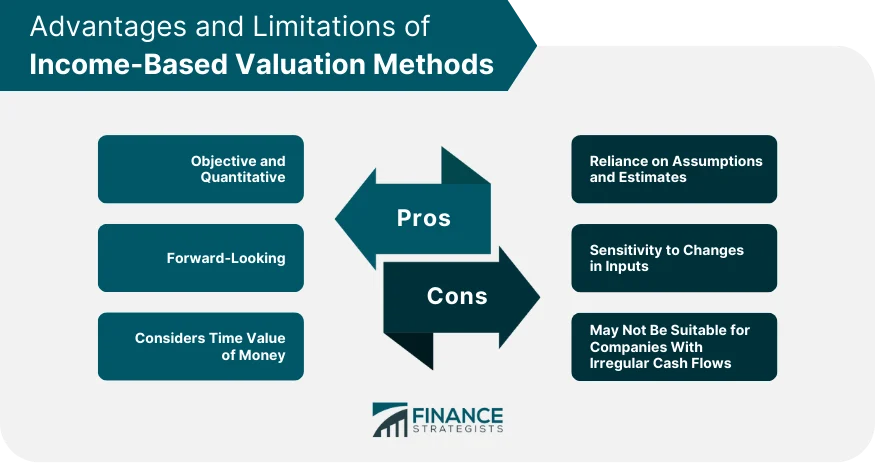
A valuation is really just an agreement between a company and its investors about what a small slice of that company is worth. It's more of an estimate than a full picture of what the business is worth, and no matter how the headline reads, that number isn't cash sitting in a bank account.
Here's the part that trips a lot of people up: if an investor buys 10% of a startup for $100 million, the company suddenly gets labeled as being worth $1 billion, even though only $100 million actually changed hands. The other 90% was never bought, sold, or verified by anyone. A valuation can technically be based on a tiny fraction of the company. The headline number often represents far more assumption than transaction.
Since private startups aren't traded on public markets, there isn't a constantly updated price the way there is for public stocks. Because of that, a company's valuation can stay frozen for months or years, even while the business quietly improves or struggles behind the scenes. A valuation can sit still while the actual business keeps moving. The number on paper and whatever's happening underneath it don't always stay in sync.
CRV describes pre-money valuations as negotiated estimates used to determine ownership in a funding round, not an objective measurement of what a company is intrinsically worth. Even the investors setting these numbers seem to treat them as working estimates rather than fixed facts. That distinction tends to get lost by the time it reaches a headline.
Stepping back, a valuation looks like a scoreboard, but it functions more like an opinion shared by a small number of people with a financial stake in being right. Treating that number as settled fact seems to skip over how little of the company it was ever actually based on.
Real Business Value Comes From Fundamentals
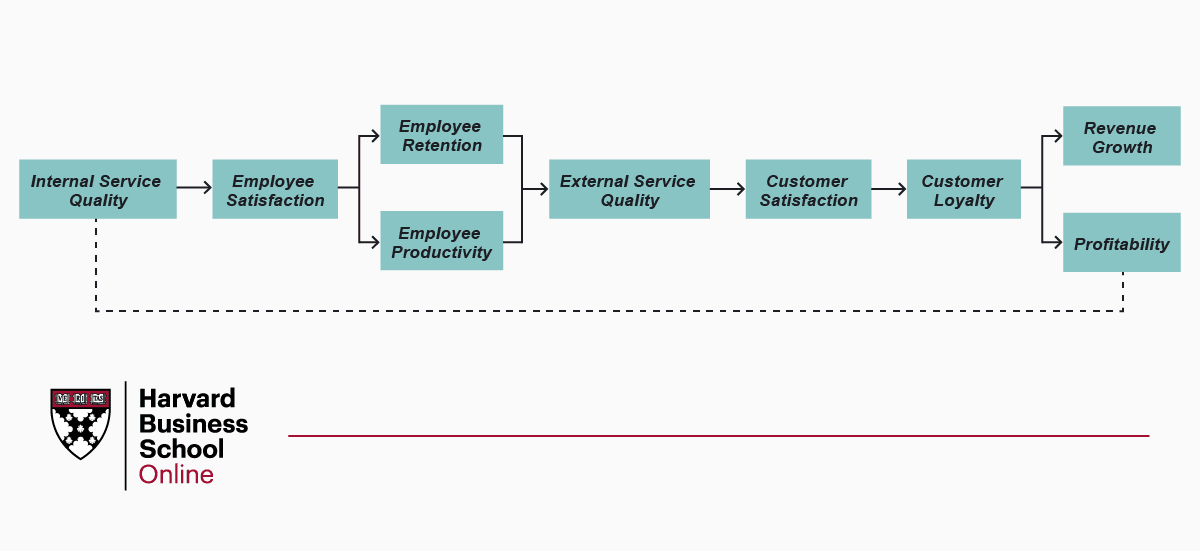
A business's real value tends to come from things like revenue, profit, and loyal customers, not from how exciting its pitch sounds to investors. A company that consistently earns money and keeps customers coming back tends to hold its value more reliably than one that mainly relies on new funding rounds to stay afloat.
Convoy is a pretty striking example of this gap. The freight startup, often nicknamed the "Uber for trucking," was once valued at nearly $4 billion after raising over $1 billion from investors who believed it could transform how freight gets shipped. But as the freight market weakened and interest rates rose, the company struggled to turn a profit and shut down in 2023. Its assets reportedly sold for around $20 million, a small fraction of what it was once said to be worth. A paper valuation and a liquidation value can end up worlds apart. The billions reflected what investors hoped Convoy would become, while the $20 million reflected what buyers were actually willing to pay once that hope ran out.
Traditional business valuations typically weigh things like revenue, cash flow, assets, customer growth, and competitive position, rather than measuring how much attention or excitement a company has generated. Real value tends to get built from measurable fundamentals. Excitement can move a valuation, but it doesn't seem to be something a business can put in the bank.
The Medium piece behind this idea argues that founders may benefit more from solving actual customer problems than from chasing unicorn status for its own sake. Chasing a big number and building a sustainable business appear to be two different goals. They can overlap, but one doesn't automatically lead to the other.
Looking at the bigger picture, a company's fundamentals seem to hold up long after the excitement around a funding round fades. Convoy's story suggests that a valuation can rise on belief alone, but staying afloat tends to ask for something a little more concrete.
Investor Hype Can Inflate Final Valuations

Valuations often climb because investors are competing with each other to get into companies they believe are promising, especially during hyped-up markets or trending technology like AI. That kind of competition can push a number well past what the business is actually producing at the time.
A single high-priced funding round can technically create a "unicorn," a privately held startup valued at $1 billion or more, even though very little of the company has actually been bought or sold to reach that price. Unicorn status can get created almost instantly by one transaction. It doesn't necessarily reflect a broader consensus about the company's worth, just the willingness of one investor to pay a certain price for a small stake.
Some founders end up treating fundraising valuations as if they work like public market prices, when they're really negotiated terms attached to a small percentage of ownership, agreed on by a limited number of people in a single deal. A negotiated price between a handful of investors and a public market price built from thousands of trades don't really seem to be measuring the same thing, even though they tend to get talked about the same way.
The end result is that a company can look enormously valuable on paper while still struggling to become profitable or deliver returns to the investors who funded it. A high valuation and a healthy business aren't guaranteed to move together, as one can rise while the other quietly falls behind.
Investor enthusiasm seems to be good at raising a number quickly, but keeping that number there seems to be the harder part. Whatever gap exists between the two often only becomes visible once the hype settles and the business has to stand on its own.
Main Takeaway
A billion-dollar valuation and a billion-dollar business aren't always the same thing.
Valuations tend to say more about what a small group of investors believe a company could become than what that company is actually worth right now. Convoy's story shows just how far apart those two numbers can end up, and how quickly the gap can surface once the market shifts.
Looking Ahead
As more industries, especially AI, continue drawing large and fast-moving rounds of investment, I think unicorn valuations will likely keep making headlines at a pace that outruns actual business performance.
Over time, the companies that hold onto their valuations may end up being the ones that convert investor belief into real revenue and loyal customers, rather than the ones that simply raised the most money the fastest. Whether a business can make that conversion, or ends up like Convoy instead, may not become clear until the hype has already moved on to something else.