

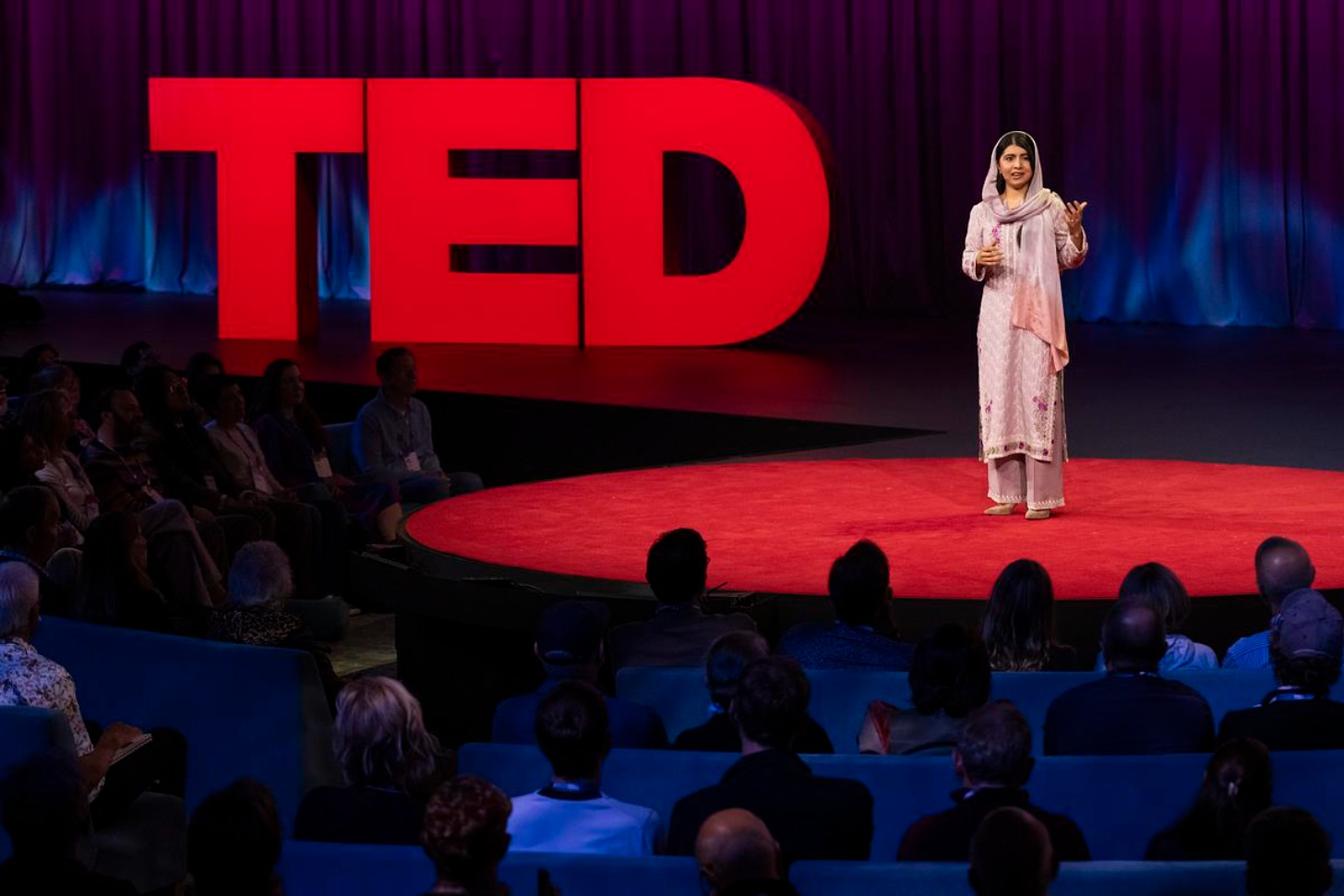
For its first twenty years, TED was something almost nobody got to see. Attending meant paying thousands of dollars and getting through an application process just to sit in the room. Then, in 2006, TED did something that looked like it should have killed the business: it put those exact talks online, for free, for anyone.
TED's conference wasn't struggling. Attendees weren't asking for the talks to be free. If anything, giving away the thing people paid the most for looked like the kind of decision that undercuts a business rather than builds one. Instead, TED turned into one of the most recognized media brands in the world, and the paid conference got more valuable, not less.
Free Content Can Introduce More People to a Brand
Charging for everything a business creates can feel like the safest way to protect its value. But a product locked behind a price tag can also stay invisible to almost everyone who might have eventually paid for something else the business offers.
TED ran directly into that trade-off in 2006.
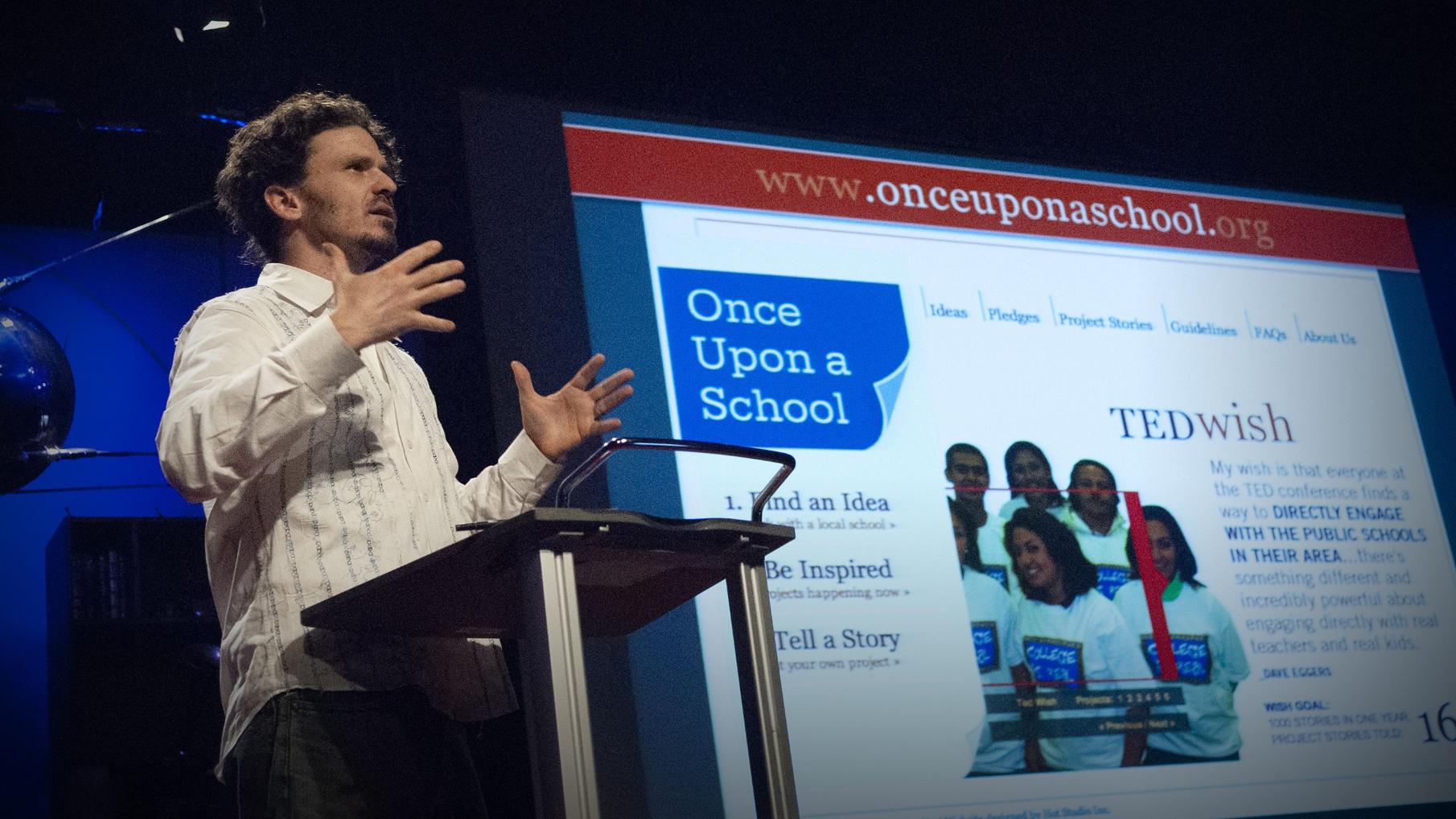
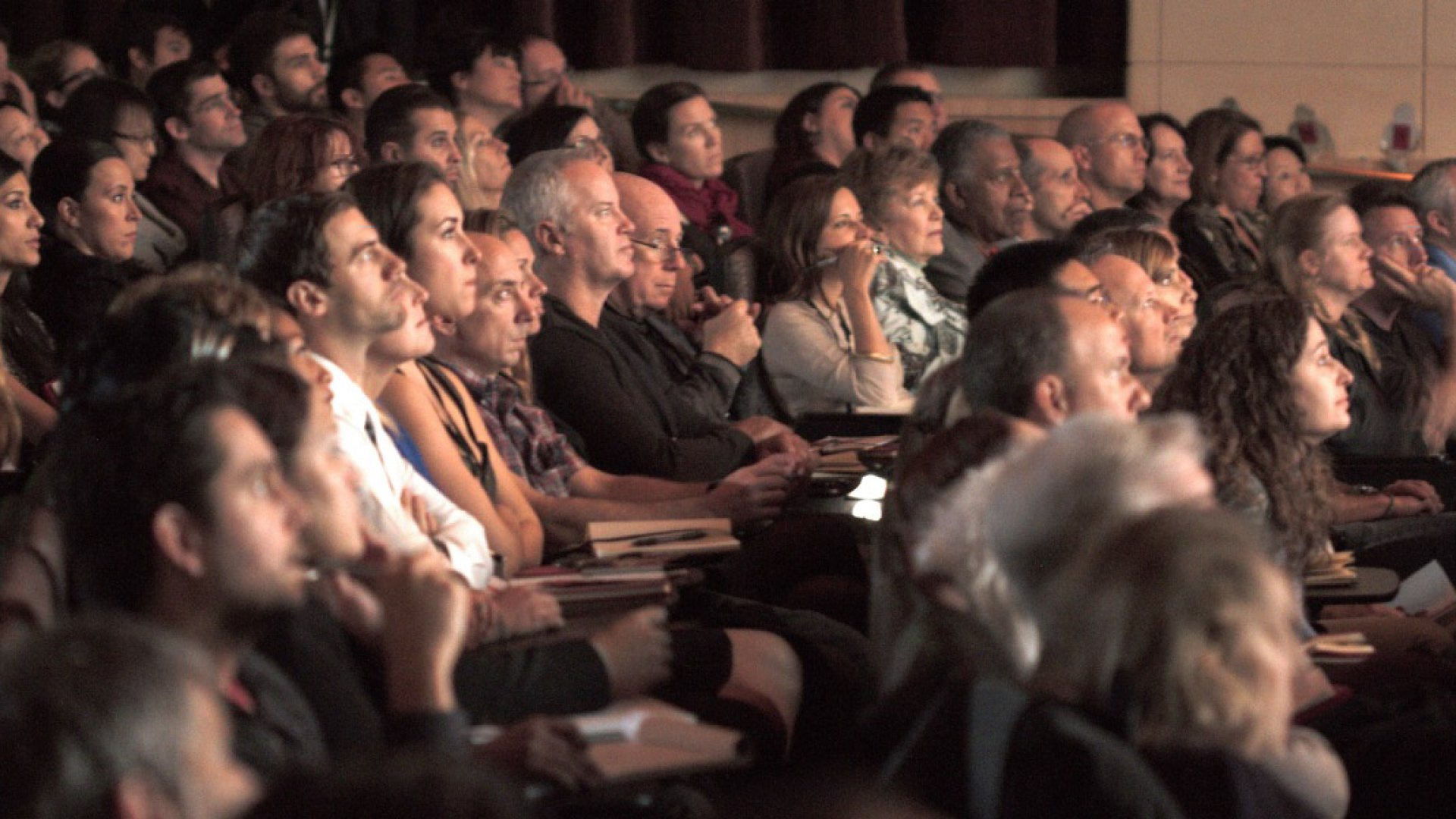
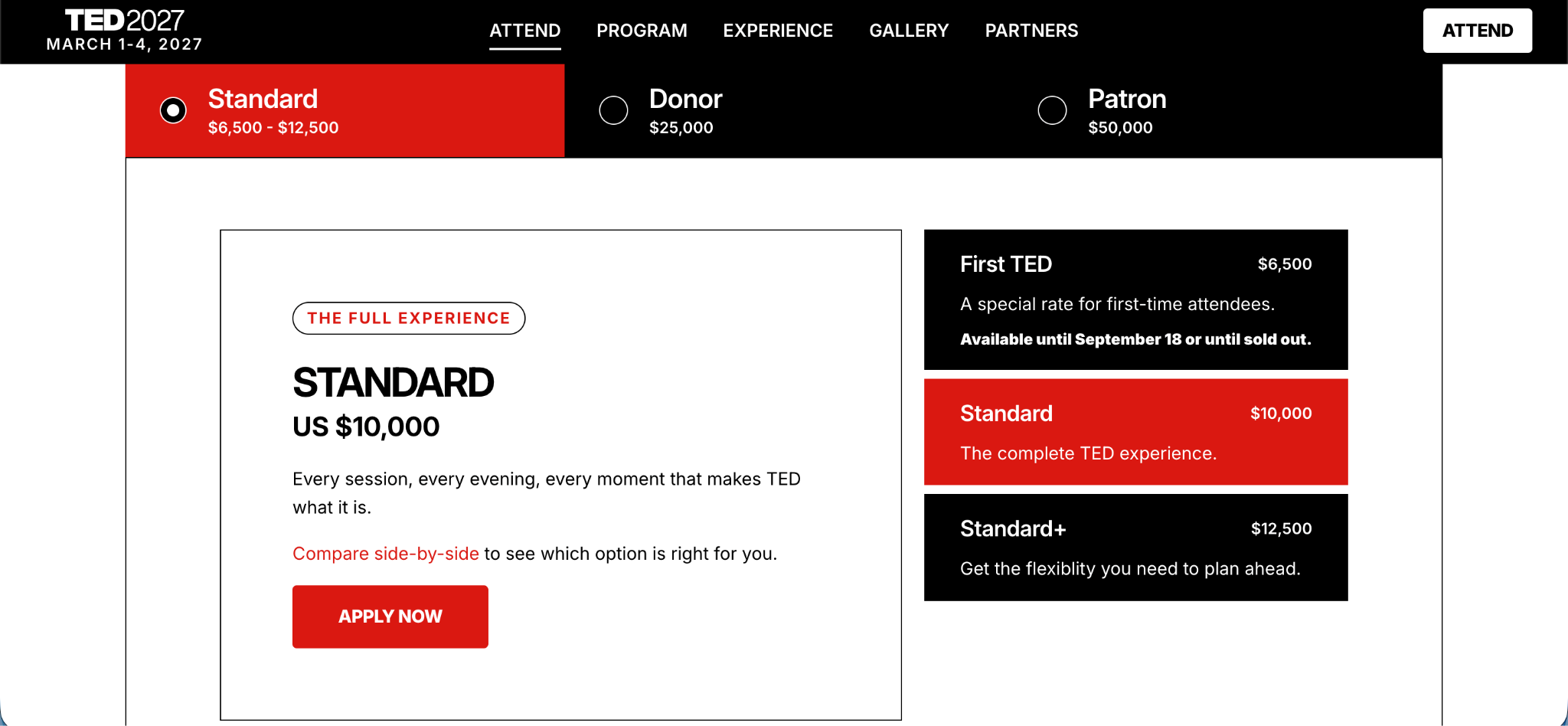
Before that year, TED was a conference, full stop. A Harvard Business School analysis put admission at around $6,000 in 2007, and reporting from a decade later put the price closer to $8,500, invitation required either way. The talks themselves were part of what that ticket paid for, seen live, by a room of a few thousand people, and nobody else.
That's what made 2006 such a strange call. TED took its most exclusive asset and posted it online for free, essentially handing away the exact thing people had been paying thousands of dollars to access.
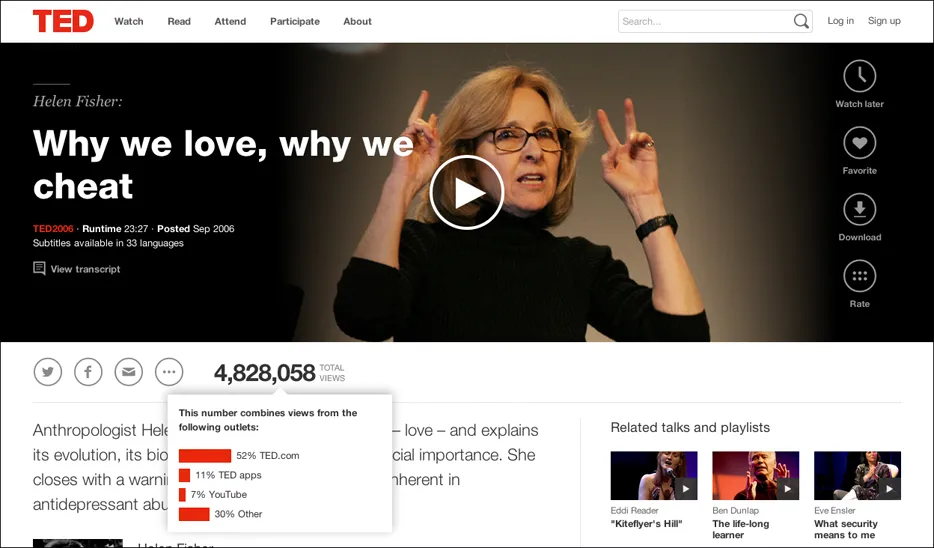
The bet paid off almost immediately. TED's own history of the decision notes the first talks it posted online reached a million views within months, an audience TED's physical conference could never have reached on its own, no matter how many years it ran.
That's the whole logic of the decision showing up in real numbers. A free talk cost TED almost nothing extra to distribute, and it reached people a $6,000 ticket price had permanently locked out.
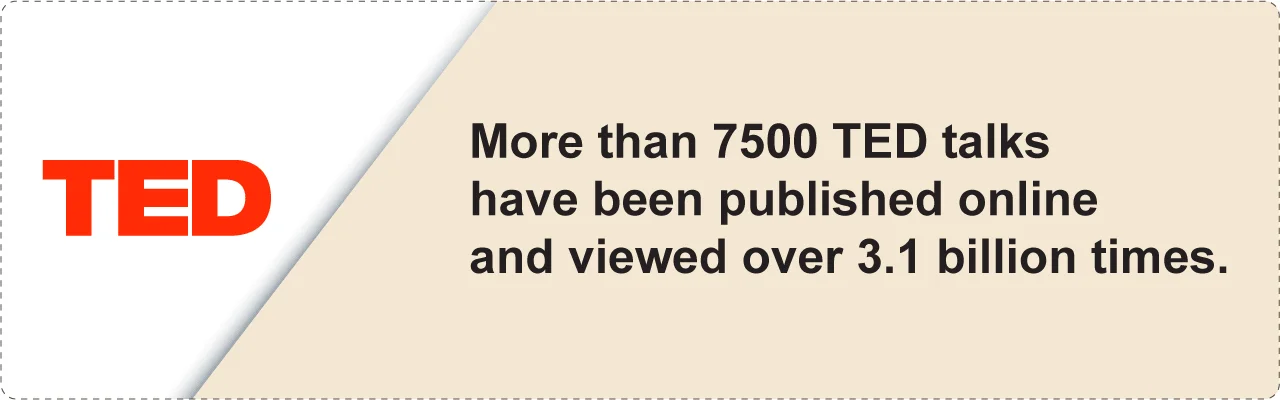
By 2009, TED's online talks had crossed 100 million total views. Today, TED reports roughly a billion views a year, numbers that dwarf anything the conference itself could ever produce, even filled to capacity every single year since 1984.
Free content built an audience far larger than the paying conference could ever reach on its own, rather than shrinking it, and every one of those viewers now knew exactly what TED was.
The original ticket price, the first million views, and the billion views a year TED gets now form a pretty clear arc: giving the talks away didn't make TED's brand less valuable, it made TED's brand something millions of people actually knew existed. Free content became TED's advertisement for itself.
The lesson for other businesses isn't necessarily that every product should be free, but rather that a locked door only lets in the people already willing to pay. A free sample, on the other hand, can introduce a business to everyone else, the exact audience that eventually decides whether to become a paying customer.
Free Content Should Lead to Something Worth Paying For
Giving something away only works as a strategy if there's still something worth paying for on the other side of it. TED made one specific piece free, the talks themselves, while keeping everything else the free version couldn't replace.
The 2006 decision only worked because of what TED kept back.
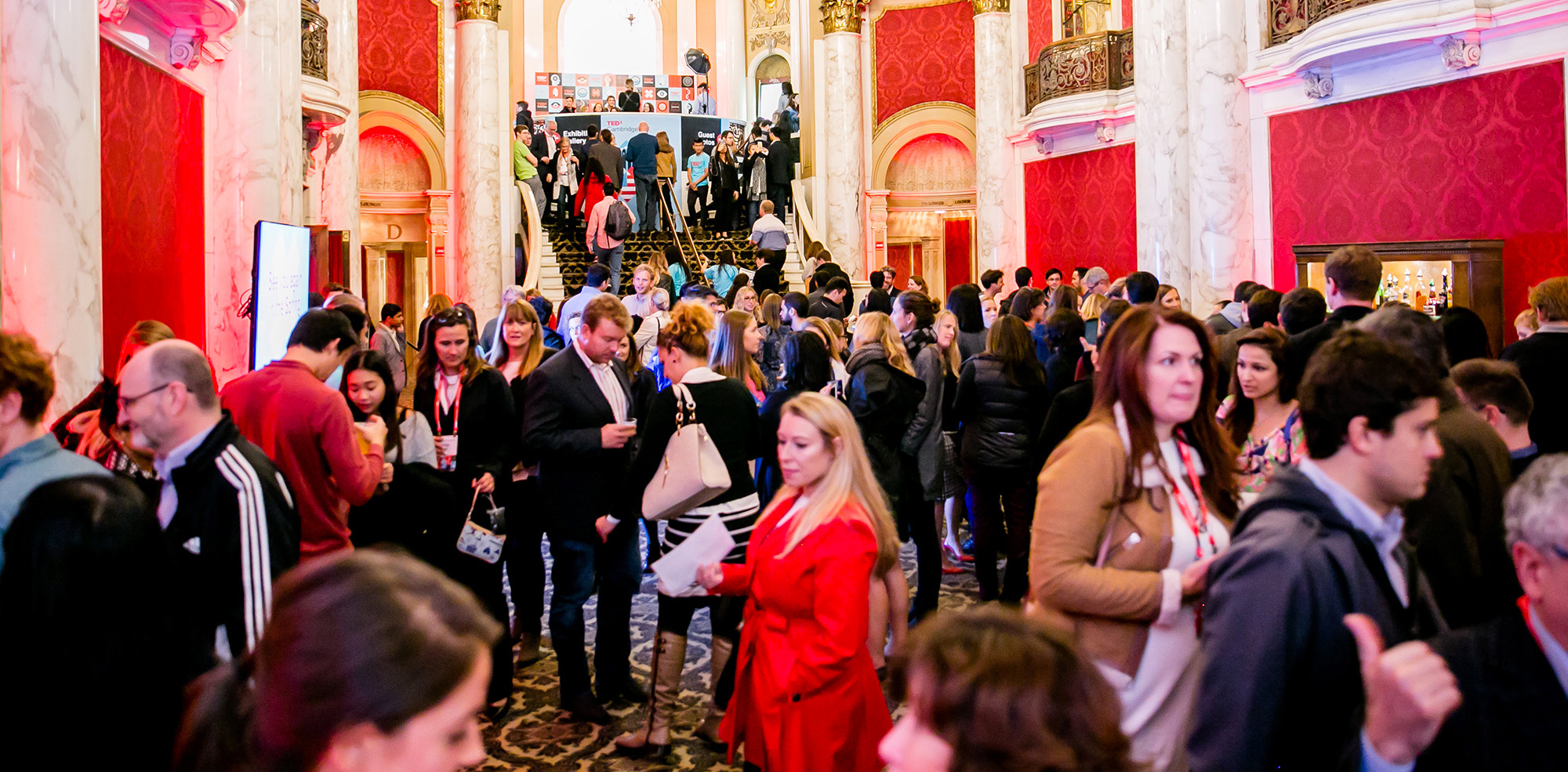
Watching a TED talk online gets you the idea, the argument, the eighteen minutes on stage. It doesn't get you the live room, the other attendees, the networking, the days spent alongside people building or funding the same kinds of ideas being talked about on stage.
Those two things aren't competing products. One is content, and the other is an experience content was never going to replace, no matter how good the video quality got.
View this post on Instagram
TED's conference kept selling out year after year even as the free version reached hundreds of millions of people who'd never pay to attend. Attendees weren't paying to access information anymore, information was freely available to anyone with an internet connection. They were paying for a room, a network, and a live experience that no video could substitute for.
If free content were actually replacing the paid product, ticket demand should have dropped. It didn't, which is itself evidence that the two products were never really competing with each other.
TED has been explicit about how this works financially. On its own "How TED Works" page, the organization states plainly that everyone who buys a conference pass is helping fund the free TED Talks, TEDx, TED Fellowships, and TED-Ed lessons shared with the world at no cost.
Two different products, serving two different needs, not one product given away in two different formats. By TED's account, the paying audience isn't losing out to the free one, it's funding it.
The split between video and live experience, the conference's continued sellouts, and TED's own explanation of how ticket revenue funds the free content, taken together, point to a straightforward lesson: free content works when it's genuinely different from what people still pay for, not a worse version of the same thing.
For any business borrowing this idea, the key is to be clear about what actually gets given away, and make sure it's building trust and demonstrating value, not just costing you revenue. The paid version should offer something the free version structurally can't, like deeper access, a live experience, more depth, more support, whatever the free content was never designed to replace.
A Large Free Audience Creates Multiple Ways to Make Money
Once a free audience gets big enough, its value stops being tied to how many of those people eventually become paying customers. A large enough audience becomes valuable in its own right, to sponsors, partners, and revenue streams that have nothing to do with the free content itself.
TED's own numbers make this pretty easy to see.
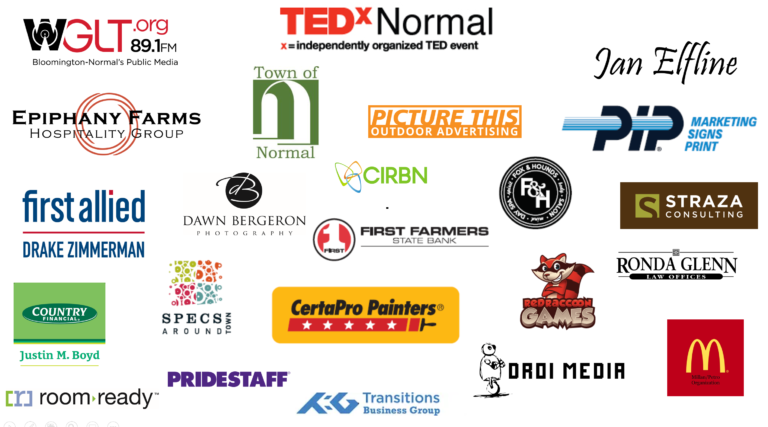
TED's reporting on its funding lists a genuine mix of conference attendance fees, corporate sponsorships, foundation support, licensing fees, and book sales, all separate from whatever revenue the free talks themselves might generate.
None of those revenue streams require someone to pay for the free content directly. Each one exists because the free content built an audience large enough, and trusted enough, for other organizations to want a piece of that reach.
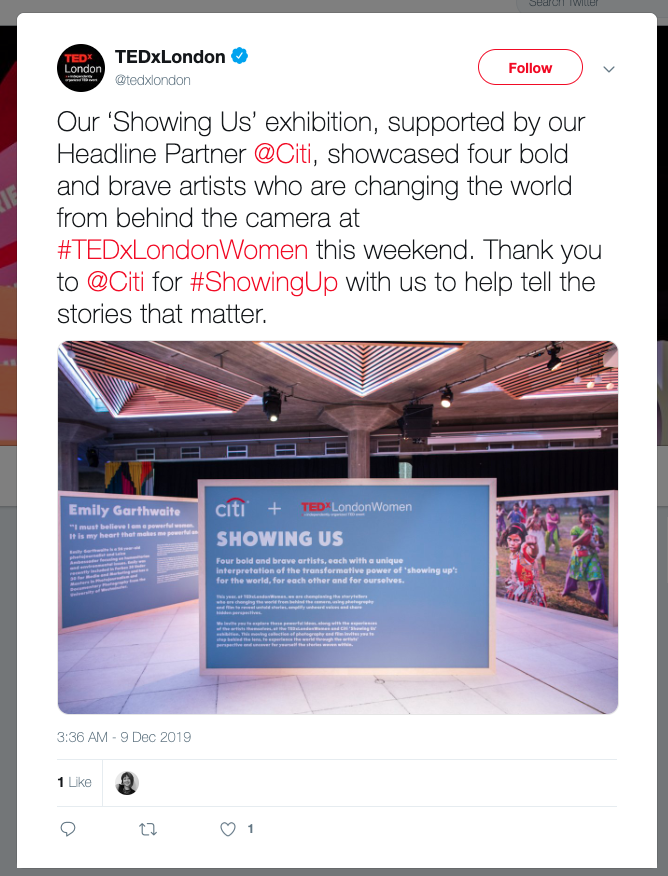
That's a meaningfully different business than "give away the demo, sell the product." TED's free talks don't need to convert every viewer into a paying customer to justify their own existence. Sponsors and foundations pay to be associated with the reach and reputation the free content built, not to unlock the content itself.
The free talks essentially fund themselves by attracting the kind of attention that opens up entirely separate revenue conversations, ones a smaller, paywalled audience never could have started.
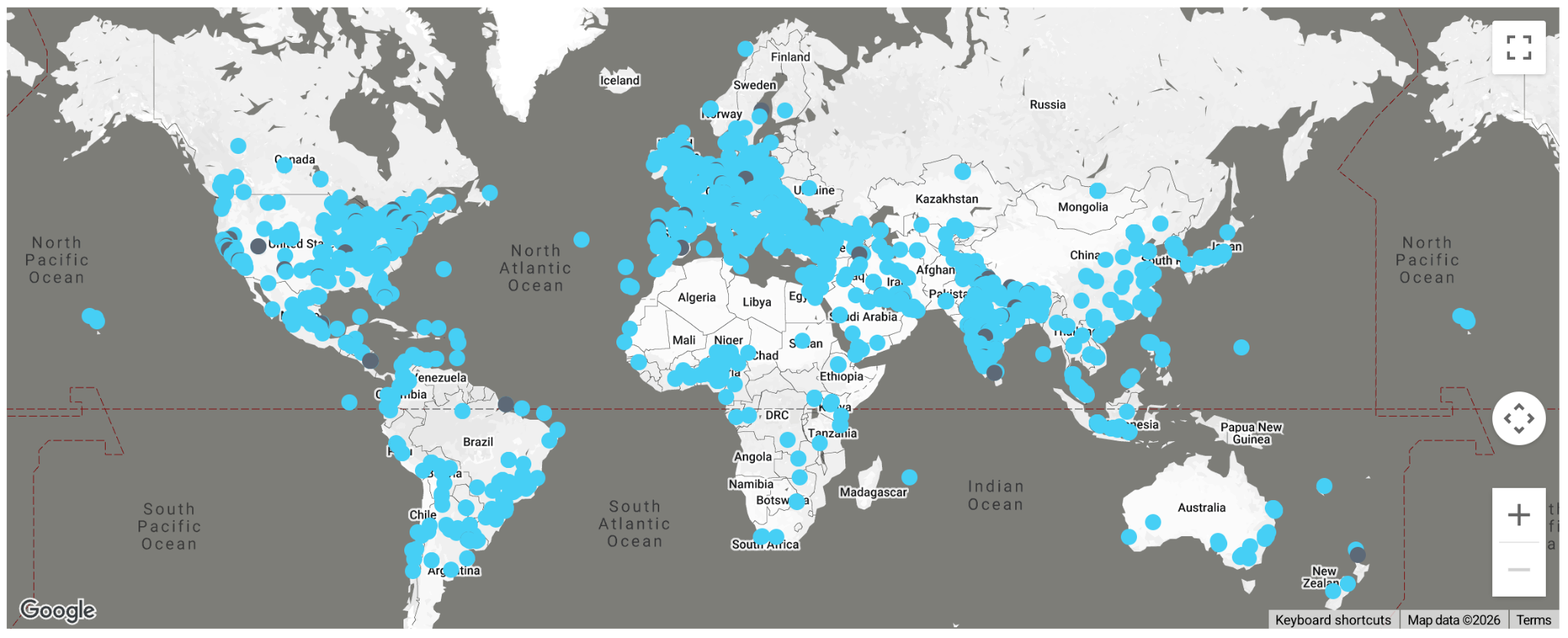
TEDx, launched in 2009, extended this even further. TED opened up free licenses for independently organized, TED-branded events around the world, and more than 8,000 such events have since been held, each one carrying TED's name and ideas into places the original conference never could have gone on its own.
That's what a big enough free audience makes possible: growth that doesn't route back through TED's own wallet at every step, because the audience and the brand itself became valuable enough for other organizers to build on.
Stack the diversified funding sources, the sponsorship and licensing revenue built on reach rather than direct payment, and the TEDx expansion together, and you'll notice that a free audience doesn't have to convert into paying customers to be worth something. Sometimes its size and trust are the actual product being sold, just not to the people consuming it for free.
Any business sitting on a free audience can take the same lesson: that audience can be valuable in more than one direction. It's not just a funnel toward a sale, it can become an asset that attracts partners, sponsors, or entirely separate revenue relationships that never touch the original free product at all.
Main Takeaway
The audience TED's free talks built, the paid experience that free content never replaced, and the additional revenue streams that large audience eventually attracted all trace back to the fact that giving away the thing people used to pay for turned out to be how TED built something worth far more than the original ticket price ever was.
Giving away valuable content doesn't mean giving away the business. Free content can reach people a price tag never could, build trust with an audience a paywall would have kept invisible, and open up revenue that has nothing to do with the free content directly. Together, those three things explain why TED's most controversial decision became the foundation of everything it built afterward.
For businesses more broadly, the overarching lesson isn't 'make everything free.' It's knowing which part of what you make is actually the advertisement, and which part is still worth charging for once people are convinced.