




Lower prices can attract more customers, but that isn’t always a good thing if a business can’t increase its supply. New York City’s rent freeze shows how making something cheaper can increase demand or protect existing customers without necessarily solving the shortage underneath it.
In June 2026, New York City’s Rent Guidelines Board voted to freeze rents for one and two year leases covering roughly 1 million rent stabilized apartments. For tenants already living in those apartments, the benefit is immediate as they can avoid a rent increase during the affected lease period. But the policy also raises a broader business question. What happens when prices fall but the amount of something available doesn’t increase?
Lower Prices Can Create More Demand Without Creating More Supply
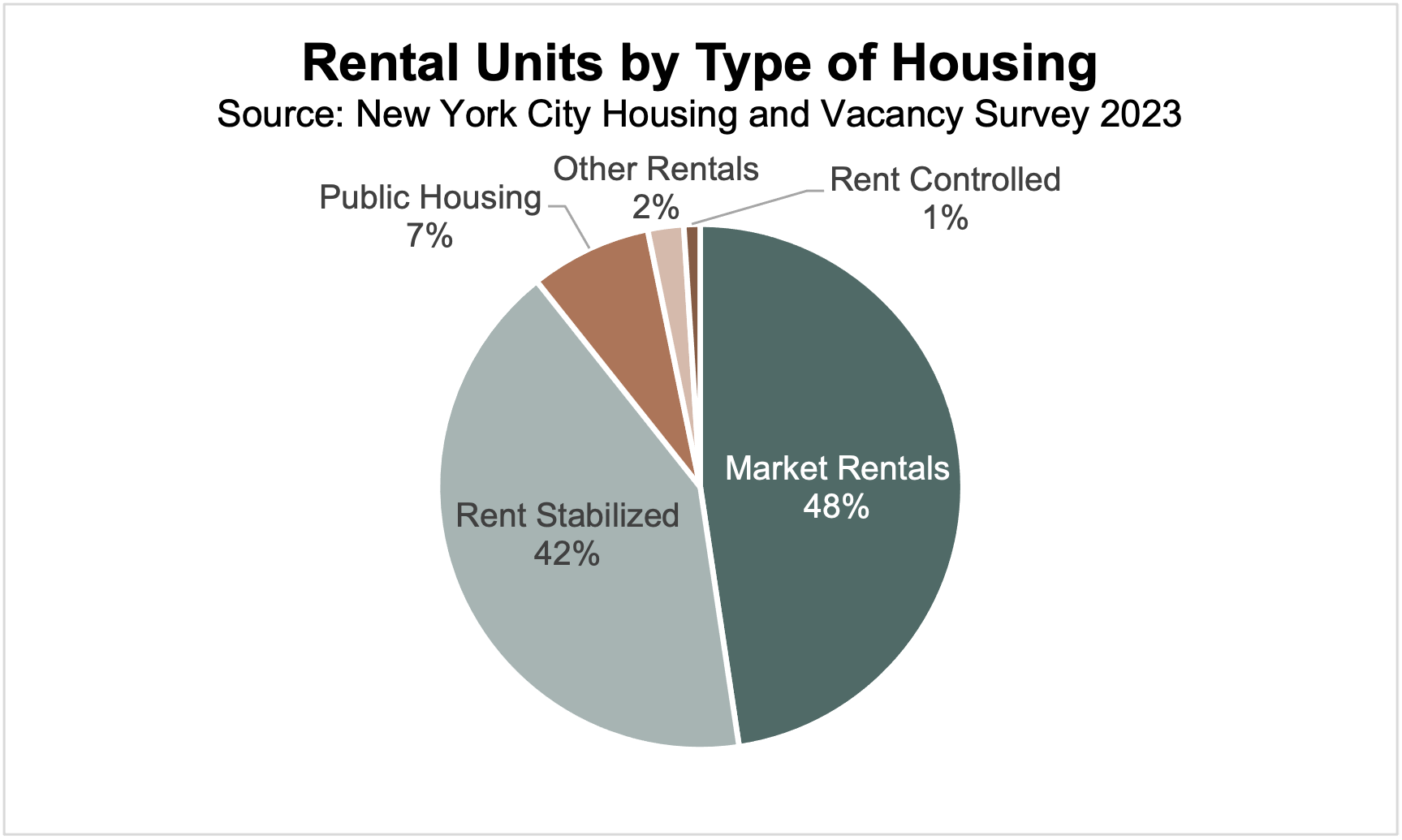
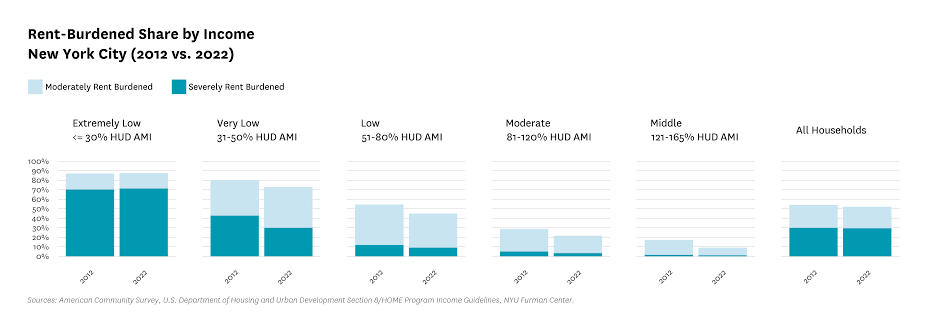
The rent freeze provides a clear example of how lowering a price can benefit existing customers without creating more supply. More than half of New York City renters are considered rent burdened, meaning they spend at least 30% of their income on rent. For those already living in rent stabilized apartments, keeping rents from increasing can make it easier to remain in their homes.
That short term benefit is important, but it doesn’t create additional apartments. Vox notes that some housing researchers view rent regulation primarily as a way to provide tenant stability rather than solve the city’s long term housing shortage. New York’s rental vacancy rate was only about 1.41% in 2023, showing how limited the supply already was.
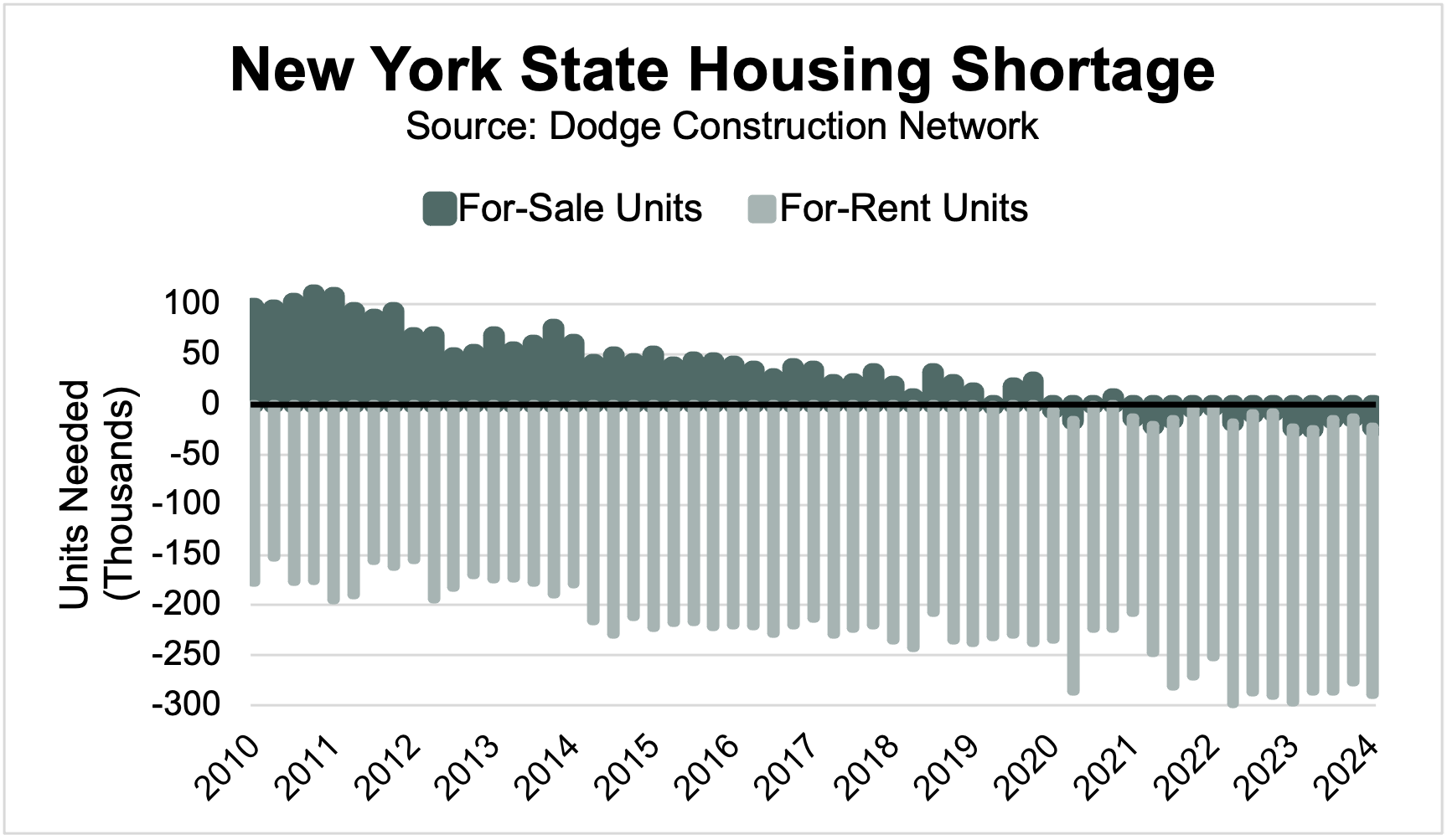
The shortage becomes even more important when people stay in their apartments longer. Nearly 90% of NYC renters remained in the same apartment from 2023 to 2024. While that stability can be positive for existing tenants, it also means fewer apartments become available to people looking for housing.
The same idea applies to a business. A restaurant can cut prices and attract more customers, but that doesn’t automatically give it more tables. A clothing company can offer a huge discount, but it doesn’t magically create more inventory. A service business can lower its rates, but it still has the same number of employees available to do the work.
Lower prices can create demand very quickly. The problem is that supply usually takes longer to increase.
Growing Demand Is Only Valuable If a Business Can Handle It

Businesses often treat rising demand as an automatic sign that things are going well. But if production, inventory, employees, or customer service can’t keep up, more customers can actually create new problems.
Imagine a restaurant offering a major discount and suddenly receiving twice as many orders. If the restaurant doesn’t have enough employees, ingredients, or kitchen capacity, customers may experience longer waits and worse service. The promotion succeeded at attracting customers but failed at creating a better business.

The New York housing market faces a similar supply problem. Critics of the rent freeze point to rising operating costs for rent stabilized buildings, which increased 5.3% over the previous year, including a 10.5% increase in insurance costs. If rental income stays flat while expenses rise, property owners may have less money available for maintenance and repairs.
That creates a problem businesses face all the time: revenue and expenses don’t exist separately. A business needs enough money coming in to pay employees, maintain equipment, purchase inventory, and invest in future growth.

Critics also argue that lower potential returns could discourage some owners from renovating vacant rent-stabilized apartments and putting them back on the market. There are already an estimated 50,000 “ghost apartments”, rent stabilized units sitting vacant instead of being rented.
Whether or not every concern surrounding the rent freeze plays out, the business lesson is straightforward. Creating demand without increasing capacity can expose weaknesses that weren’t obvious before.
Before launching a major discount or marketing campaign, a business should know whether it has enough inventory, employees, technology, fulfillment capacity, and customer support to handle the customers it hopes to attract.
Lower Prices Can Make It Harder to Keep Up With Demand
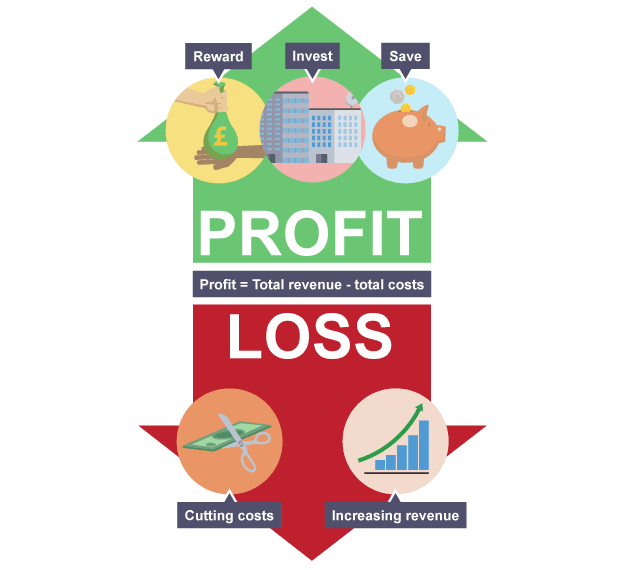
A price needs to do more than attract customers. It also needs to generate enough revenue to cover costs and leave the business with money to operate and grow. The U.S. Chamber of Commerce emphasizes that pricing decisions should consider a company’s financial stability, goals, customers, competitors, and brand, not simply how low the company can make its prices.
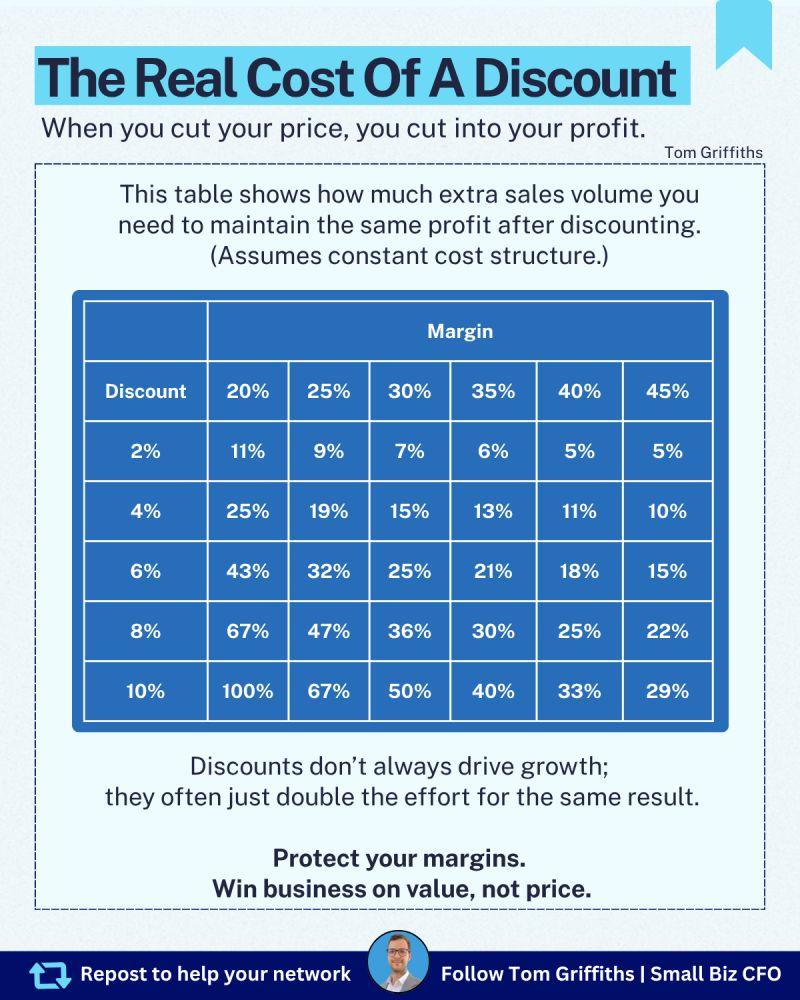
Discounts can increase sales, but they also reduce the amount earned from each transaction. That means a business has to sell enough additional products or services to make up for the lower profit per sale.
For example, imagine a business normally makes $20 in profit on a product but offers a discount that reduces its profit to $10. The company now needs twice as many profitable sales just to make the same amount of money. If demand doubles but the business doesn’t have enough capacity to handle those sales, the discount can create more problems than it solves.
Over discounting can also change customer behavior. If customers learn that a company regularly offers sales, they may start waiting for the next discount instead of buying at full price. The business can then become dependent on promotions to maintain demand.

That doesn’t mean businesses should never lower prices. Instead, they can use targeted promotions, bundles, loyalty programs, limited-time discounts, or different product tiers to increase demand without permanently reducing what every customer pays.
The New York rent-freeze debate provides a useful analogy. Tenants benefit immediately from paying less, but property owners still have to deal with maintenance, insurance, and other costs. For a business, the equivalent is attracting more customers while earning too little per sale to support the additional work required to serve them.
The goal isn’t simply to create the most demand possible. It’s to create the amount of demand the business can serve profitably and well.
Main Takeaway
Lower prices can be a powerful way to attract customers, but more demand isn’t automatically better. New York’s rent-freeze debate illustrates what can happen when prices are held down while supply and operating costs remain difficult to change.
For businesses, the lesson is to look beyond how many customers a promotion can attract. Before lowering prices, owners should make sure they have enough supply, capacity, cash flow, and profit to handle the demand they are trying to create. The strongest pricing strategy isn’t the one that attracts the most customers, it is the one that attracts customers a business can successfully serve and afford to keep.