




Most online shopping asks you to remember something later. An ad sparks interest, then you're supposed to go find that product again somewhere else. Whatnot built a $20 billion company by skipping that step entirely.
Whatnot launched in December 2019, started by Grant LaFontaine and Logan Head as a livestream marketplace for collectors trading things like Pokémon cards and Funko Pops on camera. What started as a niche hobby platform turned into something way bigger.
By 2026, Whatnot covered more than 250 categories, was pulling in over 650,000 new users a week, and had already crossed $8 billion in merchandise sold, in just the first half of the year. In August 2026, a $545 million funding round pushed its valuation to $20 billion.
Instead of splitting discovery and purchase into two separate steps like most shopping does, Whatnot just closed the gap between them.
Give Customers a Reason to Stay Engaged
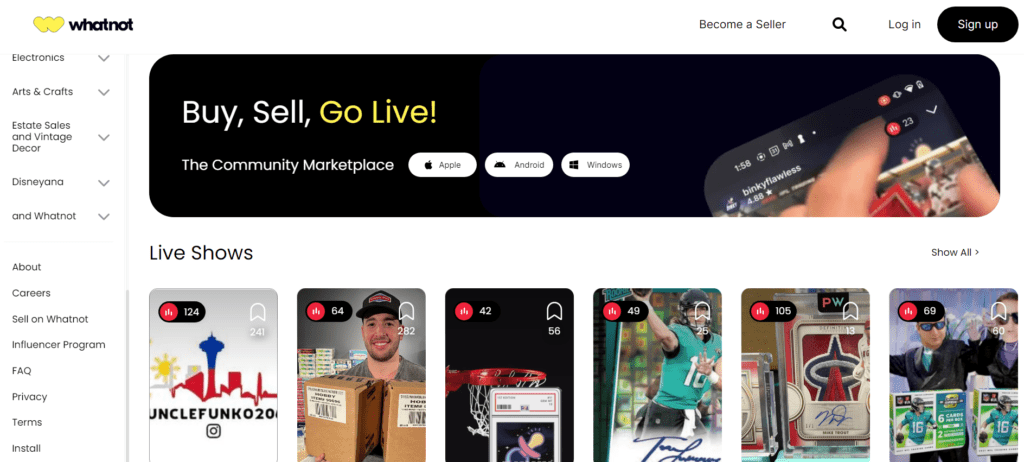
Whatnot's whole platform works because it merges content and shopping into one thing, so people stick around instead of clicking away to buy somewhere else.
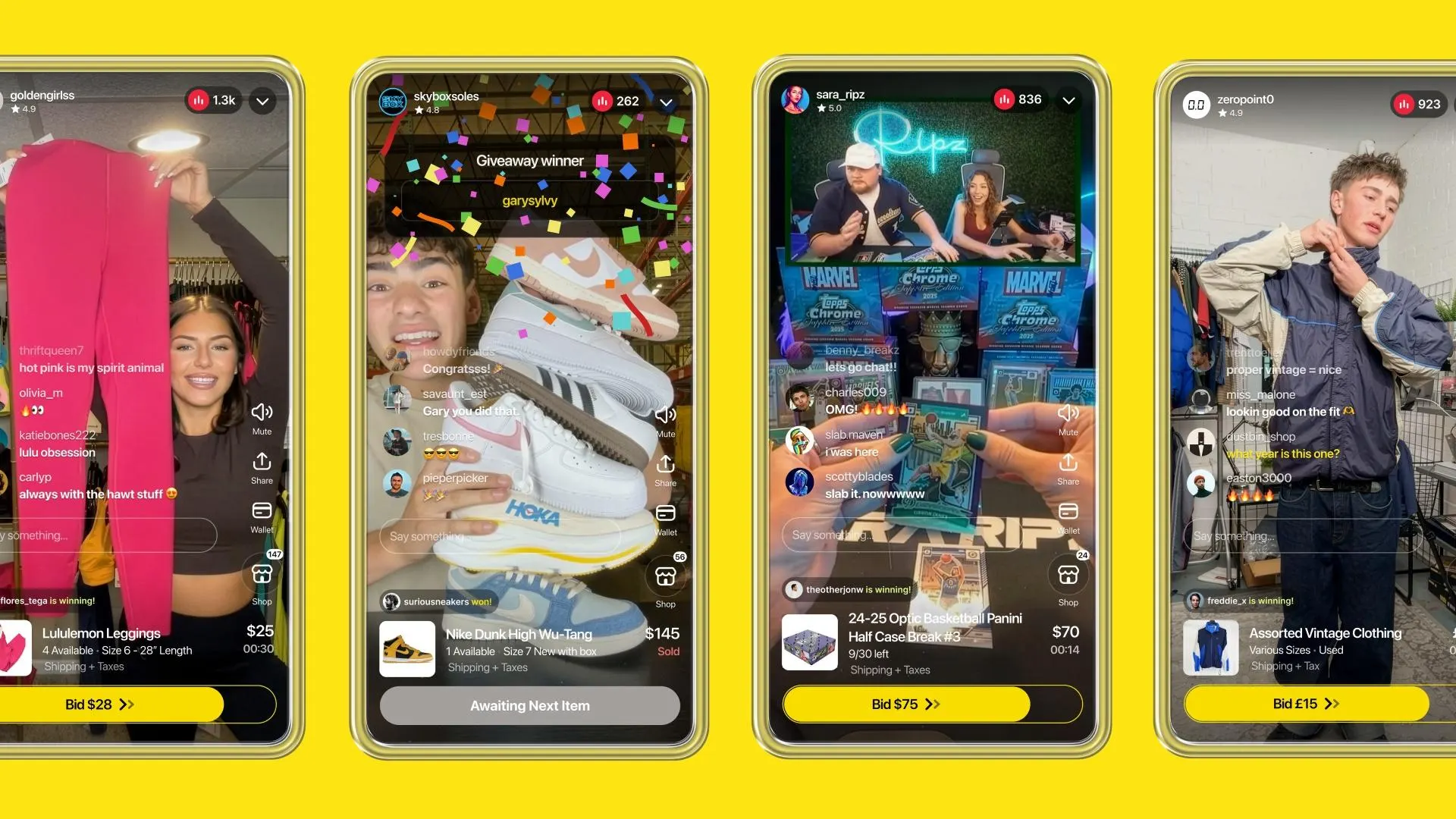
Watching content and shopping have always been things people enjoy separately, scrolling for entertainment, browsing a store to buy something. Whatnot merged the two directly, letting sellers demonstrate products, take questions, and make their pitch live, so buying starts to feel more like watching a show than filling out a checkout form.
That merger is a big part of why the platform can hold someone's attention long enough to actually sell to them. A viewer isn't getting pulled away to "think it over," they're already sitting right where the decision needs to happen.
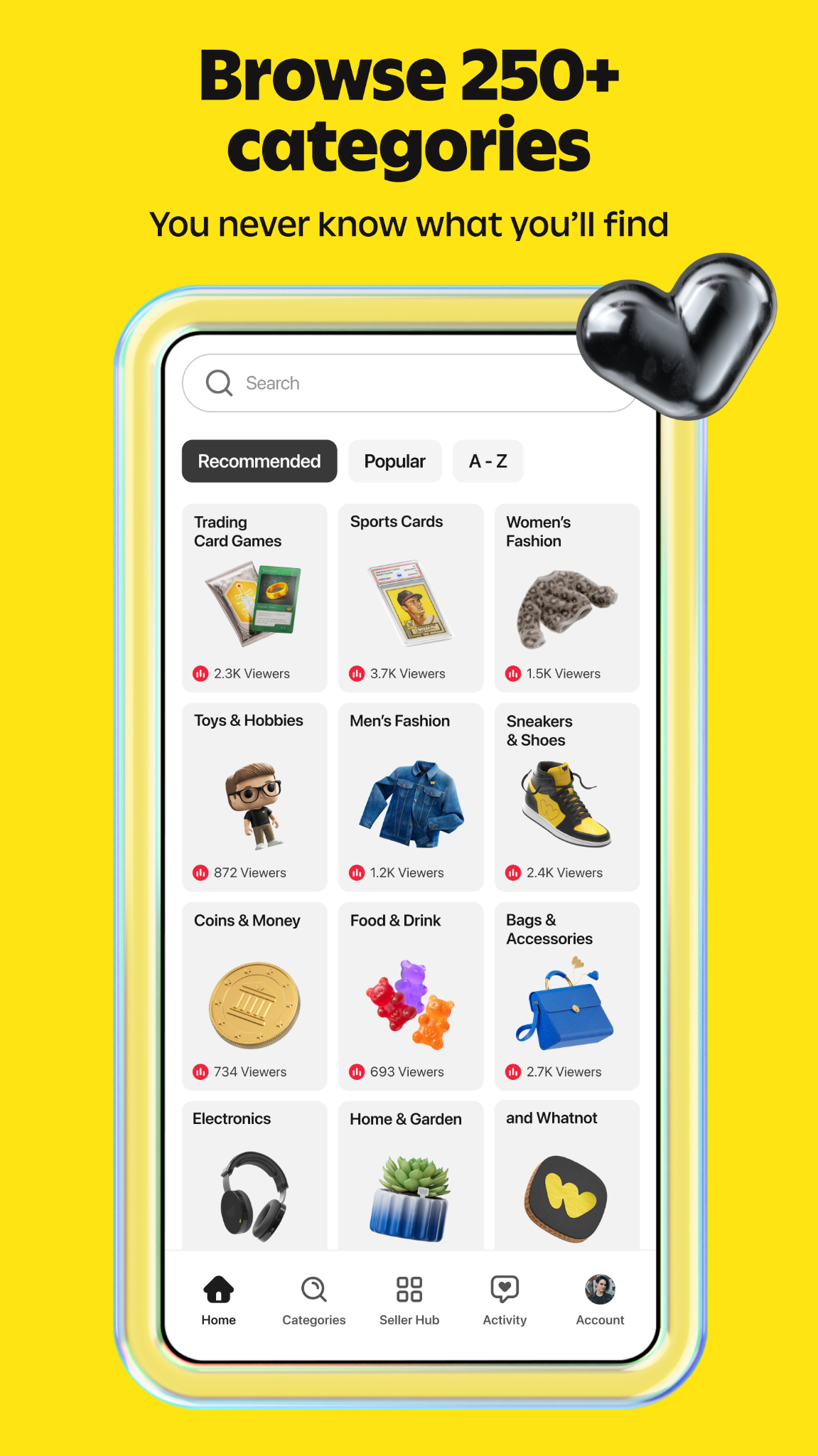
That format proved it could scale, not just work as a one-off gimmick. Whatnot now covers more than 250 categories and brings in over 650,000 new users a week, an audience built almost entirely on this same live, hybrid model.
Growth like that only happens when people keep coming back on their own, not because a business paid to shove itself into their feed again.
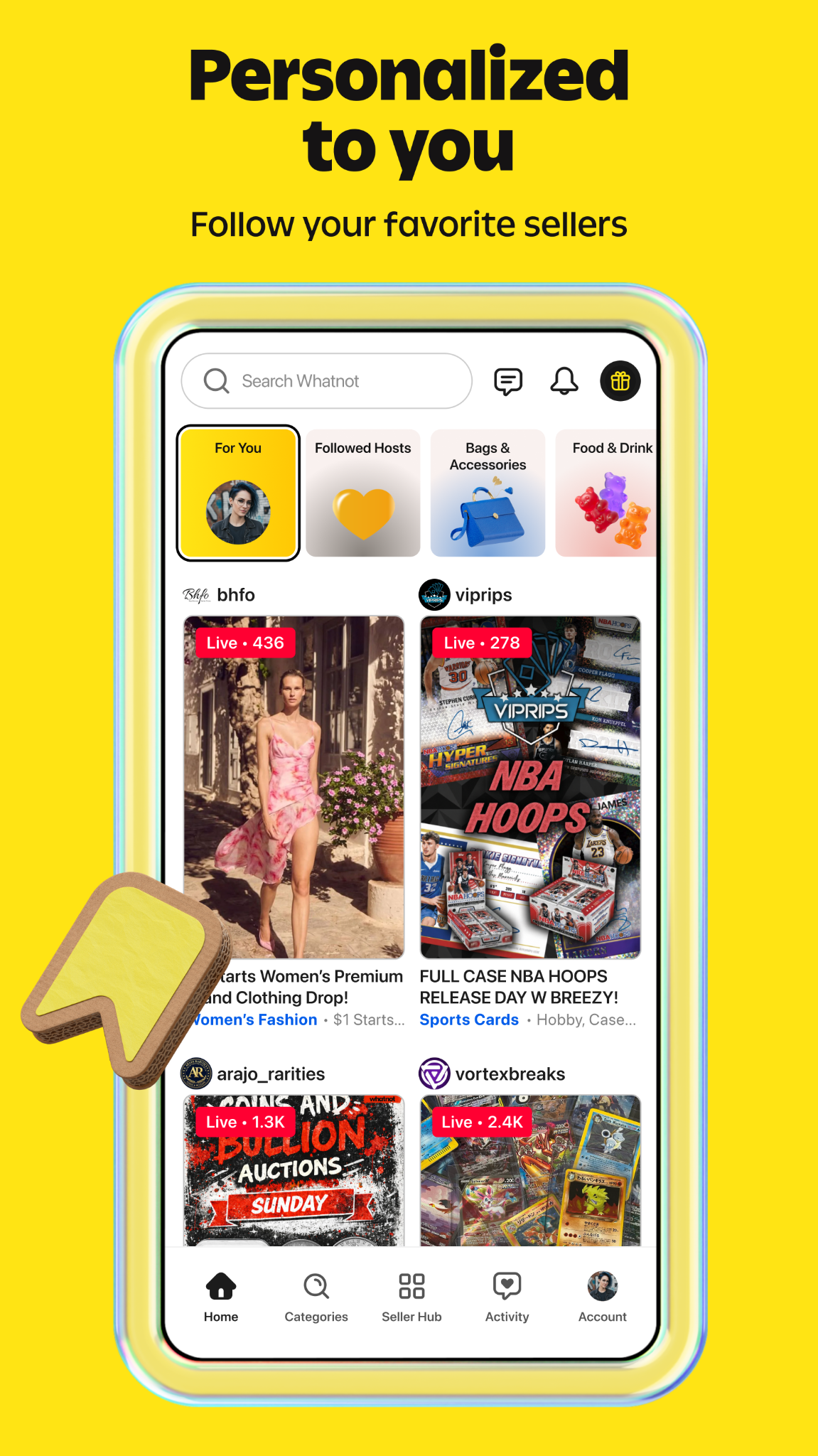
Whatnot also personalizes what someone sees while they're already watching, pulling from past purchases, categories they've engaged with, and sellers they follow.
That's the difference between hoping someone stumbles onto the right product on their own and simply putting it in front of them while their attention's already there.
Put those three things together, merging content and shopping, proving it scales, and getting the right product in front of the right person. They're all doing the same job: closing a gap the usual shopping path leaves wide open. That typical route, see an ad, leave, search, maybe buy, gives interest a chance to cool at every handoff. Whatnot removed one of those handoffs entirely, by making discovery itself part of the purchase.
A business doesn't need to become an entertainment platform to borrow this. It just needs to treat discovery and conversion as the same moment, not two stages a customer has to travel between alone.
Give Customers a Reason to Act Now

Getting someone engaged only matters if it leads somewhere, so Whatnot built specific mechanisms that force a decision while interest is at its peak, instead of leaving that decision for later.
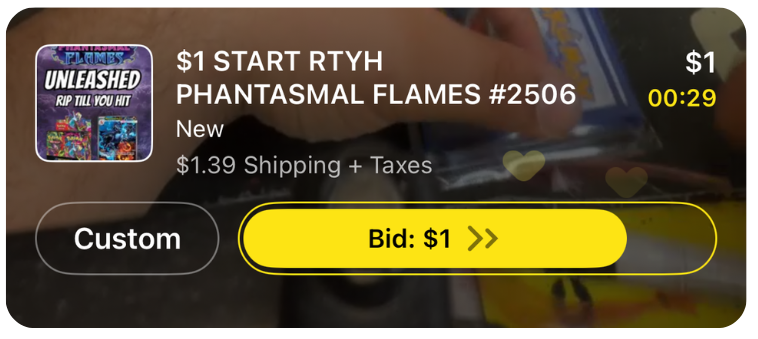
Live auctions create a real deadline. Sellers run countdown-based bidding in real time, and Whatnot says a lot of its auctions wrap up in 30 seconds or less.
There's barely enough time to second-guess yourself in that window, and that's the whole point. Decide now, or the moment's gone.
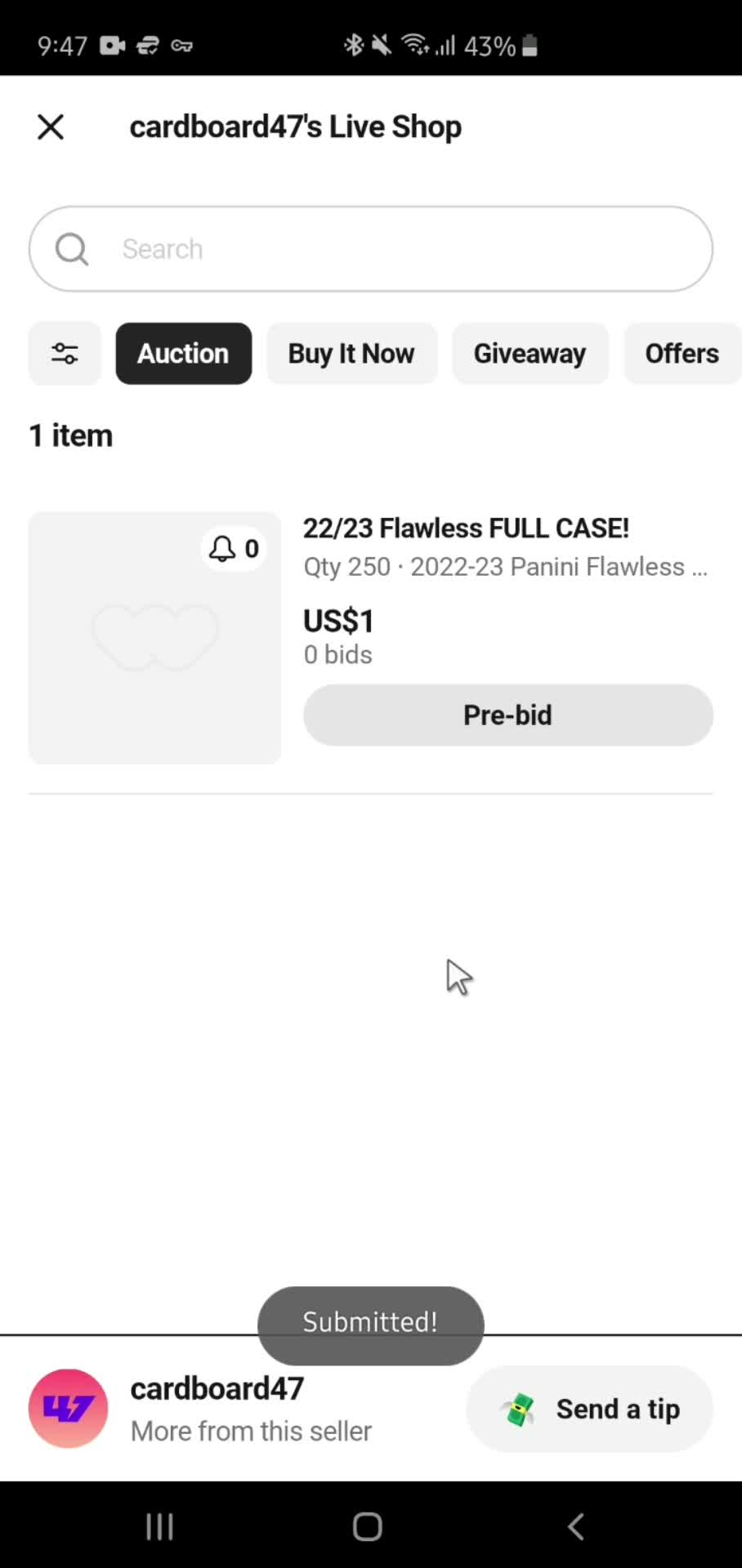
Not everyone wants the drama of bidding, though, so Whatnot also built "Buy It Now," giving certainty to shoppers who already know what they want instead of making them wait through an auction to reach it.
That closes the gap for a different kind of buyer entirely, someone who doesn't need suspense, just a fast way to get to yes.
Whatnot has kept building on that same urgency with newer formats, including "Party Purchase," which pairs a countdown with group-buying goals and shared rewards.
That adds a second kind of pressure on top of the first, individual urgency plus the pull of a group deciding together in real time.
A forced deadline, an instant option for people who already know what they want, and group pressure on top of both, these are three different tools doing one shared job. A regular ad asks someone to act well after the moment that grabbed their attention has already passed. Whatnot keeps the decision inside the exact moment the interest was created.
Any business can build some version of this into its own experience, a deadline, a live moment, anything that turns "I like this" into "I need to decide now."
Make Buying As Easy As Possible When Interest Is High
Even a motivated buyer can lose momentum if the purchase itself takes too many steps, so Whatnot stripped nearly all of them out.
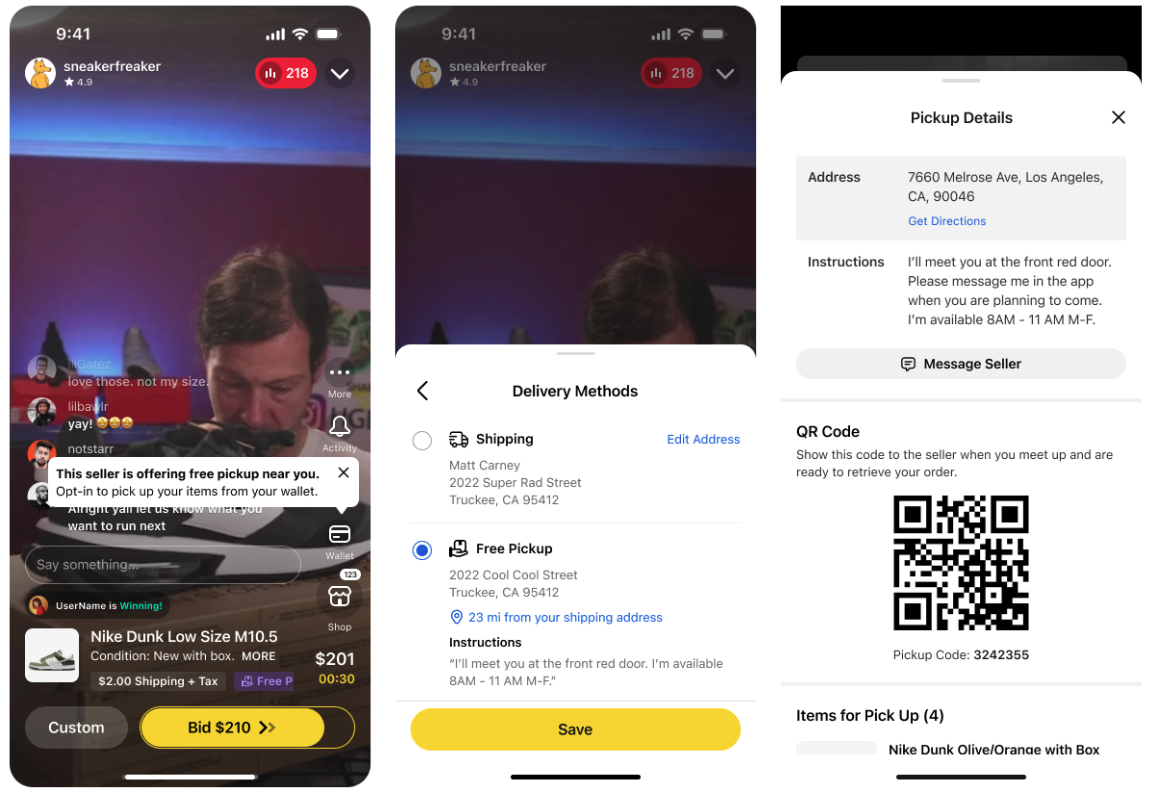
On Whatnot, discovery and purchase happen inside the exact same app. No detour to a separate website, no re-searching for the product somewhere else, no restarting a whole new checkout process.
Keeping the entire journey in one place means the sale happens right where the interest started, with nothing sitting in between to kill the momentum.
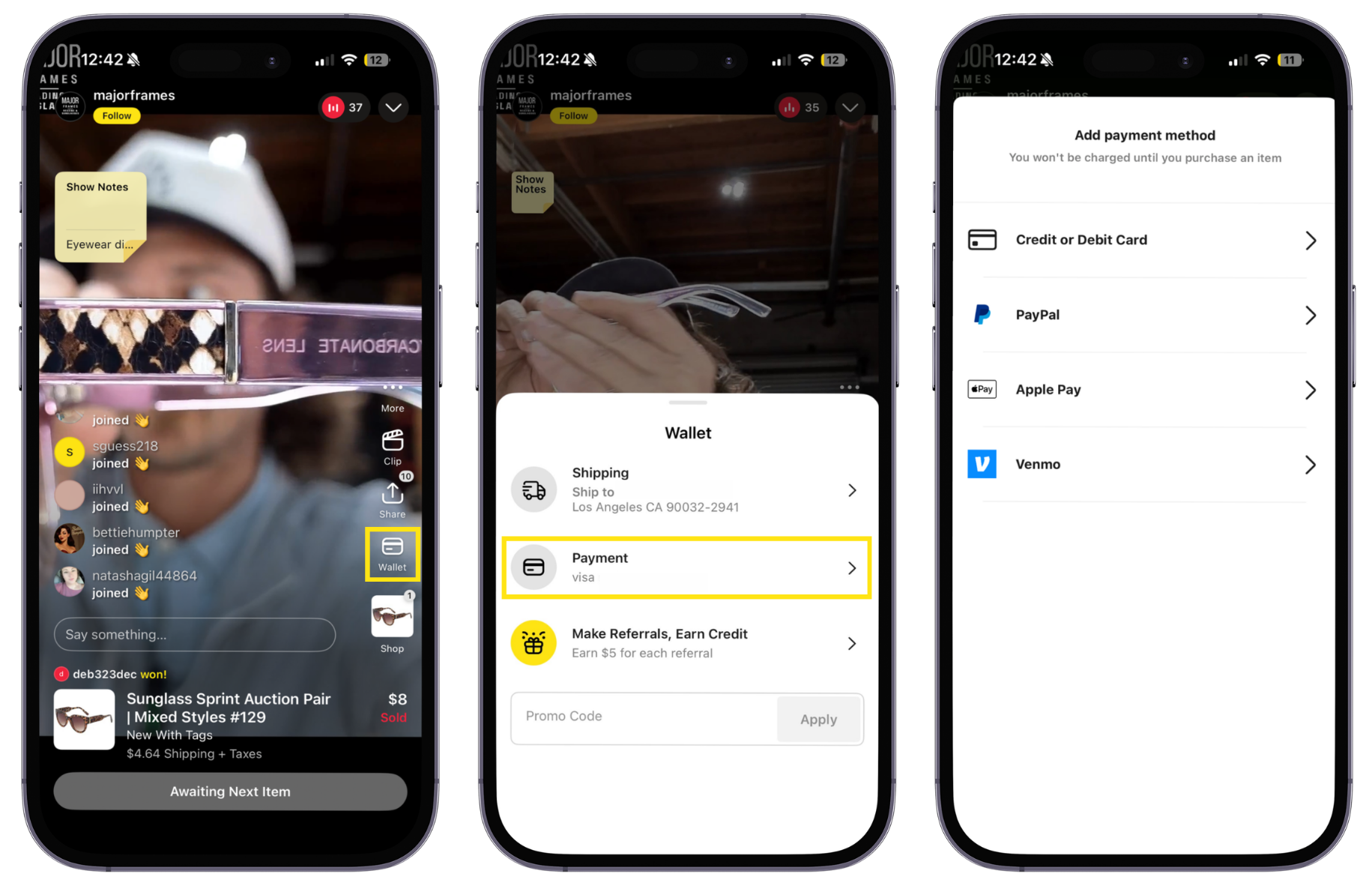
Payment works the same way. Customers save their info once, and winning an auction triggers an automatic charge, no separate checkout screen slowing anyone down right when they're most excited.
Even one unnecessary click at that exact moment is enough to lose someone who was otherwise ready to buy.
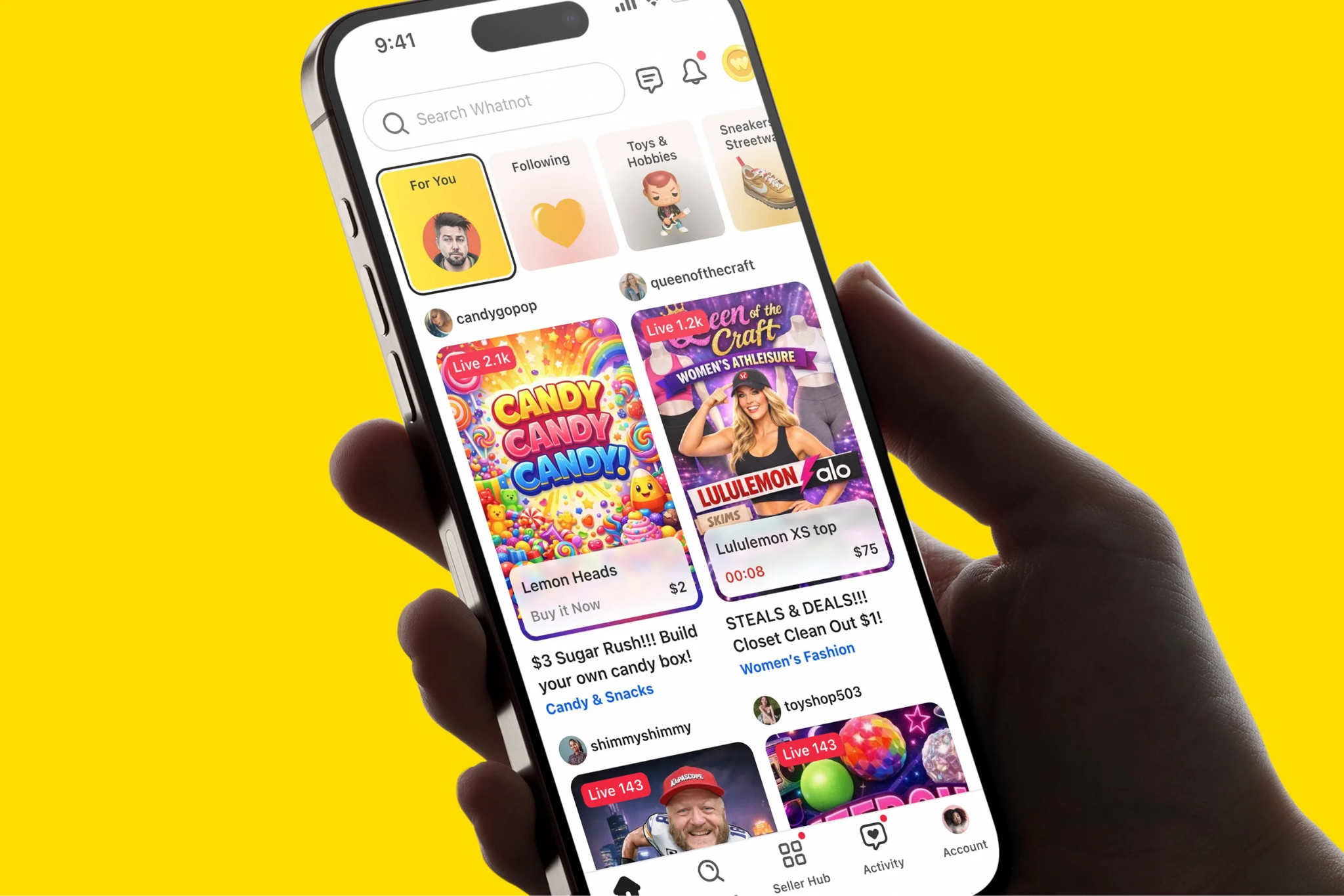
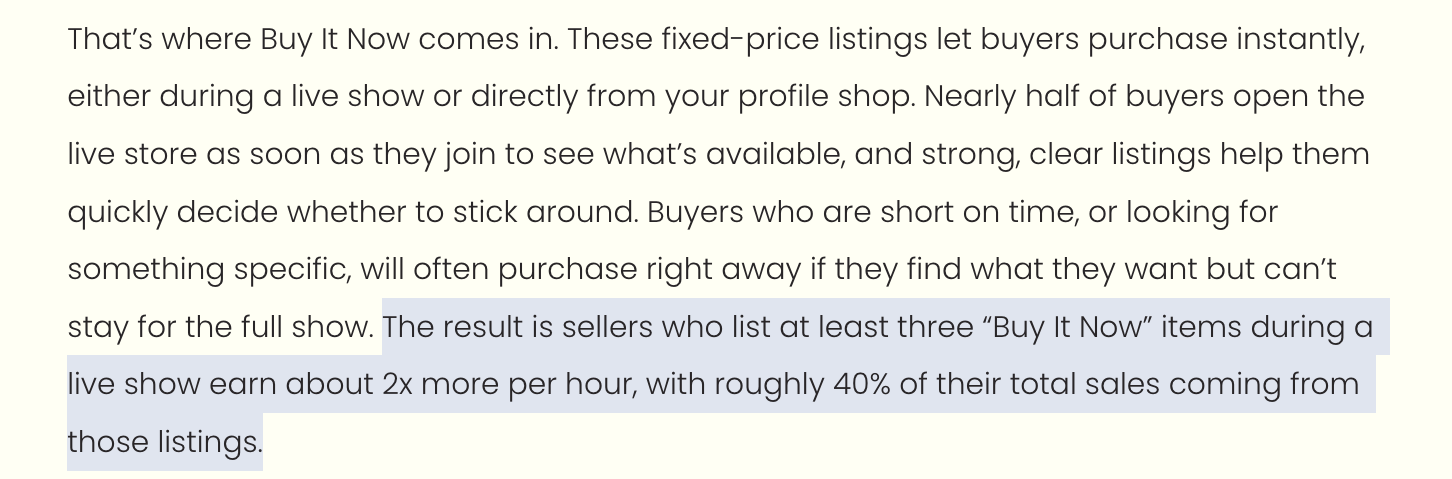
"Buy It Now" clears out whatever friction's left for shoppers who already know what they want, and Whatnot's own numbers show it pays off, not just for buyers, but for sellers too: those listing at least three "Buy It Now" products during a livestream reportedly earn about twice as much per hour, with roughly 40% of their sales coming from those listings alone.
That's not just a nicer experience for shoppers, it's real money for sellers too.
Keeping the whole journey in one place, removing the final checkout step, and proving the payoff shows up in seller earnings too, all of it points to the same idea. People lose interest at every extra step standing between wanting something and buying it. Whatnot's whole platform is built to get that number of steps as close to zero as possible.
This doesn't require a livestream to pull off, either. A restaurant can put "Order Now" directly on a social post, and an online store can link an ad straight to a specific product instead of a homepage. The rule is general: find the unnecessary step, and remove it.
Main Takeaway
Customers lose interest at every extra step standing between noticing something and buying it. Whatnot's engagement model gave people a reason to stick around, its urgency features gave them a reason to decide right then, and its instant checkout made sure that decision actually turned into a sale. Put together, those three things closed the distance between attention and purchase, and that's what built a $20 billion company.
The same idea works far outside livestream shopping. A restaurant can link straight from a social post to an order form instead of a homepage. An online store can send an ad directly to one product instead of asking someone to go browse for it. Any business can look at its own path from interest to purchase and ask how many of those steps are actually necessary, and how many are just costing them the sale.