



At just 24, Leopold Aschenbrenner managed to build an investment firm that reportedly reached tens of billions of dollars in assets, despite never having managed a fund before. His rise raises an obvious question: how did someone so young convince experienced investors to trust his judgment with so much money?
The answer was not simply his age or his connections. Before launching Situational Awareness, Aschenbrenner worked on OpenAI’s Superalignment team and published a 165-page essay explaining his view of how quickly AI could develop and what that would mean for the infrastructure behind it. His reputation came from demonstrating that he understood a rapidly changing industry, then turning that knowledge into an investment thesis.
Expertise Can Create Credibility Before Experience
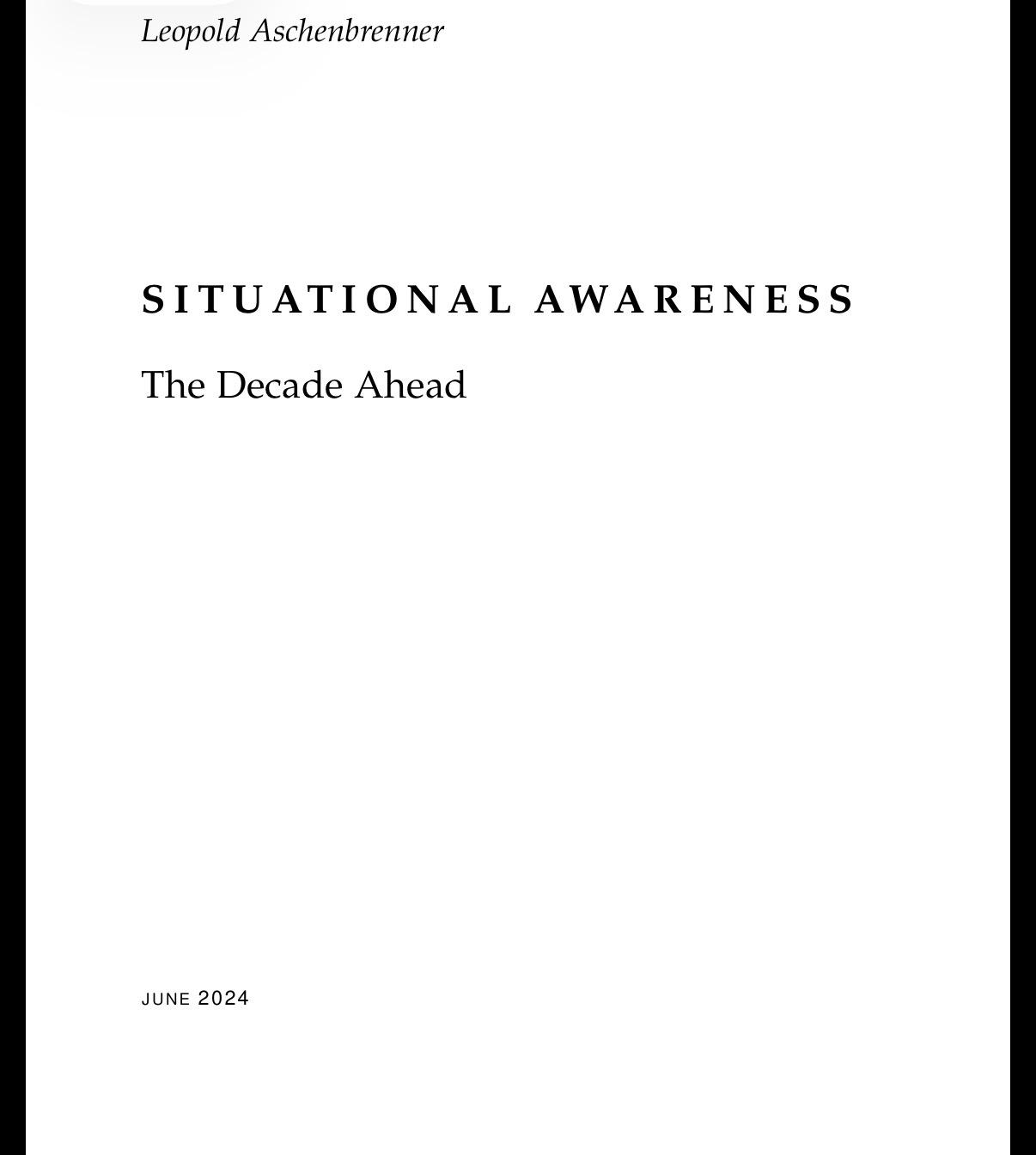
You do not always need years of experience to establish expertise. You need to demonstrate that you understand something valuable. Aschenbrenner did this before asking investors for capital. His work at OpenAI gave him firsthand experience with frontier AI, while his essay publicly laid out a detailed argument about where the technology was heading. His investment firm later described its strategy as using research into AI development and economics to identify companies that could benefit from or be disrupted by the technology.
That approach gave investors something concrete to evaluate. Instead of simply claiming that AI would become enormous, Aschenbrenner showed how he thought the transformation would happen. For a founder, the lesson is that expertise can be demonstrated through research, content, customer knowledge, or an early product before traditional credentials catch up.
A Vision Gets Attention, But Proof Gets Capital
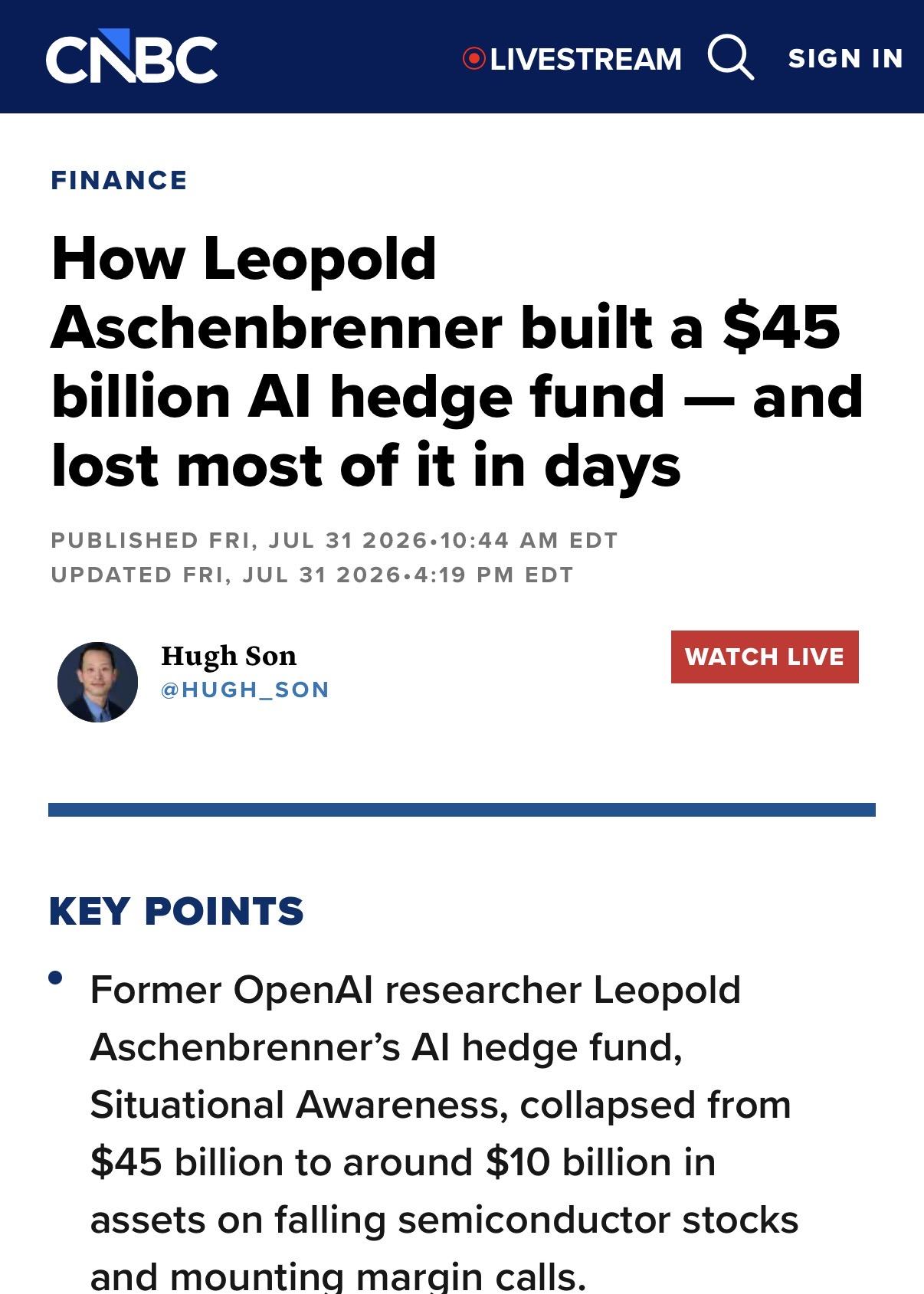
A strong vision can convince someone to listen, but evidence gives them a reason to commit. Situational Awareness benefited from the enormous enthusiasm surrounding AI and reported strong early performance, helping the fund attract additional capital as its assets expanded rapidly. Reports placed the fund's assets at roughly $45 billion at its peak, although asset figures varied depending on what was being measured.
For a typical founder, proof does not have to mean billions in investment returns. It can mean paying customers, growing revenue, strong retention, repeat purchases, or a product that people consistently choose to use. The principle is the same: a vision explains what you believe will happen, while evidence gives investors a reason to believe you can execute it.
Trust Can Open Doors, But Execution Keeps Them Open
Aschenbrenner's reputation and network helped turn his expertise into access. His fund attracted prominent investors and worked with major financial institutions, giving him access to capital and relationships that would have been difficult for most 24-year-olds to develop. That matters because fundraising ultimately requires investors to trust the person making the decisions.
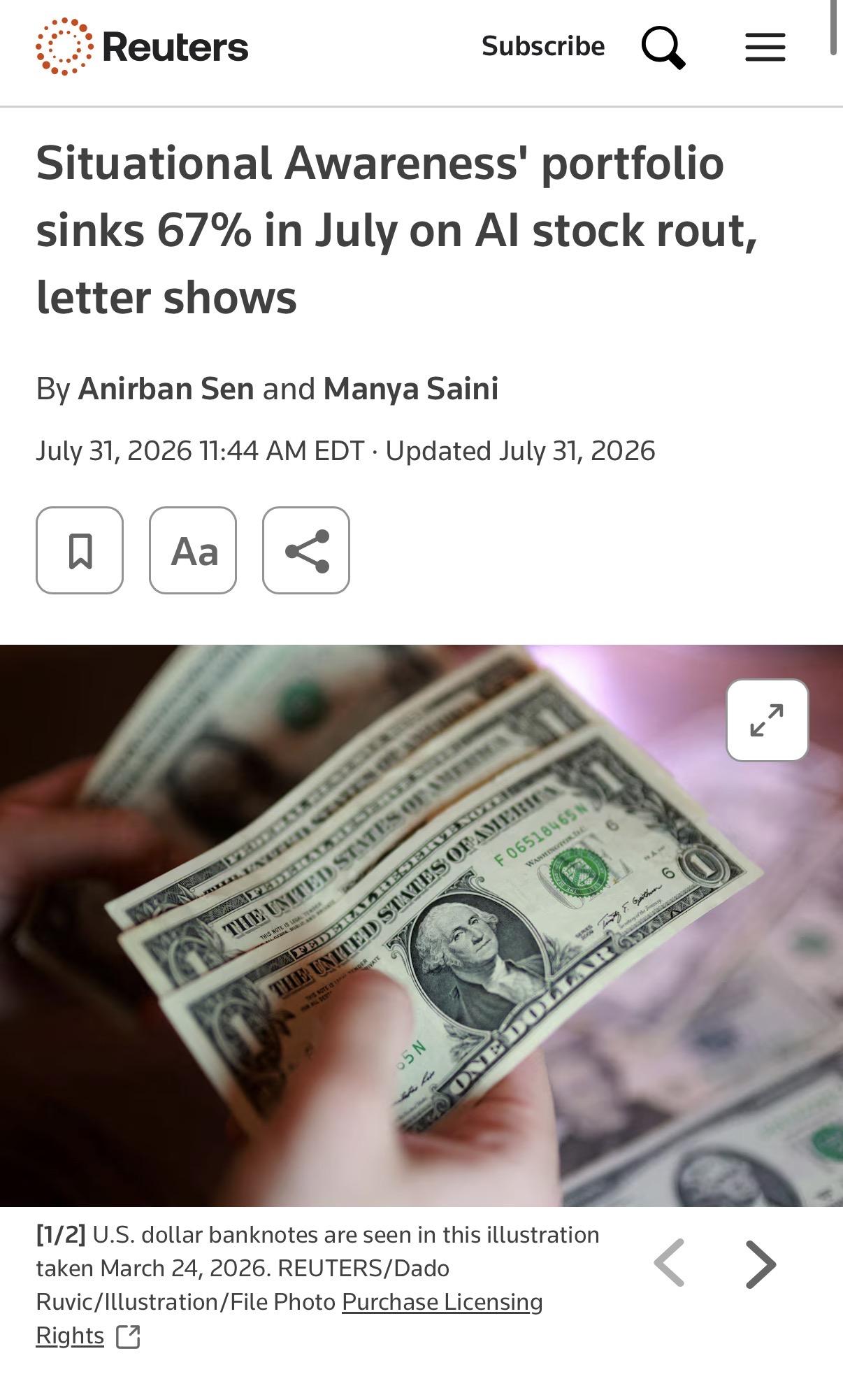
July 2026 showed why that trust has to be supported by responsible execution. Situational Awareness lost 67% of its portfolio value during an AI stock selloff and was forced to sell most of its public equity portfolio to Citadel after suffering severe losses. Aschenbrenner acknowledged to investors that the fund had come closer to permanent capital impairment than acceptable.
Takeaway
Aschenbrenner's story shows that raising money is not necessarily about having the longest résumé. His expertise gave him credibility, his public thesis gave investors a reason to pay attention, and early results and relationships helped turn that attention into capital.
The more important lesson for founders is that credibility can help overcome a lack of traditional experience, but it cannot replace execution. Getting people to believe in your judgment can open the door to opportunities that seem impossible at first. What happens after they trust you determines whether that belief was justified.