

The Rise of Meme Marketing
Meme marketing has transformed social media from a place where brands advertise products into a place where brands build personalities. Companies like Wendy’s, Duolingo, and Ryanair discovered that younger audiences engage more with brands that feel like internet users than brands that feel like corporations.
Wendy’s Turned a Fast Food Chain Into a Character
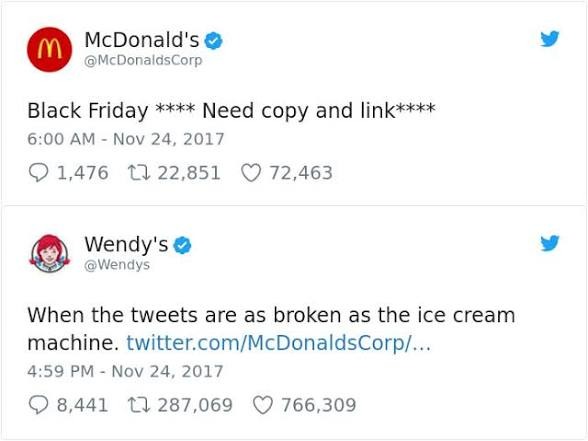
Long before most brands understood internet culture, Wendy’s started roasting competitors and joking with followers on Twitter. What began as a few sarcastic responses evolved into one of the most recognizable brand personalities on social media.
The strategy worked because people do not follow restaurant accounts to see advertisements, they follow accounts that entertain them. Wendy’s stopped acting like a company and started acting like a witty internet personality.
Wendy’s social engagement consistently outperformed competitors, and its online voice became part of the brand itself. Many consumers who never interacted with a Wendy’s restaurant still recognized the brand’s personality online.
Wendy’s demonstrated that personality can be a competitive advantage. Consumers often remember how a brand makes them feel before they remember what the brand sells
Duolingo Made Its Mascot More Famous Than Its Product
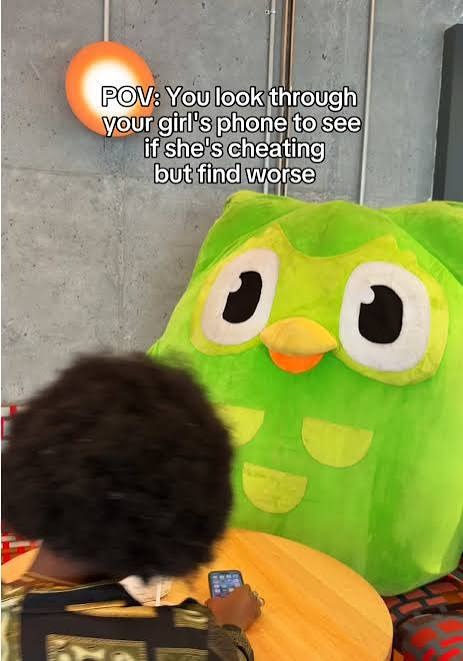
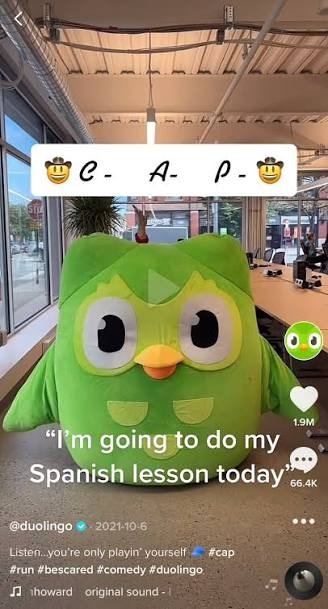
Most educational apps market learning outcomes, Duolingo marketed a slightly unhinged owl.
After internet users began joking about Duo’s aggressive reminder notifications, the company embraced the meme. Instead of correcting the joke, Duolingo built an entire social media strategy around it. The mascot appeared in chaotic TikToks, celebrity references, and absurd storylines that often had little to do with language learning.
The approach helped transform Duolingo into one of the most successful brand accounts on social media. Company executives have even acknowledged that TikTok became a major driver of awareness and growth.
The best meme marketing often starts with listening. Duolingo did not create the joke. The audience did. The company simply recognized what people already found entertaining and leaned into it.
Ryanair Turned Its Biggest Weakness Into Content
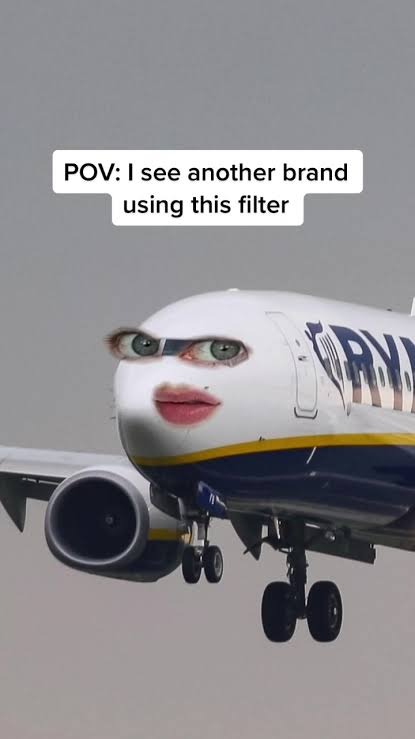
Most companies try to hide their weaknesses, Ryanair built a social media strategy around them.
The airline became famous on TikTok for making jokes about budget travel, extra fees, and customer complaints. Rather than defending itself, Ryanair embraced the criticism and turned it into content.
This self-awareness resonated with younger audiences. People knew Ryanair was a budget airline, pretending otherwise would have felt dishonest. By making itself the punchline, the company appeared more authentic and relatable.
Consumers are often more forgiving when brands acknowledge reality. Self-awareness can build credibility in ways traditional advertising cannot.
Curated Brand Personalities
Wendy’s, Duolingo, and Ryanair all sell completely different products. Yet their social media strategies share the same principle; They stopped acting like brands.
Instead of pushing advertisements, they created personalities that fit naturally within internet culture. Their posts are shared because they are entertaining, not because they are promotional.
This shift in social media advertising reflects a larger change in marketing. Younger audiences spend their lives surrounded by advertising and have become skilled at ignoring it. What they still pay attention to are stories, humor, and personalities.
The most successful meme marketing campaigns understand that people rarely share advertisements. They share things that make them laugh, feel understood, or want to send them to a friend.