



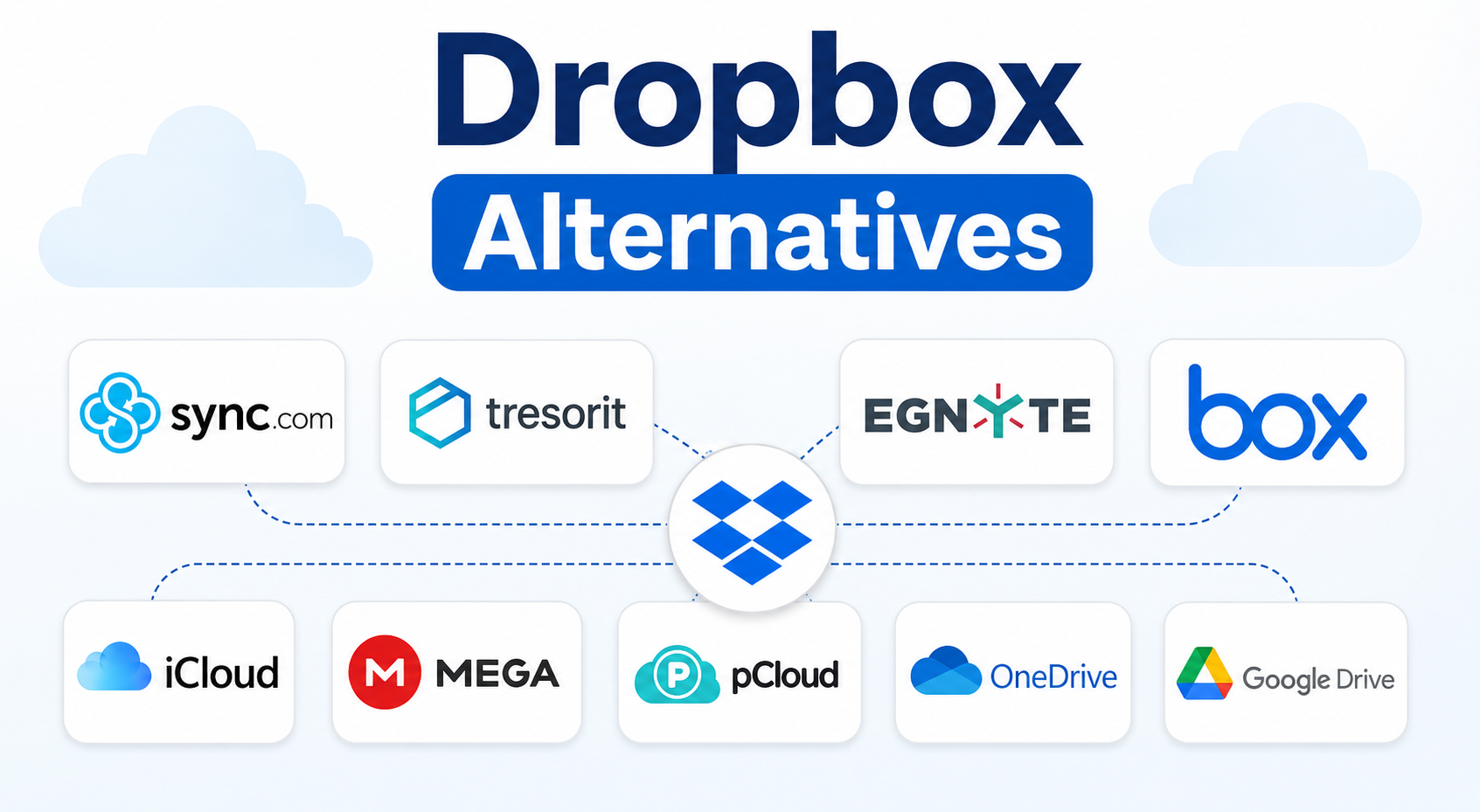
Dropbox helped make cloud storage mainstream, but Apple, Google, and Microsoft eventually made similar tools cheaper, easier to access, and built into products people were already using. Dropbox's story shows what can happen when a startup's biggest selling point becomes something much larger competitors can easily add to their own businesses.
When Dropbox launched, storing files online and accessing them across multiple devices felt almost revolutionary. The company took a complicated technology and made it incredibly simple to use, helping it grow into a major player in cloud storage. But as the market matured, simplicity alone became harder to defend.
A Great Feature Can Become a Commodity
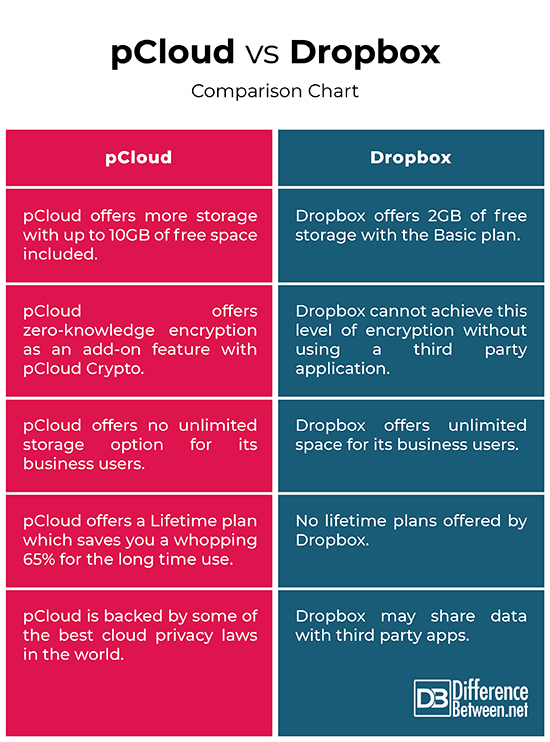
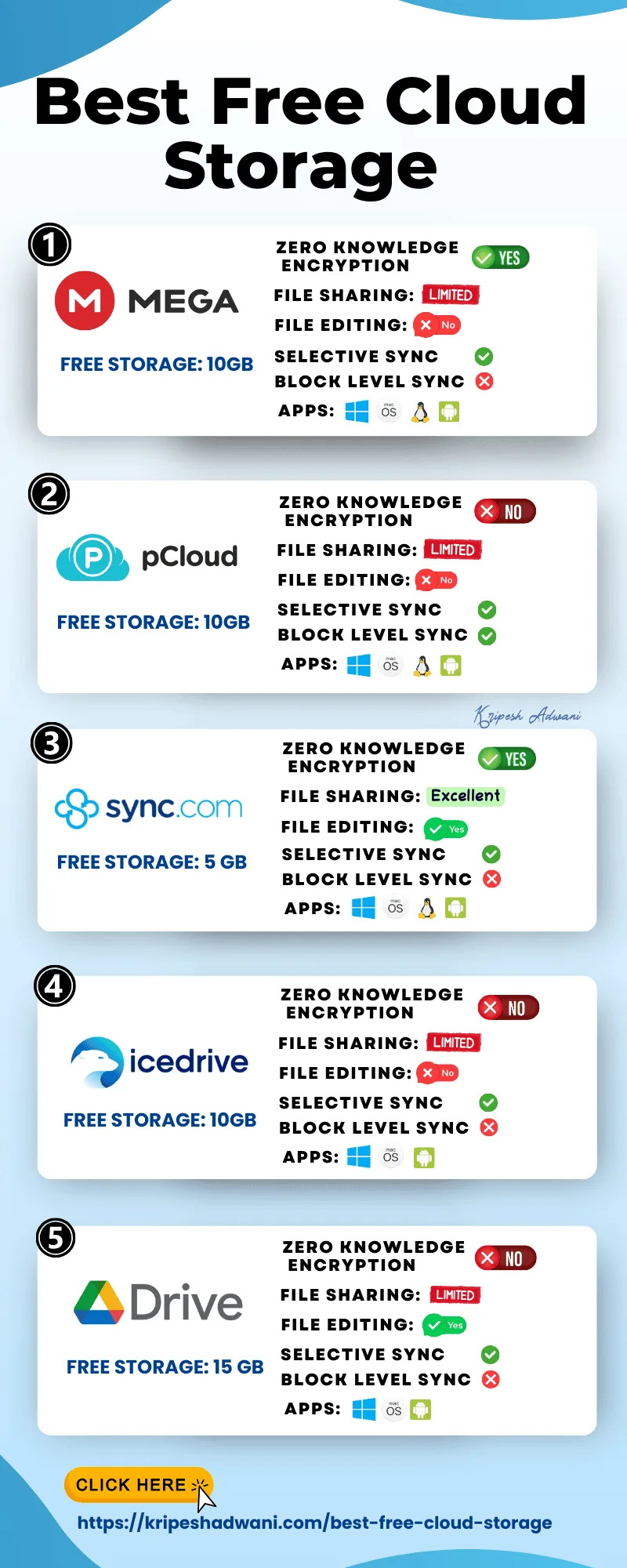
Dropbox's original pitch was straightforward: keep your files online and access them wherever you need them. At the time, that solved a problem people were only beginning to understand.
As cloud storage became standard, the feature lost some of its edge. Customers could get similar functionality through services connected to the devices, software, and accounts they were already using. Dropbox went from introducing people to a new way of storing files to competing for their attention in a much more crowded market.
That shift highlights a common startup problem. A product can be genuinely useful and still have a weak competitive moat if other companies can recreate its main feature. Harvard Business School points to things like unique capabilities, meaningful differentiation, strong customer relationships, and cost advantages as stronger foundations for staying ahead.
More Products Don't Always Mean More Protection
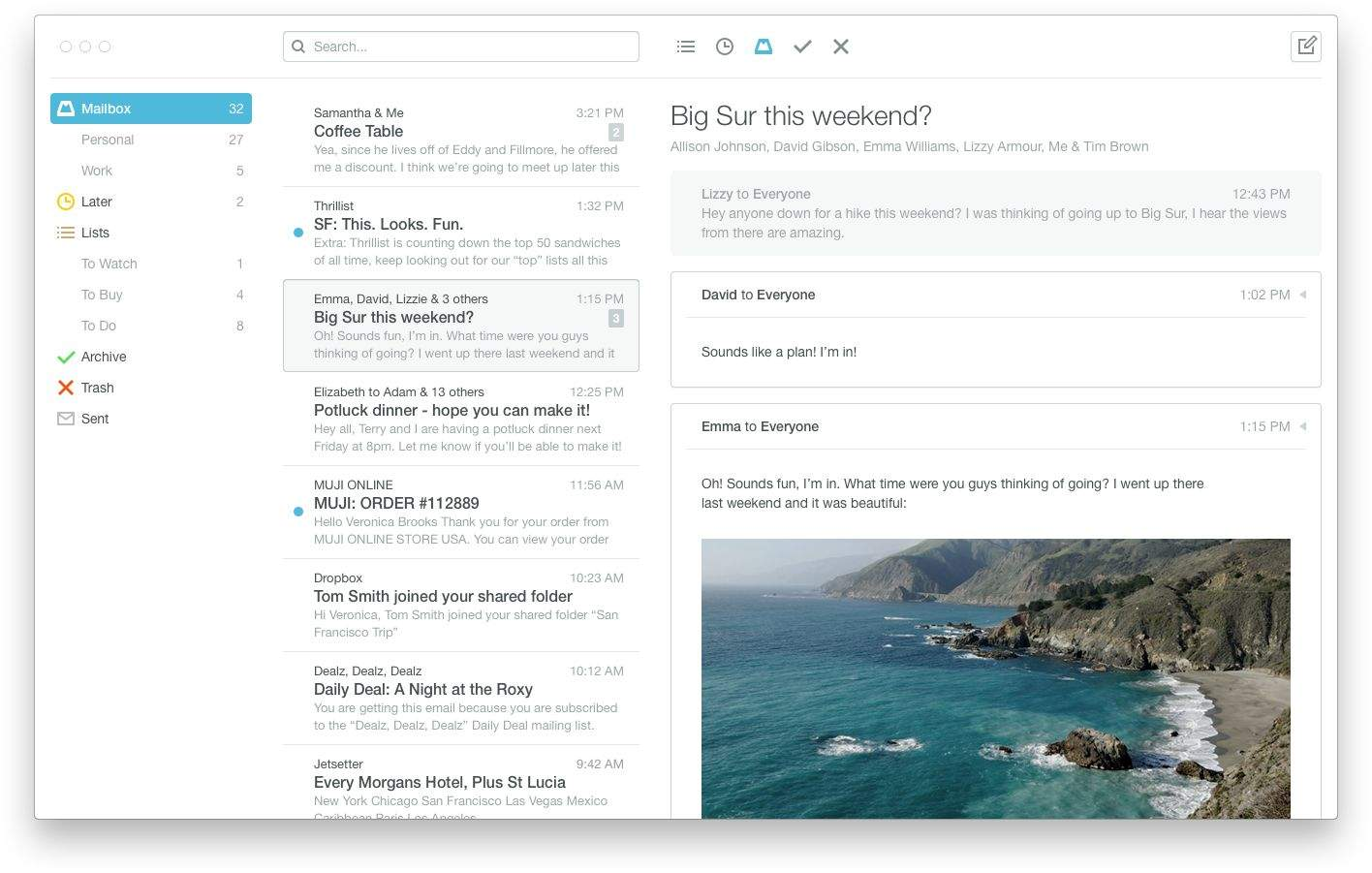
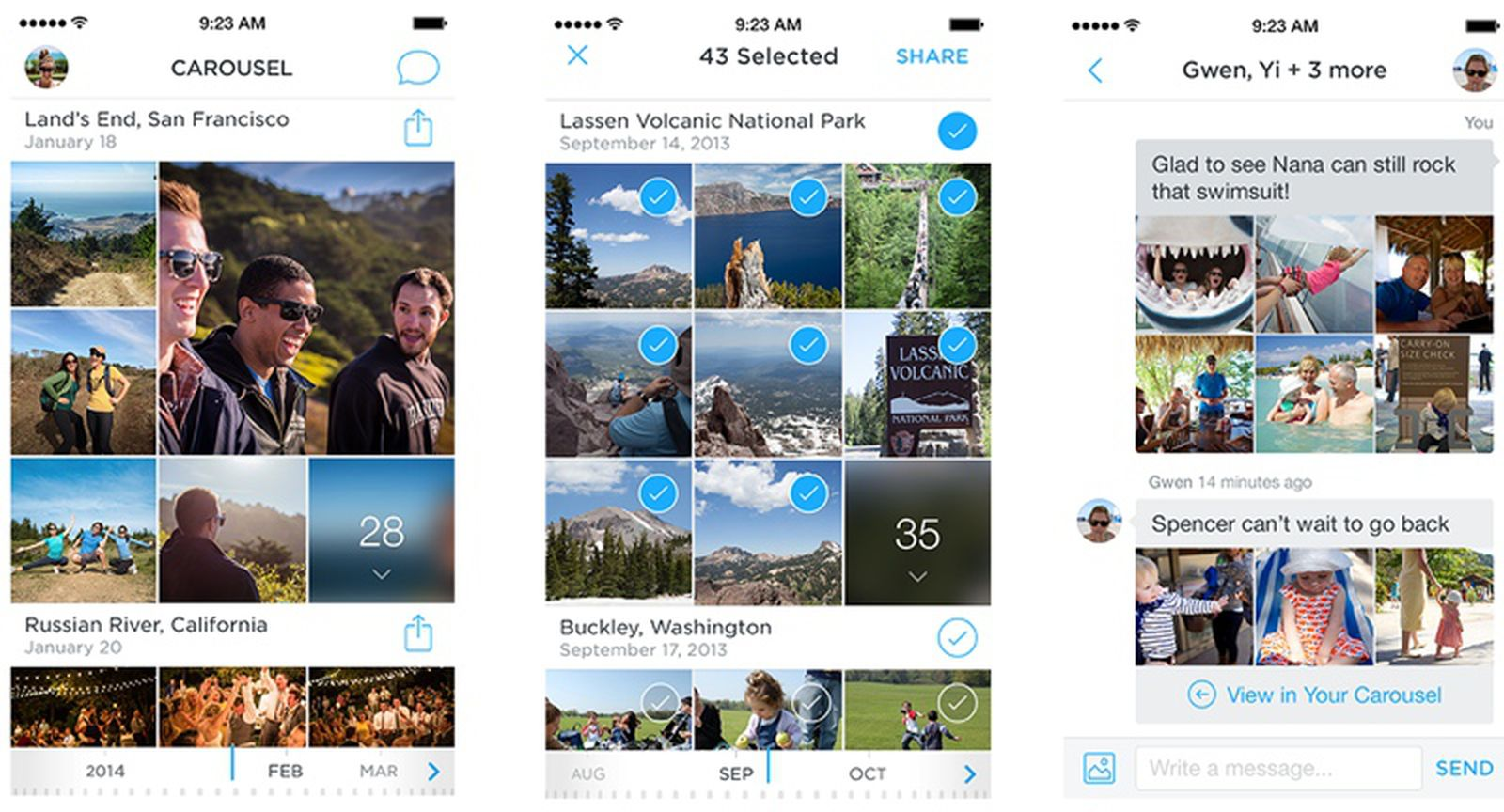
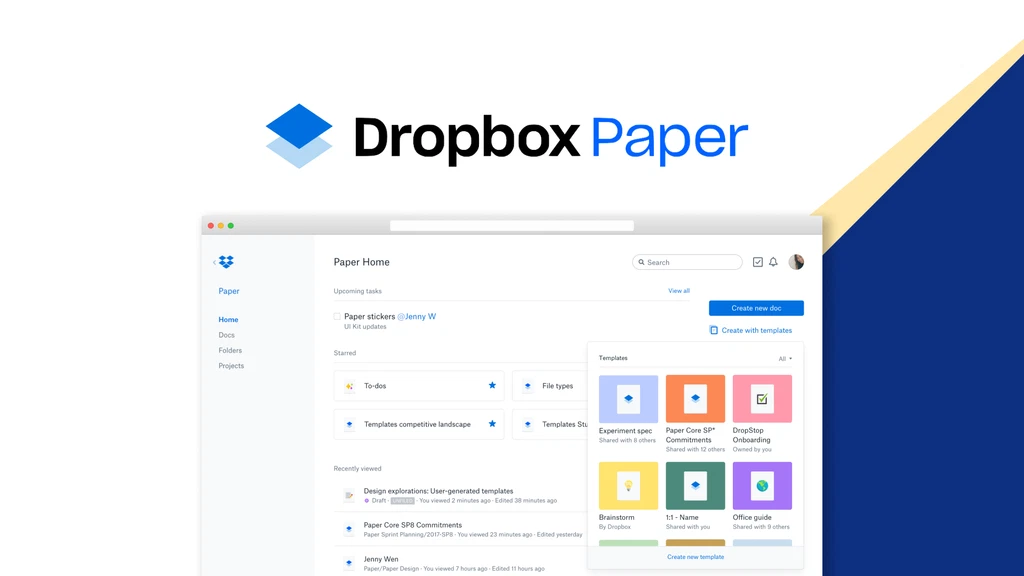
Dropbox responded to the growing competition by moving beyond file storage. The company launched and acquired products including Mailbox, Carousel, and Paper as it tried to build a broader productivity platform.
Several of those efforts were eventually discontinued, illustrating how difficult it is to turn a collection of products into a cohesive business. Every new product brings another set of decisions, expenses, and competing priorities, and spreading resources too widely can make it harder to build any one of them into something substantial.
That doesn't mean startups should stick with one product forever. Expansion can open new revenue streams and strengthen a business when the pieces fit together. The important question is whether a new product reinforces what the company already does well or simply gives the team another problem to solve.
The Hardest Advantage to Copy Might Be Trust

Dropbox had another asset that was much less tangible than its technology: customers were trusting the company with their files. That made a major security incident especially significant. For example, credentials were stolen in 2012, and information associated with roughly 68 million accounts later surfaced publicly in 2016.
For a company handling sensitive information, incidents like this can affect much more than the product itself. The FTC recommends securing affected systems, identifying compromised information, addressing vulnerabilities, and keeping customers informed throughout the response. How a company handles a problem can shape how customers view it long after the immediate issue is resolved.
That creates a different kind of competitive advantage. A reputation for reliability, transparency, specialized expertise, or strong service takes years to develop and can't simply be added with a software update. Smaller businesses can use those qualities to compete even when a larger company can offer a similar product at a lower price.
Takeaway
Dropbox's story started with a product that felt genuinely different. As cloud storage became commonplace, though, the feature that helped establish the company became much easier for competitors to replicate.
For founders, that makes the bigger question less about “What can we build?” and more about “What can we build that gives customers a reason to choose us specifically?” That could come from expertise, relationships, service, a unique process, or a reputation that takes years to establish.
A strong product can open the door, but the companies that stay competitive are the ones that build something around it that isn't nearly as easy to copy.