



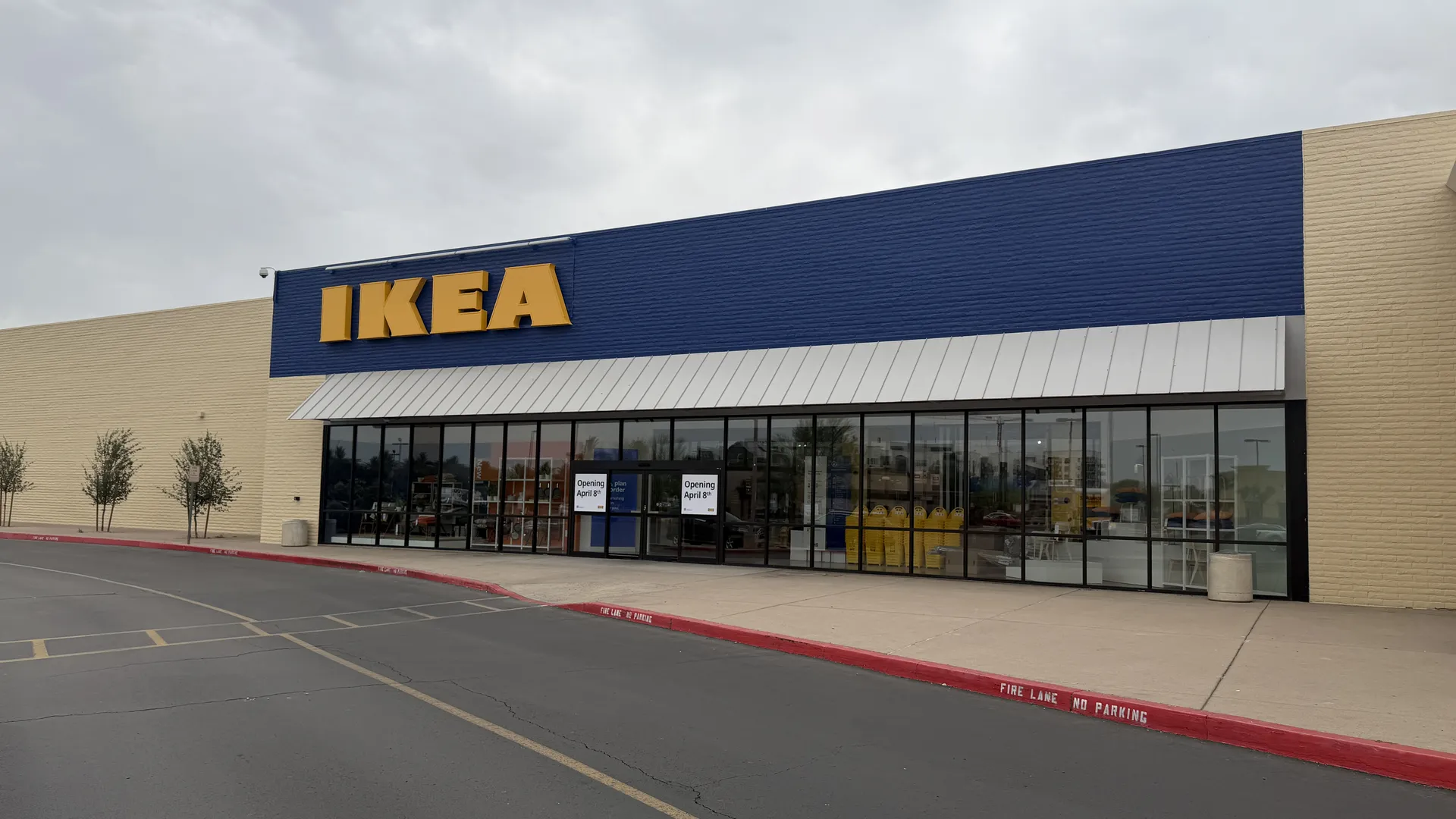
IKEA became one of the world’s biggest furniture retailers by changing how people bought furniture. But that success also made it easier to miss the next major change in how customers wanted to shop.
For decades, IKEA’s massive stores were part of the experience. Customers walked through staged rooms, picked up their own furniture, and brought it home themselves. The model worked extremely well, but as online shopping grew, convenience started becoming a bigger part of what customers expected.
IKEA’s experience reveals a lesson worth breaking down: customer behavior can start changing long before sales tell you there’s a problem.
Watch How Customers Buy, Not Just What They Buy
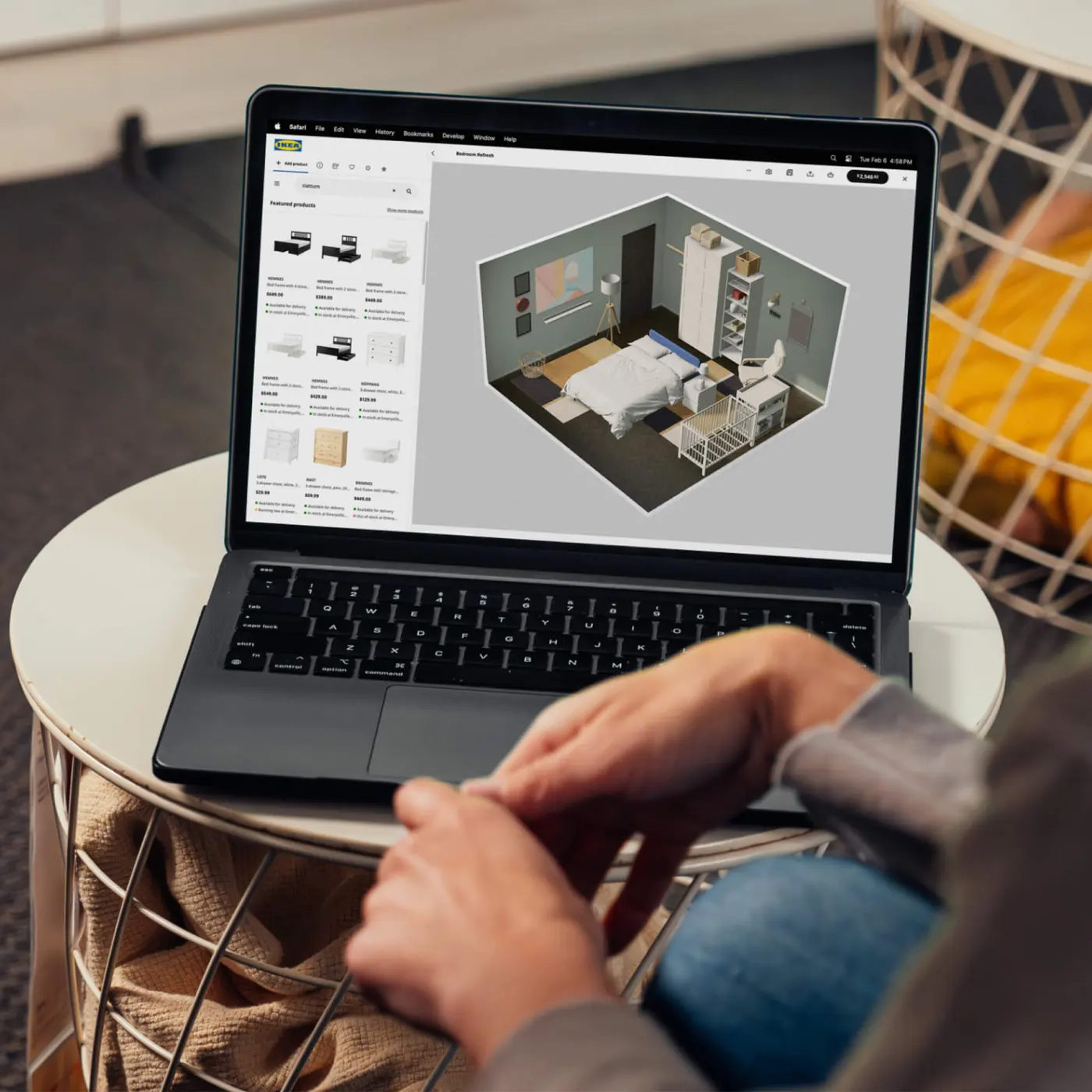
IKEA had started investing in online shopping before COVID-19, but its e-commerce operation was still relatively underdeveloped. Meanwhile, customers were becoming more comfortable researching products, comparing prices, and ordering from home instead of making a trip to a large suburban store. By 2023, IKEA said roughly 80% of its customers started their shopping journey online.
Customers hadn’t suddenly stopped wanting IKEA furniture. They were changing how they wanted to get it. That’s an important distinction because a business can still have a popular product while the way it sells that product becomes outdated. Watching where customers discover, research, and purchase can reveal a shift before declining sales force the business to notice.
A Crisis Can Turn a Small Shift Into a Big One
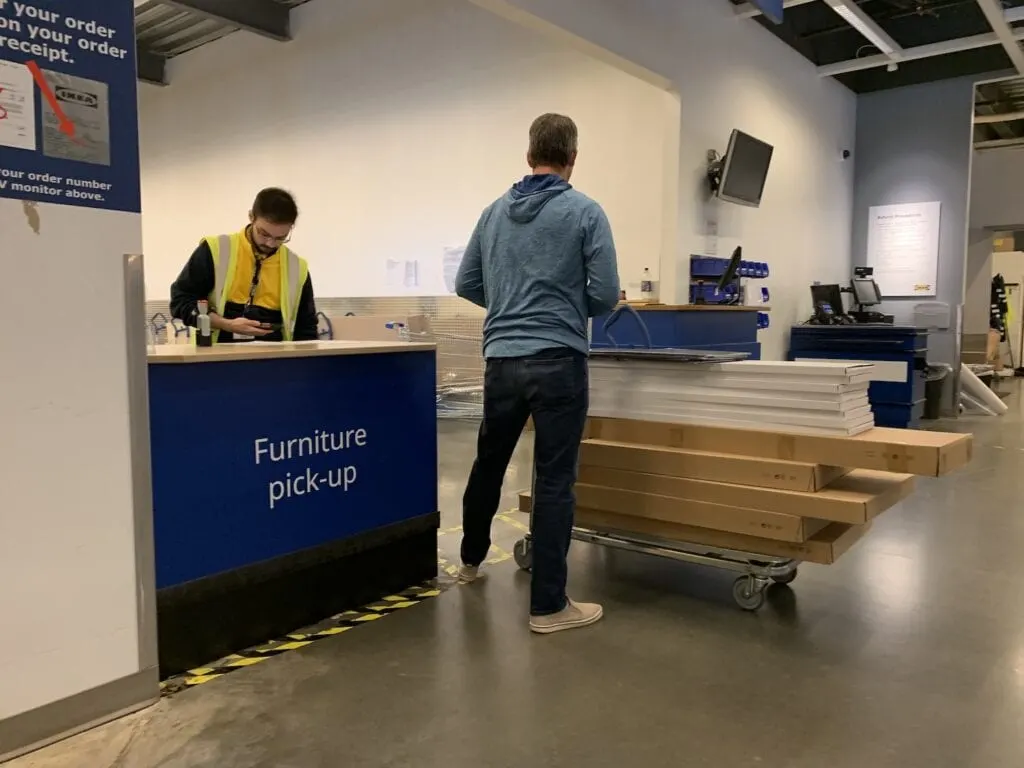
COVID-19 suddenly made IKEA’s dependence on physical stores much harder to ignore. When stores closed, the company rapidly expanded online ordering, curbside pickup, and delivery while turning stores into fulfillment centers. The transition wasn’t seamless, customers faced unavailable pickup slots, clogged phone lines, and sometimes delivery waits longer than a month.
But once IKEA improved its infrastructure, the size of the shift became obvious. Its e-commerce share jumped from 18% to 30%, while e-commerce sales across IKEA franchisees increased 73% in FY21. COVID didn’t create customers’ desire for convenience… it accelerated a change that was already happening. Businesses that notice those smaller changes early get the chance to adapt before a crisis makes adapting unavoidable.
Adapt Around the Customer, Not the Old Model
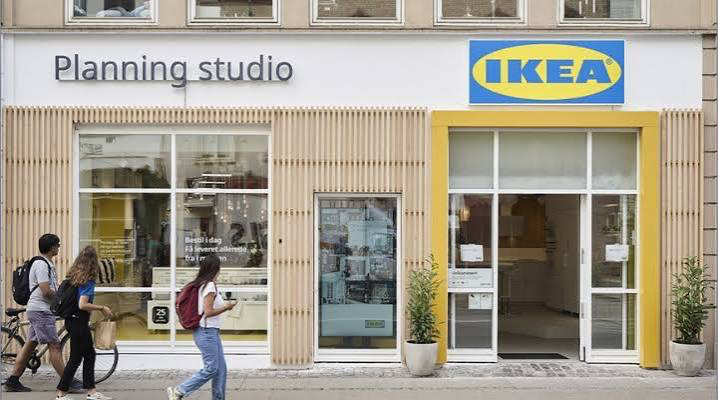
IKEA didn’t respond by getting rid of the stores that made it successful. Instead, it started connecting them with the way customers now wanted to shop. The company improved its website and app, used stores for fulfillment, and expanded smaller planning-and-ordering locations closer to customers. In the U.S., e-commerce improvements helped remote sales grow another 5.6% in FY24.
That’s what makes IKEA’s response useful for smaller businesses too. Adapting doesn’t always mean replacing what’s working. It could mean noticing that customers increasingly find you through social media, want to book online instead of calling, or expect delivery instead of pickup. The product can stay the same while the customer’s preferred path to buying it changes completely.
Takeaway
IKEA’s experience shows why businesses shouldn’t wait for sales to collapse before changing. Its furniture was still wanted, but customers increasingly wanted to discover and buy it differently.
For businesses, the lesson is to pay attention to how customers behave while things are still going well. Where they find you, how they compare options, and how they want to buy can change before demand for your actual product does. The businesses that catch those signals early can follow their customers instead of scrambling to catch up with them later.