



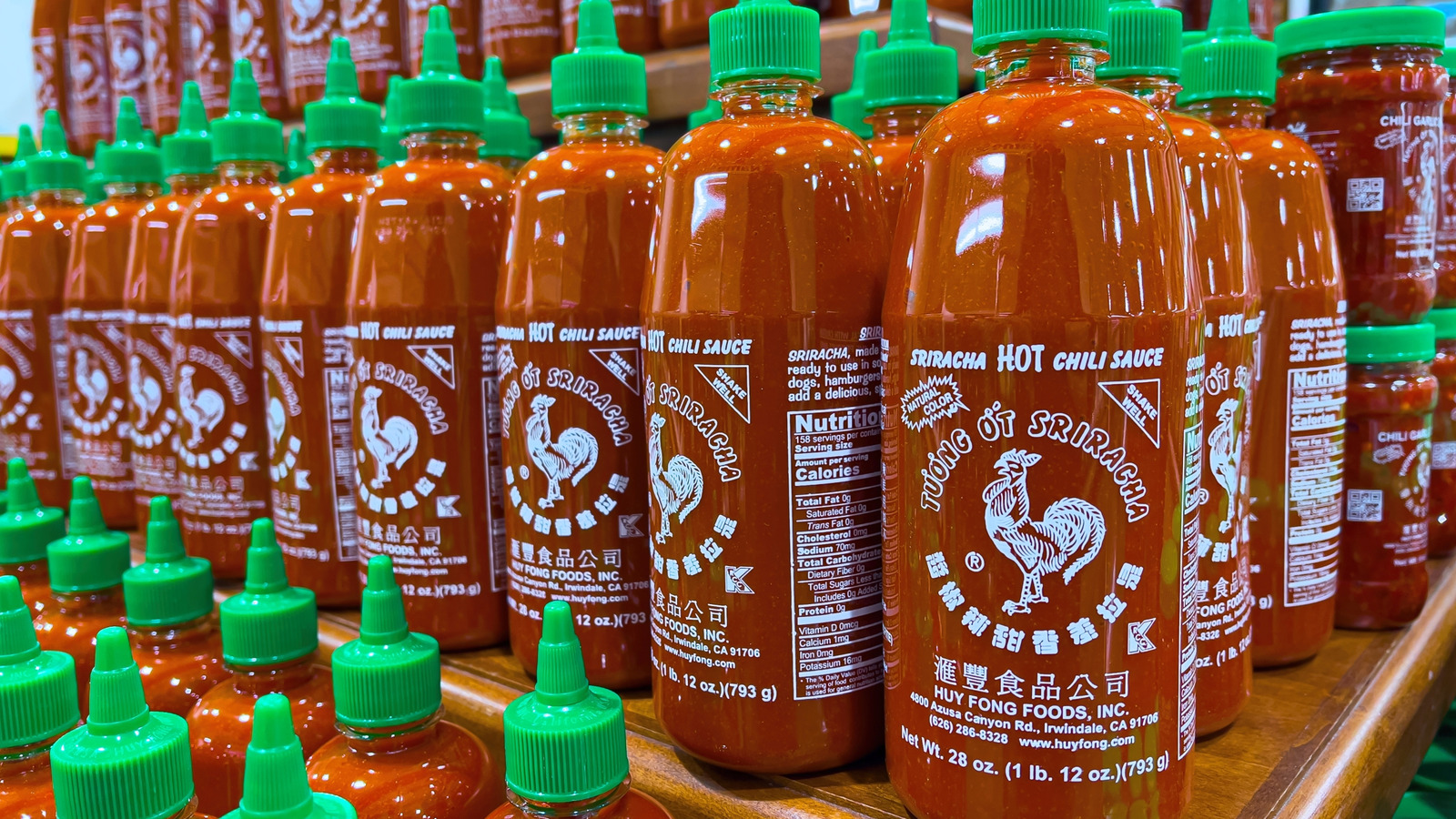
Businesses often assume growth means adding more. More customers, more products, more reach. Huy Fong grew by doing the opposite: staying laser-focused on one product, made possible by one supplier who solved the hardest part of the business for nearly three decades.
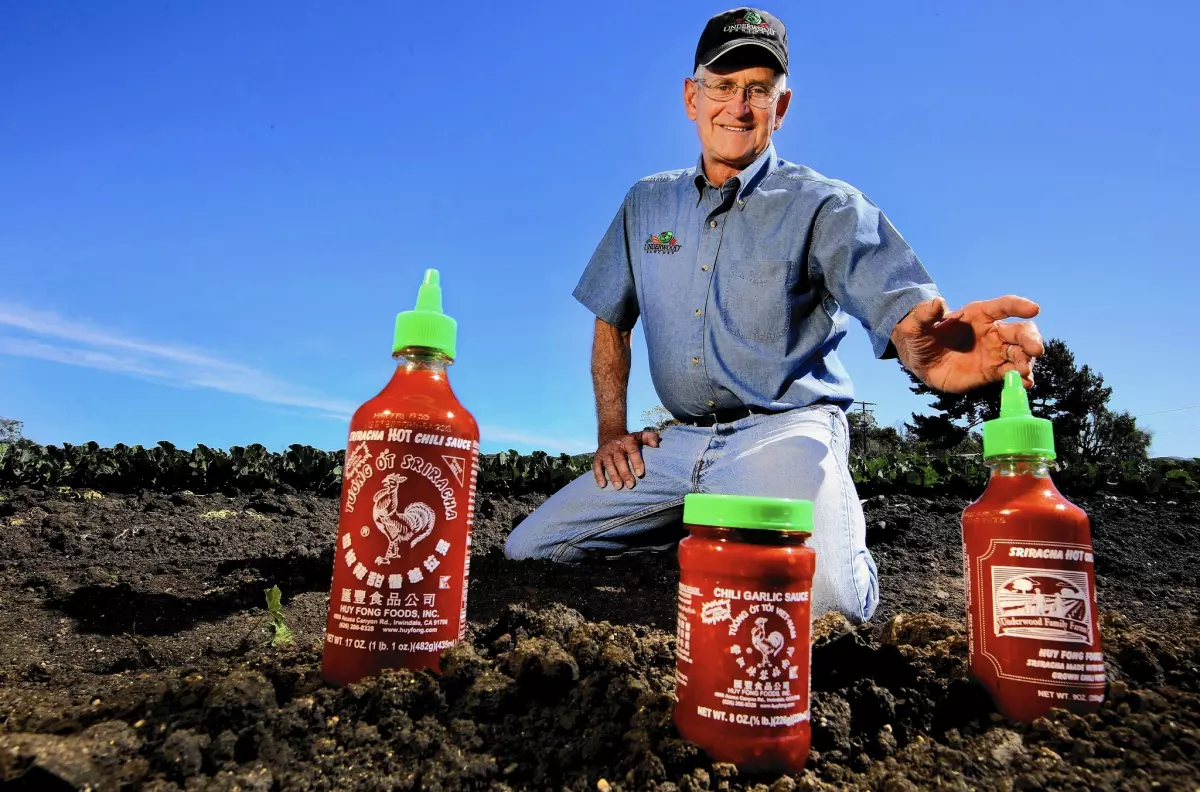
David Tran built Sriracha into a genuine phenomenon without spending a dollar on traditional advertising, powered almost entirely by a partnership with a California farmer named Craig Underwood, who grew the specific red jalapeños Sriracha needed. For years, that focus looked like nothing but strength.
But the same reliance that let Huy Fong grow so efficiently also seems to have left it with almost nothing to fall back on the moment that one relationship disappeared.
One Great Partner Can Help a Business Scale Faster
Finding a partner who already has a skill or resource a business would otherwise take years to build can be one of the fastest ways through a growth bottleneck. That kind of partnership can look like nothing but upside for a long time.
Underwood Ranches seems to have given Huy Fong that kind of advantage from the start.
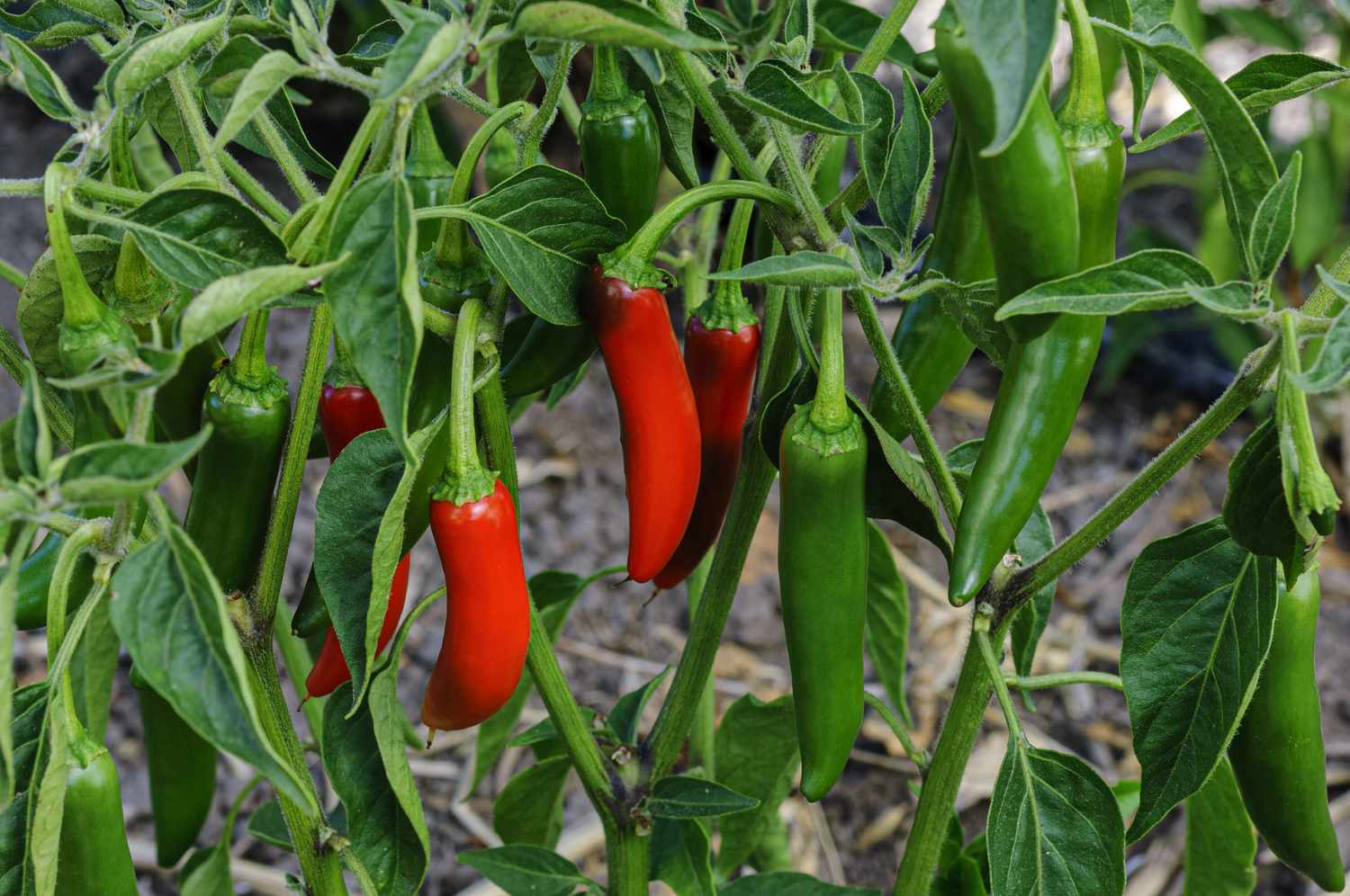
Sriracha's flavor depended on a specific pepper that had to ripen from green to red without turning soft, a narrow window most large-scale farms weren't equipped to hit consistently. Starting in the late 1980s, Underwood took that problem on, eventually growing the crop across thousands of acres.
That let Huy Fong specialize almost entirely in making and selling Sriracha instead of also becoming an agricultural operation. It didn't have to solve a problem it wasn't built to solve, because Underwood was already solving it.
As Sriracha's popularity exploded through the 2000s and 2010s, Underwood expanded right alongside it, growing from roughly 400 acres to nearly 4,000 and eventually supplying around 100 million pounds of peppers a year.
Every time demand grew, the supply grew with it. Huy Fong rarely had to pause and fix a bottleneck of its own making, since the partnership was scaling in the background.
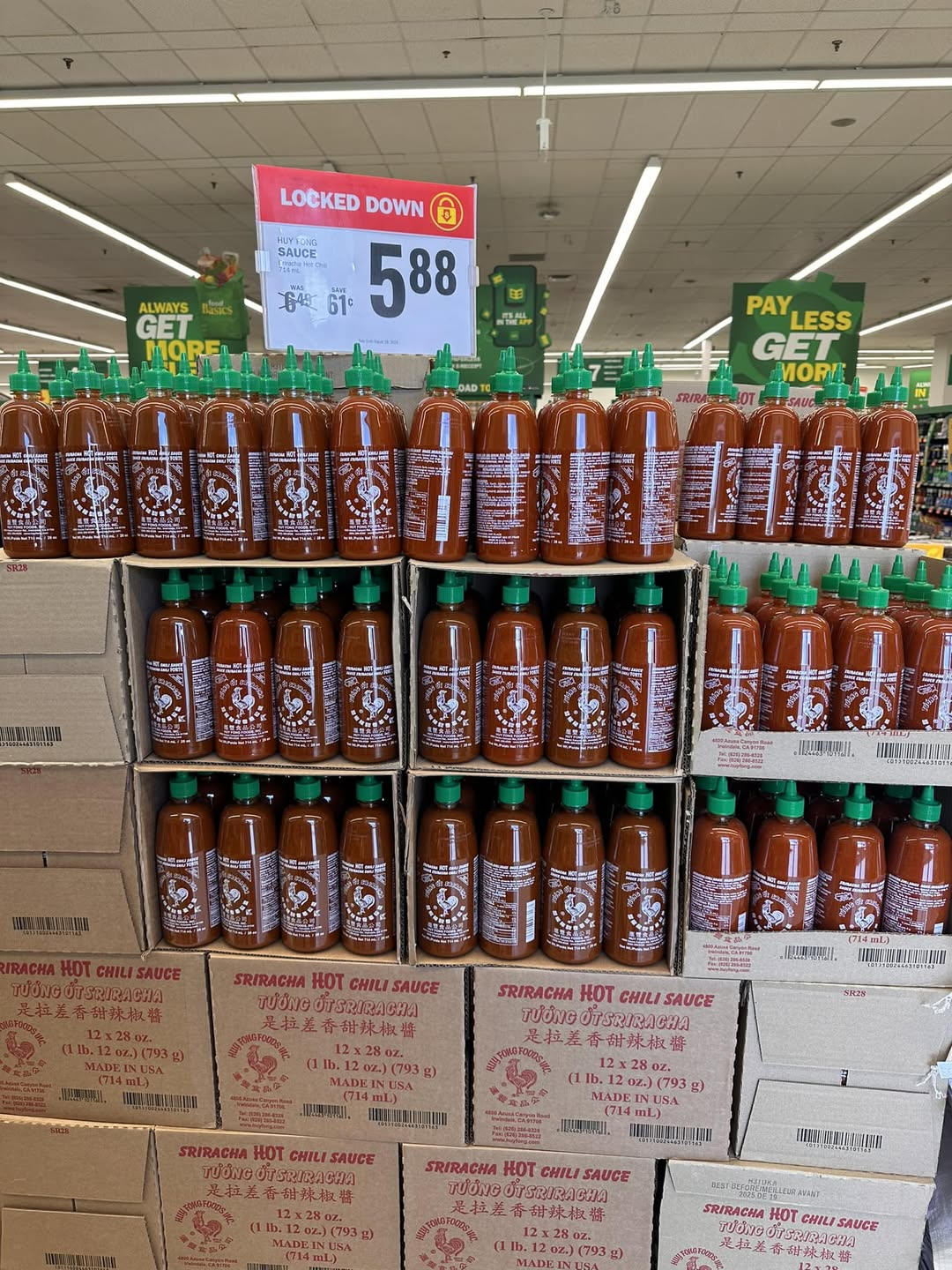
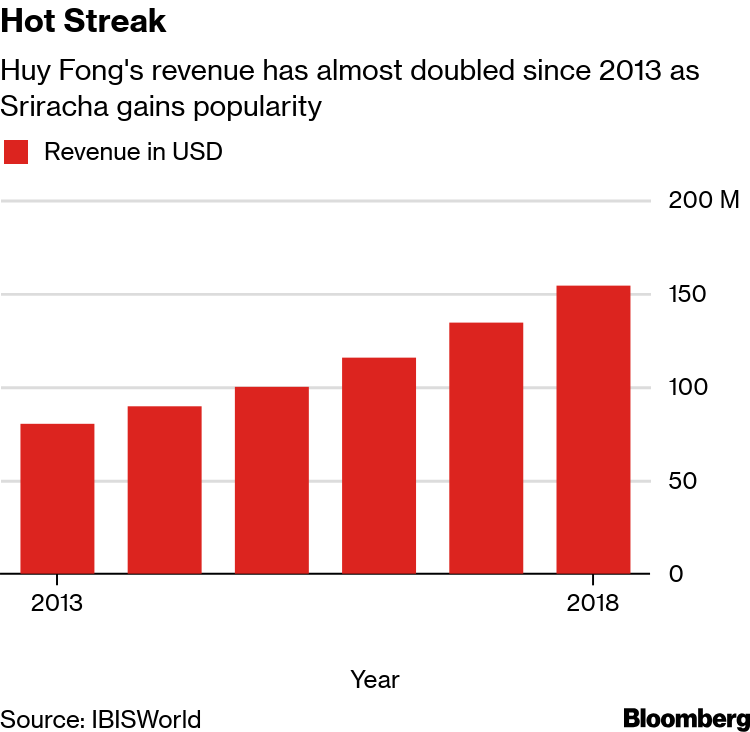
That reliable supply looks like a big part of why Huy Fong hit an estimated $131 million in sales by 2020, all without spending anything on traditional advertising.
The company's energy could go almost entirely into the product and the brand, since the raw material behind it had already been handled by someone who'd spent decades getting good at exactly that.
Line up the specialized sourcing, parallel growth, and ad-free sales numbers, and it’s evident that one strong partnership does appear to have let Huy Fong grow faster than it could have alone. Solving the pepper problem meant the company rarely had to divide its attention between the product people loved and the supply chain behind it. But getting that dependent on one relationship tends to come with a cost that doesn't show up until much later.
The lesson for businesses here is that you don’t need a partnership as dramatic as Huy Fong and Underwood's. It's more about recognizing that the right partner can remove a constraint that would otherwise slow everything else down, real value worth taking. The more essential that partner becomes, though, the more it's probably worth asking what happens if they're gone.
Efficiency Can Quietly Turn Into Dangerous Dependence
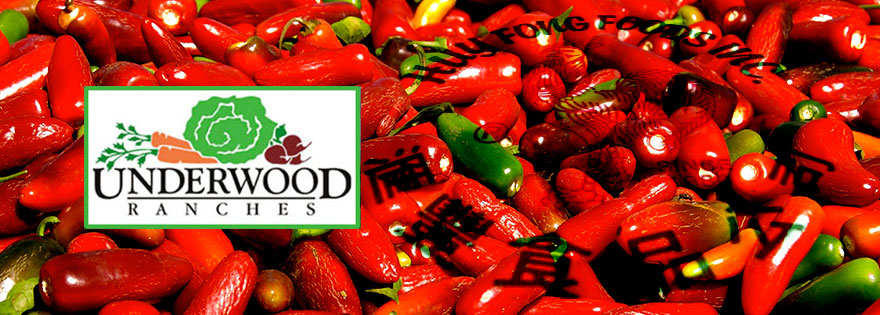
The same specialization that makes a partnership efficient also tends to make both sides less flexible. That trade-off can be easy to miss while everything's still working.
Here's how that dynamic seems to have played out between Huy Fong and Underwood.
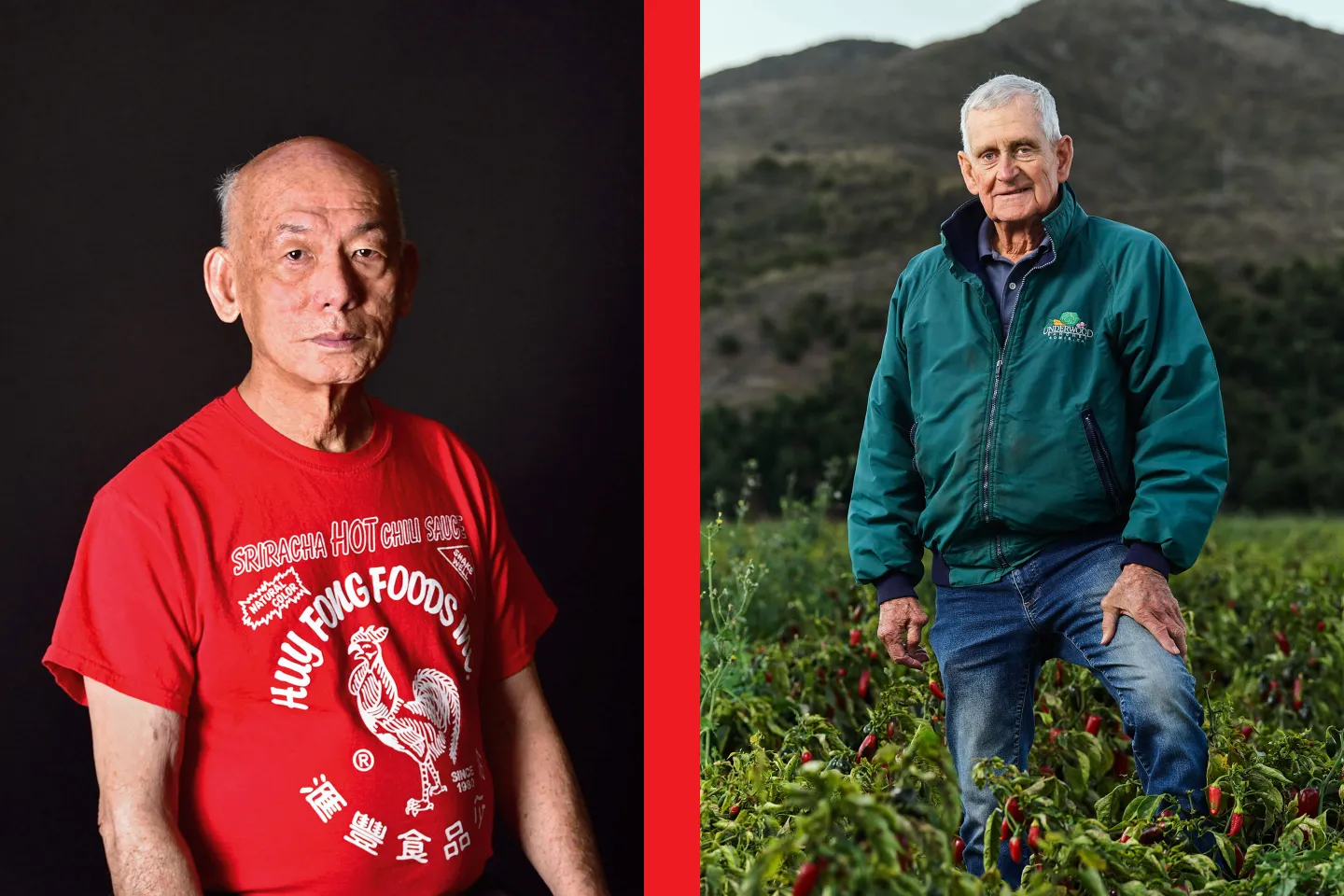
Over nearly three decades, Underwood became Huy Fong's sole chili supplier, while Huy Fong came to account for roughly 80% of Underwood's entire revenue.
Neither side was trading in a generic, easily substituted product. Huy Fong needed a specific pepper grown a specific way, and Underwood had built his entire operation around meeting that one need.
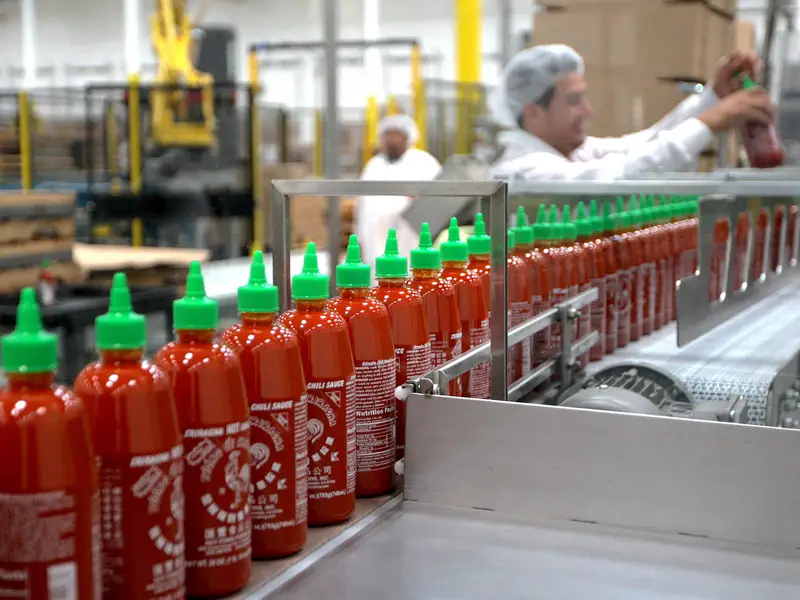
That concentration doesn't look like a mistake while the relationship held; it looked efficient. Neither side had to spread itself thin, as Huy Fong could skip managing multiple suppliers, and Underwood could skip diversifying his buyers.
Both companies got to pour resources into one relationship instead of spreading them across several, which seems like a big part of why it worked so well for so long.
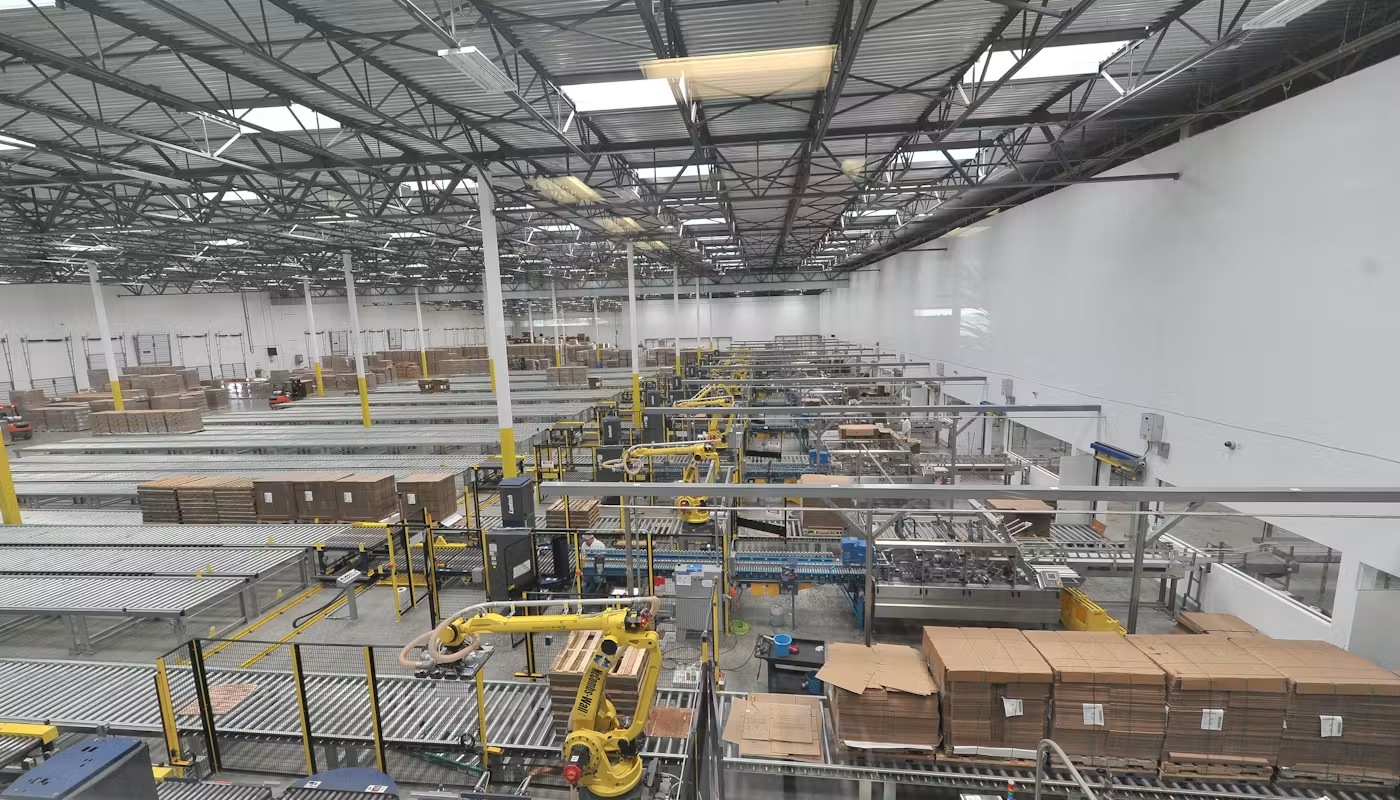
But once the relationship ended in November 2016, there was no simple substitute waiting in the wings. Huy Fong's factory reportedly ran sporadically and at a fraction of capacity in the years that followed.
Decades of specialized growing capacity don't get replaced with a phone call. The very thing that made the partnership efficient, deep specialization, may be exactly what made it so hard to walk away from.
Put the sole-supplier arrangement, the concentrated revenue, and the years-long recovery side by side, and a pattern emerges: dependence built up quietly, one efficient season at a time, until it became a single point of failure neither company seems to have had a real plan for. The underlying issue doesn't look like it was ever demand, and more like one relationship carrying weight nobody had backed up.
This kind of risk isn't unique to farming. Any company that funnels a critical function through a single supplier, a single major client, or a single platform is making a similar trade. It can run beautifully, until the day it doesn't.
Customers Will Not Always Wait When the System Fails
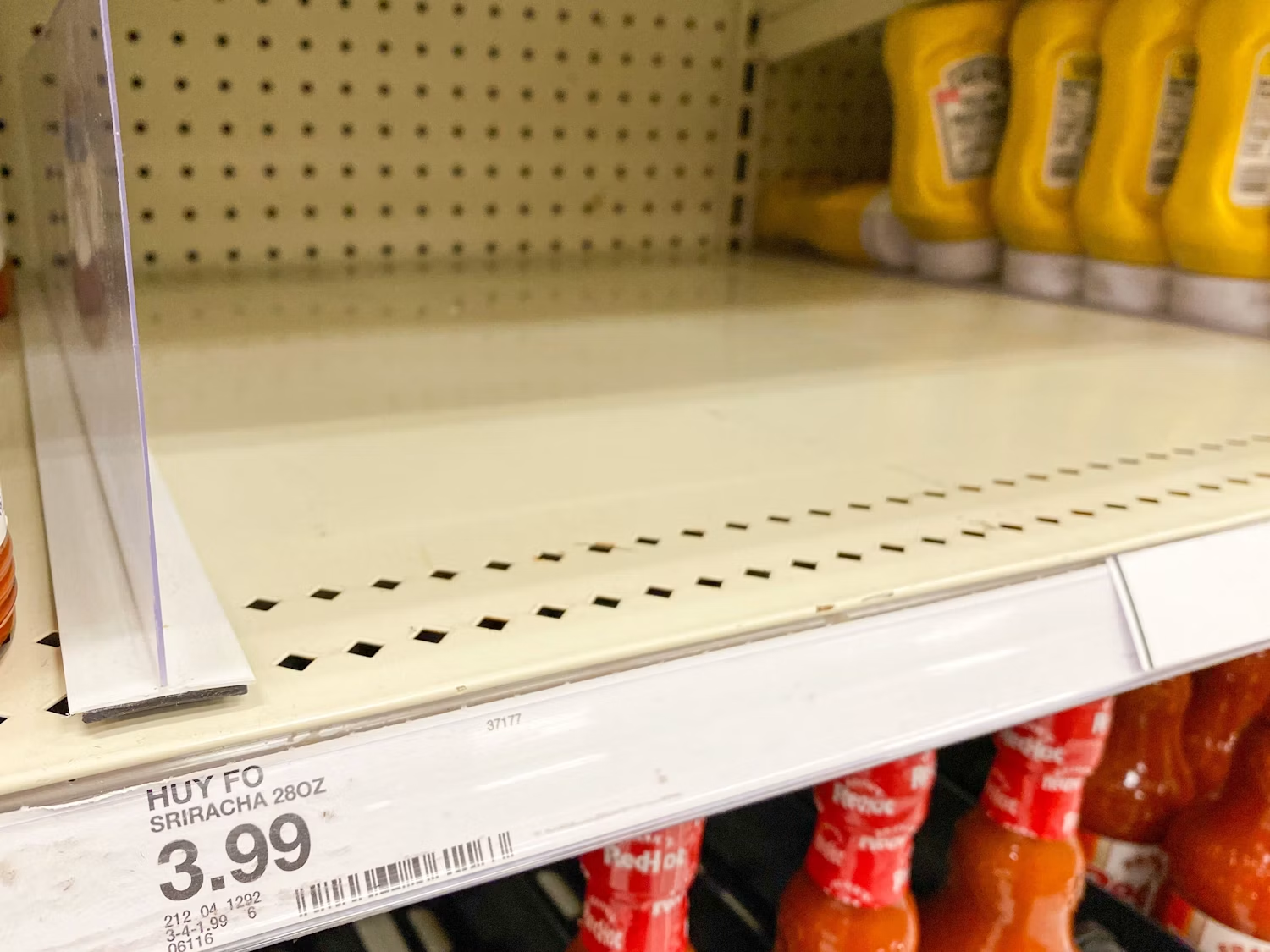
A supply problem tends to stay private for as long as customers can't tell it's happening. The moment a business can't deliver, though, that problem becomes public, and it becomes an opening for anyone standing nearby.
That's roughly what played out once Huy Fong's shelves went empty.
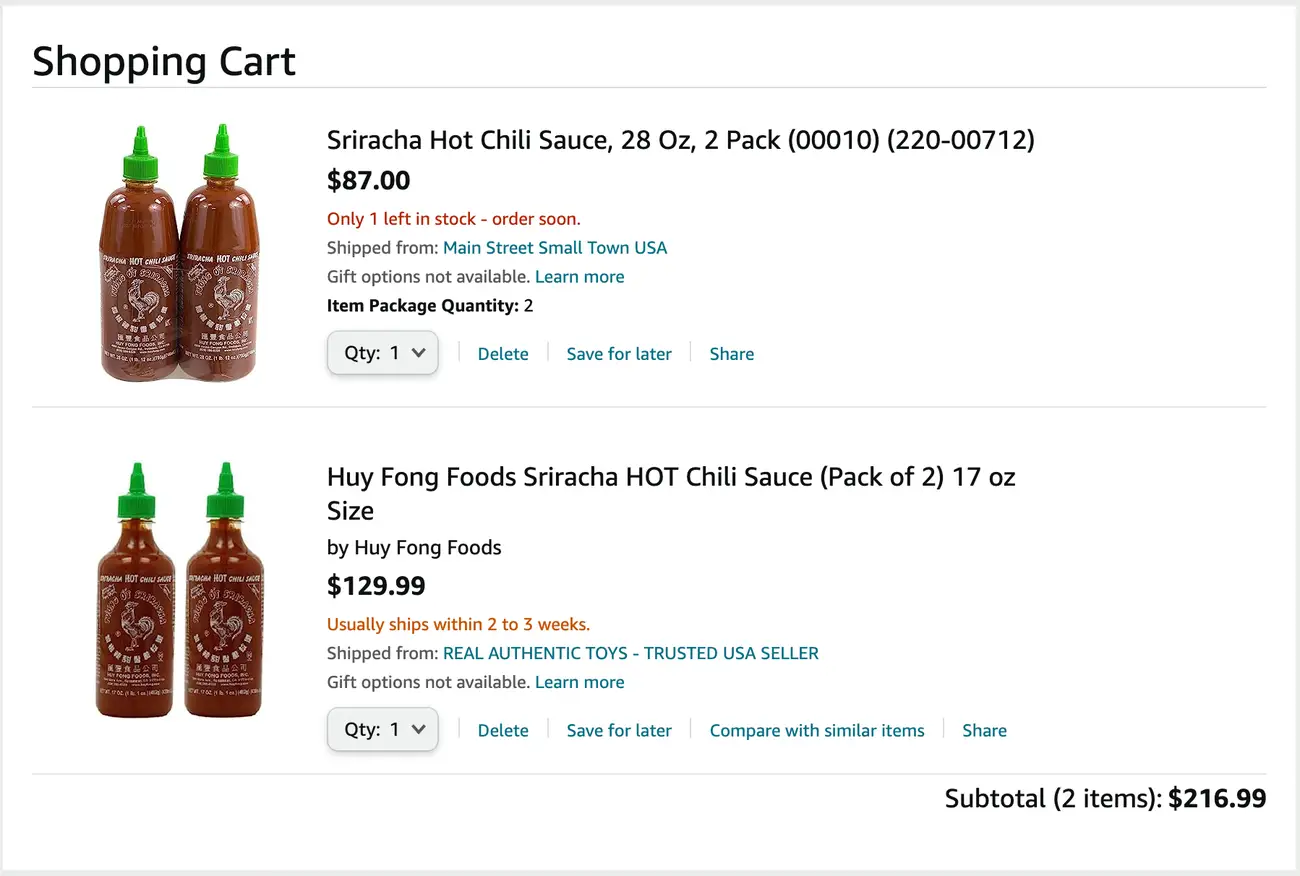
Demand for Sriracha never really softened, if anything, the shortage seemed to make people want it more. Resale prices online reportedly climbed as high as $80 a bottle, with multipacks costing even more.
That price says a lot about what was actually going wrong. Customers weren't losing interest in Sriracha so much as losing access to it, and those look like very different problems with very different consequences.
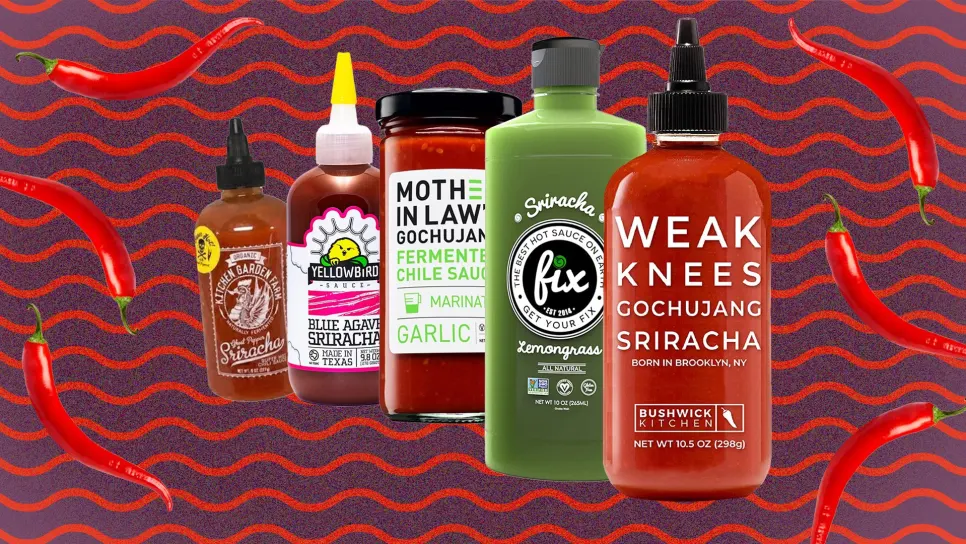
Scarcity doesn't seem to have made customers more loyal, if anything it pushed them to look elsewhere. Competing hot sauce brands moved quickly to fill the empty shelf space Huy Fong left behind.
Every empty shelf became something like an invitation for a competitor to become someone's new default, whether or not that competitor did anything special to earn it beyond simply being available.
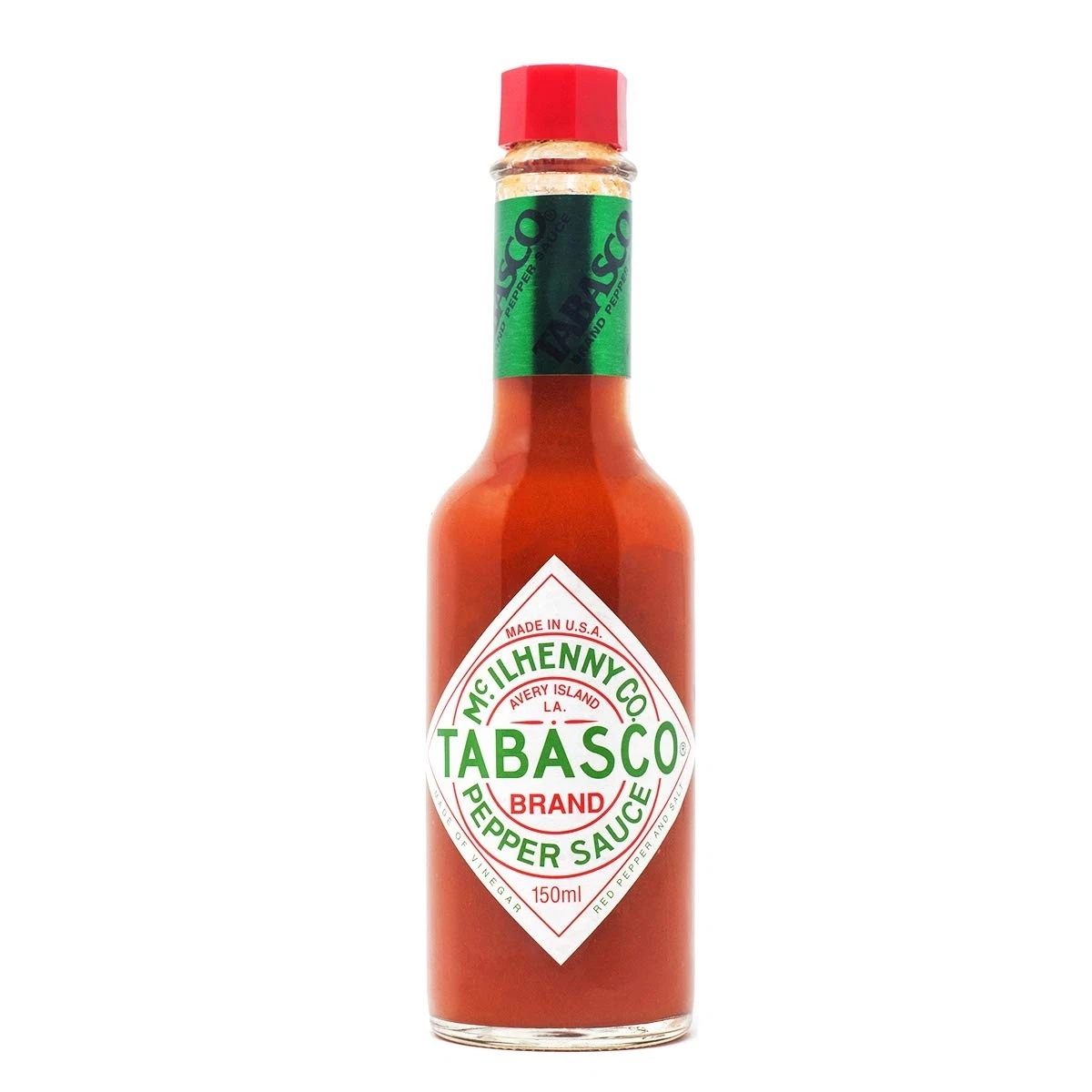
By the second half of 2023, Tabasco had reportedly become the best-selling Sriracha-style sauce in the U.S., a category Huy Fong had defined and dominated for decades.
That probably didn't happen because a competitor out-marketed Huy Fong. It looks more like Huy Fong, for reasons entirely outside its customers' view, simply couldn't keep the shelves stocked, and a competitor happened to be ready the moment that gap appeared.
Stack the resale prices, the shelf space competitors claimed, and Tabasco's rise to the top of the category, and something becomes fairly clear: a supply problem doesn't tend to stay a supply problem for long. It becomes a customer problem, and then it becomes someone else's opportunity. Peppers may never have really been the problem. Unfulfilled demand probably was.
This risk shows up well outside of hot sauce, too. A company that depends entirely on one advertising channel, one payment processor, or one platform for traffic is exposed to something similar. Customers rarely wait around to find out if a business will recover.
Main Takeaway
Huy Fong's story shows what a business can lose when one relationship quietly becomes the whole foundation. A great partner can give a business a reason to grow faster than it could alone, but that same reliance can become a single point of failure, and customers rarely wait around long enough for a business to recover from it. Together, those threads suggest why the businesses that survive a broken partnership tend to be the ones that built a backup before they needed one.
For businesses, this probably doesn't mean every partnership needs a redundant twin sitting on standby. It's more about recognizing which relationships have quietly become load-bearing, and asking what actually happens the day one of them disappears.