



“We were like family. I really trusted him.”
That is how David Tran, the founder of Huy Fong Foods, described Craig Underwood in court after nearly three decades of doing business together. Their relationship started in 1988 with a handwritten letter and a handshake, grew into one of the most important supplier relationships in the hot sauce industry, and eventually ended with a jury ordering Huy Fong to pay Underwood $23.3 million for breach of contract and fraud.
The story is more complicated than a simple business dispute. Huy Fong needed a reliable source of red jalapeños for its growing Sriracha business, while Underwood increasingly built its farming operation around Huy Fong's demand. Underwood expanded from a relatively small planting into roughly 1,700 acres producing around 100 million pounds of peppers, while Huy Fong eventually relied on Underwood as its primary source for the peppers that made its signature sauce.
The relationship worked so well that both companies grew around it.
That was also the problem.
By 2016, Huy Fong represented roughly 80% of Underwood's revenue, meaning the supplier relationship had become a major dependency rather than an ordinary business arrangement. At the same time, the companies had continued relying heavily on oral agreements and established business practices instead of a detailed long term contract defining exactly what would happen if either side changed course.
When Huy Fong eventually decided to move toward other pepper suppliers, Underwood was left with land, employees, equipment, and crops that had been committed around a customer that was no longer buying from it. The relationship that had helped build both companies had become a major source of risk for both.
Huy Fong and Underwood show why trust can be an incredibly valuable foundation for a partnership, but it becomes dangerous when the business grows more dependent on the relationship than the agreement is prepared to handle.
Trust Can Help a Partnership Grow, but Growth Raises the Stakes
When Craig Underwood first reached out to David Tran in 1988, there was little reason to think the relationship would eventually become a major part of either company's business. Underwood offered to grow peppers for Huy Fong, and the two sides developed an arrangement that was based on prepayment, trust, and a growing understanding of how they wanted to work together. Over time, that business relationship became a personal one as well, with the two families becoming close and Underwood attending the weddings of Tran's children.
As Huy Fong's Sriracha became more popular, Underwood expanded alongside it. What began with roughly 50 acres eventually grew into a farming operation covering around 1,700 acres, with Underwood producing roughly 100 million pounds of jalapeños during its final seasons supplying Huy Fong. The scale of the operation shows how much both companies had invested in the relationship by the time it eventually broke down.
That growth benefited both sides. Huy Fong received a dependable supply of peppers grown specifically for its needs, while Underwood gained a customer whose expanding demand helped justify the cost of acquiring land, hiring workers, purchasing equipment, and increasing production.
The problem was that the partnership gradually became difficult to replace.
By 2016, Huy Fong represented approximately 80% of Underwood's revenue. The dependence also ran in the other direction, with Underwood serving as Huy Fong's primary source of the red jalapeños needed for Sriracha. Each company had become increasingly exposed to the decisions of the other.
That is an important point for a growing business because dependence often looks like stability while everything is working.
A company that relies heavily on one supplier may feel secure when that supplier has delivered reliably for years. A company that receives most of its revenue from one customer may feel fortunate to have such a valuable account. As long as the relationship continues, concentration can look like efficiency.
The risk becomes visible when something changes.
A major customer leaving can suddenly turn a profitable business into a company searching for enough revenue to cover its existing costs. Losing a critical supplier can leave a company scrambling to replace an input it has spent years building its product around.
The Huy Fong and Underwood relationship demonstrates how that risk can develop gradually. Neither company needed to make one enormous decision to become dependent. Their businesses simply kept growing around a relationship that continued to work.
For founders, that means a successful partnership deserves more attention as it becomes more important, not less. The longer a relationship lasts and the more of the business it supports, the more carefully the company should consider what would happen if it disappeared.
The Bigger the Relationship Gets, the Less You Can Leave Unwritten
The Huy Fong and Underwood relationship became enormous without developing an equally detailed structure around it. The companies used written agreements during the first decade of their relationship, but eventually relied increasingly on oral agreements and established business practices to determine how they would work together.
That arrangement worked because both sides had spent years learning how the other operated. They understood the timing of payments, the planting process, the expected crop, and the general responsibilities involved. The history of the relationship itself became part of the agreement.
The problem was that the consequences of misunderstanding that agreement became much larger as the businesses expanded.
Underwood was no longer simply planting a few acres for a customer. It was committing land, employees, equipment, and millions of dollars to meet Huy Fong's expected demand. The companies were conducting business worth tens of millions of dollars, yet many of the expectations surrounding their relationship remained dependent on conversations and established practices rather than a single detailed agreement covering the entire arrangement.
That creates a useful lesson about business growth: the informal systems that work when a relationship is small can become inadequate once the relationship becomes critical to the company.
Trust is valuable because it reduces friction. Two people who know each other well can make decisions quickly, solve problems without lengthy negotiations, and rely on each other when circumstances change. Those benefits can be part of what makes a partnership successful in the first place.
A written agreement serves a different purpose. It creates a shared understanding of what each side has actually committed to, which becomes especially important when the relationship involves investments that are difficult to reverse.
If a supplier purchases land specifically to serve your business, both sides should understand what happens if your demand changes. If a manufacturer buys equipment to produce your product, the agreement should establish what happens if you stop ordering. If one customer becomes responsible for most of a company's revenue, the business should understand how much notice it will receive if that customer leaves.
None of those questions mean the companies expect the relationship to fail.
They acknowledge that circumstances can change.
The Huy Fong and Underwood dispute shows why that distinction matters. The relationship was built on genuine trust, but trust could not provide the same clarity once the two companies disagreed about what the relationship required.
The more valuable the partnership became, the more expensive those disagreements became as well.
The Best Time to Plan for an Exit Is Before You Need One
The relationship eventually reached a point where Huy Fong wanted to move in a different direction. According to the court's findings, Huy Fong began planning to source peppers elsewhere between roughly 2014 and 2016 while Underwood continued making decisions based on the expectation that the relationship would continue.
That became particularly damaging because Underwood had already made substantial commitments based on Huy Fong's expected demand. The farm continued preparing for future crops, leasing land, hiring workers, and purchasing equipment while Huy Fong was developing an alternative supply strategy.
The eventual separation therefore created a much larger problem than simply finding a new supplier.
Underwood lost approximately $8.5 million in 2017 and another $6 million in 2018 while transitioning toward new crops and customers. The dispute ultimately resulted in a jury awarding Underwood more than $13.3 million in compensatory damages and $10 million in punitive damages. The California Court of Appeal later unanimously affirmed the judgment.
The relationship also produced consequences for Huy Fong. After Underwood was gone, the company had to work with other growers rather than relying on the farm that had spent decades developing the capacity and expertise needed to supply its peppers. Later Sriracha shortages highlighted how valuable a dependable supply chain can be when a product depends on a specific agricultural input.
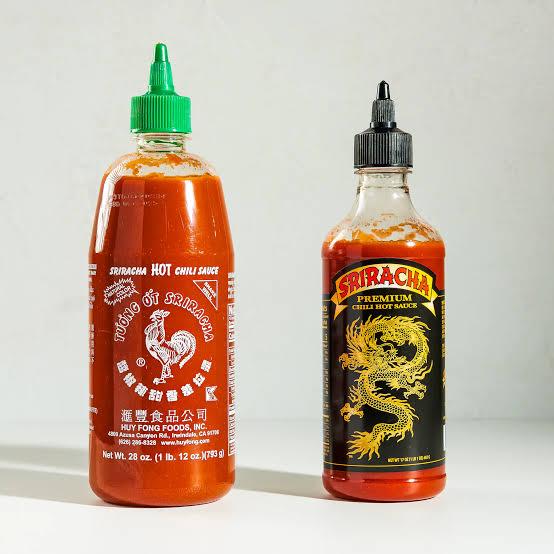
Underwood eventually used its experience to launch its own Sriracha, turning decades of knowledge developed while supplying Huy Fong into a product of its own.
The outcome shows why an exit plan matters even when neither side expects to use it.
A supplier agreement can establish how much notice must be given before orders stop, what happens to crops or inventory already committed, how existing investments are handled, and what each side is responsible for during a transition. A customer agreement can establish similar protections when a company becomes heavily dependent on one account.
Without those terms, the two sides may be forced to figure out the rules after the relationship has already broken down.
That is usually the worst possible time to do it.
For a smaller business, the same principle can apply to almost any important relationship. If one customer generates most of your revenue, you need to know how long you could survive without them. If one supplier provides a critical product, you should understand how quickly you could replace them. If a contractor or agency becomes essential to your operation, you should know how the business would continue if that relationship ended.
A good exit plan does not assume the partnership will fail.
It makes sure the business can survive if it does.
Main Takeaway
Huy Fong and Underwood spent nearly three decades proving that trust can build an extremely valuable business relationship. A handwritten letter and handshake eventually became a supply operation involving thousands of acres, millions of dollars, hundreds of employees and roughly 100 million pounds of peppers, while helping both companies build successful businesses around the demand for Sriracha.
The problem was not that the relationship was built on trust. The problem was that the businesses became increasingly dependent on that relationship without creating equally strong protections for what would happen if the relationship changed.
That is the part founders should pay attention to.
As a customer, supplier, manufacturer, distributor, contractor, or agency becomes more important to your business, the relationship should become more clearly defined. You should know what each side has committed to, what happens when circumstances change, and how the business can transition if one side eventually decides to leave.
The goal is not to treat every partner like a potential enemy. It is to recognize that even successful relationships can change, and that your business should not be built in a way that makes one person's decision capable of destabilizing everything you have created.
Trust can help you build the partnership.
Protection helps you survive the partnership changing.