



By: Kelly Hogan
Introduction
AI has created one of the biggest startup investment booms in history. Investors have poured billions of dollars into companies they believe could become the next major technology leaders. Yet many of today’s most valuable AI startups reached multibillion dollar valuations before selling a product or generating meaningful revenue. Some of today’s most valuable AI startups have raised billions before selling a real product, showing that funding alone doesn’t always build a successful business.

Investors Often Fund Future Potential Before Seeing Current Revenue
Investors don’t always wait for businesses to prove they can generate sales. In rapidly growing industries like AI, many investors are willing to fund future potential long before a company begins making money.
Thinking Machines Lab shows this trend. The company raised $2 billion in seed funding, the earliest stage of investment used to help build a new business, at a valuation of roughly $12 billion, despite not having a commercial product or meaningful revenue. Investors based their decision largely on founder Mira Murati’s reputation, the company’s technical team, and its long term vision for AI rather than existing customers.
Rather than purchasing proven financial results, investors were purchasing confidence in the people building the company. In industries driven by innovation, experienced leadership and technical expertise can sometimes carry more weight than early sales.

Many leading AI startups are now being valued based on the possibility that they could eventually become the next OpenAI. Investors recognize that breakthrough AI companies may capture enormous markets in the future, making early ownership extremely valuable if those expectations become reality.
This highlights how startup valuations often reflect future expectations instead of current performance. Investors are betting on what these companies could become rather than what they have already achieved.

Scarcity also plays a major role in today’s AI funding environment. Highly experienced AI researchers, engineers, and founders remain difficult to recruit, making talented teams valuable assets before a company has even launched a finished product.
Because exceptional AI talent is limited, investors often compete to back the strongest teams first, hoping those teams will eventually build successful businesses.

Startup funding often follows future potential rather than present day financial performance. Investors are willing to accept significant uncertainty if they believe a company has the leadership, talent, and technology needed to dominate an emerging industry.
That approach explains why companies can become worth billions of dollars long before they begin generating meaningful revenue.
Rapid Growth Without Paying Customers Creates Financial Risk
Large investments can help companies grow quickly, but funding alone cannot support a business forever. Eventually, every company must generate enough revenue to cover its expenses.
OpenAI demonstrates how expensive AI development has become. Although the company reportedly generated approximately $13 billion in revenue during 2025, it also reportedly lost about $38.5 billion because of enormous spending on data centers, graphics processing units, cloud computing, and highly paid AI researchers.
This illustrates that impressive revenue does not automatically translate into profitability. Even rapidly growing companies can lose substantial amounts of money when expenses rise faster than income.
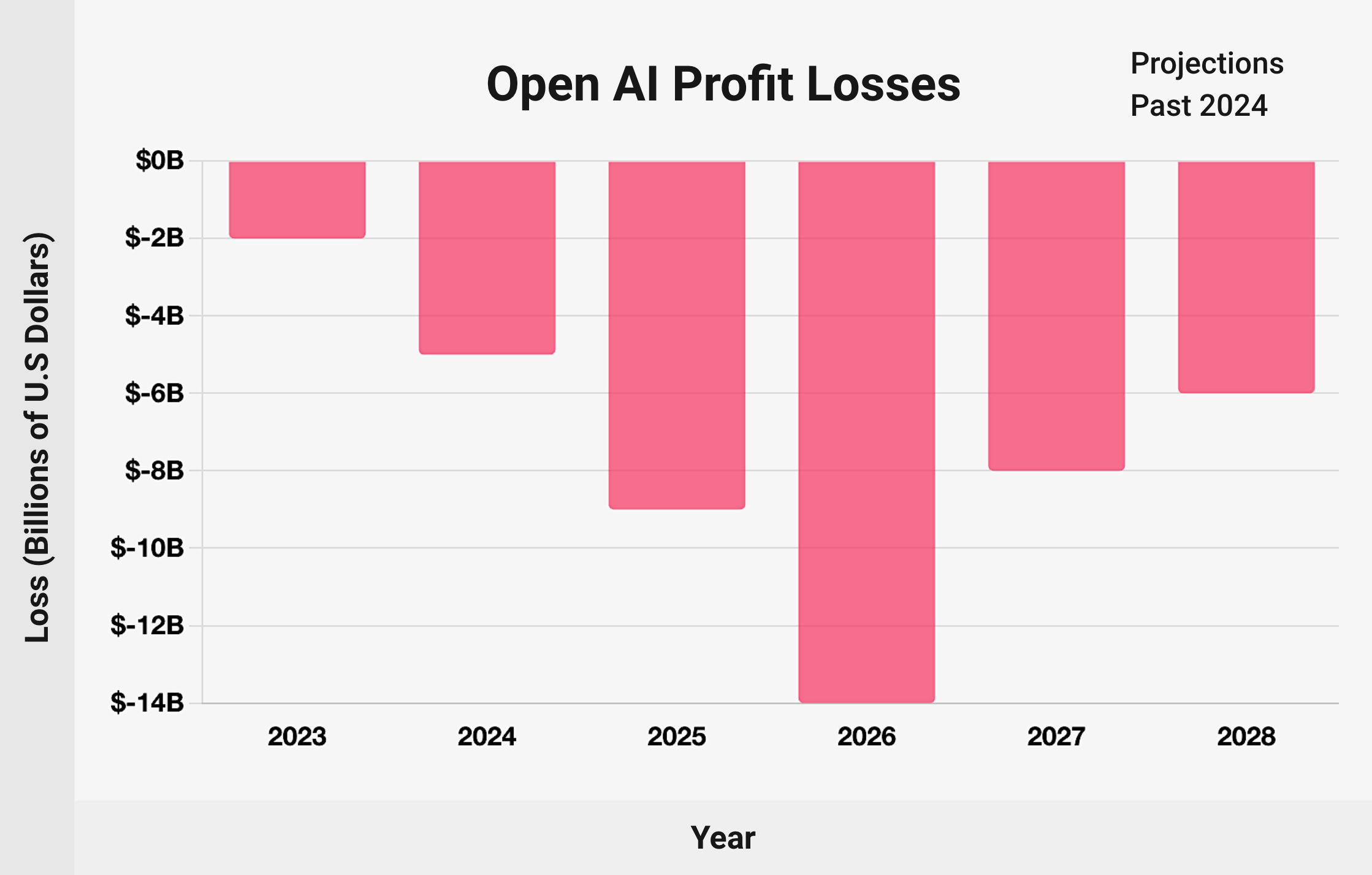
Many AI startups face similar financial pressures. Computing power has become one of their largest expenses, and numerous companies currently spend more on cloud infrastructure and GPUs than they receive from paying customers. Instead, they continue operating by raising additional funding rounds from investors.
As long as investors continue providing capital, companies can continue growing despite operating losses. However, relying on outside funding creates significant risk if investment slows or economic conditions change.

Without sustainable customer revenue, businesses eventually become dependent on continued investor confidence. If funding becomes harder to obtain while costs remain high, companies may struggle to pay employees, expand products, or even continue operating.
Successful businesses eventually need customers, not just investors to finance their growth. Revenue provides long term stability because it comes from the marketplace rather than future fundraising.

These examples show that rapid growth becomes dangerous when expenses consistently exceed income. Investor funding can accelerate expansion, but it cannot permanently replace sustainable revenue generated by paying customers.
Businesses ultimately succeed by creating enough customer value to support their own operations rather than relying indefinitely on outside investment.
Long Term Success Depends on Building a Business, Not Just Raising Money
Securing investment may help launch a company, but long term success depends on building a business customers are willing to support.
Harvard Business Review notes that many fast growing companies intentionally lose money early because they invest heavily in research, hiring, and expansion. While this strategy can be successful, it only works if those investments eventually produce profitable businesses.
Early losses can be part of a smart growth strategy, but they must eventually lead to sustainable financial performance. Growth without a path to profitability becomes increasingly difficult to maintain.
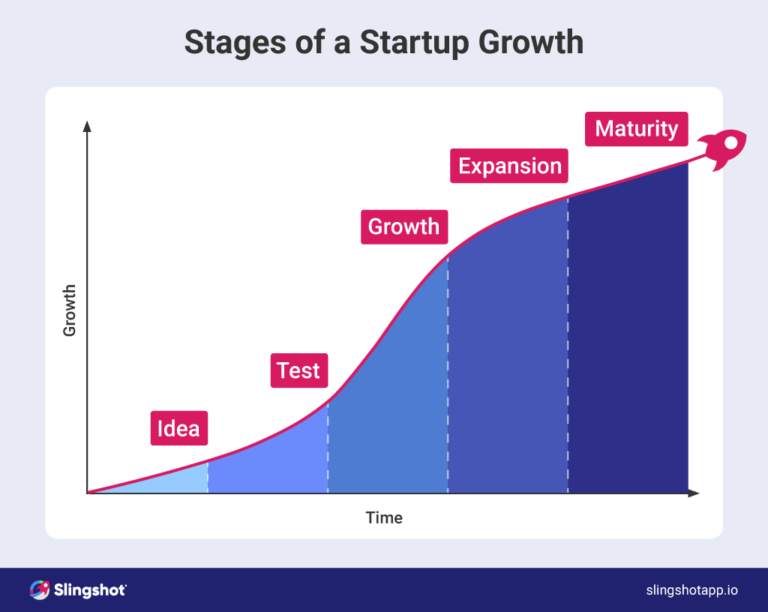
Companies that survive over the long run convert investor funding into products customers consistently choose to purchase. As businesses mature, investors begin paying much closer attention to revenue growth, customer retention, and realistic paths toward profitability instead of exciting future projections alone.
Eventually, financial fundamentals become more important than ambitious promises. Investors expect businesses to demonstrate that they can create lasting value rather than simply attracting additional funding.
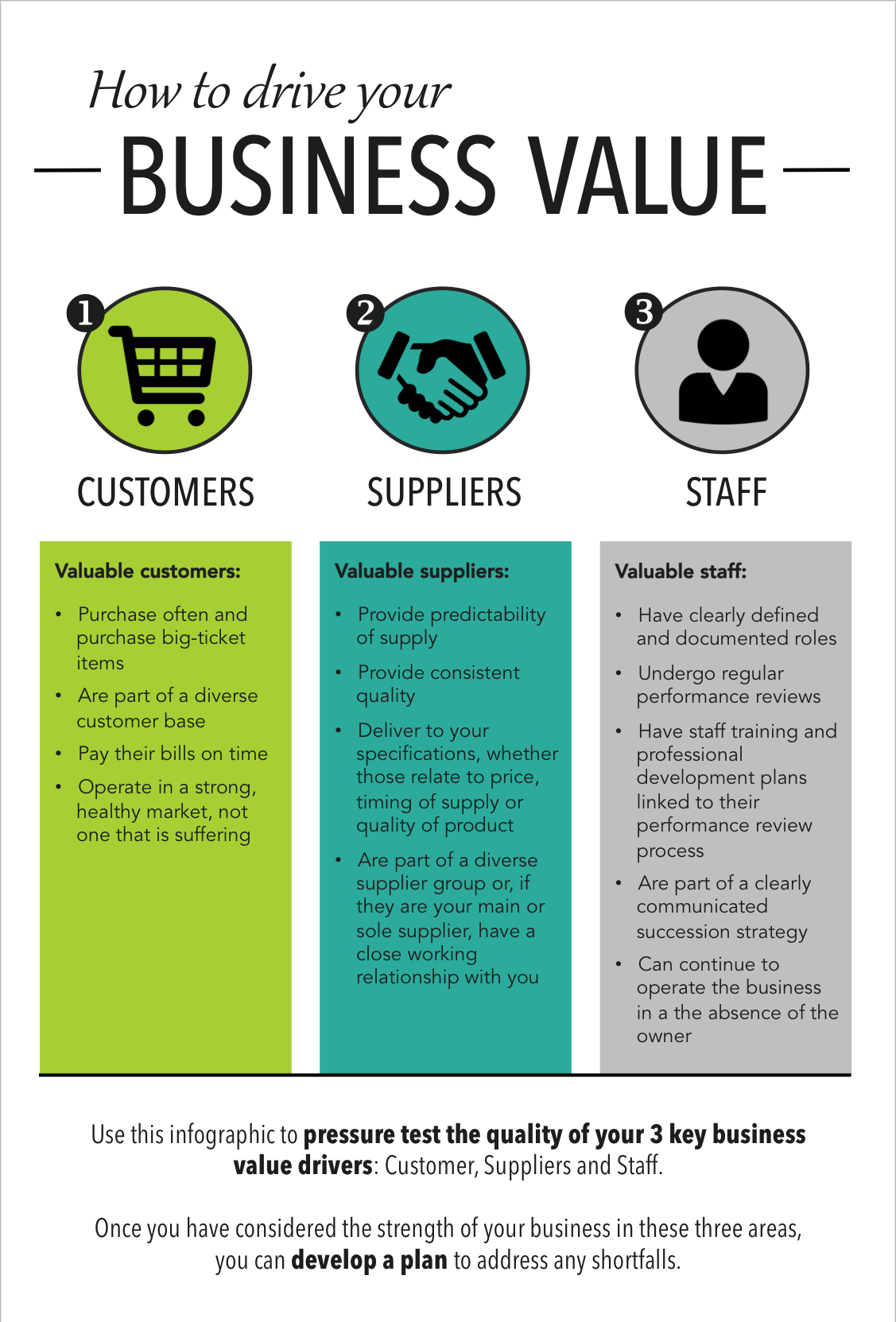
The same lesson applies to entrepreneurs launching smaller businesses. Validating customer demand early allows owners to improve products, generate revenue, and reduce financial risk before making major investments.
Building a loyal customer base creates a much stronger foundation than relying solely on outside financing. Businesses that solve real customer problems are far more likely to grow sustainably over time.

Raising capital is only the beginning of building a successful company. Funding creates opportunity, but customers ultimately determine whether a business survives.
The companies that endure are those that transform investment into products people genuinely value and continue paying for long after the initial excitement fades.
Main Takeaway
Raising billions of dollars may create headlines, but it does not guarantee long term success. Thinking Machines Lab and other AI startups demonstrate that investors are often willing to fund promising ideas before companies prove customer demand. At the same time, OpenAI’s enormous spending shows how quickly growth can become expensive when operating costs outpace revenue. The strongest businesses eventually move beyond investor excitement by creating products customers consistently value and pay for. Funding may help launch a company, but sustainable revenue is what allows it to last.