



View this post on Instagram
Most founders want everything in place before they launch. Kloo started to sell its coffee while much of the business was still coming together.
Claudia Snoh founded the brand with her mother, Mariella Cho, a Q Grader with around 15 years of experience in the coffee industry who developed Kloo's brewing process. Once they had the coffee and a basic website ready, they started selling, even though the packaging, social media, and email marketing still needed work.
The key lesson here is that you don't need every detail figured out before launching. Start with a product you're confident in, see how customers respond, and make improvements as you go.
Start Once the Core Product Is Ready
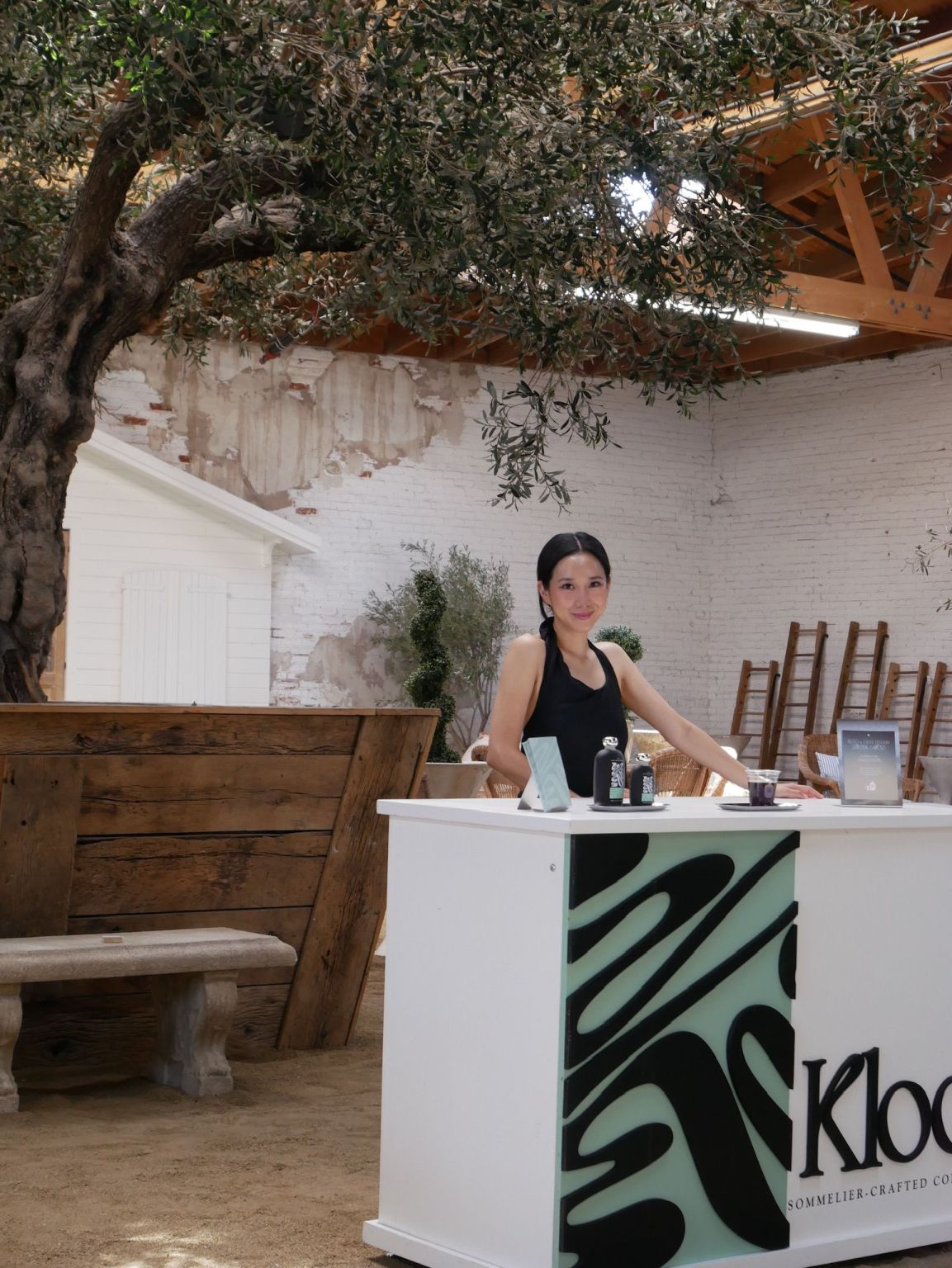
Thanks to her mother's expertise, Snoh felt confident enough in the coffee to start selling while the rest of the business took shape. She began with a small group of buyers, mostly friends, family, and people who found Kloo on their own. This soft launch continued for nearly a year and a half before the brand officially entered the wider market.
That early start gave Kloo plenty of time to figure out what worked and what needed attention. Instead of spending months trying to anticipate customer preferences, Snoh could see how people actually responded to the coffee, the packaging, and the overall experience. Even with a relatively small customer base, she had real feedback to work with before investing in a larger launch.
Let Real Customers Show You What Needs Fixing


As Kloo started gaining customers, Snoh actively sought their feedback through texts, emails, calls, and surveys. Their responses highlighted two issues that were easy to miss from the company's perspective.
Customers who heard Snoh explain Kloo's story understood what made the brand special. Those who discovered the website on their own, however, often saw just another coffee concentrate in a nice bottle. The website needed to do a better job of highlighting the Q Grader expertise and brewing process behind the product.
Packaging came up in customer conversations, too. Subscribers appreciated the premium glass bottles but didn't necessarily want a new one with every order. They were coming back for the coffee, so the extra packaging wasn't adding much value to their experience.
Having customers who were willing to share these frustrations gave Kloo a much clearer idea of where to focus. Rather than guessing which parts of the business needed attention, Snoh could prioritize the changes people were actually asking for.
Use What You Learn to Improve the Offer
View this post on Instagram
Kloo put that feedback to work, starting with its website and packaging. The company revamped its brand materials to make its story easier to understand, then replaced its glass bottles with refill pouches. The switch also improved profit margins, giving Kloo more flexibility to offer better subscriber pricing.
Customers had plenty to say about pricing, as well. Shipping fees and the cost of individual bottles were bigger concerns than order size, prompting Kloo to lower its bottle price from $35 to $32, reduce shipping fees, introduce a $7-per-bottle subscriber discount, and set a two-bottle minimum.
According to Shopify's reporting, the changes helped increase completed checkouts and conversion rates while improving profitability. By responding to specific customer concerns, Kloo made the buying experience more appealing while also improving the economics of its subscription model.
Takeaway
Kloo's early launch gave the company roughly a year and a half to learn from customers and refine the business before expanding. During that time, real feedback helped shape everything from the brand's messaging to its packaging and pricing.
For other founders, the same approach offers a way to avoid spending too much time and money perfecting details customers may not care about. A solid core product, a willingness to listen, and some flexibility can go a long way toward building a business people actually want to buy from.
Looking Ahead
Launching a business can feel like a race to get every detail right, from the website to the packaging. Kloo's experience shows how much founders can learn by getting a product into customers' hands early and making adjustments as they go. The first version of a business can be a starting point, giving founders room to figure out what customers value before investing in a more polished launch.