



By: Kelly Hogan
Introduction
When people think about McDonald’s, they usually think about burgers, fries, and the Golden Arches. But behind one of the world’s most recognizable brands is a business strategy that has far less to do with fast food than most people realize. McDonald’s became a global powerhouse not just by selling burgers, but by owning the real estate beneath many of its restaurants. By turning its restaurant locations into long term assets instead of simply places to sell food, the company built a business that continues creating value long after each meal is served.
The Most Valuable Businesses Own Assets That Continue Making Money
The strongest businesses don’t rely on making a new sale every day. Instead, they build assets that continue generating income year after year, creating stability even when business conditions change.
One of McDonald’s biggest competitive advantages is that it owns or controls much of the land underneath its restaurants. Rather than simply collecting franchise fees, the company leases those properties to franchise owners and earns rental income in addition to franchise royalties. That means every restaurant generates multiple streams of revenue. Instead of depending solely on customers buying burgers and fries, McDonald’s also earns consistent income from the property itself, allowing each location to continue producing value beyond daily food sales.
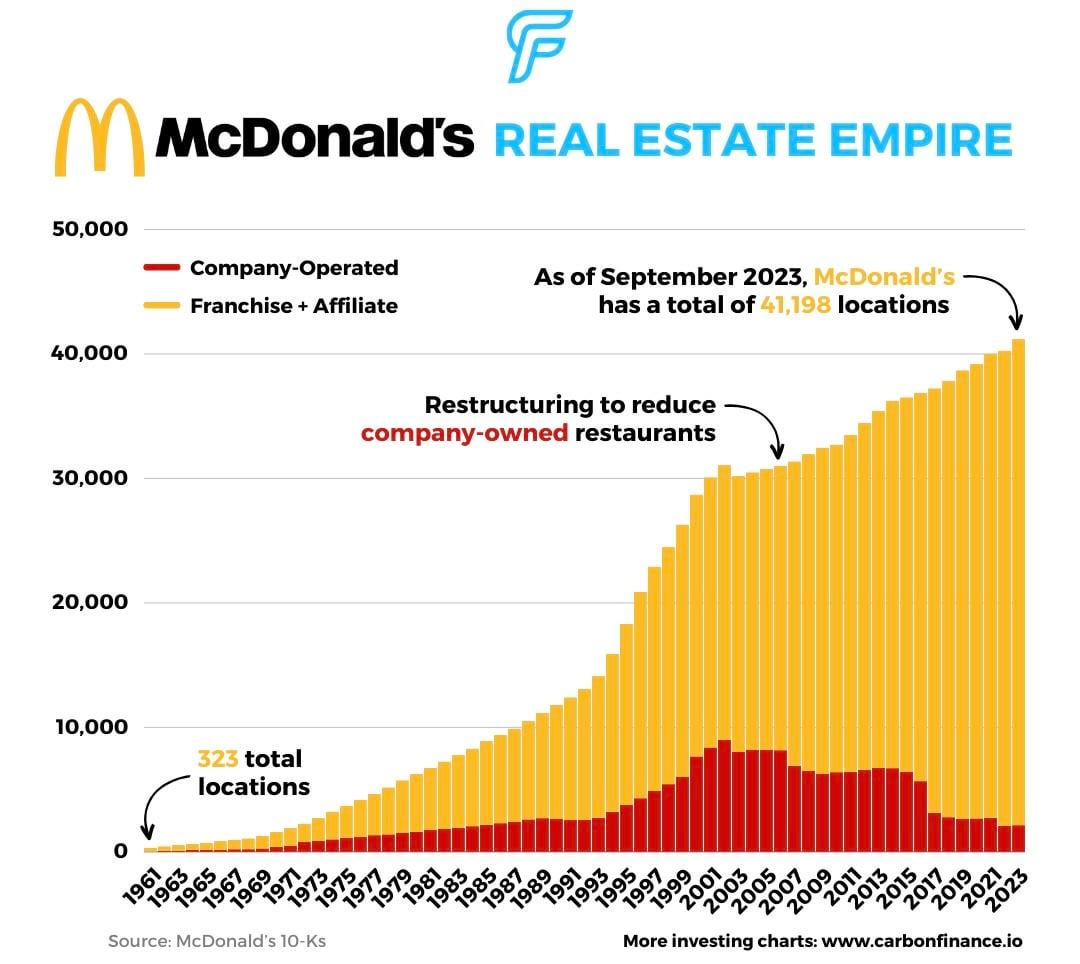
Because the company owns the underlying real estate, it isn’t as dependent on restaurant performance as many competitors. Rental income tends to remain more stable than restaurant sales, giving McDonald’s steadier cash flow even during periods of economic uncertainty.
At the same time, owning the property gives the company greater bargaining power with franchisees while increasing the overall value of the business through its growing real estate portfolio.
Recurring income allows the company to move through economic uncertainty more effectively than businesses that depend entirely on day to day sales. Even when customer spending slows, the value of the underlying real estate continues supporting the business.
Macquarie, one of the world’s largest financial services firms, has described McDonald’s as one of the world’s most successful real estate businesses because its property portfolio creates reliable, recurring cash flow. That strategy has helped the company remain resilient through recessions and changing consumer habits while continuing to grow over decades.
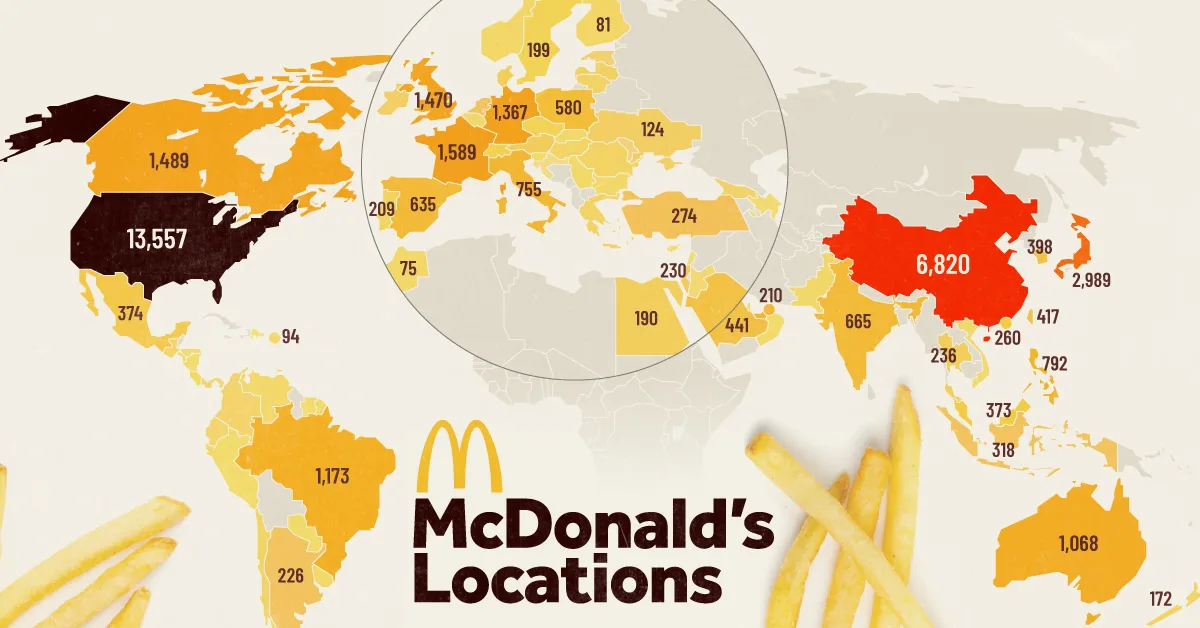
McDonald’s strategy demonstrates that long term value often comes from what a business owns rather than simply what it sells. Owning valuable real estate gave the company recurring rental income, reduced its dependence on restaurant sales alone, and strengthened its position with franchisees. Those advantages allowed McDonald’s to remain financially stable through changing consumer habits and economic downturns while continuing to grow.
Rather than relying on individual burger sales, the company built a business model centered on assets that continued creating value year after year. That’s ultimately what transformed McDonald’s from a successful restaurant chain into one of the world’s most valuable businesses.
Protecting Your Assets Is Just as Important as Growing Them
Building valuable assets is only part of the equation. Businesses also need to protect those assets so they continue creating value as the company grows.
RBC Wealth Management recommends that business owners separate personal and business assets, maintain proper legal structures, carry adequate insurance, and regularly review ownership arrangements. These steps help reduce financial risk while protecting everything the business has worked to build.
Protecting assets requires intentional planning. Strong legal and financial structures help businesses avoid problems that could threaten years of hard work.
Legal protection is equally important. Saltiel Law Group explains that LLCs, corporations, trusts, and other business structures help shield owners from lawsuits and unexpected liabilities. Choosing the right structure can protect both the business and the owner’s personal assets if legal issues arise.
This demonstrates that ownership alone isn’t enough. Businesses also need legal protections that help preserve the value of those assets over time.
Protecting assets also means actively managing them. Scribcor Global explains that businesses should regularly track, maintain, and optimize their assets instead of allowing them to become neglected expenses. Many companies overlook valuable assets such as customer relationships, intellectual property, and brand reputation, even though they can become some of the business’s greatest long term advantages.
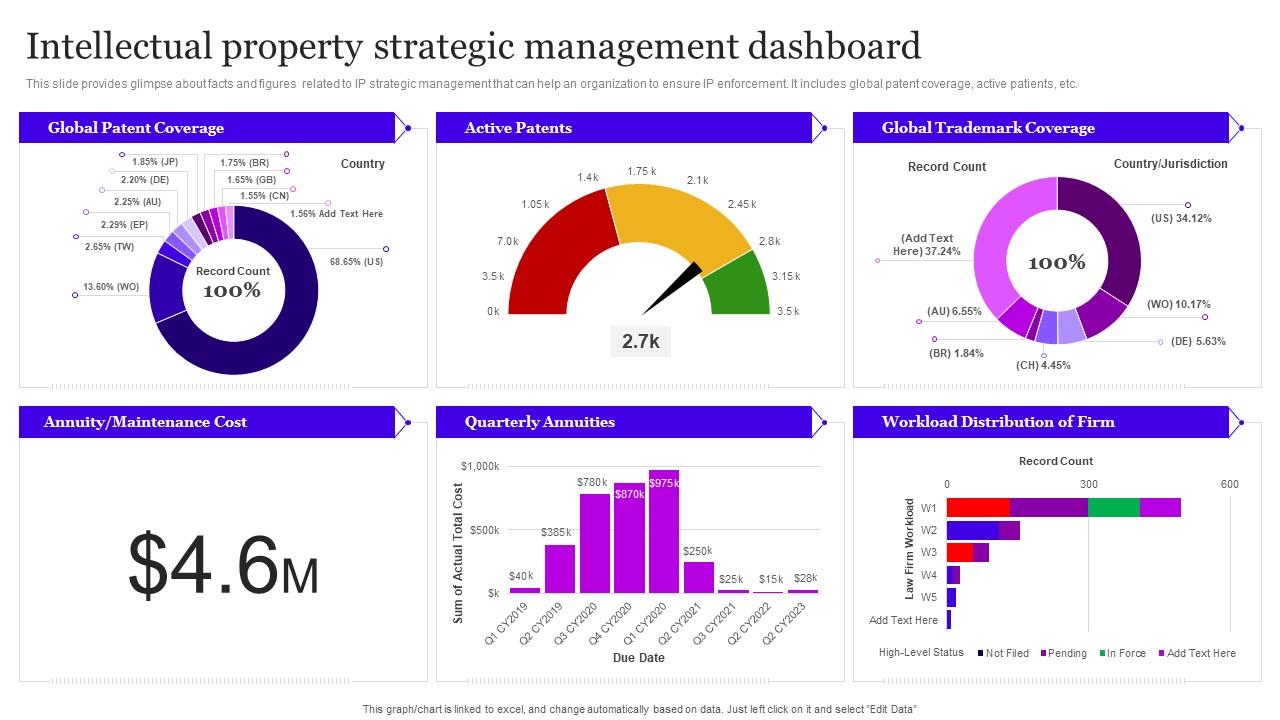
This is important because it shows valuable assets extend far beyond physical property. The businesses that intentionally build and protect both tangible and intangible assets are often better positioned to attract financing, survive downturns, and continue growing.
Creating valuable assets is only the first step. Businesses that actively protect, organize, and manage those assets give themselves a much stronger foundation for long term success. Assets only create lasting value when they’re properly protected.
Ownership Creates Long Term Stability Beyond Real Estate
While McDonald’s built much of its success through real estate, ownership can take many different forms. Businesses become more resilient when they own assets that continue appreciating or generating value over time.
Research from Harvard Business School suggests that employee ownership can improve retention, engagement, and long term organizational performance because employees have a direct financial stake in the company’s success. When workers become owners, they’re often more invested in helping the business grow.

This proved that ownership isn’t limited to property. Giving employees ownership can strengthen the business itself by aligning everyone’s long term incentives.
Ownership also plays an important role in personal financial stability. Annika Little, Managing Director at Asset Funders Network, argues that ownership whether through equity, property, or other appreciating assets helps individuals and businesses build long term wealth because those assets can continue increasing in value instead of requiring people to constantly start over financially.
Ultimately this means that ownership allows value to compound over time. Businesses that consistently acquire valuable assets often create stronger financial positions for the future.
Many of today’s most valuable business assets aren’t physical at all. Intellectual property, software, patents, trademarks, customer databases, technology, contracts, and strong brand recognition can all become assets that generate recurring value for years. Unlike one time sales, these assets continue supporting growth long after they’re created.
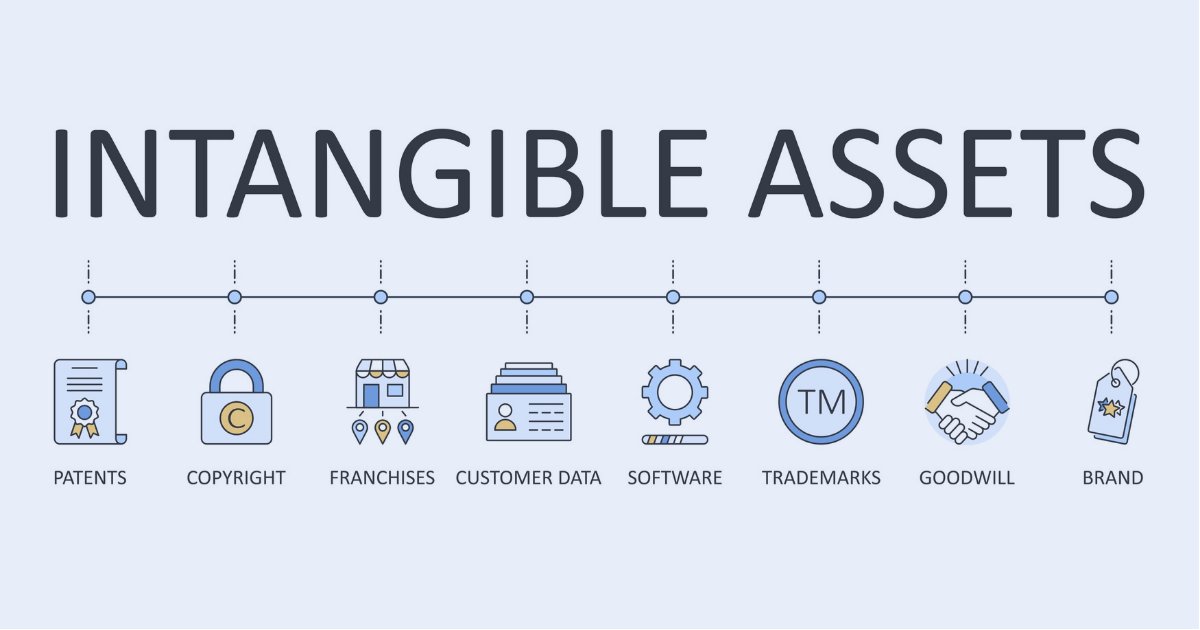
Successful businesses think beyond today’s sales. They focus on building assets that continue producing value regardless of daily revenue fluctuations.
Together, these examples show that ownership is one of the strongest drivers of long term business stability. Whether it’s real estate, property, employee ownership, or brand equity, businesses that own valuable assets are often better equipped to grow, adapt, and get through economic uncertainty.
McDonald’s success illustrates a broader lesson. Businesses become stronger when they own assets that continue creating value long after the original sale.
Main Takeaway
The most valuable businesses don’t just sell great products, they build and protect assets that continue generating value over time. McDonald’s real estate strategy demonstrates how ownership can create recurring income, strengthen a company’s competitive position, and provide stability through changing economic conditions. Whether those assets are property, customer relationships, or a trusted brand, entrepreneurs who focus on owning valuable assets often build businesses that continue growing long after individual sales are made.