



By: Kelly Hogan
Most businesses focus on creating a great product. The smartest businesses also think about when customers are most likely to buy.
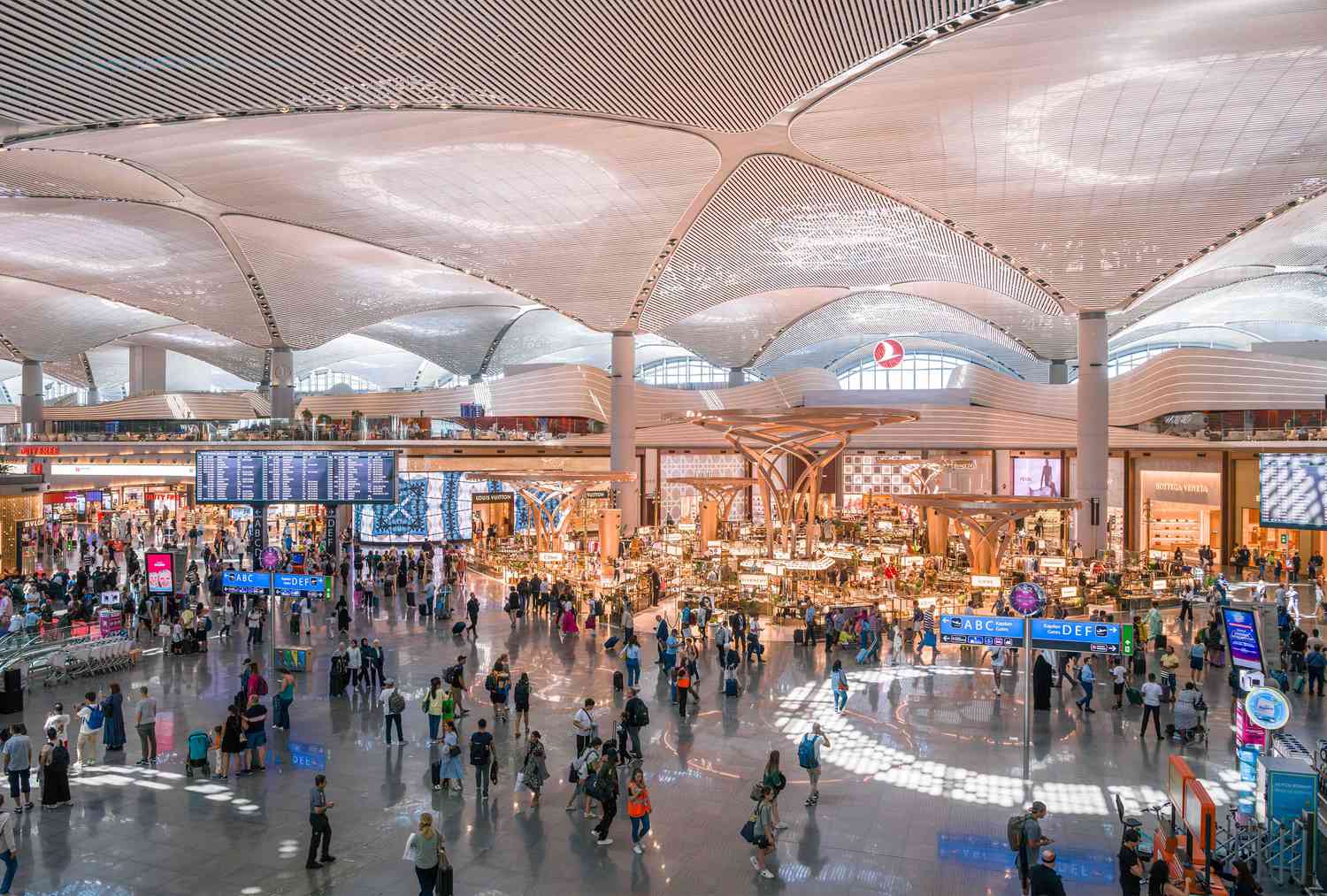
Airports are one of the best examples of this. Every day, millions of travelers spend far more than they expected on food, drinks, shopping, and even lounge access. It’s not because airport stores have the lowest prices. It’s because airports are designed around customer behavior. From where stores are placed to when passengers see them, nearly every decision is built to encourage spending. For entrepreneurs, there’s a valuable lesson. understanding your customer’s buying habits can be just as important as the product you’re selling.
Great Businesses Sell at the Right Moment
Customers are much more likely to make a purchase when timing is on your side. The best businesses don’t just think about what they’re selling, they think about when customers are most ready to buy.
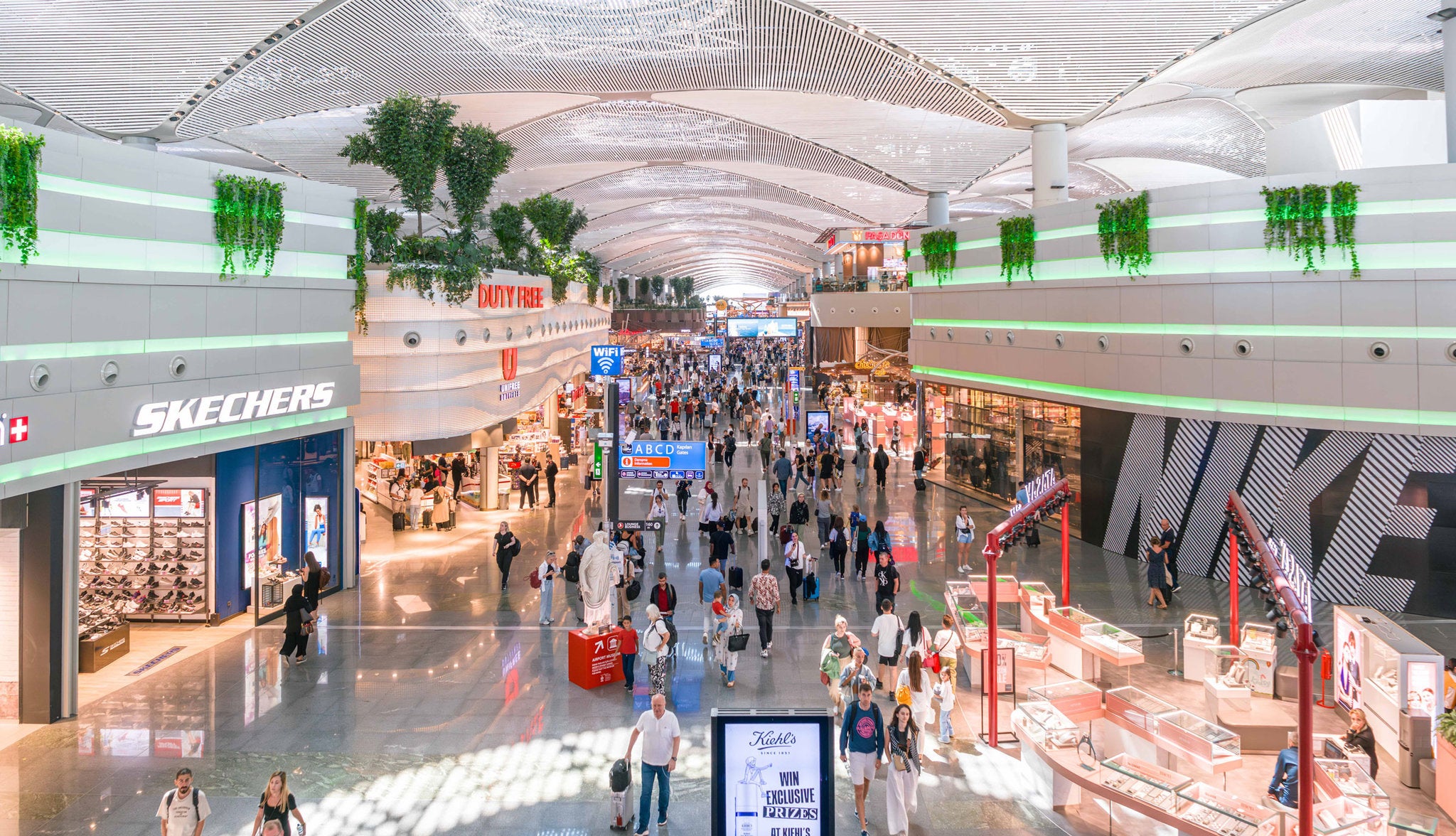
Airports earn a significant portion of their revenue from restaurants, retail stores, parking, lounges, advertising, and car rentals rather than airline operations alone. According to Florida Tech, these businesses perform well because travelers usually have extra time before boarding and far fewer alternatives once they’ve passed through security. Instead of rushing to catch a flight, many passengers are simply waiting, creating the perfect opportunity to browse nearby stores.
Customers are more likely to spend money when they have time and fewer competing options. Great businesses recognize those moments and position themselves where buying feels natural.
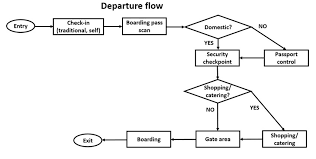
Airports also use passenger flow data to decide exactly where restaurants, shops, and advertisements should be placed. AnalyticsMart explains that airports analyze how travelers move throughout the terminal, then position businesses in high traffic areas where passengers naturally slow down or spend the most time. Rather than guessing where customers might shop, airports rely on data to maximize sales.
Successful businesses study customer behavior instead of relying on assumptions. Understanding where people naturally spend time can dramatically improve sales.
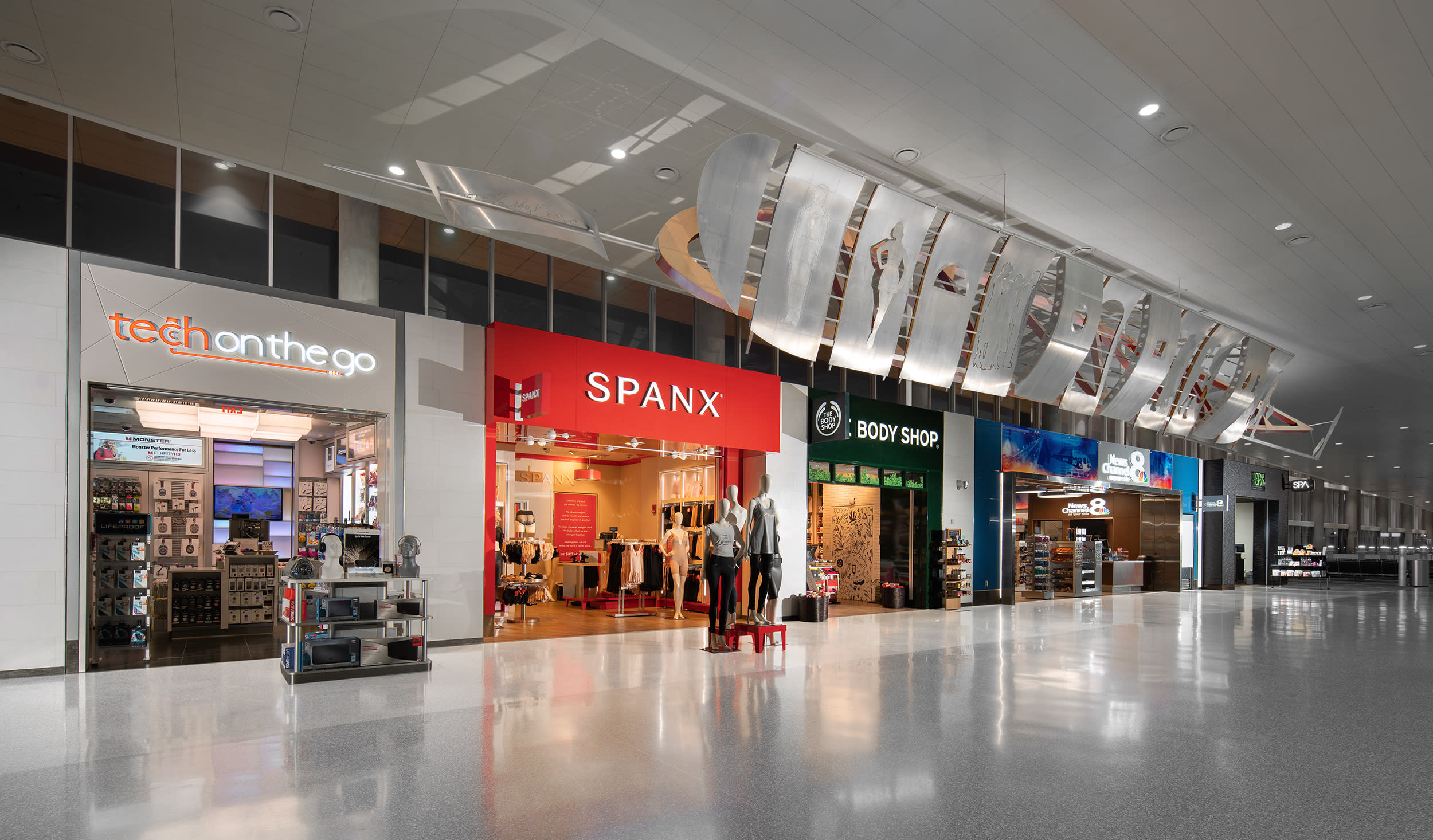
Many airports intentionally place large retail areas immediately after security checkpoints. By this point, passengers have completed the most stressful part of their trip and often have plenty of time before boarding. That shift from feeling rushed to feeling relaxed makes people much more willing to browse stores, grab a meal, or make an impulse purchase.
Timing isn’t just about the clock, it’s also about how customers feel. People are much more likely to buy when they’re relaxed instead of stressed.
The most successful businesses don’t rely on having the best product alone. They understand exactly when customers are most likely to make a purchase and design the buying experience around those moments.
Convenience Often Wins Over Price
Customers don’t always choose the cheapest option. More often, they choose the option that’s easiest and requires the least effort.
Airport prices are often much higher than prices outside the terminal, yet millions of travelers still buy food, drinks, books, and souvenirs every day. Instead of leaving the airport to find a cheaper meal, most people choose the option that’s already in front of them because it’s fast, convenient, and fits into their travel plans.
Convenience often matters more than price. Many customers are willing to spend extra if it saves them time or effort.
Airport retailers carefully design their layouts to encourage impulse purchases. Stores are positioned along natural walking paths, products are displayed where travelers can easily see them, and checkout is designed to be quick. Every part of the shopping experience is meant to reduce friction and make buying feel effortless.
The easier it is to buy something, the more likely people are to make a purchase. Removing small obstacles can have a big impact on sales.
Research from eMarketer also shows that airports benefit from being a “captive audience.” Travelers have fewer distractions than they normally would and often spend long periods waiting near gates. During that time, they’re more likely to notice nearby advertisements, restaurants, and retail stores than they would in their everyday lives.
Attention is valuable. When businesses can capture a customer’s attention at the right moment, they dramatically increase their chances of making a sale.
Businesses don’t always need to compete by offering the lowest prices. Making products easier to find, easier to access, and easier to purchase can be an even stronger competitive advantage.
Build an Audience That Comes Back
The most valuable customers aren’t the ones who buy once, they’re the ones who keep coming back. Building long term relationships is often much more valuable than constantly chasing new customers.
The Content Marketing Institute explains that businesses can create their own “captive” audience by consistently producing valuable content that people intentionally return to. Newsletters, podcasts, blogs, and educational content give customers a reason to engage with a brand long after their first purchase.
Providing value builds trust over time. When people choose to come back on their own, businesses spend less money trying to constantly attract new customers.
Branding experts at Fabrik argue that newsletters, memberships, online communities, and loyal social media audiences allow businesses to own their audience instead of renting attention through paid advertisements. Over time, email subscribers, YouTube viewers, podcast listeners, and newsletter readers become much less expensive to reach because they’ve already chosen to follow the brand.
An audience you own is one of the most valuable assets a business can have. Loyal customers are easier and cheaper to reach than brand new ones.
Unlike airports, online businesses can’t rely on physically surrounding customers with stores and advertisements. Instead, they encourage repeat engagement by consistently providing useful content, solving problems, and creating experiences that give people a reason to return again and again.
The strongest businesses don’t rely on one time purchases. They create ongoing relationships that keep customers coming back long after the first sale.
Whether it’s an airport or an online business, long term growth comes from understanding customer behavior and creating reasons for people to return. The businesses that consistently earn attention usually spend less time chasing it.
Main Takeaway
The best businesses don’t just create products people want, they understand exactly when, where, and how customers are most likely to buy them.
Airports generate billions in non airline revenue because they combine timing, convenience, and customer behavior into one seamless experience. Entrepreneurs can apply that same strategy by making their products easy to discover, easy to purchase, and available at exactly the right moment.
Looking Ahead
Personally, I think every founder should ask themselves one simple question: “When is my customer most likely to say yes?” The businesses that answer that question well usually don’t need to rely on aggressive sales tactics. Instead, they make buying feel like the obvious next step.