



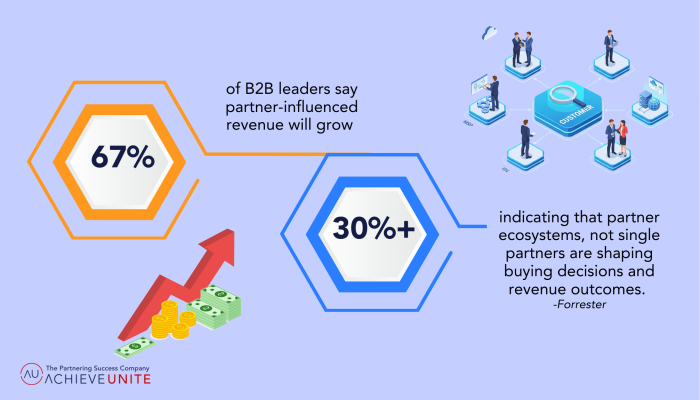
Getting to the top isn't always about bringing in the most revenue. For a lot of the biggest companies out there, it comes down to smart investments and strong partnerships instead.
It's tempting to think growth is just about cutting costs or posting bigger numbers every quarter, but that's not really the full picture. Long-term thinking tends to matter just as much, if not more, than any quick win.
Strategic Investments Create More Value Than Cutting Costs Alone
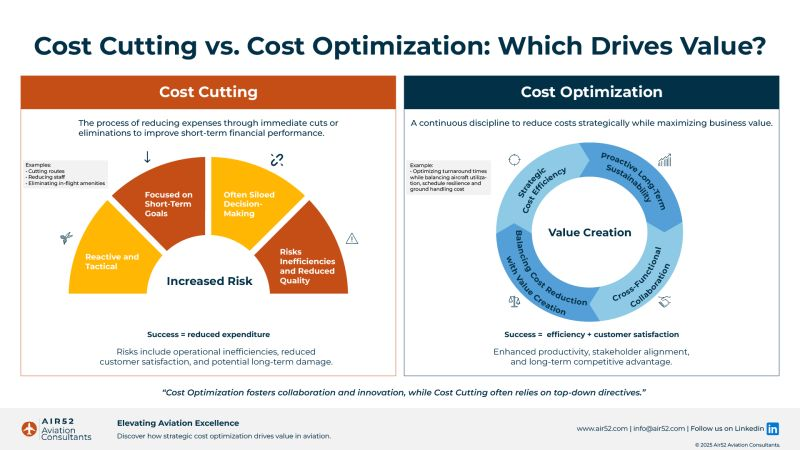
Spending less doesn't necessarily add up to more value. What a business chooses to invest in, and why, tends to matter more than how much it trims off the top.
CLA explains that business value comes from four areas working together: financial performance, growth management, execution, and leadership. Strong businesses try to balance all four, rather than just maxing out one of these.
Value doesn't look like it comes from one standout metric so much as several things working in sync.
HBS notes that successful companies create value by investing in capabilities competitors struggle to copy, things like innovation, operational excellence, and customer relationships. Cost reductions tend to work best when they cut waste rather than the investments that actually help a business grow.
There's a real difference between trimming fat and cutting muscle, and the businesses that grow tend to know which is which.
A lot of large tech companies keep pouring money into AI, cloud infrastructure, and talent, seemingly on the bet that those investments will strengthen their competitive position down the line.
Even in uncertain conditions, some of the biggest players appear to treat investment as the safer long-term move compared to pulling back.
Looking at the bigger picture, the most valuable businesses aren't the ones spending the least so much as the ones spending intentionally on the areas most likely to drive growth over time.
Partnerships Can Help Small Businesses Compete Like Bigger Companies
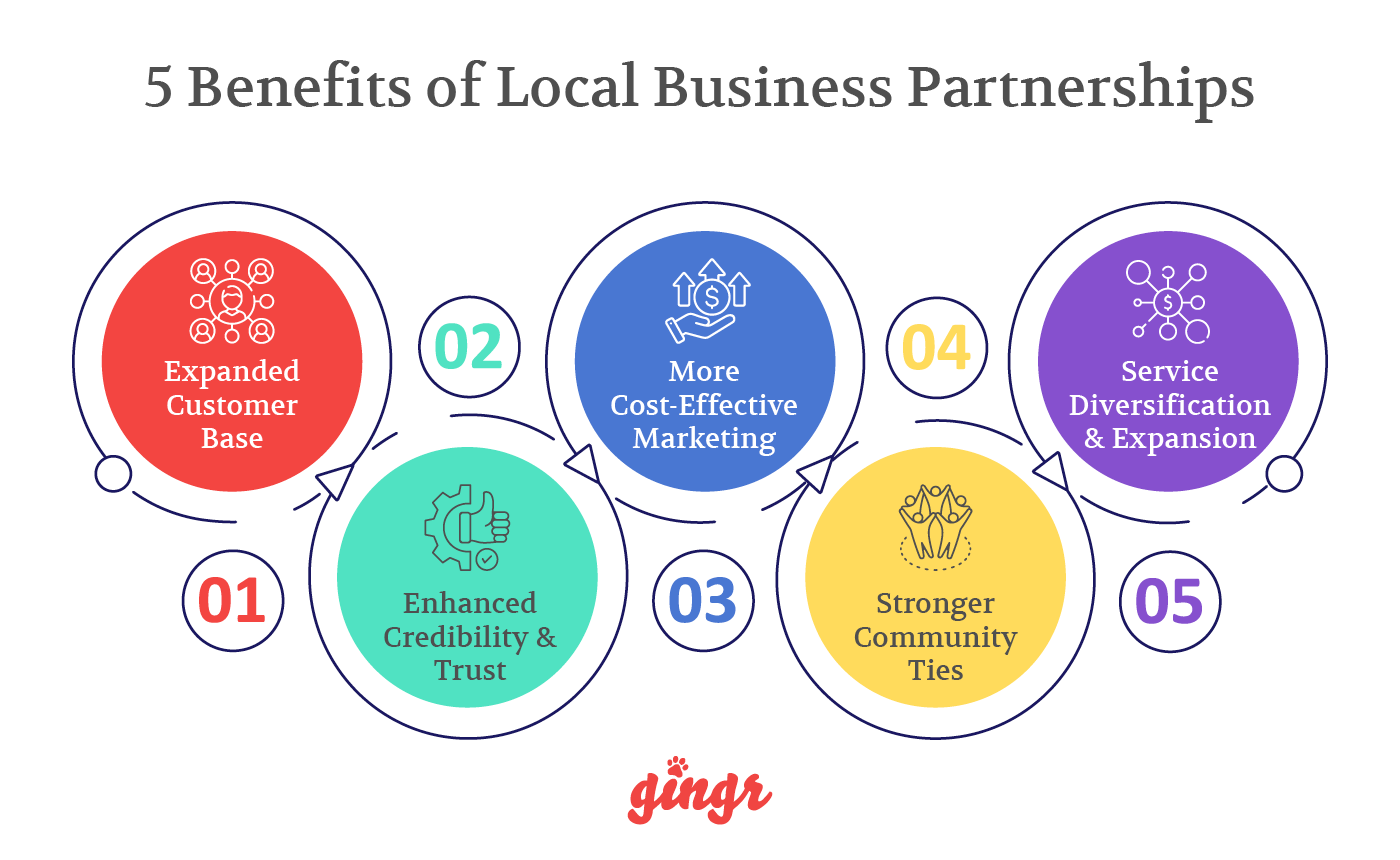
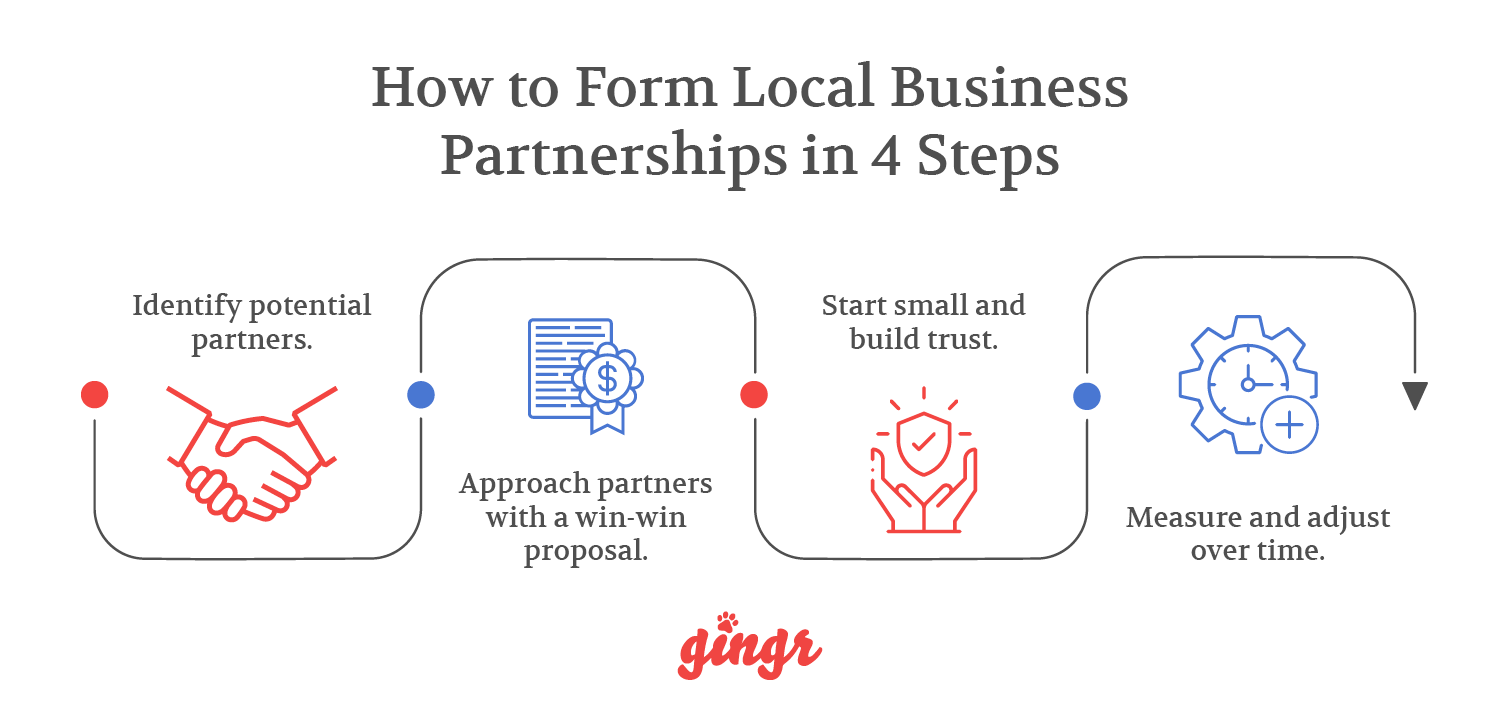
Growth doesn't have to mean building every piece yourself, as sometimes it comes from finding the right people to grow alongside.
Salesforce recommends partnerships as one of the fastest ways for small businesses to reach new audiences, build credibility, and expand what they offer without dramatically raising costs.
Partnerships seem to offer a shortcut of sorts, letting a business borrow reach and trust it hasn't had time to build on its own yet.
Businesses can collaborate through co-marketing campaigns, referrals, bundled products, shared events, and cross-promotions, giving both sides a way to reach customers they probably couldn't reach alone.
Two smaller audiences combining can start to look like one much bigger one, usually at a fraction of the cost of building that reach from scratch.
Research on entrepreneurial partnership networks found that smaller companies forming strategic alliances tended to benefit from faster innovation, better information sharing, and stronger competitiveness against larger firms. HBS research points to something similar, finding that successful strategic alliances create value that neither business could easily create on its own.
Two companies working together can end up producing something bigger than what either could pull off solo, and that kind of value is tough to replicate alone.
Stepping back, building everything in-house isn't always the fastest way to grow. Sometimes the quicker path runs through the right partners instead.
Strong Businesses Focus on Long-Term Value, Not Short-Term Numbers
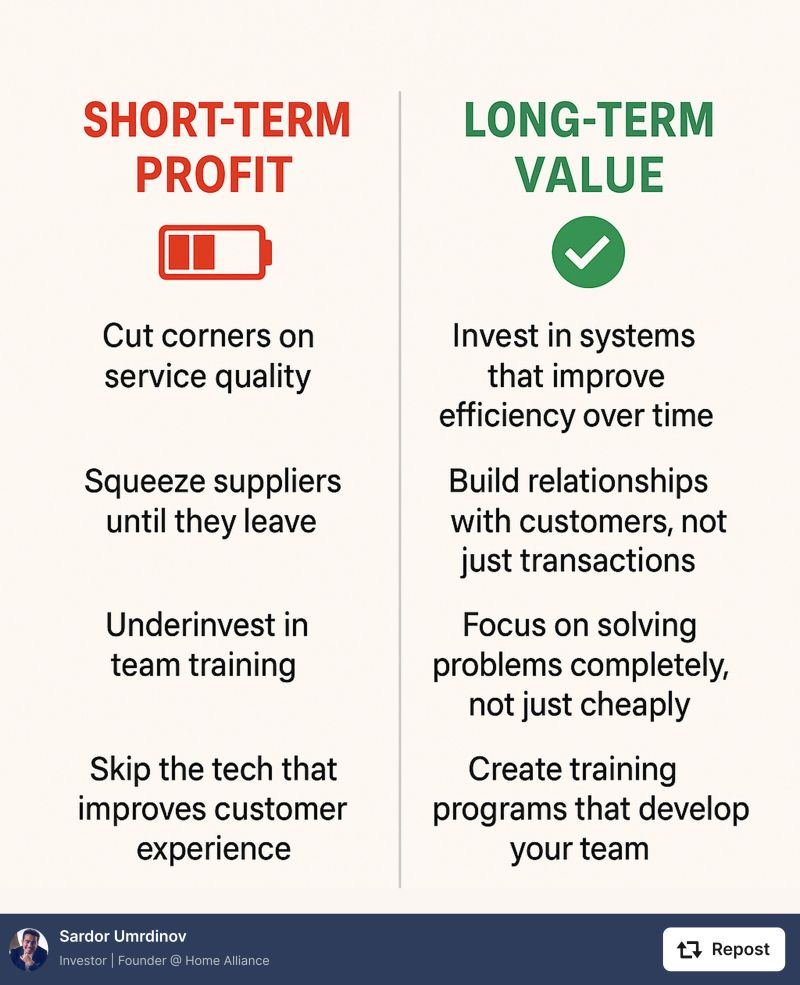
A great quarter doesn't guarantee a business is built to last, as what usually matters more is whether it can keep performing once the spotlight moves on.
Buyers tend to value businesses that are resilient, scalable, well-managed, and operationally strong, not just ones with high short-term profits.
The businesses that look most attractive on paper aren't always the ones built to hold up over time, and buyers usually pick up on that difference.
This is part of why small businesses are encouraged to invest in customer relationships, partnerships, and consistent customer experiences. Those things tend to create repeat business and referrals over time, rather than just a one-time bump.
Consistency has a way of compounding. A single good sale doesn't move the needle much, but a pattern of good experiences keeps customers coming back.
HBS makes a similar case, arguing that companies create lasting value by building capabilities that keep producing results long after the initial investment.
A smart investment tends to keep paying off well after the initial return, not just in the moment it's made.
Taken together, long-term business value seems to come from steadily improving a company, not from making the numbers look better in the short run.
Main Takeaway
The strongest businesses tend to grow by building, not by shrinking.
Smart investments, strong partnerships, and a focus on long-term growth appear to matter more than short-term results. The companies that hold up over time tend to be the ones playing the longer game.
Looking Ahead
I think several factors, like AI and shifting customer expectations, are pushing more industries to rethink how they compete, and partnerships might be one of the areas that shifts the most. What's currently a smart move for smaller businesses could start looking more like a baseline expectation.
The businesses that get ahead of that, building the right partnerships before they're strictly necessary, may end up with a real advantage over the ones still trying to go at it alone.