



Introduction
Big acquisitions can transform a company overnight, giving it new customers, brands, and opportunities for growth. But they can also create enormous financial pressure if the deal depends on heavy borrowing and ambitious expectations.
Paramount’s planned $81 billion acquisition of Warner Bros. Discovery shows that while bold deals can reshape an industry, they also leave very little room for mistakes.
Bigger Doesn’t Always Mean Stronger

The proposed merger would bring together some of the world’s biggest entertainment brands, including Paramount, CBS, CNN, Warner Bros., and Nickelodeon. By combining streaming platforms, advertising operations, and other parts of the business, executives expect to save billions of dollars each year.
However, the combined company would also take on nearly $80 billion in debt. At the same time, both companies are facing declining cable television revenue as more viewers switch to streaming services. Even though the business would become much larger, those financial challenges could make it harder to generate enough cash to comfortably repay what it owes.
Growth creates value only when the benefits outweigh the costs. Becoming bigger means little if the additional debt makes the business financially weaker.
Too Much Debt Leaves Little Room for Error
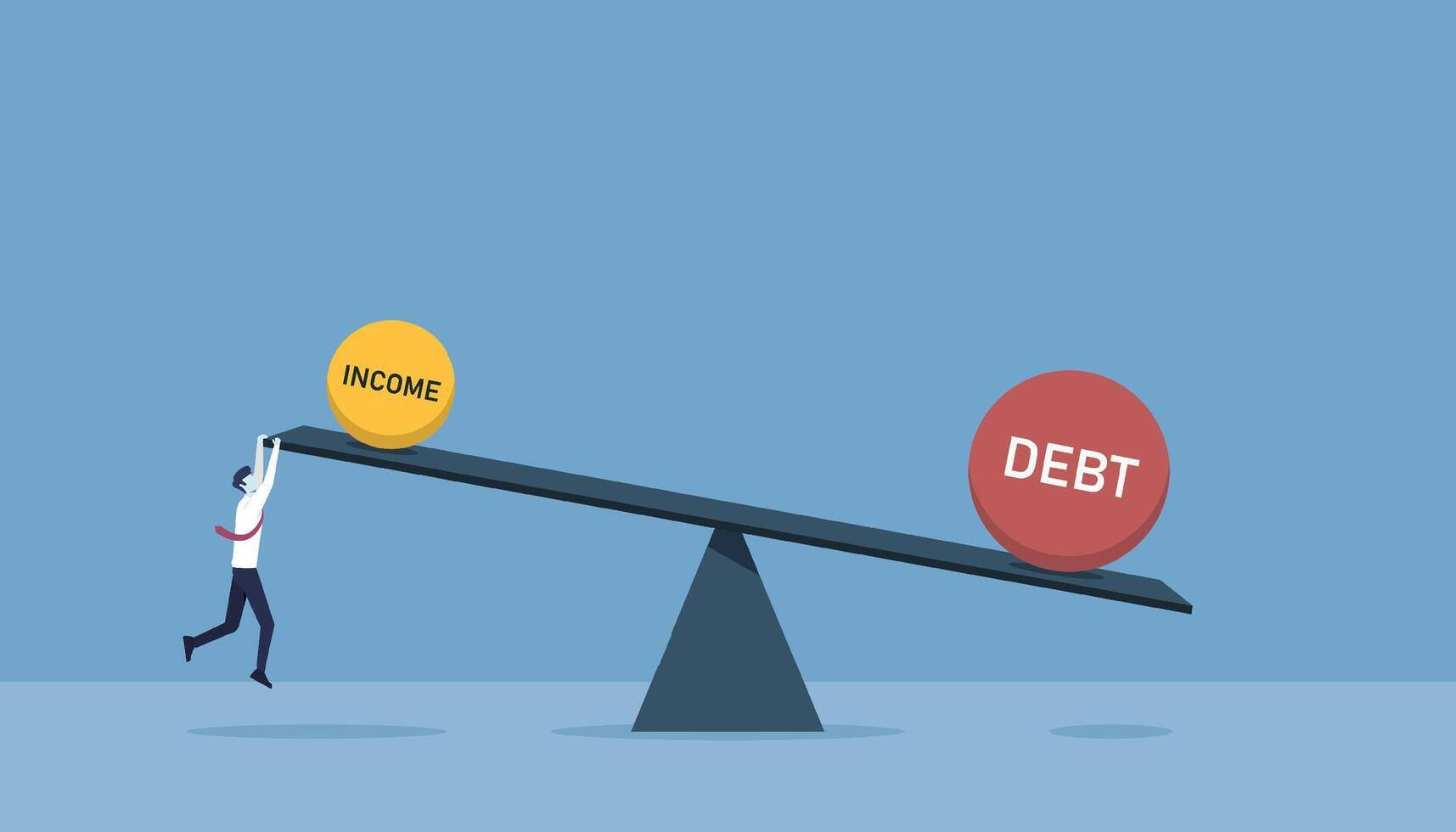
Much of the acquisition is being financed with borrowed money, including roughly $54 billion from banks and private credit lenders. Borrowing allows companies to complete major deals without paying the full purchase price upfront, but those loan payments continue regardless of how the business performs.
The agreement also includes expensive penalties if things go wrong. Reports indicate that delays beyond certain deadlines could cost Paramount hundreds of millions of dollars, while a failed deal under specific circumstances could trigger a multibillion-dollar termination fee. Financial experts often recommend making sure cash flow can comfortably support debt payments because unexpected setbacks become much more difficult to manage when a company has little financial flexibility.
Debt can help businesses grow faster, but it also increases the consequences when plans don’t go exactly as expected.
Always Plan for the Worst-Case Scenario

Business experts recommend carefully evaluating every major deal before signing. That includes understanding contract terms, identifying hidden costs, and asking whether the business could survive if revenue falls short or expected savings never materialize.
Paramount reportedly submitted multiple offers before reaching an agreement with Warner Bros., eventually adding stronger financial guarantees to secure the deal. While persistence can help companies close important opportunities, increasing an offer too far can also leave buyers taking on more risk than they originally intended.
The best business decisions don’t assume everything will go perfectly. They prepare for unexpected challenges before making a commitment.
Takeaway
Paramount’s Warner Bros. acquisition demonstrates that bold opportunities often come with equally significant risks. Large deals can accelerate growth, but they also increase financial pressure when they’re supported by substantial borrowing.
For business owners, the lesson is simple: before pursuing major growth, understand the full cost, prepare for the worst-case scenario, and make sure the business can still succeed even if everything doesn’t go according to plan.