



By: Kelly Hogan
Introduction
AI has become one of the biggest investment opportunities in modern business. Companies are spending unprecedented amounts of money to build data centers, purchase advanced computer chips, and develop increasingly powerful AI systems. Investors believe these investments could transform entire industries and generate enormous profits in the future.
However, rapid growth comes with significant financial risk. Many companies are committing billions of dollars before knowing whether AI will produce enough revenue to justify those expenses. AI’s spending boom shows how quickly exciting growth can become dangerous when costs and borrowing rise faster than a company’s revenue.

Rapid Growth Becomes Risky When Spending Outpaces Proven Demand
Businesses often invest before earning profits, but successful growth depends on whether future revenue eventually covers today’s expenses. The AI industry is currently making some of the largest investments in business history while the long term return on those investments remains uncertain.
Global AI spending is projected to reach approximately $2.53 trillion in 2026 and $3.33 trillion in 2027, with much of that money funding expensive data centers, specialized computer chips, electricity, and cloud infrastructure. Companies are building the systems needed to support AI before they know how much customers will ultimately be willing to pay for AI products and services.
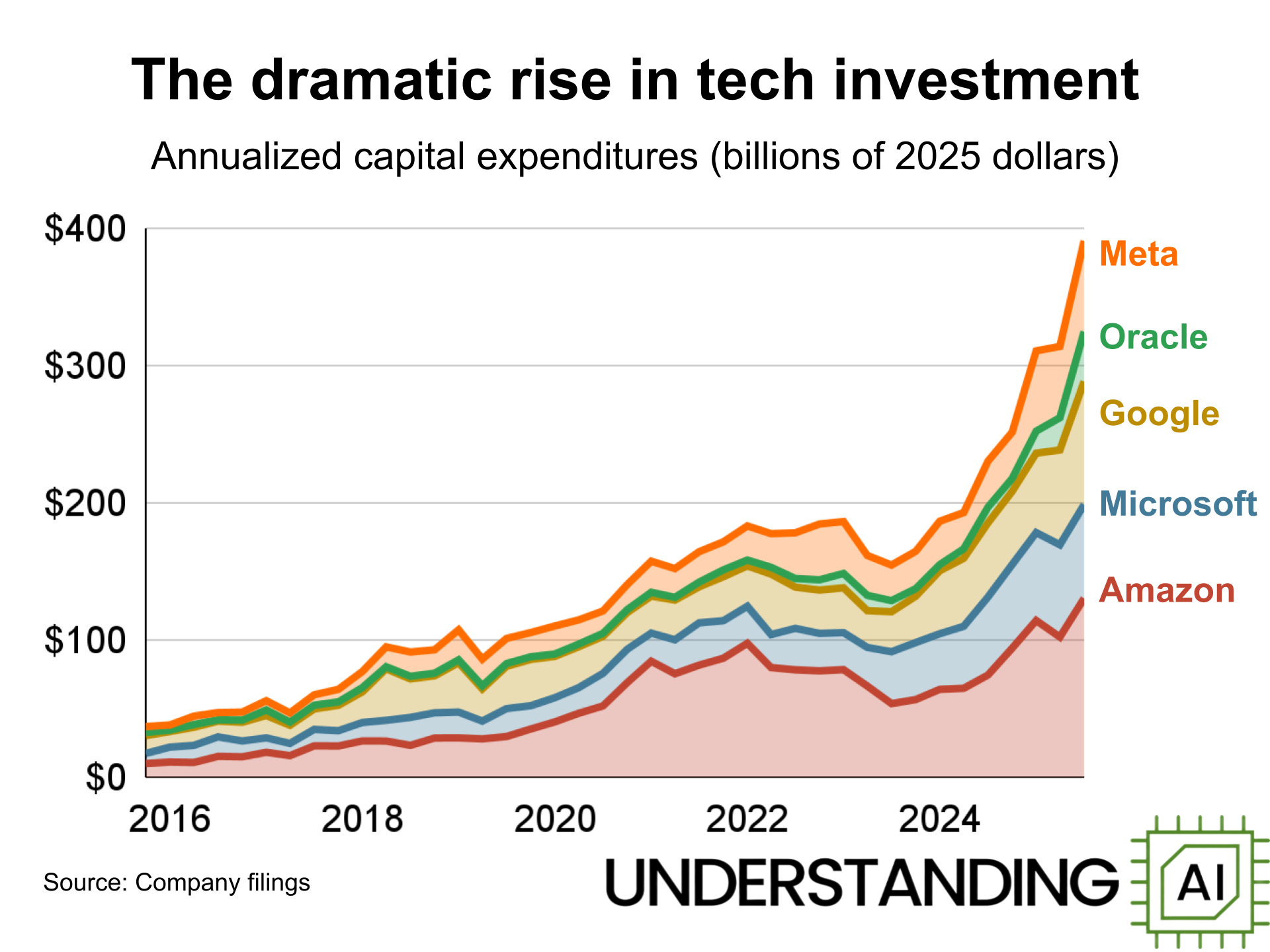
Goldman Sachs estimates that Meta, Microsoft, Amazon, and Alphabet could collectively invest roughly $5.3 trillion in capital expenditures between 2025 and 2030. These companies currently generate enough cash to finance much of their expansion, but their massive investments illustrate how much future success depends on AI eventually producing strong financial returns.
Smaller AI companies face even greater pressure because they lack the established advertising, cloud computing, and software businesses that help large technology companies absorb these costs.
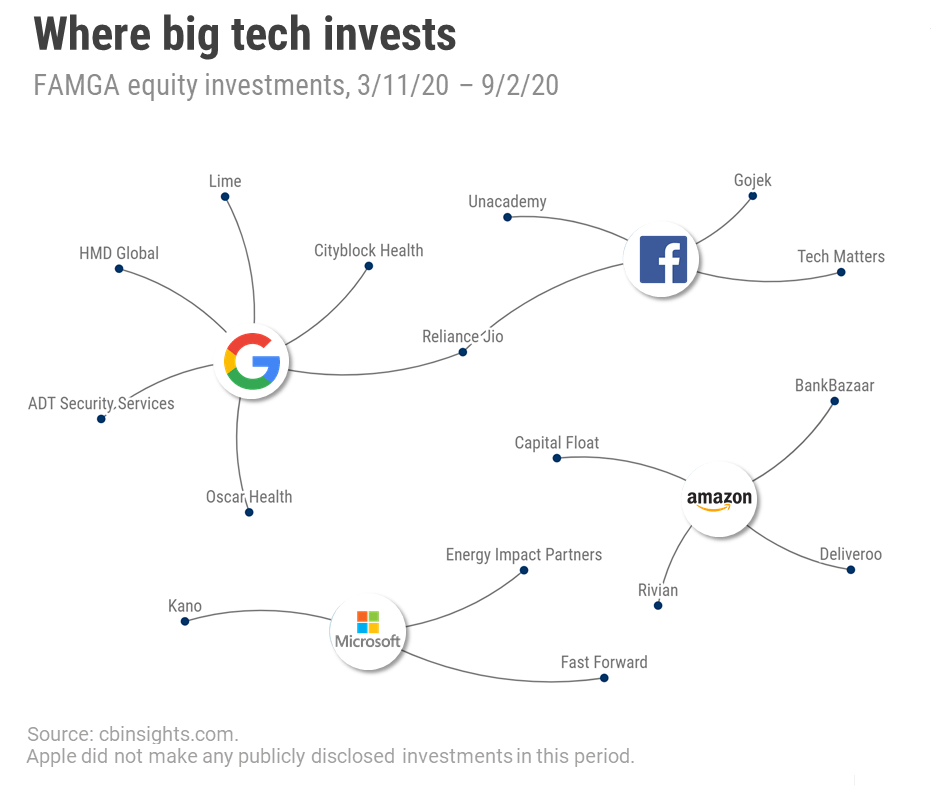
As investors evaluate AI companies more carefully, attention has shifted away from exciting announcements and toward measurable business performance.
Rather than rewarding companies simply for spending aggressively, investors increasingly want evidence that AI investments are producing customer demand, improving productivity, and generating sustainable cash flow.

Rapid growth alone does not guarantee long term success. AI companies may be investing in transformative technology, but those investments must eventually generate enough revenue to justify their enormous costs.
Businesses that expand faster than customer demand can quickly find themselves under financial pressure, regardless of how promising their technology appears.
Debt and Long Term Commitments Can Reduce Financial Flexibility
Large investments often require large amounts of financing. While borrowing can accelerate growth, it also creates future obligations that businesses must meet regardless of whether revenue develops as expected.
Goldman Sachs reported that the largest technology companies issued more than $170 billion in corporate debt during 2026, while the six biggest AI spenders collectively issued approximately $244 billion in bonds. This rapid increase in borrowing reflects the enormous cost of competing in the AI race. However, Goldman Sachs also warned that the growing supply of corporate debt could eventually exceed investor demand, making future borrowing more difficult and potentially more expensive.
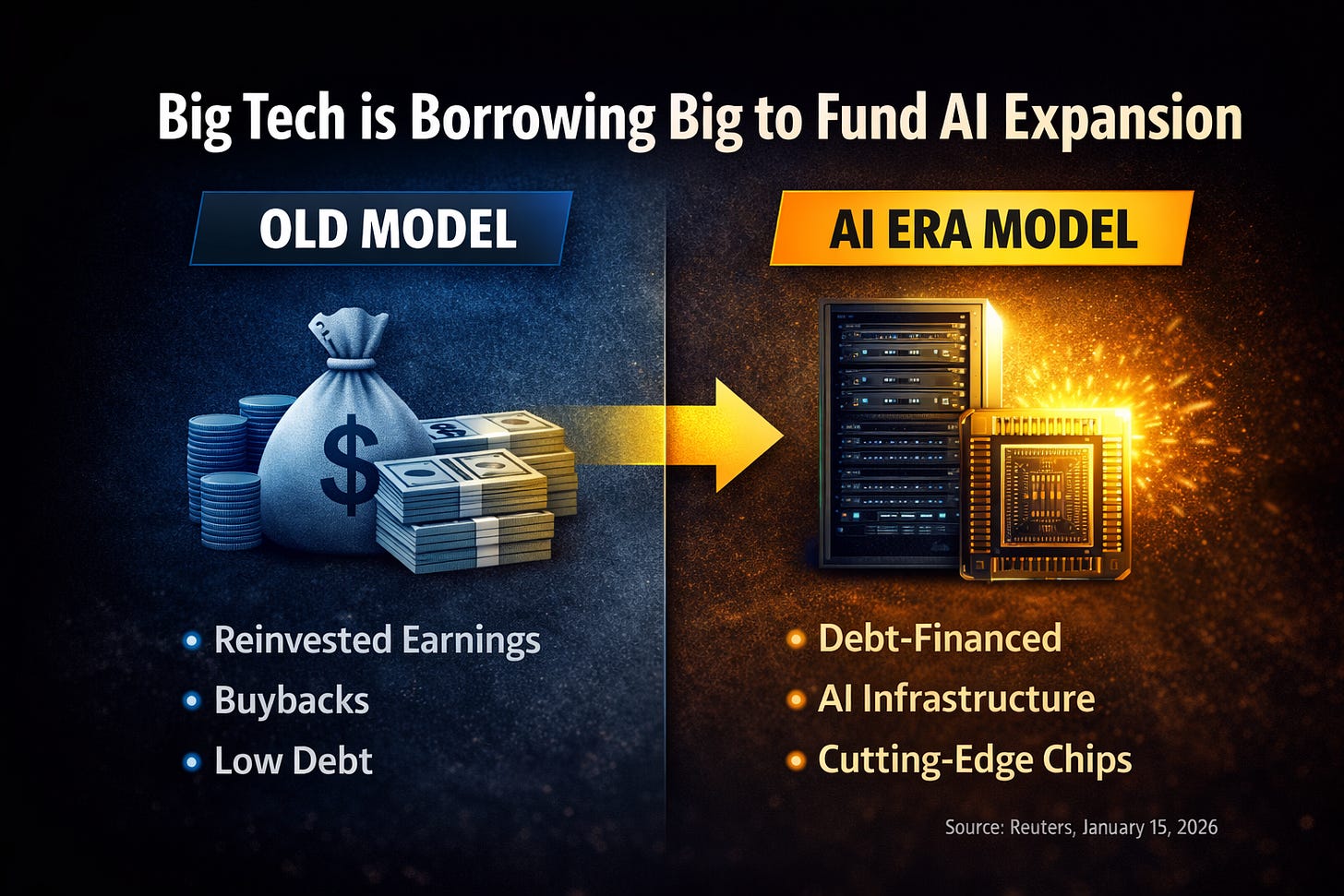
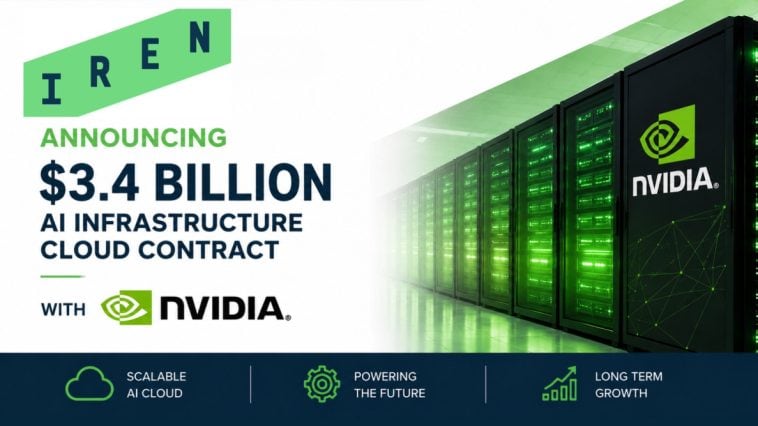
Beyond traditional loans, many AI companies have committed to long term contracts for cloud computing, computer chips, data center space, and electricity. Although these agreements are not technically debt, they still require companies to make fixed payments for years into the future.
If AI adoption or customer demand grows more slowly than expected, businesses remain responsible for these financial commitments, leaving less money available for hiring employees, developing products, or responding to changing market conditions.
The same lesson applies to small businesses. Entrepreneurs sometimes commit to expensive software subscriptions, office leases, equipment financing, or other recurring expenses based on future growth that has not yet occurred. If sales fail to meet expectations, those fixed costs can become difficult to manage.

these examples show that borrowing and long term financial commitments reduce a company’s flexibility. Debt can help businesses grow more quickly, but only if future revenue grows fast enough to support those obligations.
When costs continue rising while income lags behind, financial pressure can quickly replace optimism.
Businesses Need to Measure and Control AI Costs Before Scaling
Building new technology is only part of the challenge. Businesses must also understand exactly how much AI costs so they can determine whether those investments are creating real value.
Unlike traditional software subscriptions with predictable monthly prices, many AI services charge businesses based on token usage, meaning costs increase as employees use AI more frequently. According to a KPMG survey reported by The Wall Street Journal, only 26% of companies maintained a comprehensive record of their AI spending, and some organizations exhausted their AI budgets within just a few months because usage increased faster than expected.
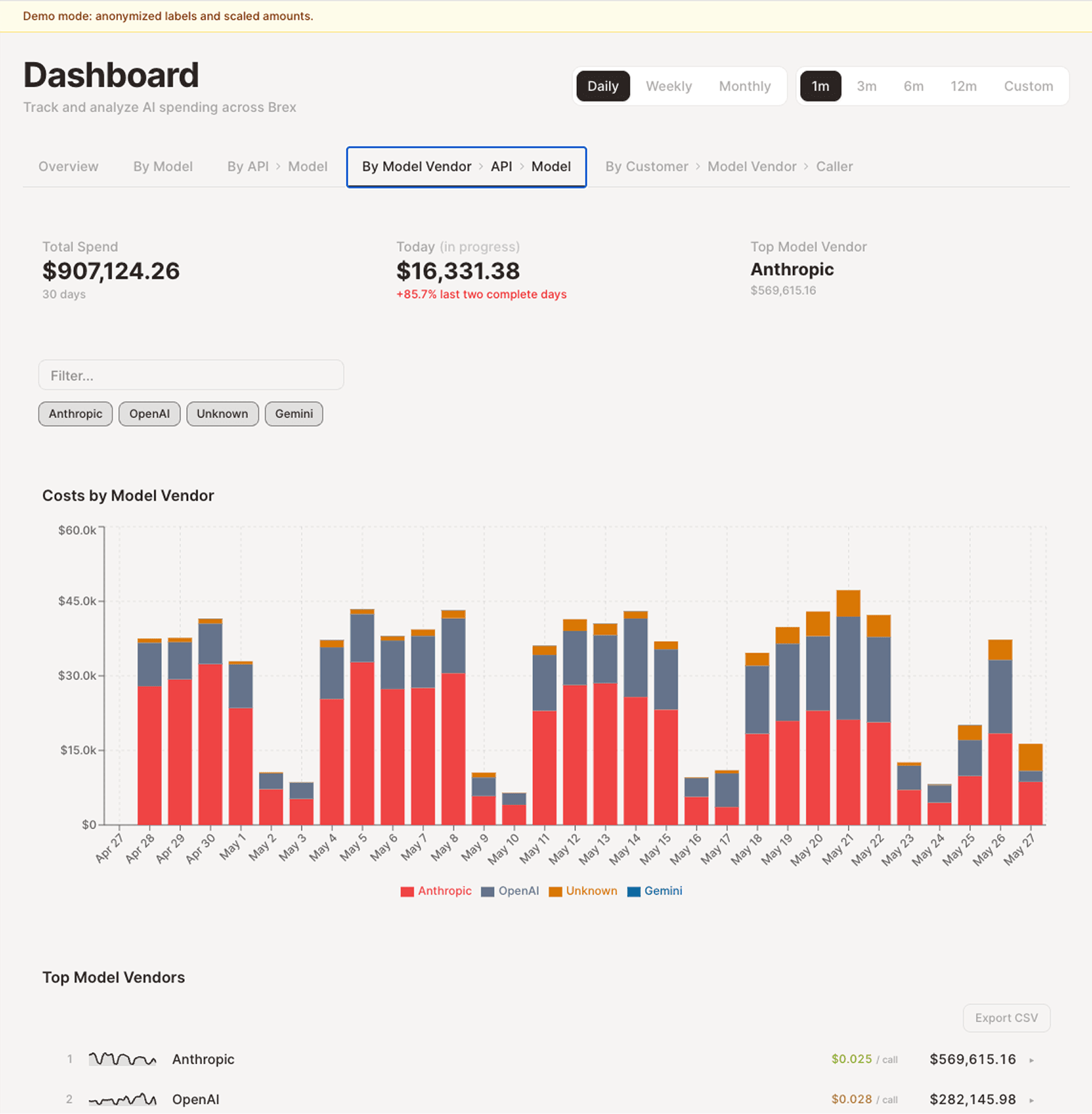
To manage these expenses, companies including Priceline, Qualcomm, and Bristol Myers Squibb have introduced dashboards, spending limits, and monitoring systems that connect AI usage to specific departments and measurable business outcomes. Rather than focusing only on the total bill, they evaluate whether each AI investment improves productivity or creates enough value to justify its cost.
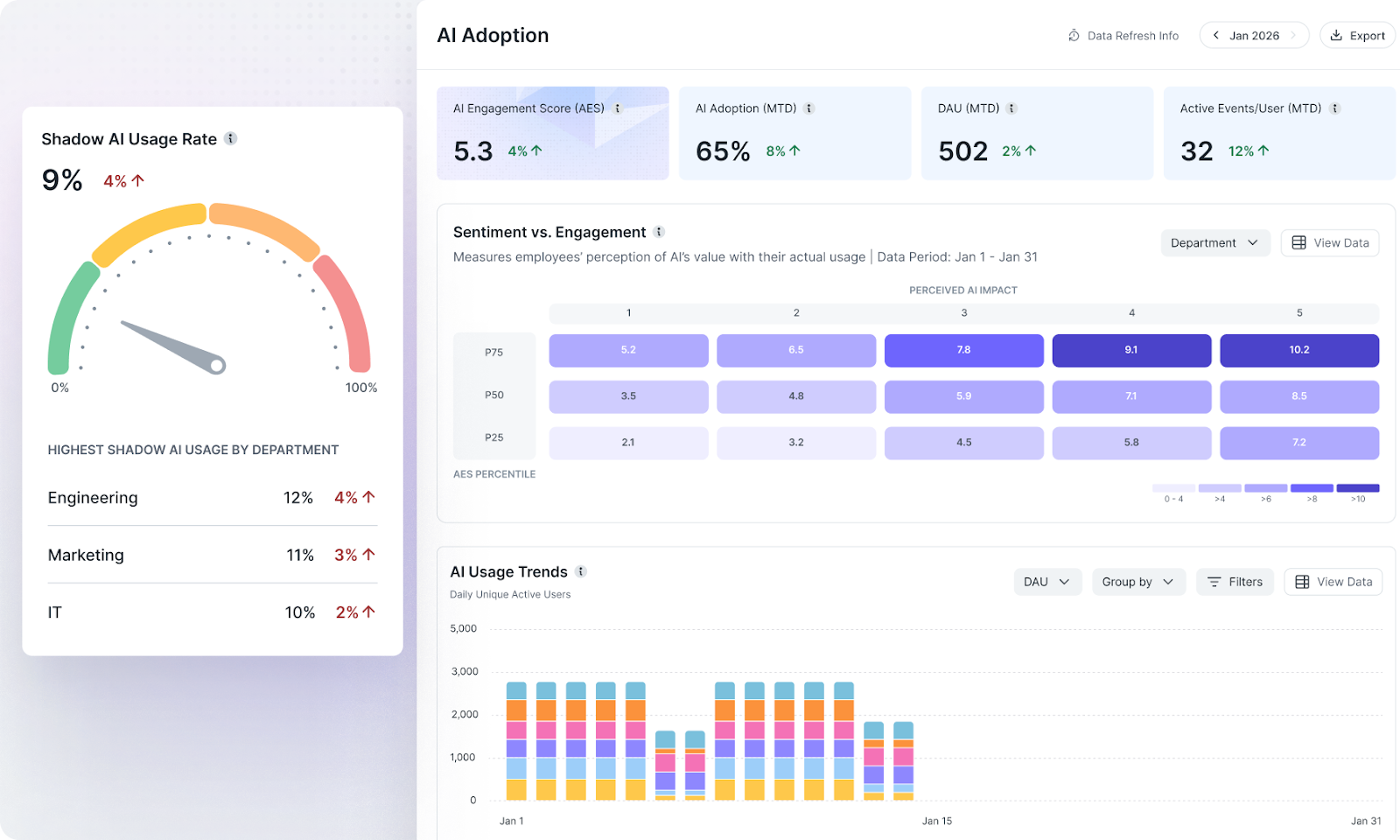
Financial experts recommend that businesses track AI spending by project, department, provider, model, and use case while establishing clear spending limits before expanding adoption.
The U.S. Small Business Administration also encourages business owners to monitor financial statements regularly so they can determine whether new investments are strengthening the business or weakening its overall financial position.
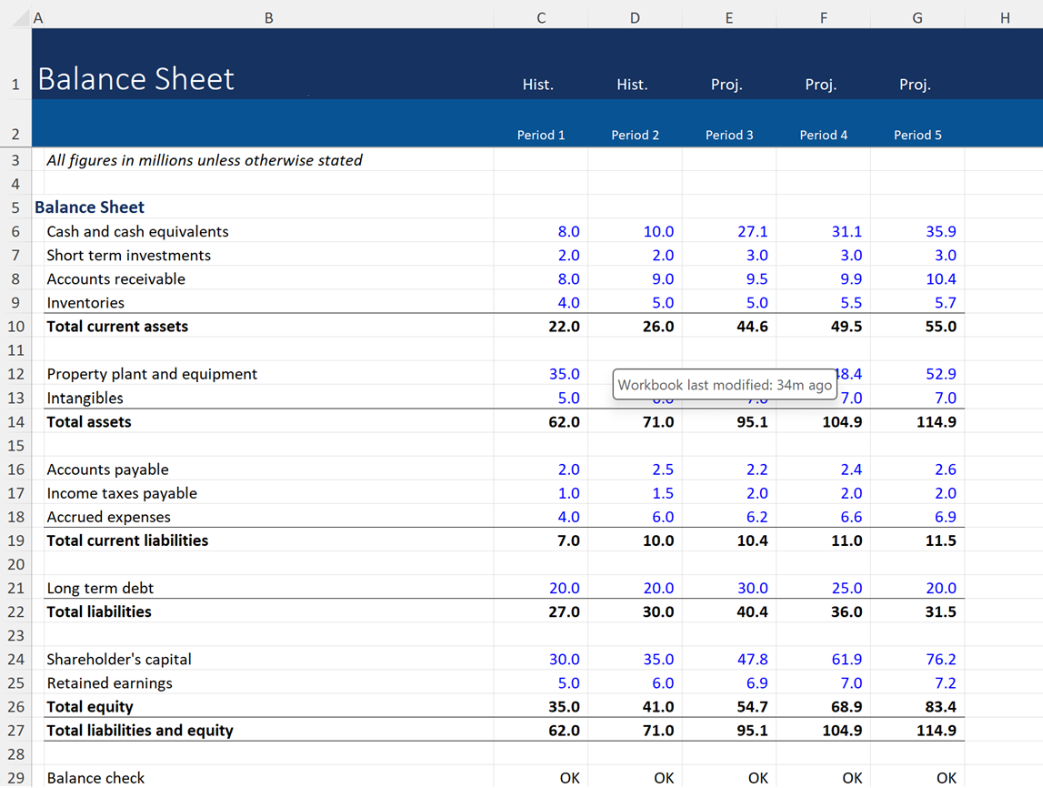
Successful AI adoption requires financial discipline as much as technological innovation. Businesses that carefully monitor costs, measure results, and expand gradually are more likely to benefit from AI than companies that simply spend aggressively because competitors are doing the same.
Main Takeaway
AI has the potential to transform businesses, but rapid spending alone does not guarantee long term success. Companies investing billions in infrastructure, borrowing heavily, and committing to expensive long term contracts are betting that future revenue will eventually justify today’s costs. Those investments may create enormous value but only if customer demand grows fast enough to support them.
For entrepreneurs, the lesson is straightforward. Businesses should test AI on a small scale, carefully monitor its costs, and expand only when it produces measurable financial returns. Sustainable growth comes from balancing innovation with financial discipline, not simply spending as much as possible.