



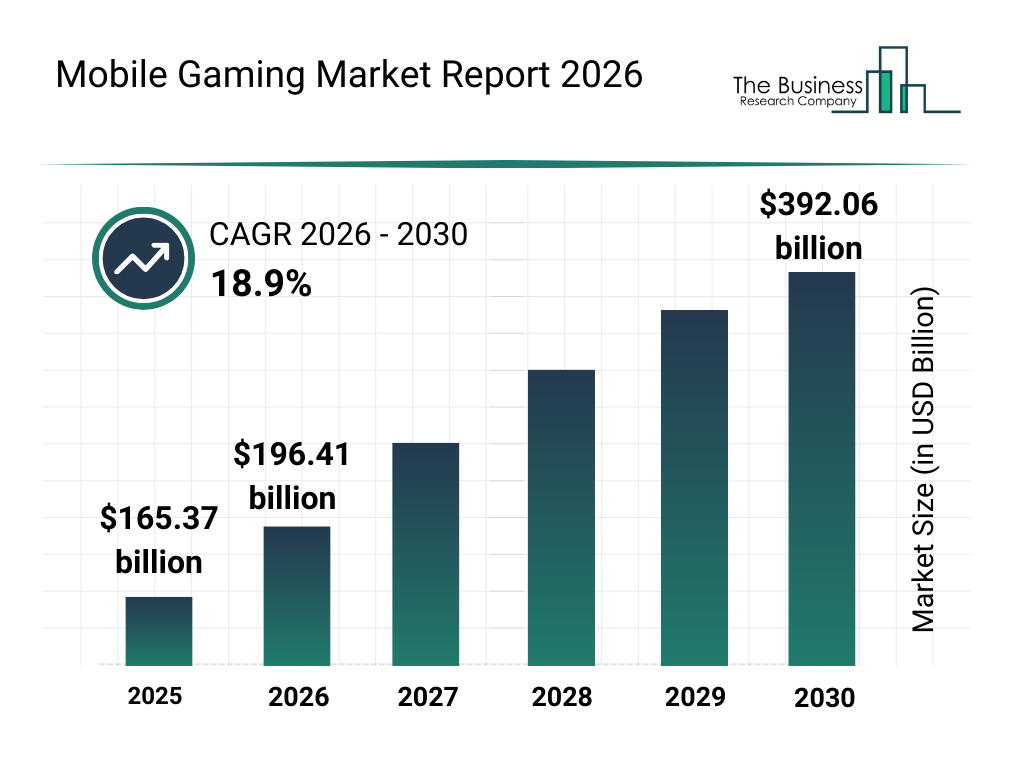
Mobile gaming became a $100+ billion industry by making games easy to access, free to try, and simple to buy. For business owners, it shows how removing barriers can attract more customers and turn free users into paying ones over time.
For decades, gaming meant buying a console or gaming PC, purchasing individual games, and setting aside time to learn how to play. That kept gaming a hobby for a specific type of customer: someone willing to spend money before knowing whether they'd enjoy the product.
Mobile gaming bypassed that entirely. By 2025, mobile games generated over $100 billion a year, more than console and PC gaming combined, with forecasts projecting that number to keep climbing. That growth has less to do with greater technical power than with being dramatically easier to start.
Removing Barriers Can Create a Much Bigger Market
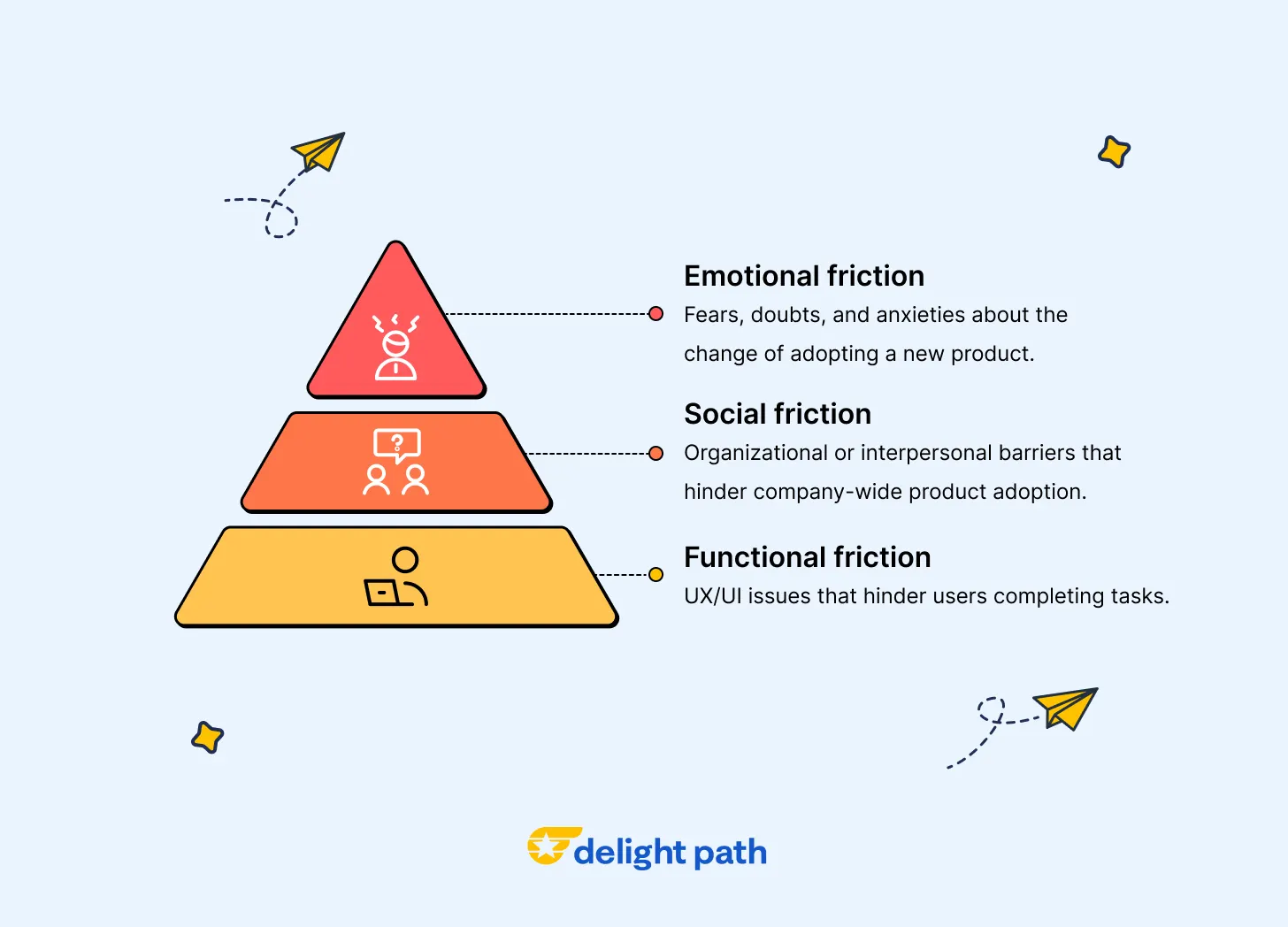
Any product with some friction in front of it, cost, setup, having to commit to something, only reaches the people willing to push through all that. Everyone else just quietly never becomes a customer, no matter how good the product actually is. Mobile gaming grew by chipping away at that friction, one piece at a time.
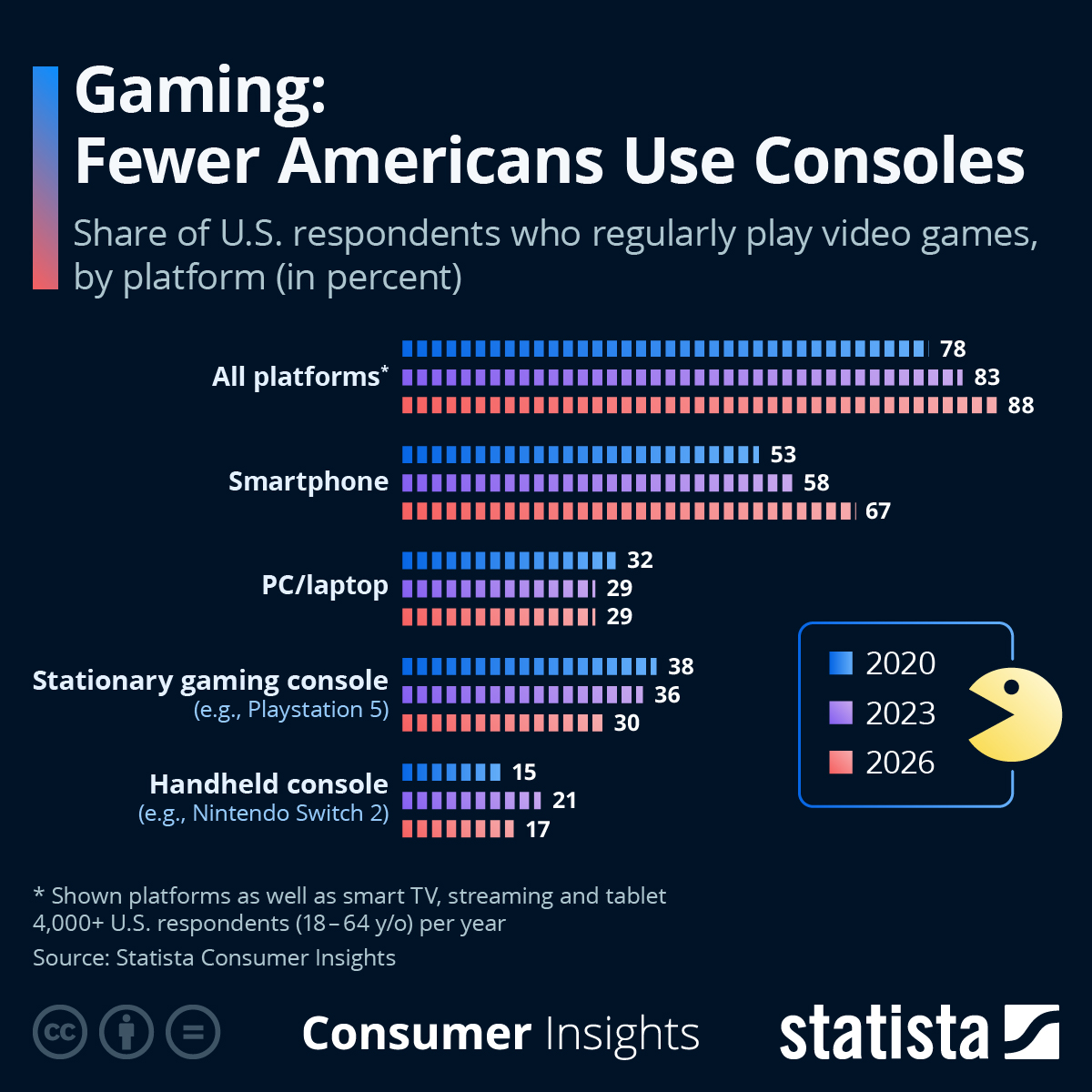
Hardware was the first thing to go. Traditional gaming asked people to buy a whole separate device, often several hundred dollars, before they could even buy a game. Mobile gaming skipped that step, since billions of people already had a smartphone sitting in their pocket.
Business Insider pointed to smartphone availability as a big reason mobile gaming reached so many more people than console or PC gaming ever did. The pool of potential customers wasn't limited to people ready to invest in a gaming setup anymore; it was basically anyone with a phone.
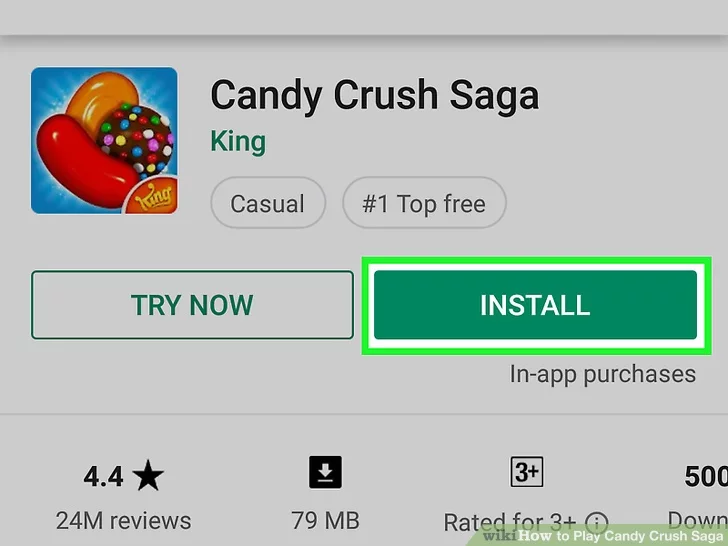
Once the hardware barrier was out of the way, price was next. Traditional games usually wanted payment upfront, sometimes $60 or more, before you even knew if you'd like it. Candy Crush Saga came along in 2012 as a free download and just removed that decision altogether. It ended up generating more than $20 billion in lifetime revenue for its maker, King, without ever charging players a cent to play.
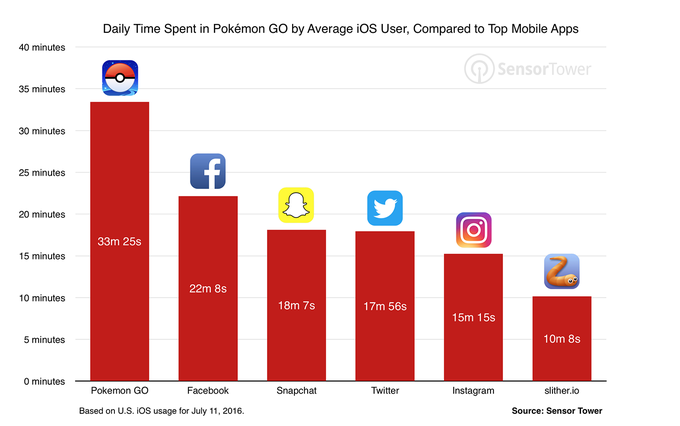
Pokémon GO took the idea even further. When it launched free in 2016, there was nothing extra to buy and nothing extra to set up. It was also simple enough that pretty much anyone could pick it up in seconds, helping it become one of the fastest-growing mobile games ever made.
Put those three together, and you get a market that grew by getting easier, not by getting more convincing. Mobile gaming didn't have to work harder to sell people on a game, it just made it possible for way more people to become players in the first place. Of course, getting someone in the door for free only helps if some of them stick around long enough to actually spend money, which is the next piece of the puzzle.
Free Customers Can Become Valuable Customers Later
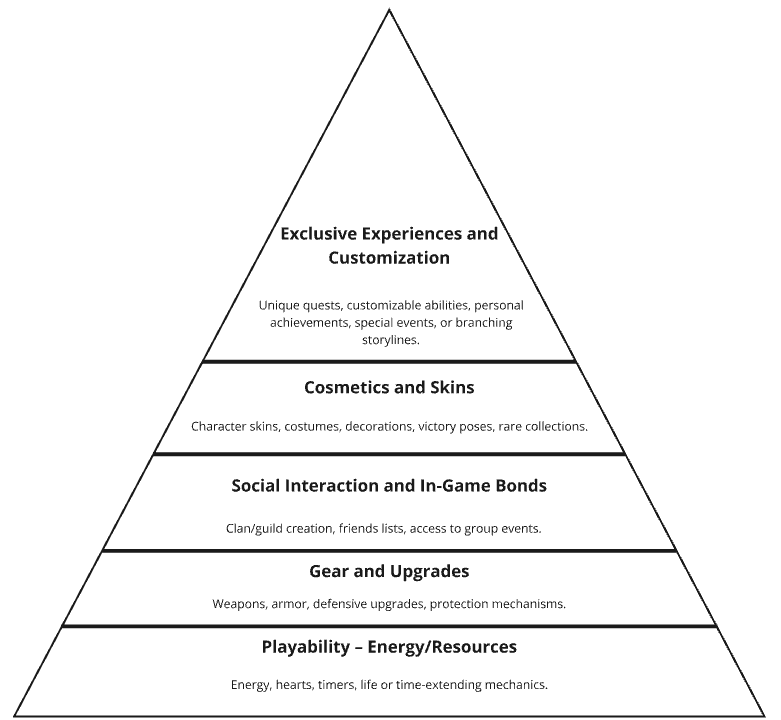
Getting someone to try something for free only really matters if some of those people eventually become paying customers. Mobile gaming built its whole business model around making that happen at a massive scale.
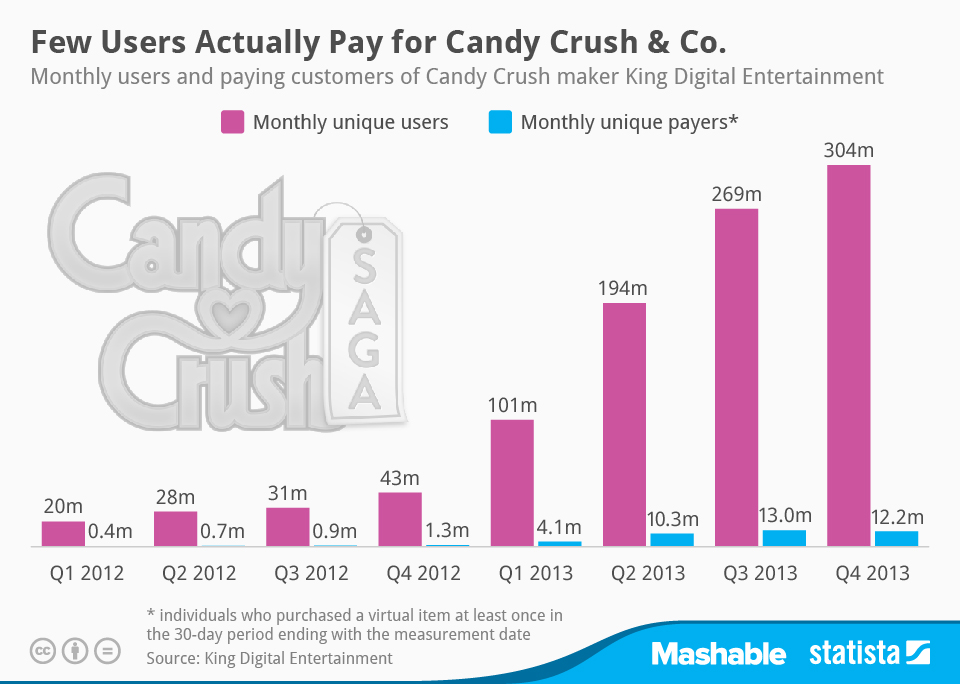
Candy Crush is the clearest example here. At its peak, King reported only about 2.3% of Candy Crush players ever paid for anything. That's a tiny slice, but it was more than enough, as it added up to over $1 billion a year for several years straight.
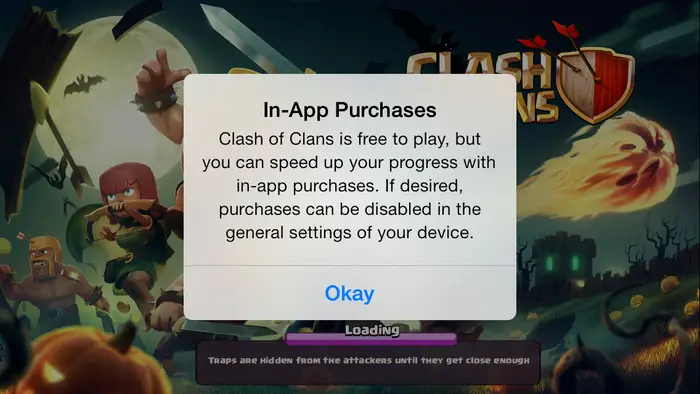
Clash of Clans, made by Supercell, followed a similar playbook with a different twist. Players could build and battle for free forever, but anyone who wanted to speed things up could pay to do it. That alone brought in hundreds of millions of dollars a year for Supercell, again without charging a single person just to play.
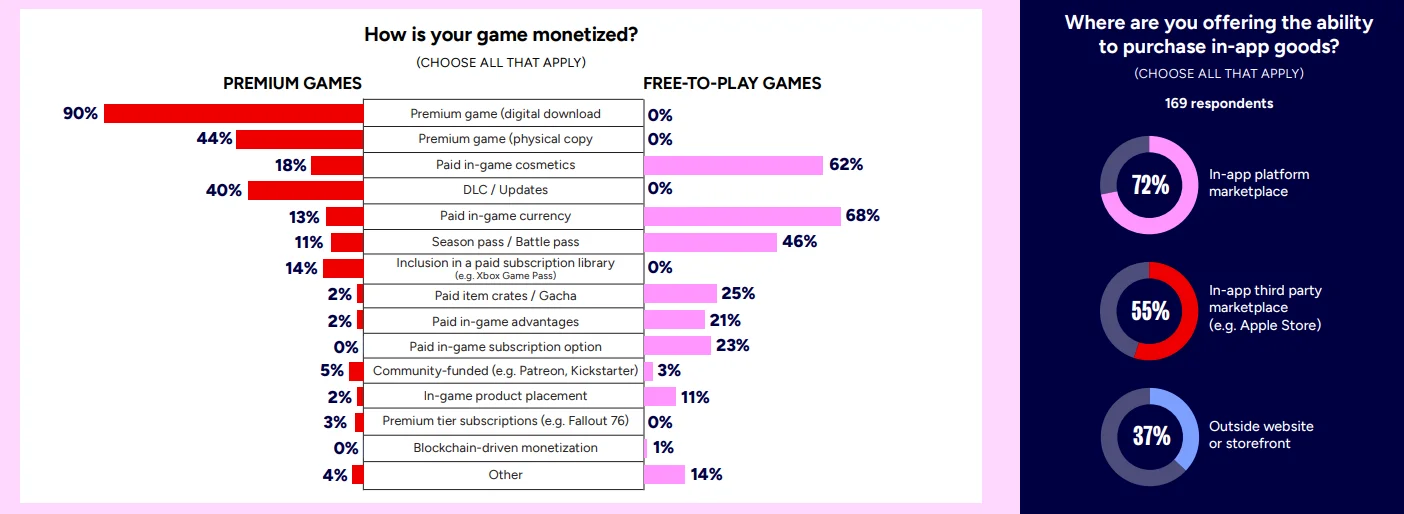
It's not just a couple of lucky games doing this, either. A 2026 industry survey found that in-game currency and cosmetic purchases are still some of the most common ways free-to-play games make money, which shows this isn't a fluke; it's become a pretty standard playbook.
What this all comes down to is scale. Most people never spend a dime, but a small slice of a huge free audience can still add up to real money. Free access isn't really the endpoint here, it's more like the front door, which naturally leads to one key question: why did people keep gravitating toward these simpler, free options over flashier alternatives to begin with?
Convenience Can Be a Competitive Advantage
Winning customers doesn't always mean building the flashiest or most powerful product out there. Sometimes, just being the easiest one to use is enough to win.
Angry Birds is a fun example of this. Released back in 2009, you could play the whole thing with one finger, and there wasn't much to learn beyond a few seconds of messing around. It wasn't technically impressive next to console games at the time, but that simplicity is a big part of why it racked up billions of downloads and basically saved its developer, Rovio, from going under.
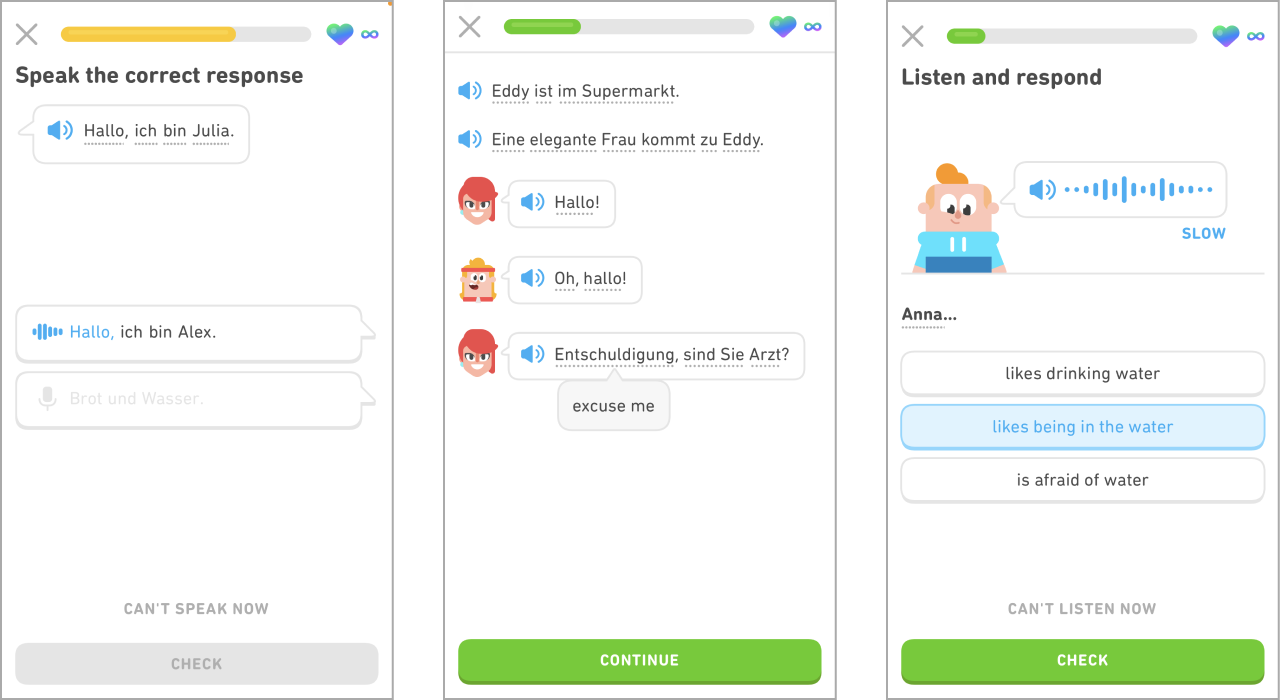
Duolingo brought the same idea into a totally different space. Learning a language used to mean textbooks, classes, or clunky software with a steep learning curve. Duolingo cut all of that down to short, quick lessons you could knock out in a couple minutes on your phone, nothing to set up, nothing to figure out first. That simplicity, more than any breakthrough teaching method, is a big reason it became the most downloaded education app around.
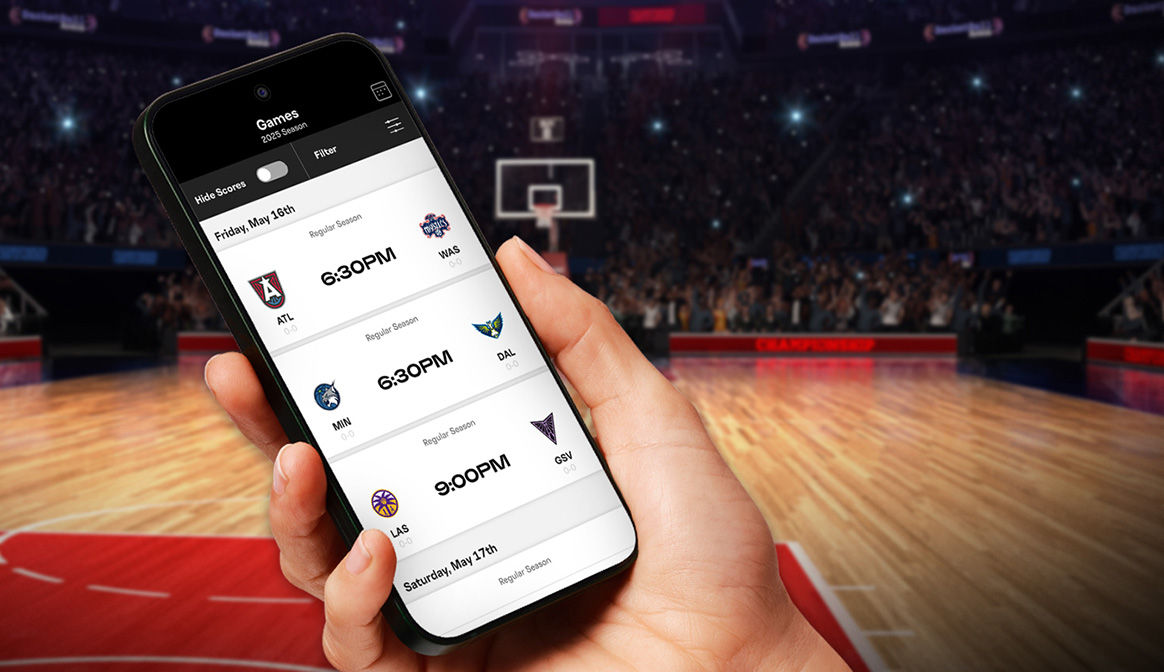
Deloitte's mobile app design guidance shows why that principle extends beyond gaming. Their WNBA app redesign is a good case: the original only handled livestreaming, so Deloitte rebuilt it around what fans actually wanted, personalized highlights, real-time stats, easier access to the moments they cared about. Cutting extra steps and simplifying navigation is what turned it into an app people kept using instead of deleting.
Angry Birds, Duolingo, and the WNBA app are all telling a version of the same story: people tend to go with whatever's easiest to use, even when something more powerful is sitting right there. None of them won by being the most advanced option in the room, just the one that offered the most reward for the least effort.
Main Takeaway
The barriers mobile gaming knocked down, the free users it converted, and the convenience it leaned into all point to the same lesson: making something cheaper, easier, and less of a commitment can seriously expand who’s willing to give it a shot. Mobile gaming grew into a $100 billion industry by making itself easier to start than traditional gaming, then giving free users enough value to make spending feel worthwhile. Access became one of its biggest advantages.
For businesses, that lesson scales down pretty easily. A free trial, free consultation, freemium plan, or simply cutting out unnecessary steps can widen the pool of people willing to try something in the first place. Once customers can see the value for themselves, giving them a clear reason to upgrade can turn that larger pool of free users into paying customers over time.
As more industries lean into freemium and free-trial models, “make it easier to start” is becoming a broader growth strategy rather than just a gaming tactic. Businesses that lower the barrier to entry, prove their value early, and make the next step worthwhile have a better shot at turning curious customers into committed ones.