



Businesses often have to decide what customers will want before customers actually buy anything. In industries like clothing, those decisions can happen months in advance, leaving companies stuck with excess inventory if their predictions are wrong.
Fusion built its production system around a different approach. Instead of depending entirely on long term forecasts, the sportswear company continually tracks what customers are actually purchasing and adjusts production around that demand.
The result was a 98.9% sell through rate in 2024 and 101% in 2025, meaning Fusion sold more units in 2025 than it produced during that year.
Fusion shows how businesses can reduce the pressure to perfectly predict the future by making smaller commitments, learning from real customer behavior, and building systems that can respond to what they learn.
Avoid Relying Too Heavily on Predictions

Fusion didn’t originally manufacture its own clothing. It began as a distributor selling products made by other companies, which gave its founders an early look at one of the biggest problems in traditional apparel production.
Companies often have to predict months in advance which products customers will want and how many they’ll buy. Fusion’s Head of E-Commerce Eddi Kristensen specifically described the difficulty of trying to forecast demand as far as nine months ahead.

When those predictions are wrong, the consequences can be expensive.
Ordering too little means potentially missing sales. Ordering too much leaves money tied up in products customers aren’t buying, which may eventually have to be heavily discounted just to clear the inventory.
That experience helped motivate Fusion to manufacture its own products and gain greater control over its supply chain.
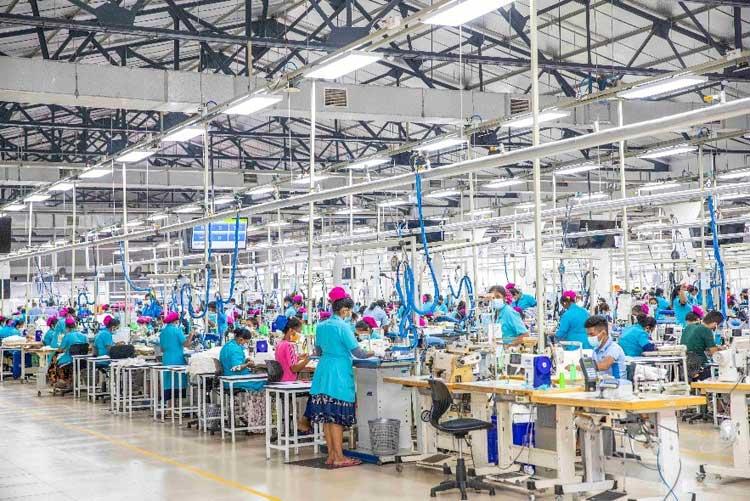
Fusion hasn’t eliminated forecasting. The company still predicts future demand and even uses machine learning to help with the process.
The difference is that a forecast doesn’t become one enormous commitment that Fusion simply has to hope was correct. The company can continually compare its expectations against what customers actually do.
For businesses, the lesson isn’t to stop planning ahead. It’s to recognize that predictions will never be perfect and avoid making unnecessarily large commitments when there’s an opportunity to learn more first.
And once customers start buying, those predictions can be replaced with something much more useful. Real behavior.
Use Real Customer Behavior to Guide Decisions

Fusion built a system that continually gives it new information about what’s actually selling.
Its online store connects to a larger ERP inventory system that tracks sales and inventory. Every night at midnight, that information synchronizes, creating an updated picture of what customers purchased.
Instead of only asking what customers might want months from now, Fusion can see what they’re choosing right now.
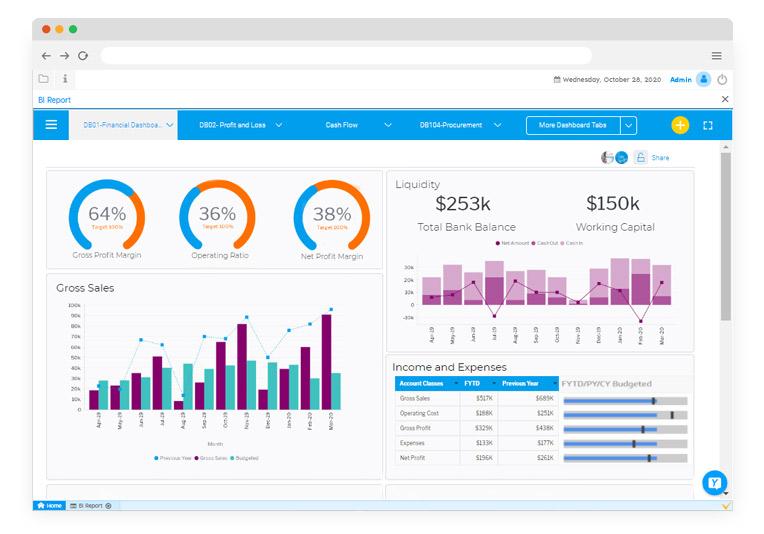
That information then makes its way to Fusion’s production operation in Lithuania.
Digital Brand Manager Jacob Bech explained that the process allows the factory to know what it needs to sew the next day.
That creates a much tighter connection between customer behavior and production. If demand changes, Fusion doesn’t necessarily have to wait months for its original forecast to prove wrong before reacting.

Fusion even extends this approach backward to its raw materials. A machinelearning forecasting partner helps determine when and how much raw material the company should purchase.
Together, these systems allow Fusion to combine predictions about the future with evidence from what’s happening now.
For businesses, customer conversations and surveys can provide useful information, but behavior can reveal something even stronger: what people are actually willing to spend money on.
But having better information doesn’t automatically create better results. Once a business discovers what customers want, it still needs to be able to respond.
Make It Easy to Respond to What Customers Want
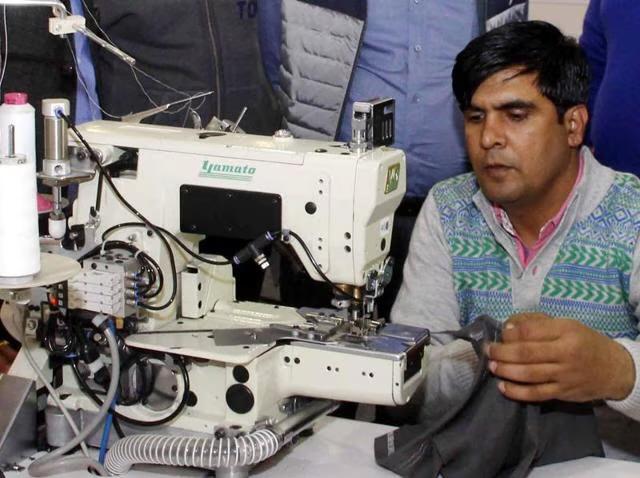
Fusion’s advantage isn’t only that it collects sales data. The company also built a supply chain capable of acting on it.
Fusion owns or co owns much of its European supply chain, including its sewing operation in Lithuania and parts of its knitting and dyeing operations.
That gives the company greater control over how quickly production can change when demand shifts.
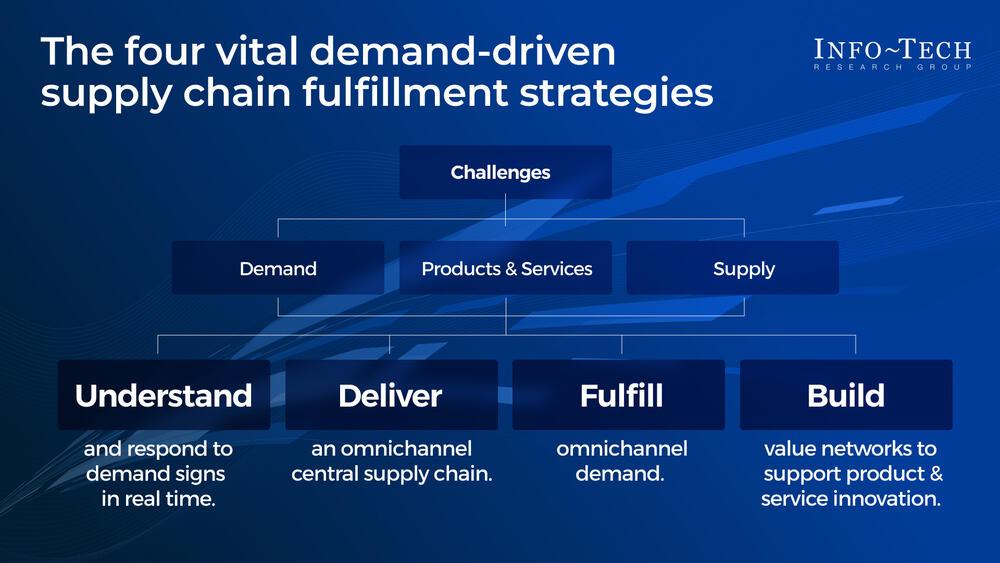
The combination creates a feedback loop.. Customers buy, Fusion sees what’s selling, production receives that information, the company adjusts what it makes.
Instead of producing a huge amount based entirely on an old forecast, Fusion can move closer to producing the right quantity of the right products at the right time.
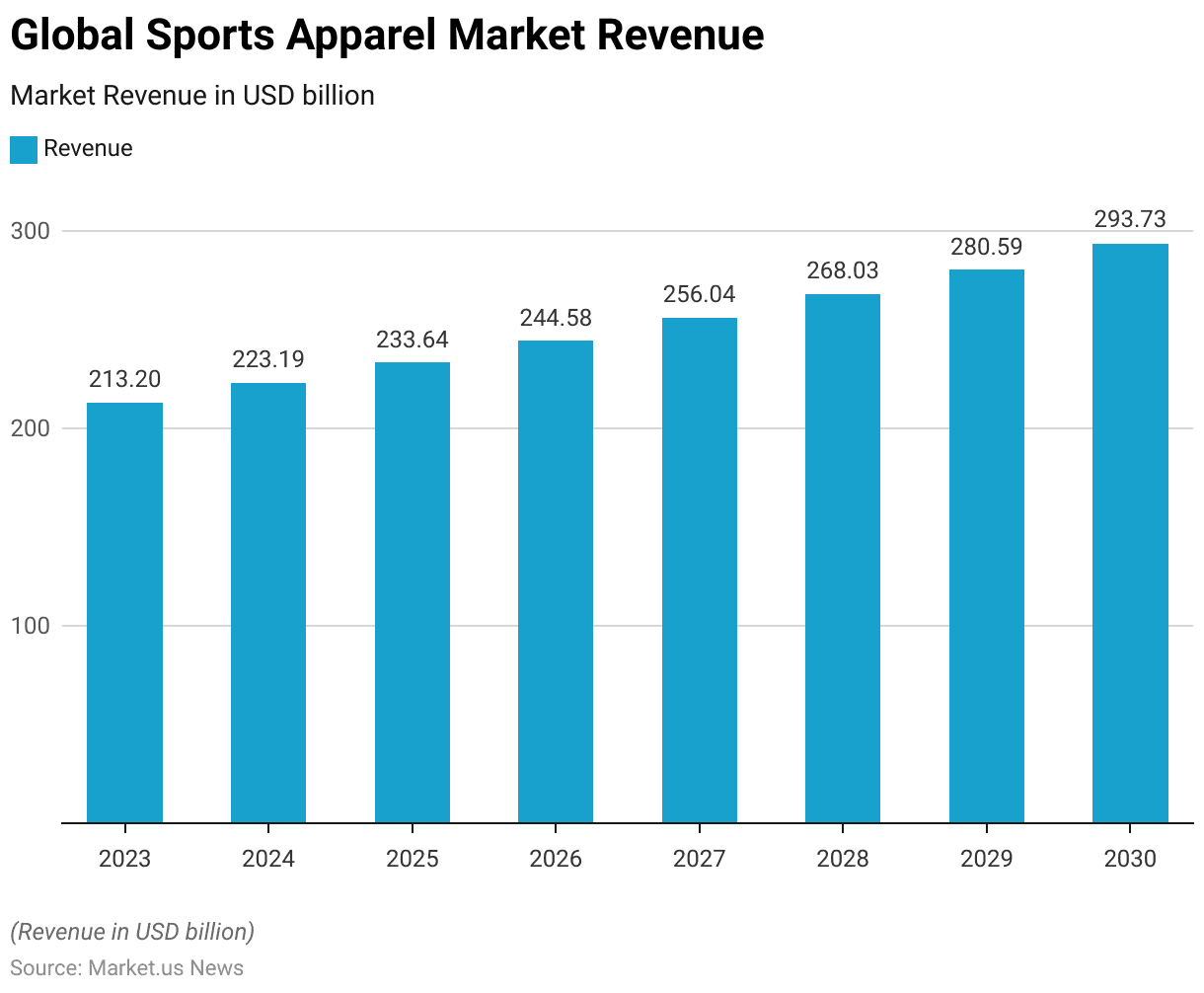
The results show how effective that system can be. Fusion reported a 98.9% sell through rate in 2024 and 101% in 2025.
A 101% sell through rate doesn’t mean Fusion somehow sold 101 out of every 100 products it manufactured. It means the company sold more units during 2025 than it produced during that same period, with previously produced inventory contributing to sales.
The important part isn’t reaching a perfect number. It’s that Fusion built a system designed to reduce the gap between what it thinks customers will buy and what customers actually buy.
Main Takeaway
Businesses don’t have to perfectly predict what customers will want months in advance.
Fusion first reduced its dependence on large long term bets. It then built systems to continually learn from real purchases, and finally created a supply chain capable of responding quickly to that information.
The progression is what matters, predict what you can, watch what customers actually do, and build enough flexibility to adjust when the two don’t match.
Forecasts can tell a business what customers might want. Customer behavior tells it what they’re actually buying. The businesses that can respond to that difference have a better chance of making more of what sells and wasting less money on what doesn’t.