



OpenAI’s Delay in Going Public
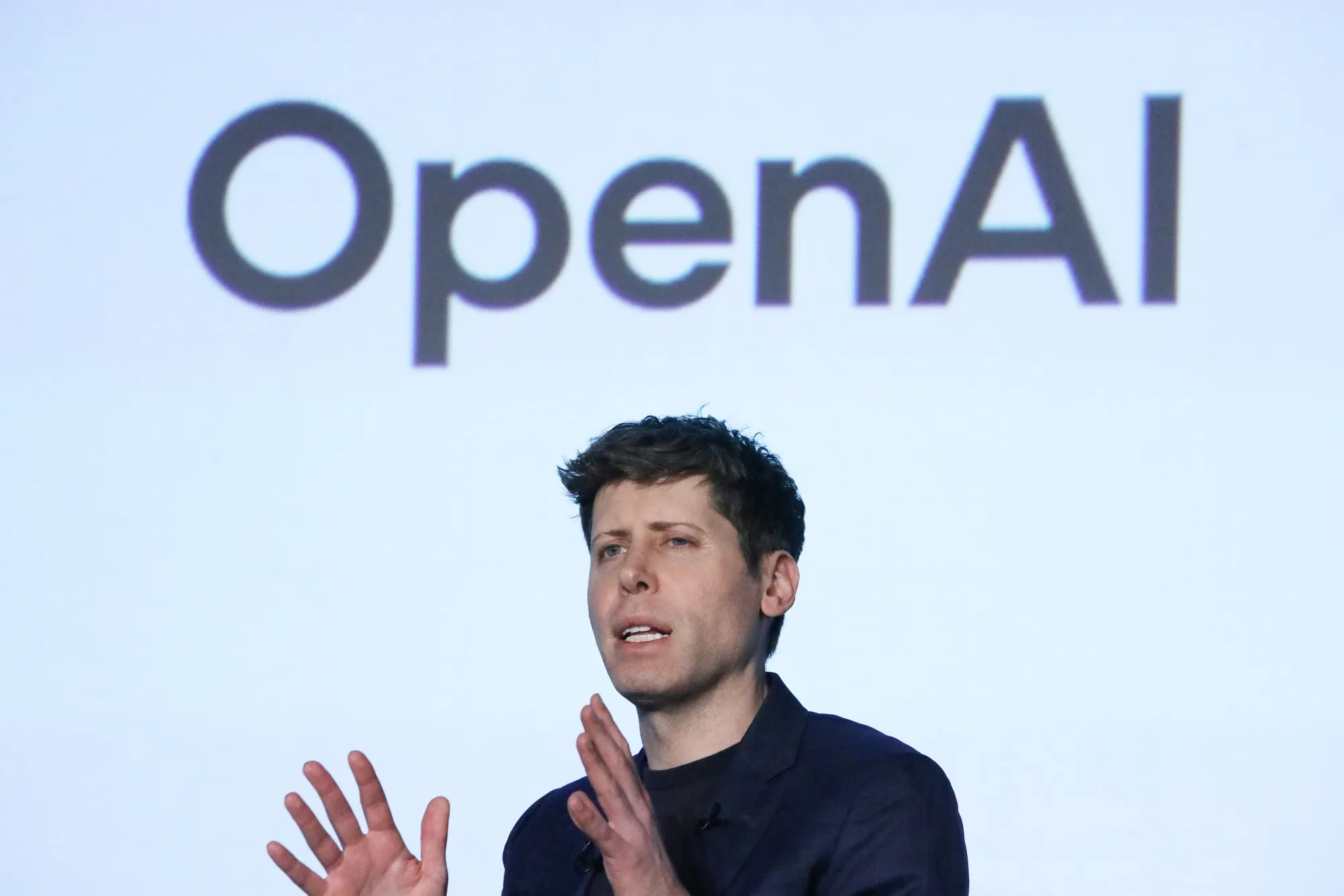
Going public can give a company access to enormous amounts of money, but OpenAI shows that when a company raises money can be just as important as how much it raises. An initial public offering, or IPO, is often viewed as the ultimate milestone for a growing business because it provides access to public investors and significantly more capital. However, becoming a public company also brings new shareholders, greater transparency, and constant pressure to meet investor expectations. OpenAI’s reported decision to delay its IPO demonstrates that choosing the right time to raise money can be just as important as raising the money itself.
More Money Often Means Less Control
Every source of funding comes with tradeoffs. While going public allows companies to raise enormous amounts of capital, it also requires founders to give up some ownership and operate under greater scrutiny.
According to multiple reports, OpenAI is considering delaying its IPO until 2027 instead of going public sooner at a lower valuation. Advisers reportedly presented a choice between listing earlier or waiting until the company could potentially achieve a valuation closer to $1 trillion. Stripe’s startup guide explains that bootstrapping allows founders to maintain more control over their business, while outside funding can accelerate growth but introduces new expectations and responsibilities.
The largest funding option is not always the best one. Business owners should evaluate what they are giving up alongside what they receive.
Bootstrapping Your Startup: A Business Guide for EntrepreneursLearn how to bootstrap your startup with this guide, covering strategies, challenges and success stories to help founders thrive without external funding.www.jpmorgan.com/insights/business-planning/bootstrapping-your-startup-a-business-guide-for-entrepreneursTiming Can Matter More Than Funding
The best time to raise money is not always the earliest opportunity.
OpenAI’s reported delay appears to reflect both valuation goals and market conditions. Going public too early could result in a lower valuation while placing immediate pressure on the company if its stock struggles after listing. Waiting gives the business additional time to grow before allowing public markets to determine its value.
The same principle applies to startups of every size. Stripe recommends raising capital around meaningful business milestones instead of simply because funding is available. Raising too little can limit growth, while raising too much can create unnecessary ownership dilution or financial obligations.
Funding decisions should be based on what a company is prepared to accomplish next rather than on how quickly money can be raised.
Growth Becomes Riskier When Spending Grows Too Fast
Rapid growth often requires equally rapid spending.
Building advanced artificial intelligence requires enormous investments in computing infrastructure, data centers, specialized chips, and engineering talent. As those commitments increase, maintaining reliable revenue and continued access to funding becomes increasingly important. Smaller businesses face the same challenge on a different scale. Stripe recommends forecasting expenses, monitoring cash flow, maintaining emergency reserves, and avoiding commitments that outpace predictable income.
OpenAI May Delay Its IPO To 2027, Report SaysThe trillion-dollar public debut had initially been planned for late 2026. Forbes • Alicia ParkFast growth becomes risky when spending grows faster than the business can sustainably support.
Takeaway
Raising money is about more than securing the largest investment.
OpenAI’s reported IPO delay shows that successful funding decisions depend on choosing the right source of capital at the right time. Every financing decision affects ownership, flexibility, and future expectations. Businesses that align their funding strategy with their stage of growth are often better positioned to build long- term success.
Looking Ahead
Entrepreneurs sometimes treat raising capital as the ultimate goal instead of viewing it as one business decision among many. OpenAI’s reported IPO delay is a reminder that waiting can be the smarter strategy when it gives a company the opportunity to grow stronger before taking on the responsibilities of the public market.