


Ffern's first product launch was just 150 bottles of perfume nobody had smelled, from a company nobody had heard of. The entire batch sold out within weeks. Seven years later, every release has sold out too.
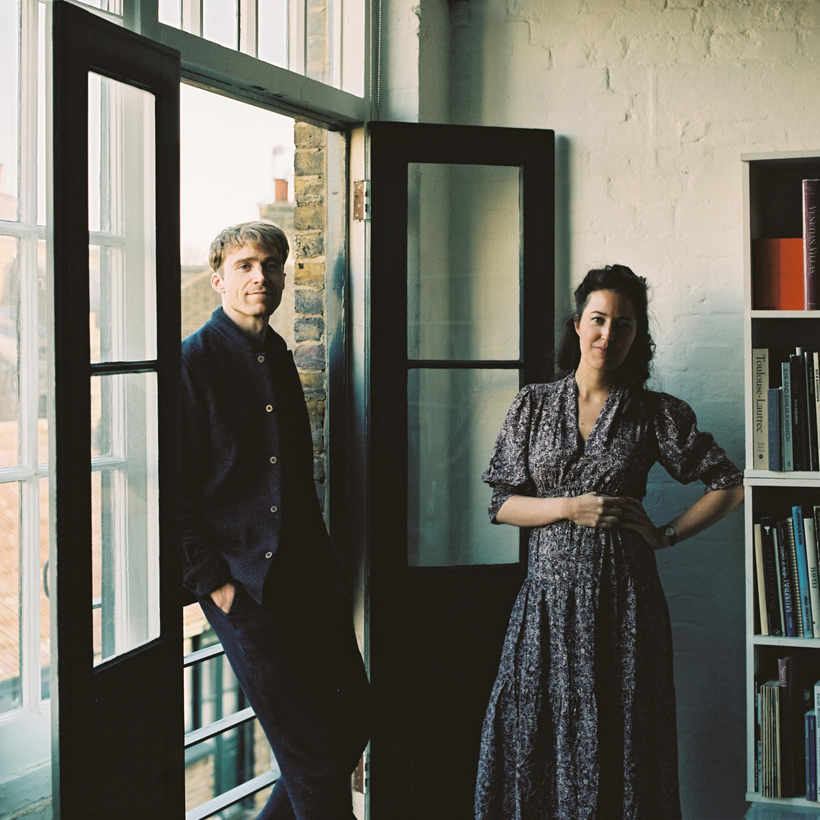
Owen Mears founded Ffern with his sister Emily Cameron, building the brand around small-batch, natural perfume tied to the seasons, released just four times a year on each solstice and equinox. Before the first fragrance launched in December 2018, Mears spent around £5,000 on something most perfume brands would've skipped entirely: a 53-second film introducing the people and ideas behind the scent, rather than trying to sell the scent itself.
That approach helped shape what Ffern became. The brand now has a waitlist reportedly topping one million people, all hoping for a chance to buy a bottle they won't get to smell first. This kind of loyalty doesn't happen by accident, and the reasons behind it apply to a lot more than perfume.
Give the Product a Story Customers Can Connect With
Ffern's launches put the story before the perfume, which changes how customers relate to the product from the start.
Instead of leading with scent notes or polished product photography, Ffern builds each fragrance around a particular season, place, and mood. Its campaigns have featured ice skating, apple picking, an ice cream van, actors, and artists, creating small fictional worlds around a smell nobody's actually tried yet.
Mears's original £5,000 film worked the same way, introducing the perfumers, ingredients, and ideas behind the project rather than pitching a traditional perfume ad. People got a sense of the world behind the fragrance before they ever smelled it.
Mears has described the goal as creating an emotional connection between that fictional world and the fragrance inside it. The pitch becomes less about explaining what a bottle smells like and more about giving customers a feeling to attach to it, which is likely part of why those first 150 bottles sold out sight unseen.
Businesses selling ordinary products can borrow the same idea without a £5,000 film. Give a product a specific mood, setting, or story, and customers have something to connect with that has nothing to do with its actual features.
Turn Each Launch Into Something Customers Anticipate
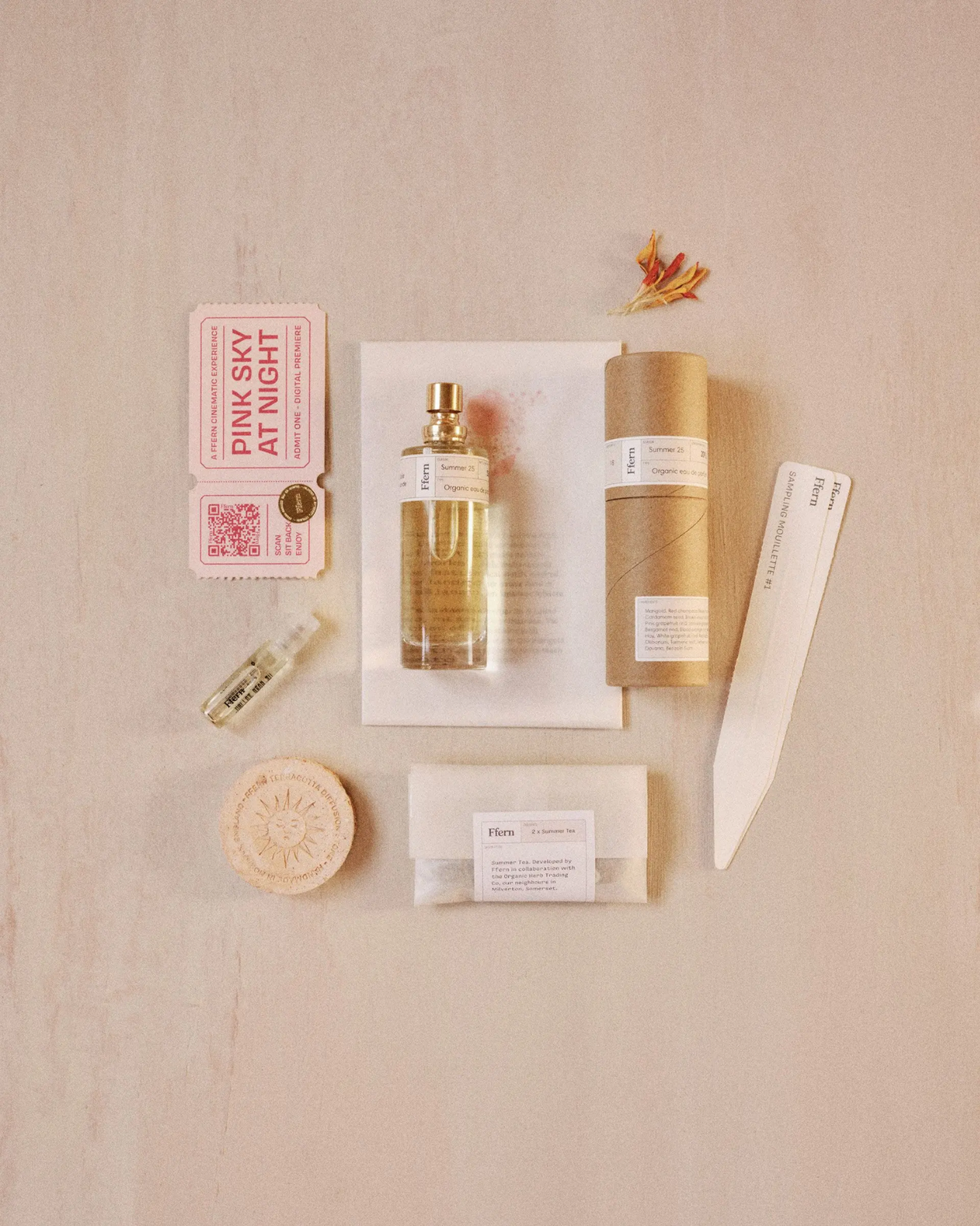
summer package
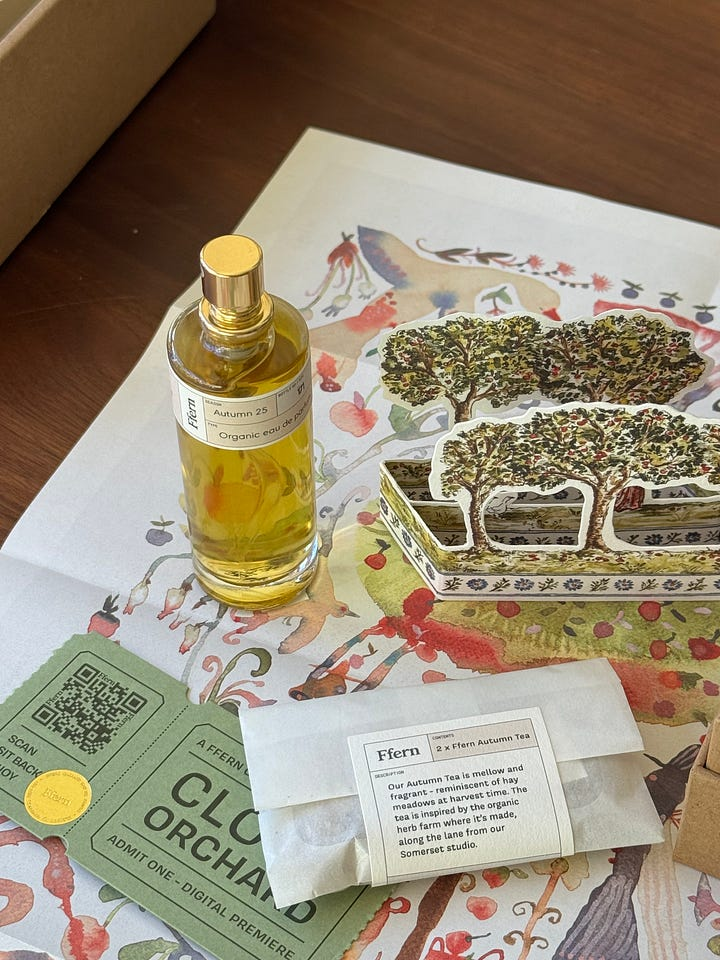
fall package
A good narrative can get someone's attention once. Giving it a predictable rhythm gives people a reason to come back.
Ffern releases exactly four fragrances a year, arriving around each solstice and equinox. That schedule gives customers something concrete to anticipate, and each fragrance comes with its own theme and campaign, keeping things familiar while making every release feel new.
That consistency isn't accidental. Ffern built a five-person internal film team to support it, treating creative production as part of the launch process rather than a one-time effort that happened to work the first time. The packaging follows the same logic, shipments have included artwork, tea, and textured materials, turning the unboxing itself into part of the appeal.
Together, those details give each release a sense of continuity. Customers aren't just encountering another bottle of perfume every few months, they're stepping back into a brand world they already recognize, with something new waiting each time.
The same idea can work in almost any industry. A seasonal collection, recurring content series, monthly event, or regular product drop can give customers a moment to look forward to.
Make Belonging to the Brand Feel Valuable
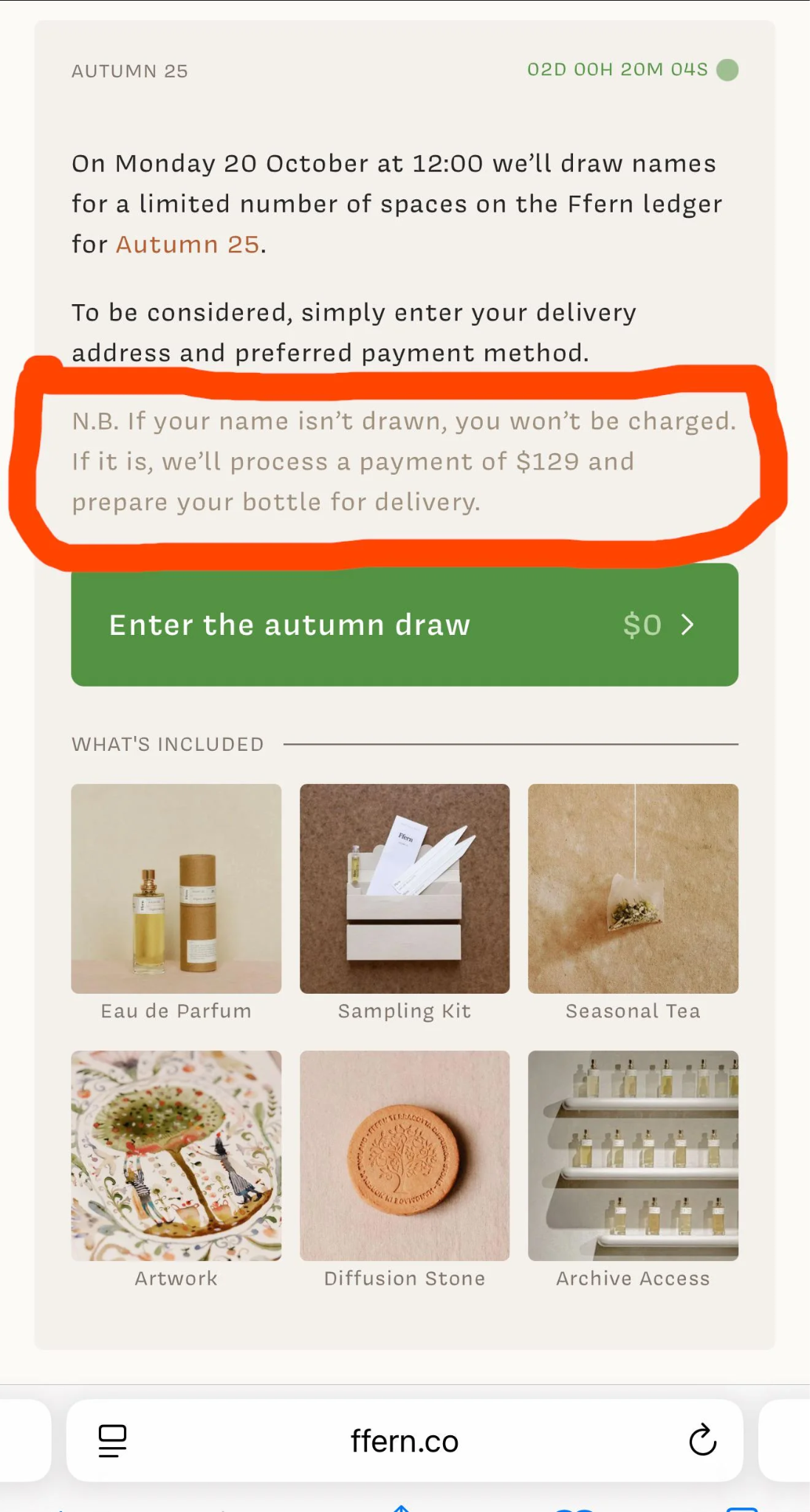
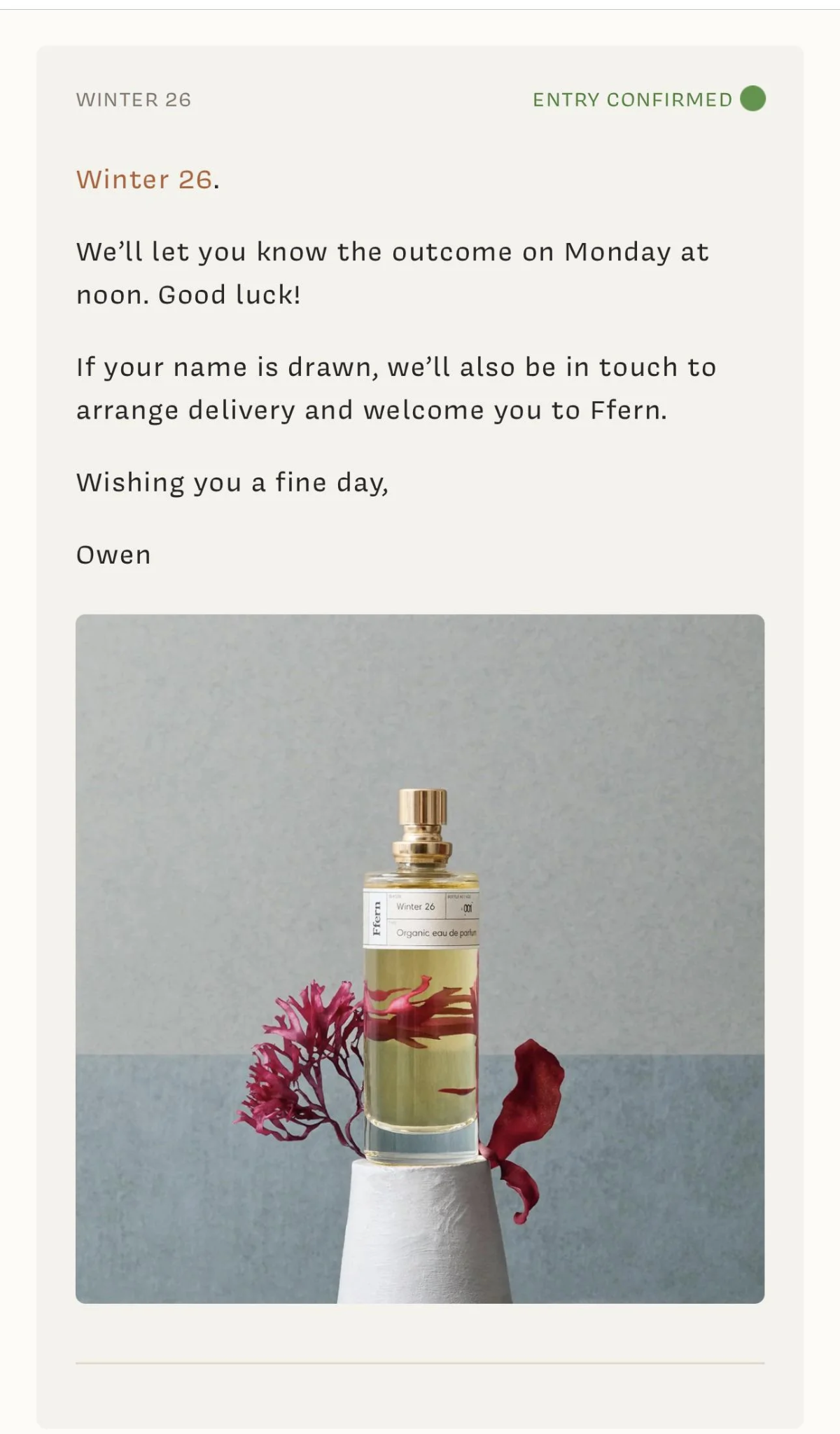
Ffern adds another layer by making access itself part of the pitch: the company produces limited batches, with seasonal plans determining how much perfume it can make for its members. Because the fragrances use small-batch, natural ingredients, there's a real ceiling on how much can exist each season, not just a marketing choice to hold some back.
Demand outpaced that supply fast. Ffern's second seasonal fragrance sold out within hours, while a later summer release disappeared in minutes. The company eventually introduced the Ledger, a membership system that determines which customers are offered each seasonal fragrance instead of sending everyone into a first-come, first-served rush.
Today, the waitlist reportedly has more than one million names.
People already wanted the product before Ffern restricted access to it. The limited supply and membership system just gave that existing demand somewhere to go, making access feel like something worth waiting for. That order matters: limiting access to something people already want builds anticipation, but restricting a product nobody's excited about yet just hides it.
Main Takeaway
The world Ffern built around each fragrance gave the perfume meaning, the seasonal schedule gave customers something to anticipate, and the Ledger turned limited supply into a reason to keep waiting.
Customers were buying a mood, a season, and a sense of belonging just as much as they were buying a scent. It's a connection that carried from one release to the next, and one that's now kept seven straight years of releases sold out and pulled in a waitlist reportedly exceeding one million names.
None of this is really specific to perfume. A product doesn't need Ffern's audience or budget to benefit from the same approach. Give people something they can connect with, a reason to return, and a story worth being part of, and even an ordinary product can become much more memorable.