



Most businesses have to spend money to find out whether an advertisement works. They create a concept, produce the creative, put it in front of an audience, and wait to see whether people respond. Feel Goods found a way to make that process cheaper. The supplement company uses organic TikTok content as a testing ground, allowing the audience to determine which ideas deserve more investment before the company turns them into paid advertisements. That approach has helped Feel Goods build an eight-figure business while generating more than 100 million organic impressions. Instead of paying to discover what people care about, the company uses organic content to find out first, then spends money on the ideas that have already shown signs of working.
Test Your Ideas Before You Pay to Scale Them
When Feel Goods first started posting on TikTok, there was no guarantee that its content would attract an audience. The founders quickly found that out. Their first 40 videos essentially went nowhere. For many companies, that kind of early failure could lead to spending more money on advertising in an attempt to force the content in front of more people. Feel Goods took the opposite approach. The founders continued experimenting with organic content and treated each unsuccessful post as information about what needed to change.
After a video performed poorly, the team would examine what might have gone wrong. Maybe the idea itself was not interesting. Maybe the opening hook failed to capture attention. Maybe the setting did not work, or the format needed to change. Instead of treating a failed post as a reason to abandon TikTok, they used it as another test. They made adjustments, increased their posting frequency, and continued experimenting.
Eventually, the founders began referring to TikTok as a "testing playground." The platform gave them an inexpensive way to put different ideas in front of real people and observe what happened. They could experiment with different hooks, subjects, formats, and messages without having to purchase an audience every time they wanted to test something.
That process also made the company better at creating content. The more videos Feel Goods produced, the more the team learned about what made people stop scrolling and engage. The company was not relying entirely on its initial instincts about what customers would want to see. It was developing those instincts through repeated exposure to audience behavior.
The result was significant. By 2026, Feel Goods had generated more than 100 million organic impressions and built a social following of more than 200,000 people. The important point is that those results came from a process of repeated experimentation rather than one perfect piece of content appearing immediately.
For businesses, this creates an important opportunity. You do not have to spend heavily every time you want to test a new marketing idea. Organic content can give you an inexpensive environment for figuring out what people respond to before you commit a larger budget.
Let Your Audience Tell You What Works
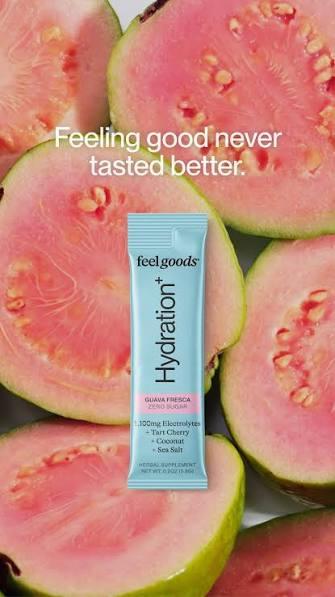
Testing content only becomes useful when a company actually learns from the results. Feel Goods does not simply post as much content as possible and hope that something eventually takes off. The company uses audience response to identify which ideas deserve additional attention.
Views and engagement provide early signals about which pieces of content are connecting with people. When one concept consistently performs better than others, Feel Goods has evidence that the underlying idea may be worth developing further. When another concept receives little response, there is less reason to spend money trying to force it in front of a larger audience.
This helped the company discover specific types of content that resonated with its audience. One example was what Feel Goods describes as "edutainment," content that combines useful information about health and ingredients with entertainment. Rather than choosing between educational content and entertaining content, the company found that combining the two could give audiences a reason to keep watching.
The company also learned that transparency could generate engagement. When a labeling mistake forced Feel Goods to discard hundreds of thousands of packets, the founders documented the situation through a series of TikToks explaining what had happened and how they planned to fix it. According to the founders, the series generated some of the company's strongest comments.
That example is useful because the successful content was not necessarily the content the company would have predicted in advance. The labeling mistake was a problem for the business, but discussing it openly gave the audience something they found interesting enough to engage with. The company learned from that response instead of assuming that only polished product-focused content would perform.
This is the larger advantage of organic testing. It gives businesses a way to replace some assumptions with evidence. You might believe customers want to hear about one feature of your product, but another feature could generate significantly more interest. You might think a polished advertisement is the strongest way to present your brand, only to discover that a simple founder-led video performs better. Organic content lets you make those discoveries before committing a large advertising budget.
The goal is not to assume that the post with the most views will automatically become your best advertisement. Organic performance is one signal among several. The useful part is that it gives the company information about what attracts attention and what messages people respond to.
Put Your Money Behind Proven Ideas
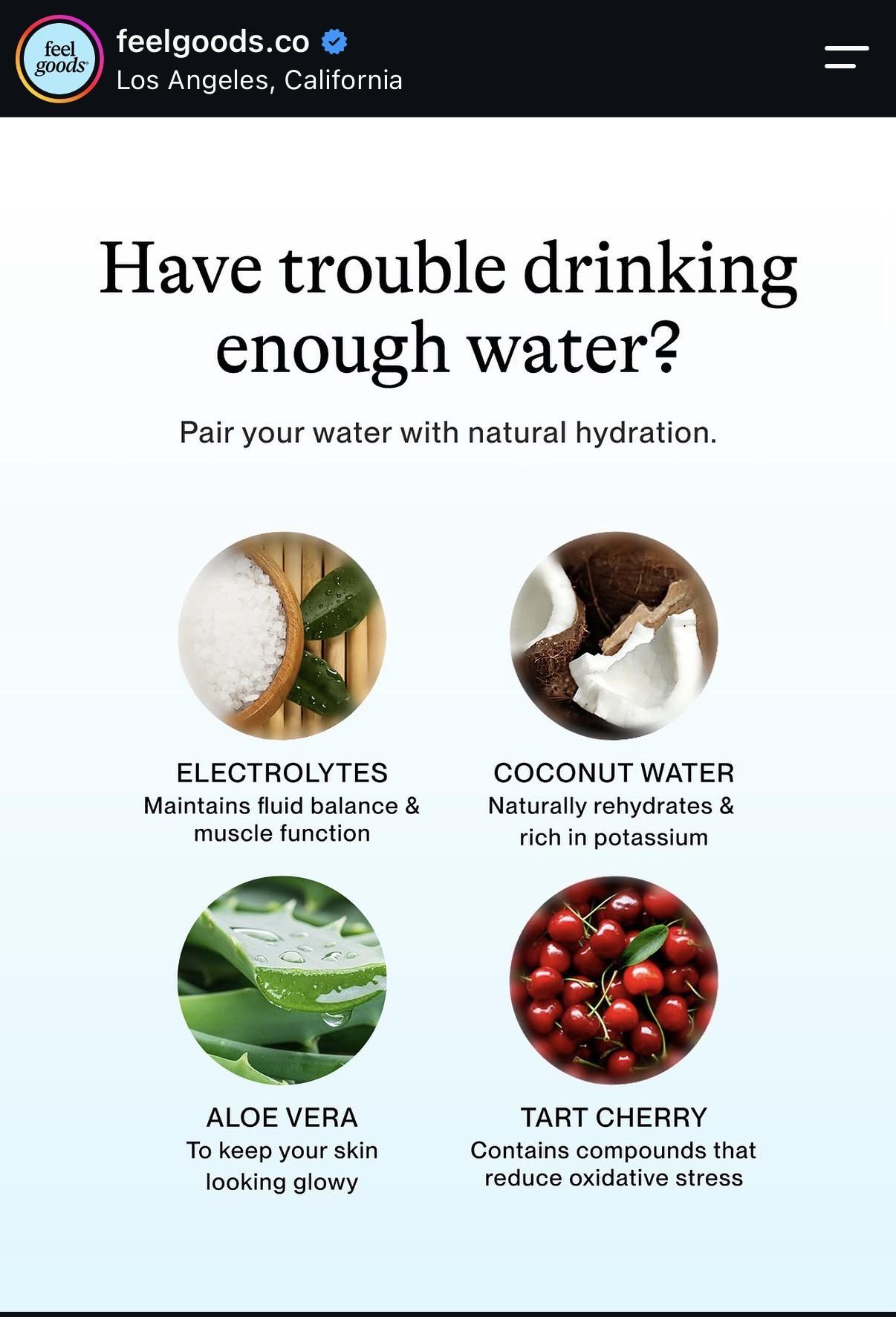
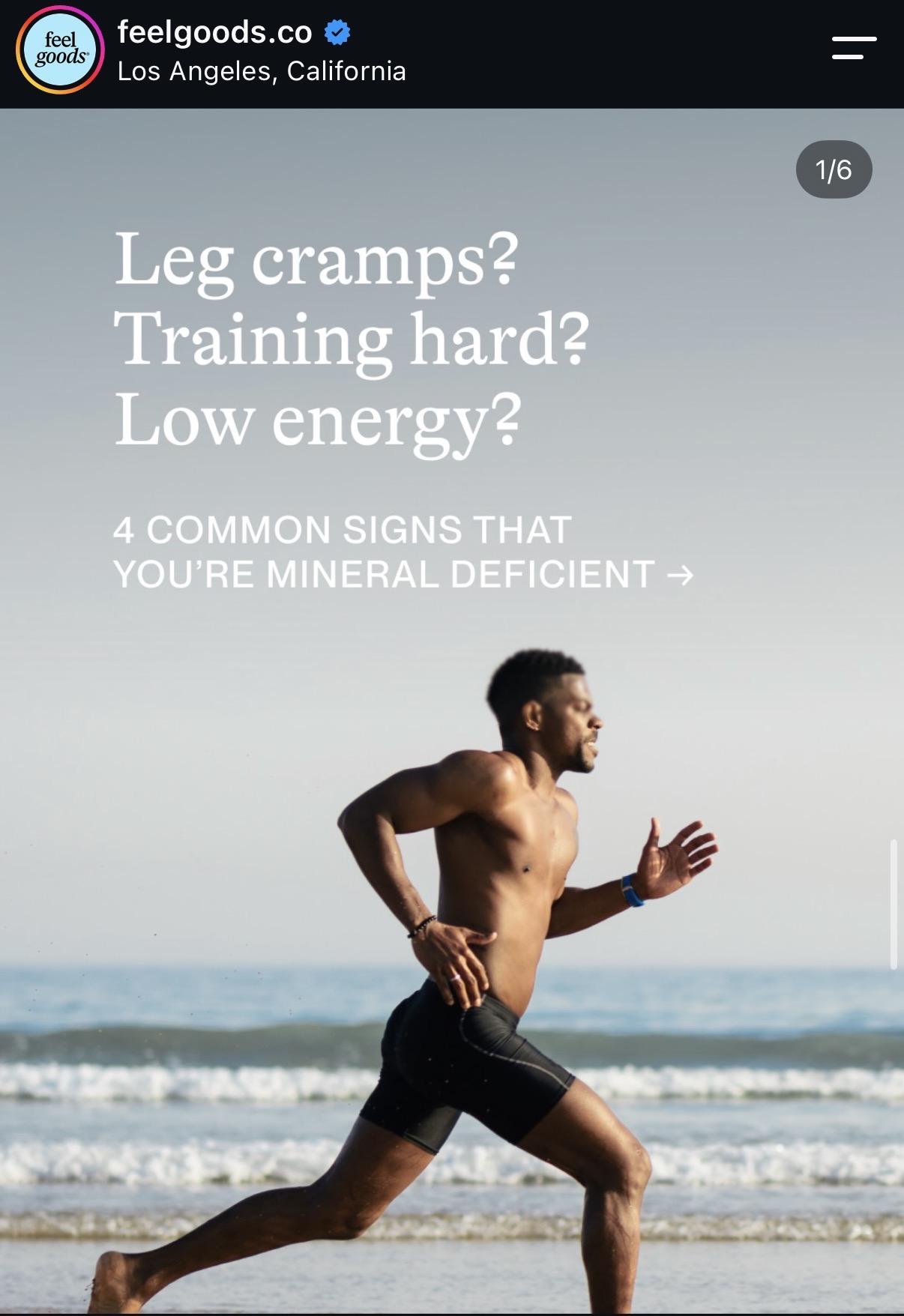
Once Feel Goods identifies content that performs well organically, the company has another advantage. It can take those ideas and use them in paid advertising.
TikTok has historically been a major source of organic views and impressions for Feel Goods, while Meta has been the company's primary paid advertising platform. The company can therefore use TikTok to test creative ideas and then bring the strongest performers into its paid campaigns on Meta.
This changes the economics of advertising. Instead of starting a Meta campaign with several completely untested ideas and paying to find out which one works, Feel Goods can begin with content that has already received a response from an organic audience. The company still needs to test the creative in a paid environment because organic performance does not guarantee advertising performance, but it has more information before spending the money.
That can reduce one of the biggest problems with paid advertising: paying for experimentation. Every new advertisement requires some combination of creative production, distribution, targeting, and testing. If the underlying message is weak, the company can spend money discovering that after the campaign has already started.
Feel Goods moves part of that experimentation upstream. It uses organic content to determine which ideas appear promising, then uses paid advertising to increase the reach of those ideas.
The distinction is important. Organic content is not simply a free advertising channel for Feel Goods. It also functions as a research tool.
That approach has helped the company grow beyond its social media presence. Feel Goods has become an eight-figure revenue business and remained profitable while raising a $4.7 million seed round in 2025. Modern Retail has also reported that the company later pulled back on some paid advertising while increasing its focus on internally produced content, with TikTok continuing to play an important role in awareness and revenue.
The company's growth does not mean every organic post became a successful advertisement. The more useful lesson is the system behind the content. Feel Goods creates a large number of ideas, observes how people respond, identifies the strongest signals, and then decides where additional resources should go.
The Lesson for Businesses
Feel Goods shows that you do not always need to pay to find out whether your marketing idea is good.
Organic content can function as a low-cost testing environment. You can experiment with different hooks, topics, formats, messages, and ways of presenting your product. Then you can watch what your audience actually does rather than relying entirely on what you think they will do.
The process starts with experimentation. Feel Goods' first 40 TikToks failed to gain meaningful traction, but the company used those failures to figure out what needed to change. That experimentation eventually helped the founders understand the type of content their audience responded to.
The next step is identifying the winners. Views, engagement, comments, and other audience behaviors can provide evidence about which ideas are worth developing. The point is not to chase every viral post. It is to understand why certain content performs better and whether the underlying message can translate into something more valuable for the business.
Then comes the spending. Once an idea has demonstrated that it can attract attention organically, the company has a stronger reason to consider putting paid distribution behind it.
This creates a simple process for businesses: test cheaply, learn from the response, then spend to scale.
The approach can also change how a company thinks about failure. A post that gets little attention does not necessarily mean the entire marketing strategy is wrong. It can tell you that the hook needs work, the message is unclear, the format does not fit the platform, or the audience simply does not care about that particular idea. When you are testing organically, learning that lesson costs far less than learning it through a large advertising campaign.
Feel Goods has essentially turned content into a feedback loop. The company creates something, puts it in front of an audience, studies the response, and uses what it learns to decide what comes next.
For a business trying to grow, that can be more valuable than finding one perfect advertisement. Instead of trying to predict exactly what customers will want before you spend money, you can give them opportunities to show you. Then, when you find an idea that connects, you have a reason to invest in making sure more people see it.