



Try explaining what a non-alcoholic aperitif made with botanicals and adaptogens actually tastes like. Most people probably can't picture it, and even the best ad copy can only get you so far.
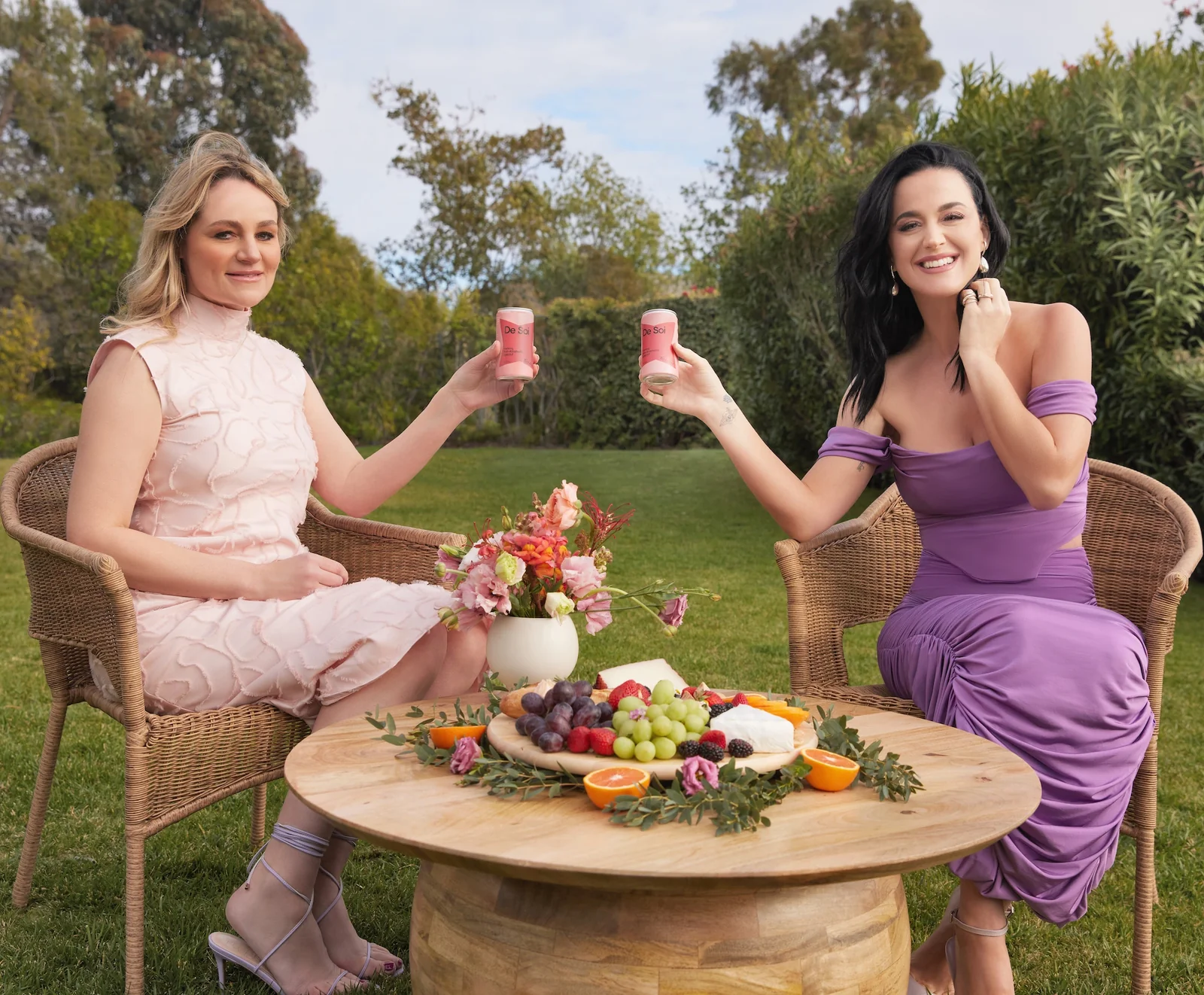
Co-founded in 2022 by Katy Perry and master distiller Morgan McLachlan, De Soi makes sparkling drinks with fruit juices, teas, herbs, and botanicals, and there's no familiar soda or juice flavor for customers to compare them to. CEO Scout Brisson has talked about watching McLachlan add chamomile to one formulation and completely change the taste, even though chamomile wasn't necessarily the flavor anyone would pick out from the label.
That kind of difference is nearly impossible to explain in marketing copy. The lesson? When a product makes more sense once someone tries it, get it into their hands and let the product do the talking.
Recognize When Explaining Isn't Enough
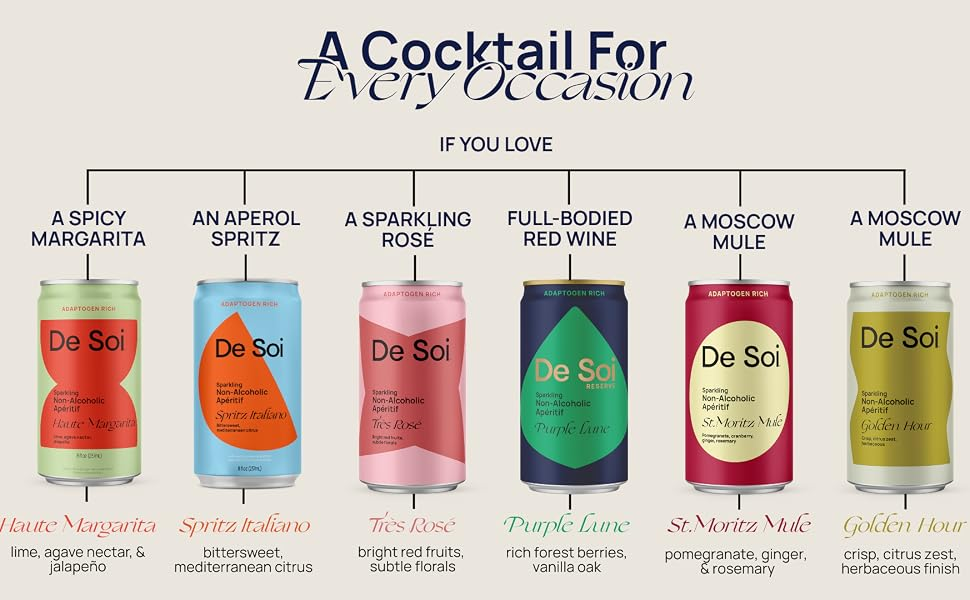
Aperitifs are already unfamiliar to plenty of American drinkers, and De Soi's flavor profiles add another layer. Brisson's chamomile example gets at the problem: one subtle ingredient could completely change how the drink tasted, but no tasting note on a can could really show someone what that meant.
Taste, texture, smell, and the overall experience are all tough to communicate through an ad, no matter how clever the copy is. When the product itself is the best explanation, getting it in front of people can do a lot more than another round of marketing copy.
Let Customers Experience the Difference
View this post on Instagram
De Soi leaned heavily into that idea. The company sampled its products with more than 54,000 people in a single year, making sampling one of its biggest marketing expenses and putting it ahead of plenty of channels brands typically prioritize.
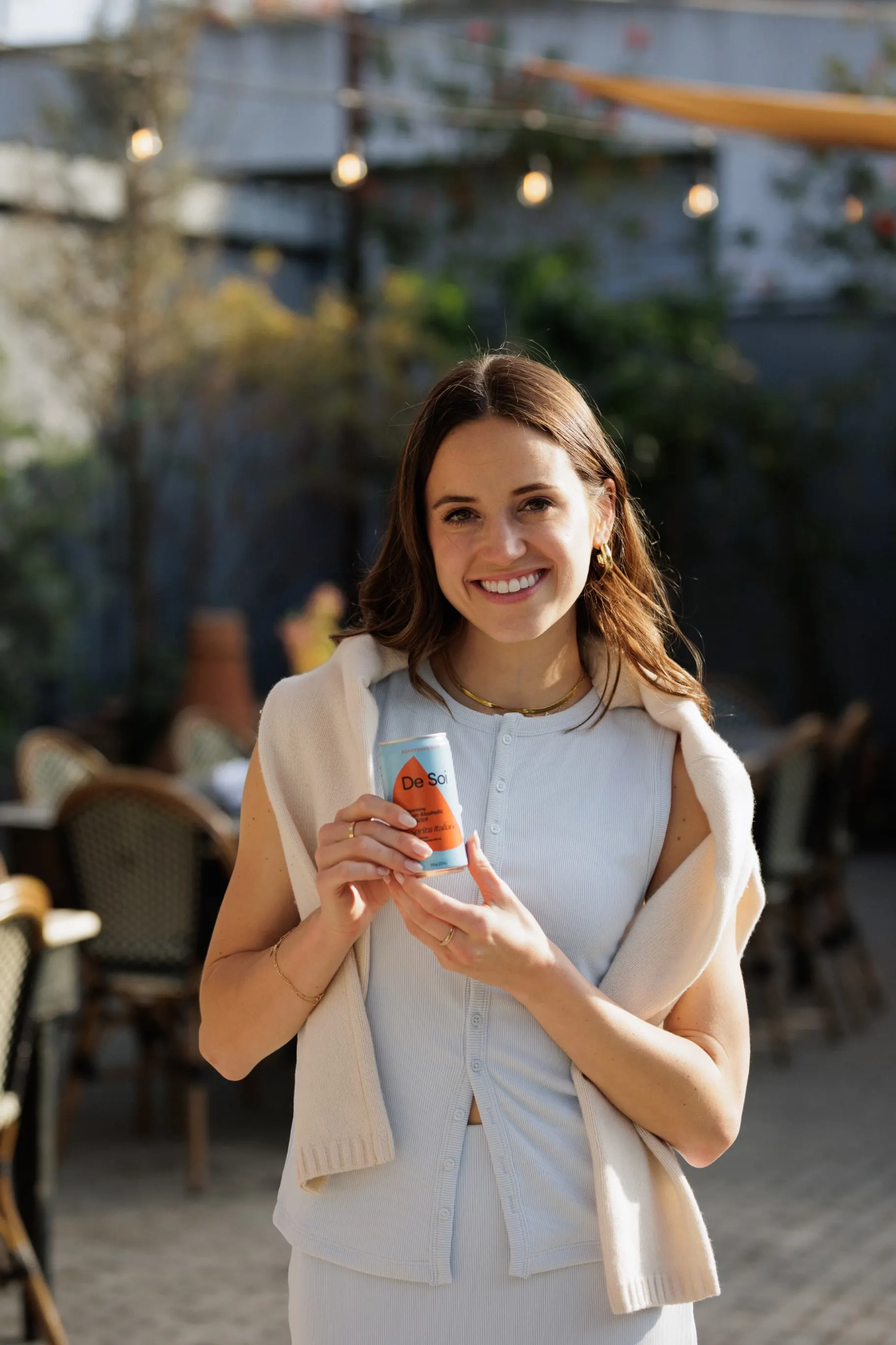
An ad can tell someone an unfamiliar drink tastes good, but a free sample lets them make that call themselves. Brisson has described sampling as a way to turn curiosity into confidence, and De Soi has been intentional about where those samples happen: Pilates studios, dinner parties, rooftop screenings, and local events where its target customers are already spending time.
Make It Easy to Buy After They Try
View this post on Instagram
View this post on Instagram
Getting someone to love the product is only half the job. There also needs to be an easy next step once the sample is gone.
Brisson has pointed to that as a key part of De Soi's sampling strategy. The company has reportedly turned down sampling opportunities in markets where its retail distribution wasn't strong enough yet, since generating interest without an easy way to buy wouldn't do much good.
Where De Soi does sample, there's usually a clear path to purchase, whether that's a QR code or a nearby retailer. The brand has since grown to roughly 7,500 stores, including Target, Whole Foods, and Sprouts, while its first-purchase subscription rate has climbed from around 15% to more than 40%.
Brisson doesn't credit sampling with every subscription, but the company keeps hearing a similar story from customers: they tried De Soi somewhere in person, liked it, and later subscribed online.
Takeaway
Put the chamomile example, the 54,000-plus samples, and the path from tasting to purchase together, and they all point to the same strategy: De Soi focused on getting people to experience the taste rather than trying to explain every part of it.
This idea can work far beyond beverages. Any business selling something that's difficult to describe, whether that's a texture, flavor, feeling, or experience, eventually runs into the limits of language. Finding an affordable way to let people experience the product themselves can be much more effective, especially when there's an easy way to buy while that experience is still fresh.
Looking Ahead
As more products compete in crowded categories with similar-sounding claims, direct experience could become even more valuable. Getting a product into someone's hands at the right moment and in the right setting can create the kind of connection that even great copy can't quite replicate.