



Crocs Spent Years Being Divisive
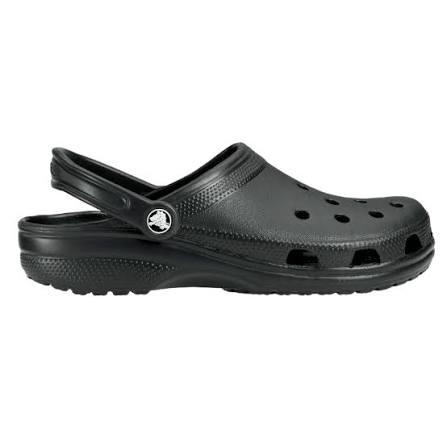
Crocs spent years being one of the most divisive shoes in fashion. Some people saw the clog as comfortable and practical. Others thought it was one of the ugliest shoes ever made. Yet that division became part of what made Crocs so recognizable, eventually helping turn the brand into a $2.3 billion business in 2021.
When Crocs launched in 2002, the company was not trying to become a fashion brand. The clog was designed as a functional shoe for gardeners, boaters, kitchen workers, and anyone who spent long hours on their feet. Its lightweight, washable material made it useful, while its simple design made it easy to manufacture and distribute. After its initial success, however, Crocs struggled to maintain its momentum. The company lost $185 million in 2008 and later cut its number of styles by 30% to 40%, refocusing on the classic clog.
That decision gave Crocs something valuable: a product people immediately recognized. Instead of trying to make the clog look like every other shoe, Crocs found ways to make its existing identity more interesting.
Personalization Made the Product Personal
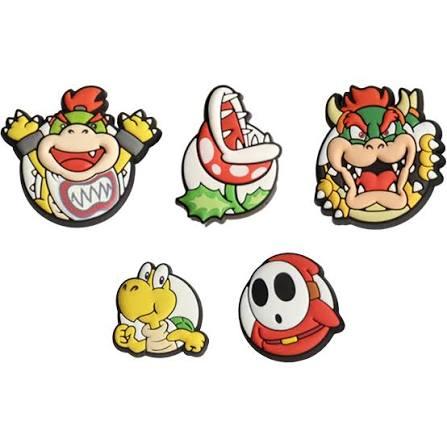


The first was personalization. When Crocs acquired Jibbitz in 2006, customers gained a way to cover their shoes with small charms that represented their interests and personalities. A pair of Crocs could now become something personal to the person wearing them. Customers could switch charms between different pairs, giving them another reason to keep buying and interacting with the product. The shoe stayed the same, but the customer could make it feel different.
This gave Crocs something many basic products struggle to create: a sense of ownership beyond the initial purchase. Customers were not simply choosing which Crocs to buy. They were deciding what their Crocs said about them.
Collaborations Turned Crocs Into Culture



Crocs then took that idea of individuality and pushed it into the broader fashion world through collaborations. The company partnered with celebrities, artists, and major brands to create versions of the clog that were difficult to ignore. In 2018, its collaboration with Balenciaga produced an $850 platform Croc that reportedly sold out within hours. By 2021, Crocs had partnered with more than two dozen brands, artists, and creators through collaborations and licensing programs.
Those partnerships did more than generate attention. They put Crocs in front of people who may have never considered buying the shoes before. A customer who discovered Crocs through a musician, fashion brand, or unusual collaboration suddenly had a reason to reconsider the product. The brand could keep the same recognizable clog while constantly creating new reasons for different audiences to care about it.
Crocs Made Its Divisiveness an Advantage
That is what makes Crocs' growth more interesting than a pandemic-driven comfort trend. The shift toward casual clothing created an opportunity, but Crocs already had an identity people could recognize, customize, and talk about. The company turned the thing people argued about into the thing that made the brand memorable.
For businesses, there is a useful lesson in that. You do not always need to make your product appeal to everyone. Sometimes growth comes from giving the people who already understand your brand more reasons to identify with it. Crocs made its product recognizable, gave customers control over how they expressed themselves through it, and used collaborations to constantly introduce that identity to new audiences.