



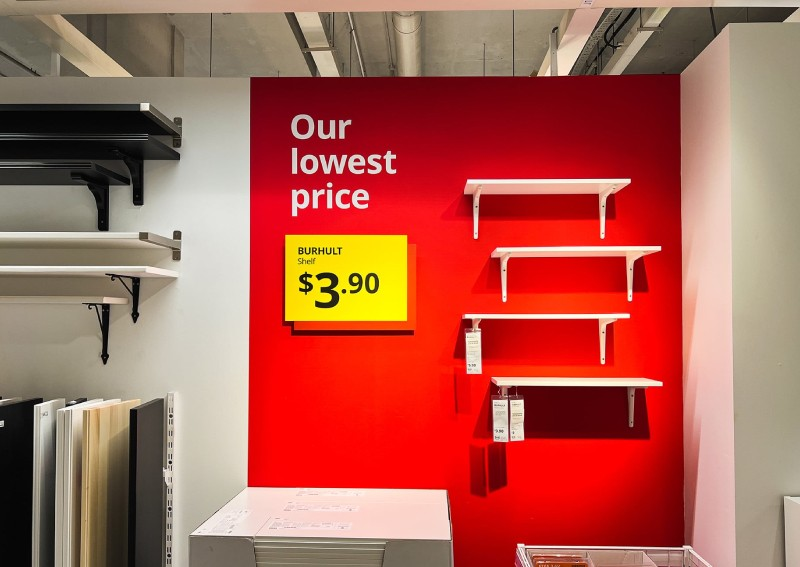
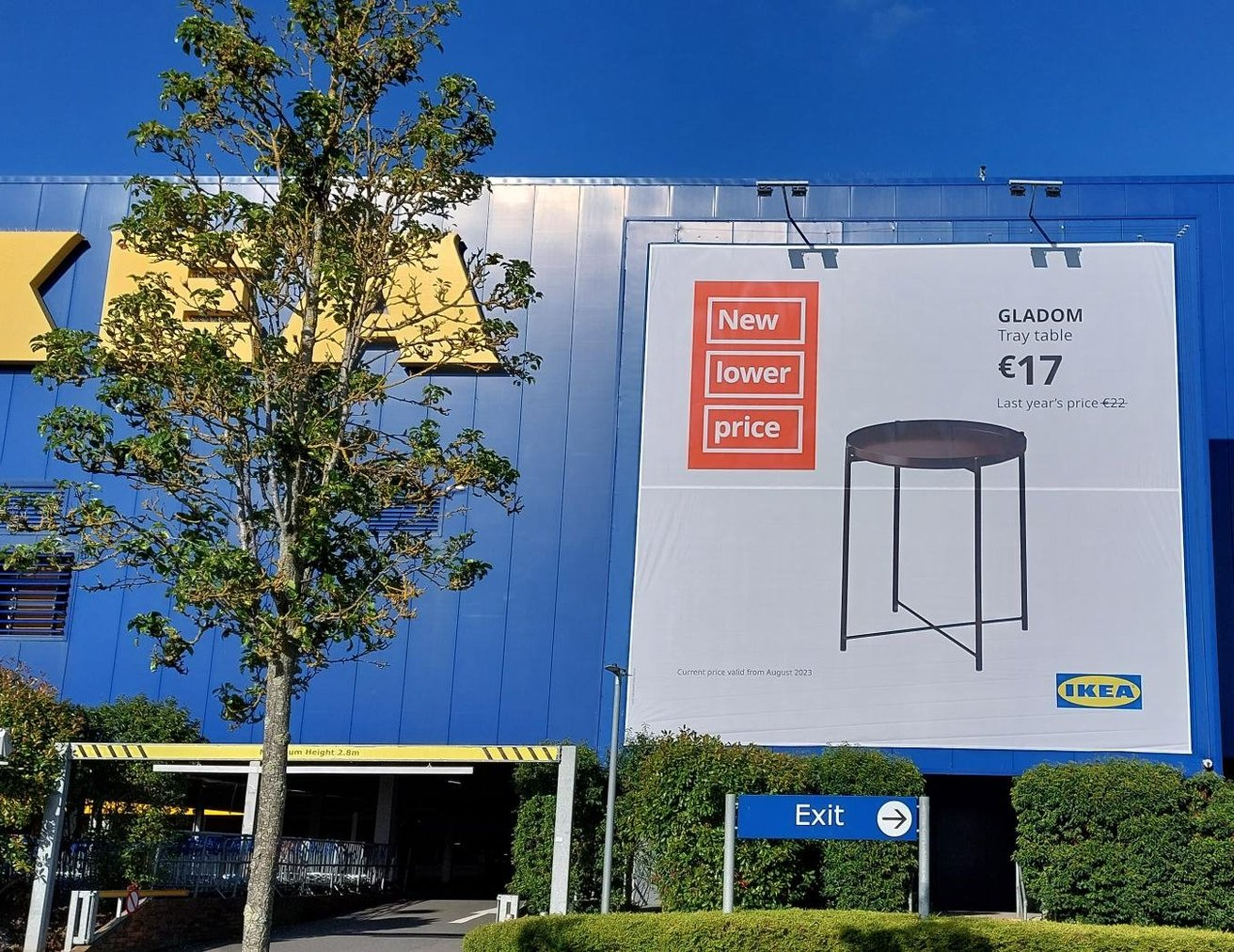
IKEA built its business around keeping prices low without giving up profit. Instead of shrinking margins and hoping volume would make up the difference, IKEA changed how furniture was packaged, shipped, assembled, and delivered, going after the cost of serving each customer, not just the price tag at the end.
Context
Ingvar Kamprad's fixation on cost goes back to childhood, reselling pencils he'd bought in bulk. He noticed the same pencil could cost ten times more once it passed through middlemen, and cutting cost wherever it hides became the idea behind everything IKEA built. Furniture retailers still made money the old way, assembled products with full labor and shipping costs baked in, and IKEA started out no different.
Then a small accident in 1956 put Kamprad's philosophy to its first real test, and it revealed something that would define the whole company: a business can lower prices by lowering what it costs to serve a customer, not by accepting smaller profits or quietly cutting the thing customers came for.
The Flat-Pack Redesign
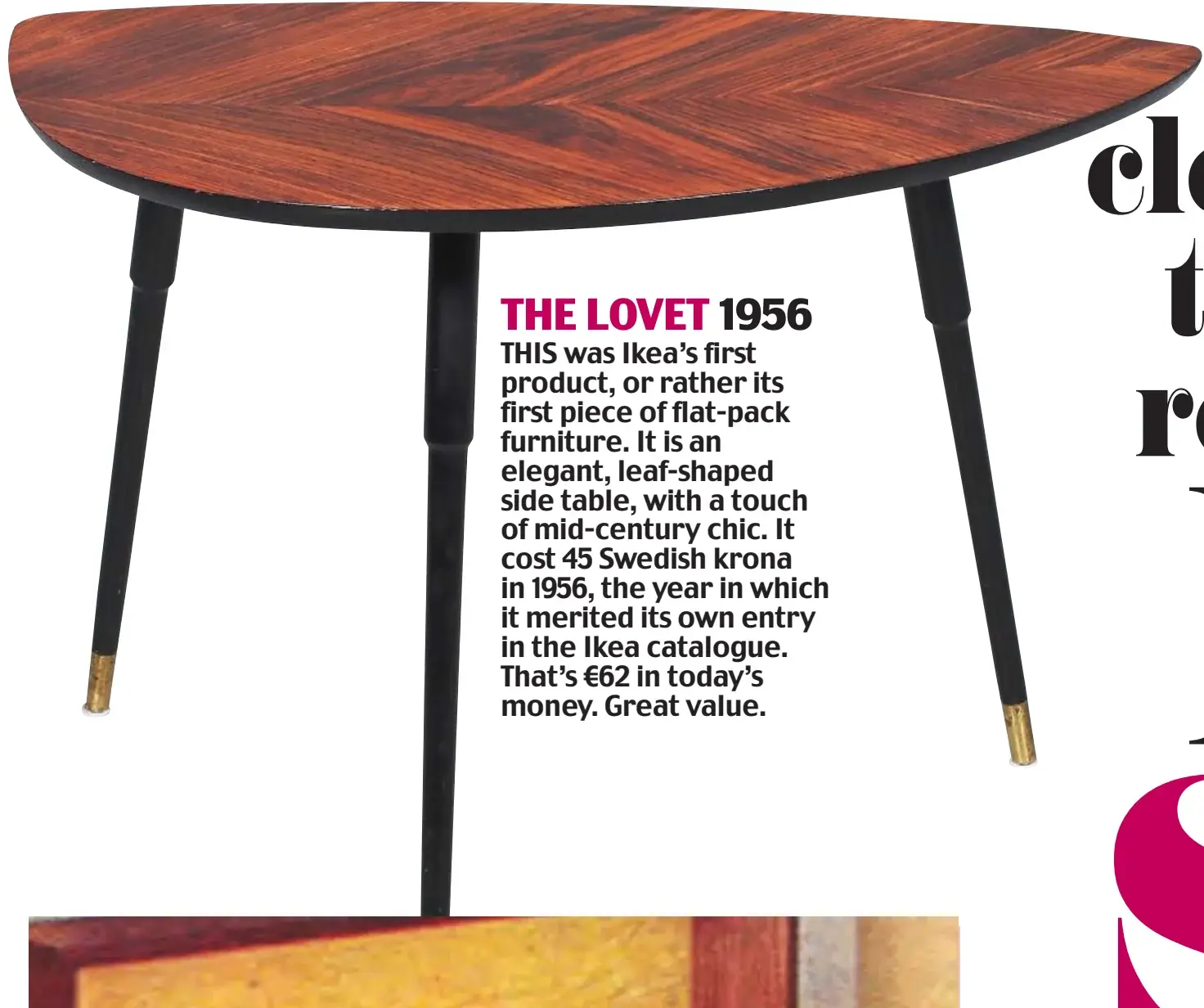
In 1956, an IKEA employee named Gillis Lundgren couldn't fit a table into his car for a catalog shoot, so he just took the legs off and packed them separately. That little fix became IKEA's whole packaging approach: ship furniture flat instead of assembled. Flat packaging takes up way less space, so more product fits on every truck and every warehouse shelf, cutting transport and storage costs dramatically.
That drop in price didn't come out of IKEA's profit margin. Shipping and storing each item had genuinely gotten cheaper, and that savings passed straight through to the customer. But cutting that cost meant handing off a real job, assembly, to someone else, which raises the next question: how did IKEA know customers would go along with that?
Handing Off Assembly, Not Value
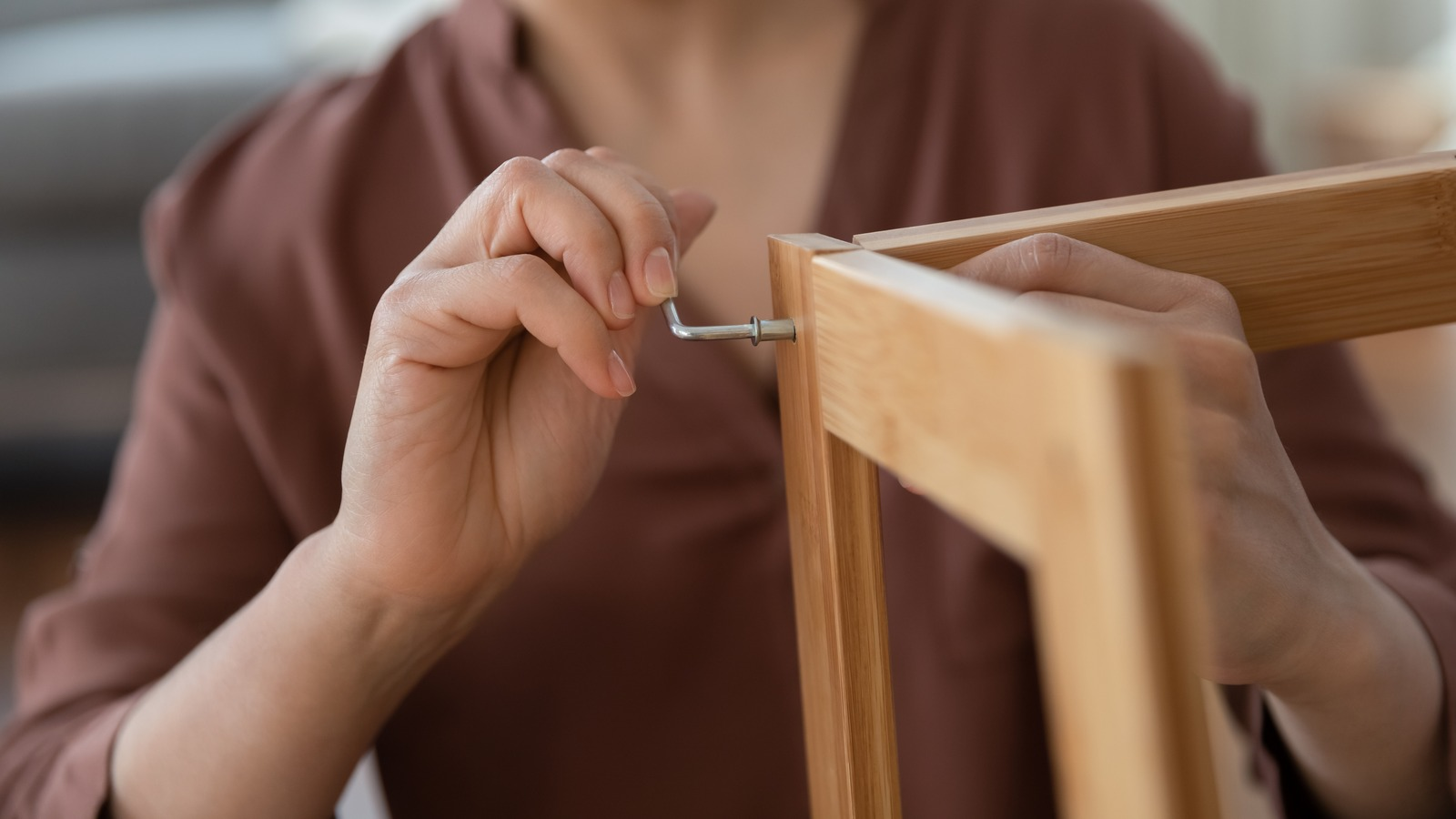
Flat-pack shipping only worked because someone had to put the furniture together, and IKEA decided that someone would be the customer, a cost handed off, not erased. It worked because IKEA had a good read on its customers: people who wanted affordable, well-designed furniture were happy to spend an hour with an Allen key if it meant paying less, and IKEA made that trade-off part of the pitch rather than something hidden in the fine print.
The design and quality customers cared about stayed exactly the same. What got cut was one specific thing, professional assembly, that people didn't need in order to still want the product, real savings that never touched the reason customers were buying in the first place. That formula held for decades, right up until customer habits started moving in a different direction.
Adapting Delivery as Customer Needs Change
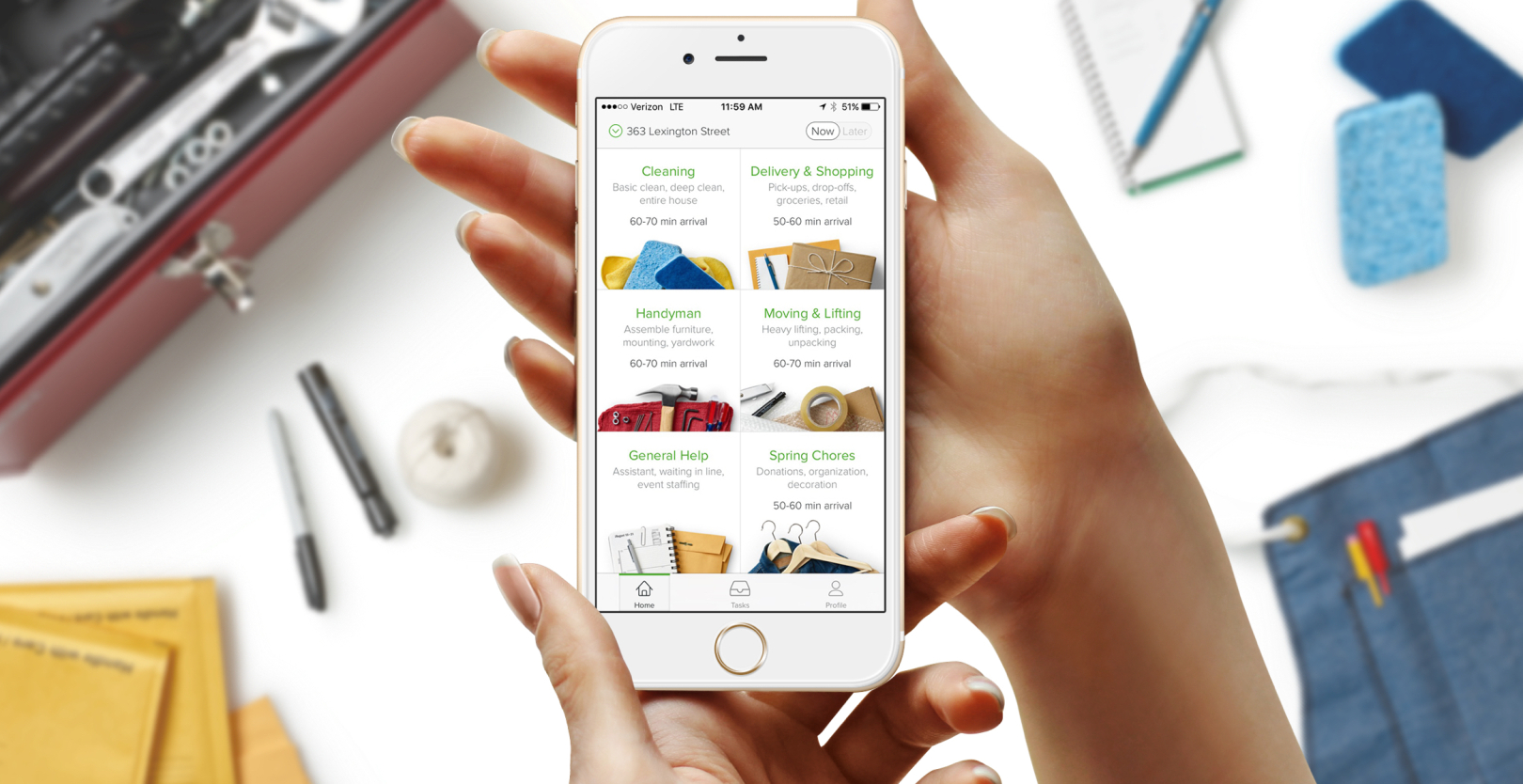
That shift showed up hard once more customers were living in cities, didn't own cars, and had zero interest in spending a Saturday driving out to a warehouse. Rather than scrap its low-cost, self-assembly model, IKEA rebuilt what surrounded it: smaller urban "planning studios" with delivery, expanded e-commerce, the 2017 TaskRabbit acquisition for optional paid assembly, even furniture leasing.
The core promise, affordable, well-designed furniture, never budged. What changed was how IKEA delivered on it, adjusting the operation instead of touching the price or the product itself. Same lesson, just tested under conditions nobody could've predicted back in 1956.
Takeaway
The flat-pack redesign, the assembly trade-off, and the move toward city stores, delivery, and leasing all trace back to the same move: IKEA kept finding new ways to lower the cost of serving a customer without ever touching the thing that made customers choose IKEA to begin with.
For businesses more broadly, that pattern holds up well past furniture. Lowering prices doesn't mean cutting corners customers will notice, or settling for a smaller profit just to stay competitive, it means knowing exactly which costs are safe to remove, and rebuilding the operation around that answer.
Looking Ahead
As more retailers run into the same pressure IKEA's dealt with for decades, rising shipping costs, evolving habits, competition from fast, convenient delivery, the ones that manage to keep prices low without hollowing out their own profits are probably going to be the ones still asking which costs protect the customer relationship, and which ones are just draining money in the background.