


Most companies want people to recognize their brand. Red Bull has spent decades building something more difficult: a brand people want to identify with. Its commercials are recognizable before the logo even appears, its athletes compete in some of the world's most extreme sports, and its events give ordinary people opportunities to enter the same world. Red Bull has turned an energy drink into a source of entertainment, competition, and identity. The company does this by making its marketing something people actually want to watch, building a lifestyle around the ideas it represents, and giving its audience ways to participate in it.
Red Bull Made Advertising Entertaining
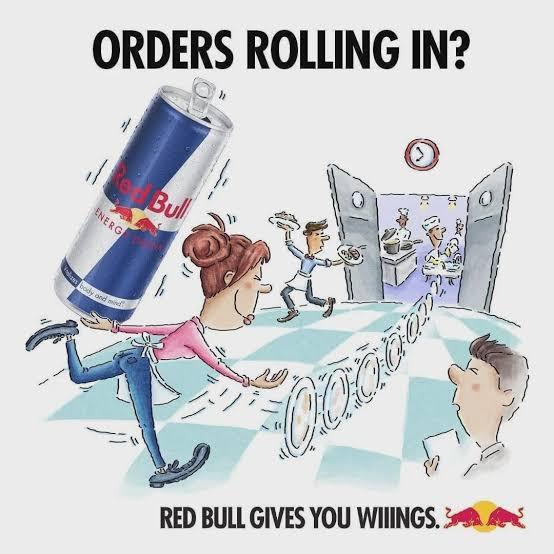
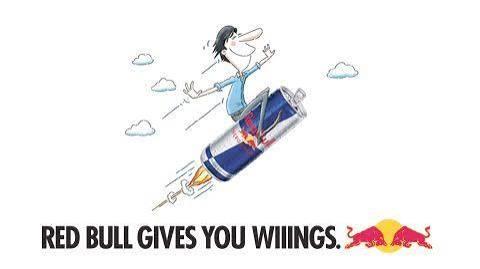
Red Bull's advertising has always had a personality of its own. Its animated commercials use a distinct visual style, exaggerated characters, absurd situations, and simple jokes that usually end with the familiar "Red Bull Gives You Wings" slogan. Rather than spending thirty seconds explaining why someone should buy an energy drink, the company creates a short piece of entertainment and places the product inside of it. The audience remembers the joke, the characters, the animation, and eventually the brand attached to all of it.
That approach gives Red Bull an advantage that many advertisements lack. People can enjoy the commercial without having any intention of buying the product. A Red Bull advertisement does not always feel like a sales pitch because the entertainment is the main event. The product simply becomes part of the story. Over time, that has made the company's advertising instantly recognizable. Even when the joke changes, the style remains familiar enough that audiences know what they are watching.
The "Gives You Wings" concept also gives Red Bull a simple idea that can stretch across almost everything the company does. Wings can mean energy, confidence, creativity, athletic ability, or pushing beyond what seems possible. That flexibility allows Red Bull to connect a silly animated commercial with a professional athlete or a person jumping from the edge of space. The situations are completely different, but they communicate the same basic idea.
This is important because a recognizable brand needs more than a logo. It needs a personality that people can remember. Red Bull's advertisements gave it one. The company became associated with humor, energy, and a willingness to be different. Once that identity was established, Red Bull could take it far beyond advertising.
Red Bull Built a World Around the Brand
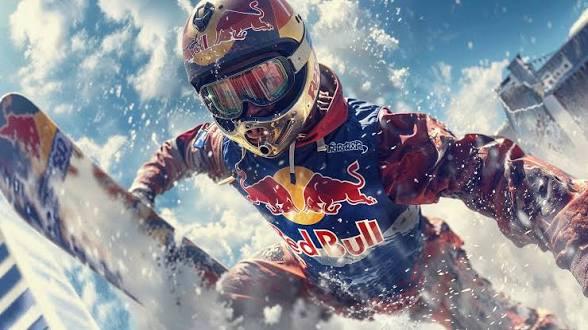
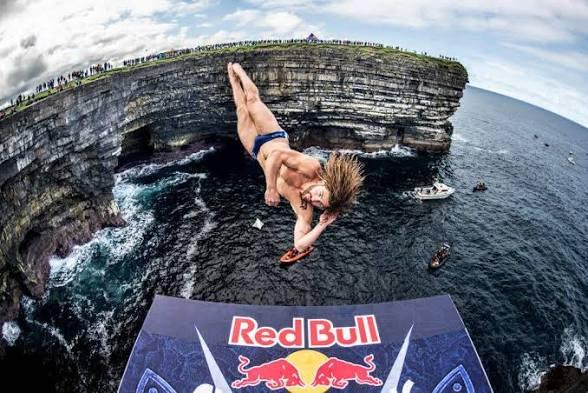
The company eventually turned that personality into an entire lifestyle. Instead of treating sports as another place to put its logo, Red Bull began investing directly in the activities that matched the identity it had created. The company sponsors athletes across Formula 1, football, mountain biking, cliff diving, snowboarding, skiing, motorsports, and other sports. It also owns teams and creates its own competitions.
That investment is unusual because Red Bull is not simply buying exposure. It is helping create the experiences that people associate with the brand. Red Bull Cliff Diving, for example, turns an extreme sport into a global competition with its own athletes, locations, stories, and audience. Red Bull Hardline has done something similar with mountain biking, building an event around some of the sport's most difficult terrain and demanding courses.
Formula 1 takes this even further. Red Bull owns a Formula 1 team, meaning the company has a permanent place inside one of the world's biggest sporting competitions. Every race creates another story for fans to follow. There are drivers to support, rivalries to watch, victories to celebrate, and failures to debate. Red Bull does not have to interrupt that experience with an advertisement because the brand is already part of the competition itself.
This gives Red Bull something traditional advertising cannot easily create: an ongoing reason for people to pay attention. A commercial lasts a few seconds. A sports team can create stories for an entire season. An athlete can build a following over years. An annual competition can become something audiences expect to return to.
The company's most extreme projects take this strategy to another level. In 2012, Red Bull sent Felix Baumgartner to the edge of space for a record-setting free fall. Millions of people watched the event, and the jump eventually generated more than 120 million YouTube views. Red Bull did not need Baumgartner to finish the jump and immediately hold up a can for the cameras. The event itself communicated what Red Bull represented. It was ambitious, dangerous, unusual, and almost impossible to ignore.
That is the difference between sponsoring an experience and creating one. A logo on an existing event gives a company exposure. Creating the event gives the company ownership over the story people are watching. Red Bull has repeatedly chosen the second option.
Red Bull Gives People a Way to Participate
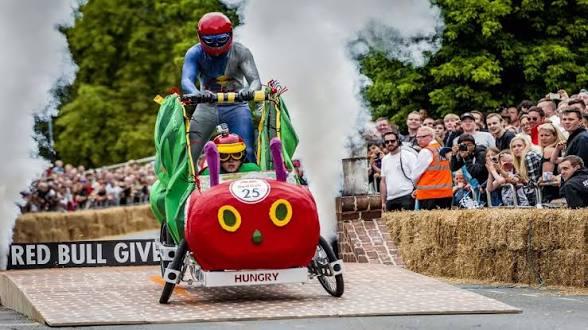
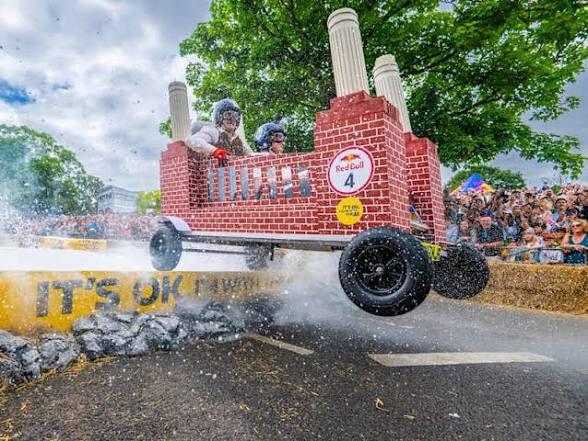
There is still another step between watching a brand and actually identifying with it. Red Bull gives people ways to participate.
Flugtag is one of the clearest examples. Red Bull created a competition where teams build homemade flying machines and launch them in front of crowds, competing to see whose creation can travel the farthest. The event takes the same idea behind "Gives You Wings" and turns it into something ordinary people can experience themselves. You do not have to be a professional athlete to participate. You simply need an idea and the willingness to build it.
That principle continues throughout Red Bull's events. The company has expanded into dance, gaming, music, and other areas where audiences can do more than simply consume content. Its esports competitions give gamers opportunities to compete, while its events across different sports create communities around the athletes and activities people already care about.
This creates several different ways to enter the Red Bull world. Someone might discover the company through an animated commercial. Another person might become a Formula 1 fan and follow Red Bull Racing. Someone else might watch a cliff diving event, attend a Red Bull competition, compete in one, or follow one of the athletes sponsored by the company. Each person can interact with the brand differently while still connecting with the same underlying identity.
That is what makes participation so important. Red Bull does not require everyone to consume the brand in exactly the same way. It creates enough opportunities for people to find their own connection to it.
Red Bull Made the Product Secondary
The most impressive part of this strategy is how often the product itself disappears from Red Bull's biggest marketing moments. The company can spend millions creating an event without constantly telling people about the energy drink. That may seem strange for a beverage company, but it is precisely what makes the strategy work.
When Baumgartner jumped from the edge of space, people were not watching because they wanted to see a Red Bull advertisement. They were watching because they wanted to see whether someone could accomplish something extraordinary. Red Bull became associated with that accomplishment simply because the company had made it possible.
The same thing happens with its sports teams and athletes. People watch Formula 1 because they care about racing. They watch cliff diving because the sport is exciting. They watch mountain biking because they want to see what the athletes can do. Red Bull puts itself at the center of these experiences without making the experience about the product.
That gives the company a much larger marketing surface than an ordinary beverage brand. Every athlete can create a story. Every competition can create content. Every race can create another conversation. Every unusual event can attract a new audience. Red Bull can keep producing reasons for people to interact with the brand without constantly producing new reasons to buy the drink.
This is also why Red Bull has been able to position itself as a premium lifestyle brand. The product itself did not have to become dramatically different. The company changed what surrounded the product. It attached the can to extreme sports, entertainment, competition, creativity, and achievement. What people were buying was no longer simply an energy drink. The brand represented a particular type of person and a particular way of experiencing the world.
The Lesson for Businesses
Red Bull shows that the strongest brands can give people something to identify with beyond the product they sell. The company built a recognizable personality through its advertising, then spent decades proving that personality through the experiences it created. Its commercials made Red Bull entertaining. Its investment in sports made the brand aspirational. Its events gave people opportunities to participate.
The advertising tells you what Red Bull is. The sports show you what that identity looks like in the real world. The events give you an opportunity to become part of it.
That is the larger opportunity for businesses trying to build an audience. You can spend your time explaining why your product is good, or you can build something around the product that people genuinely want to follow. Red Bull chose the second approach. It created content people wanted to watch, competitions people wanted to follow, athletes people wanted to support, and events people could actually participate in.
The result is a brand that does not have to constantly ask for attention. It has built an ecosystem that naturally generates it. People can watch Red Bull, compete with Red Bull, follow Red Bull, and identify with what Red Bull represents without ever being directly told to buy a can.
Red Bull sells an energy drink. The reason people care about the brand is everything the company built around it.