



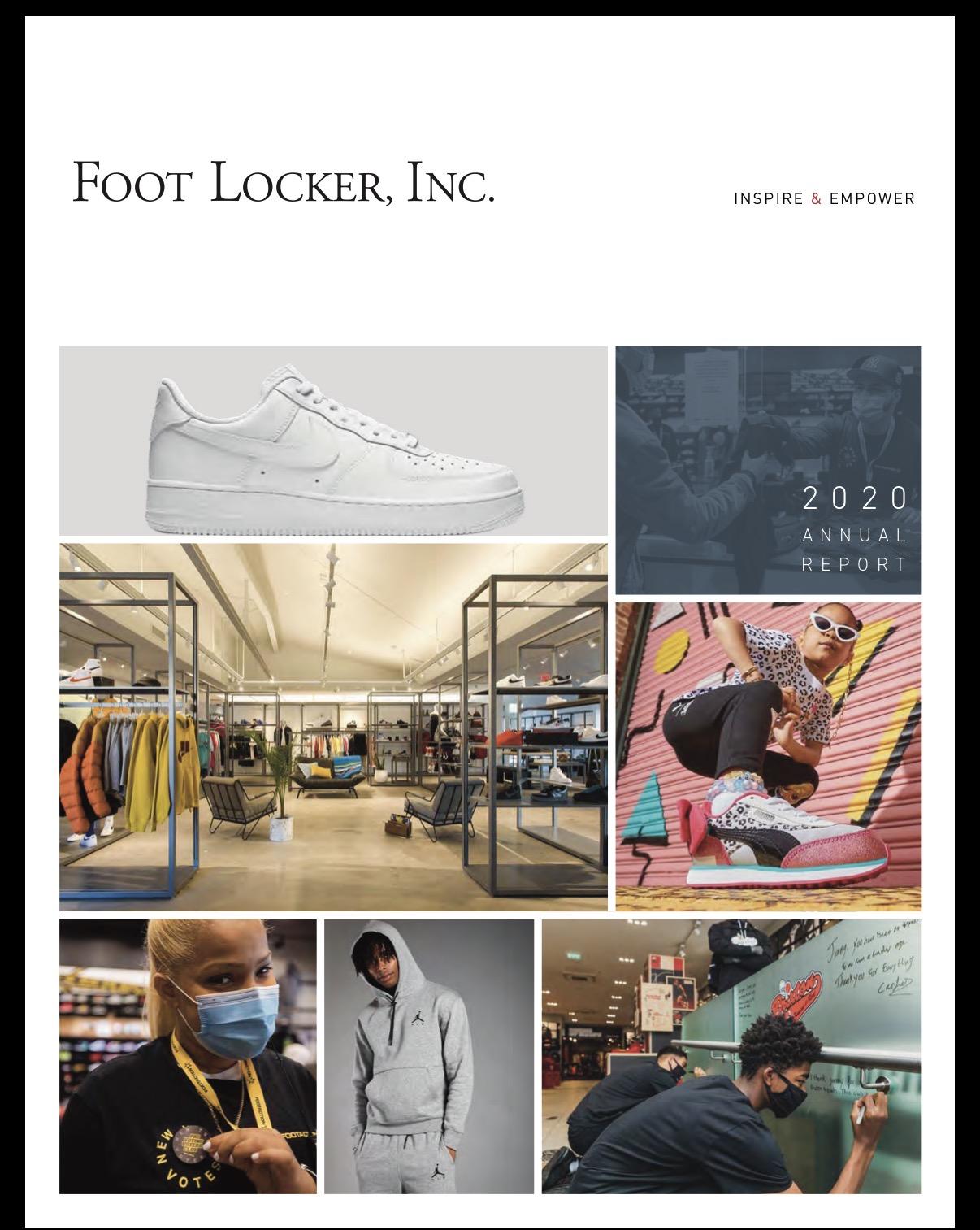
Getting customers is only half the job. The harder part is giving them a reason to come back. Foot Locker spent years building a massive sneaker retail business around products from brands such as Nike. By 2020, Nike accounted for roughly 75% of Foot Locker's merchandise purchases. That relationship gave Foot Locker access to some of the most desirable products in the sneaker market, but it also created a vulnerability. Foot Locker depended on another company for a large part of what brought customers through its doors. Then Nike changed its strategy.
Beginning in the late 2010s, Nike pushed harder toward direct-to-consumer sales through its own stores, website, and digital platforms. Foot Locker warned investors that suppliers could choose to sell high-demand products through their own channels instead of through retailers like Foot Locker. The result exposed a problem that applies far beyond sneaker retail.
A business can have thousands of customers and still lack customer loyalty if those customers are really there for someone else's product. Foot Locker's story shows what happens when getting customers comes from another company's brand, and why businesses eventually need to create a reason customers specifically choose them.
Getting Customers Becomes Harder When Someone Else Controls the Demand
The first challenge for a growing business is realizing that access to customers is not the same thing as owning the customer relationship. When a business relies heavily on another company to attract customers, it can look successful while remaining vulnerable. The customers may be buying from you, but their loyalty could actually belong to the product, brand, or platform that brought them there. Foot Locker's dependence on Nike made that distinction especially clear.
In 2020, approximately 75% of Foot Locker's merchandise purchases came from Nike. Foot Locker itself acknowledged that its operating divisions were highly dependent on Nike and warned that a change in Nike's distribution strategy could materially affect its business.
For years, that relationship worked. Nike created products customers wanted, while Foot Locker gave those products physical retail space and access to shoppers. Foot Locker became an important part of sneaker culture because customers knew it was a place where they could find Nike and Jordan releases. The problem was that Nike eventually realized it could build more of the customer relationship itself.
Nike expanded its own stores, website, apps, and membership ecosystem. Its SNKRS platform gave sneaker customers a direct way to discover and purchase limited releases without relying on a retailer to provide the experience. That changed the economics of the relationship.
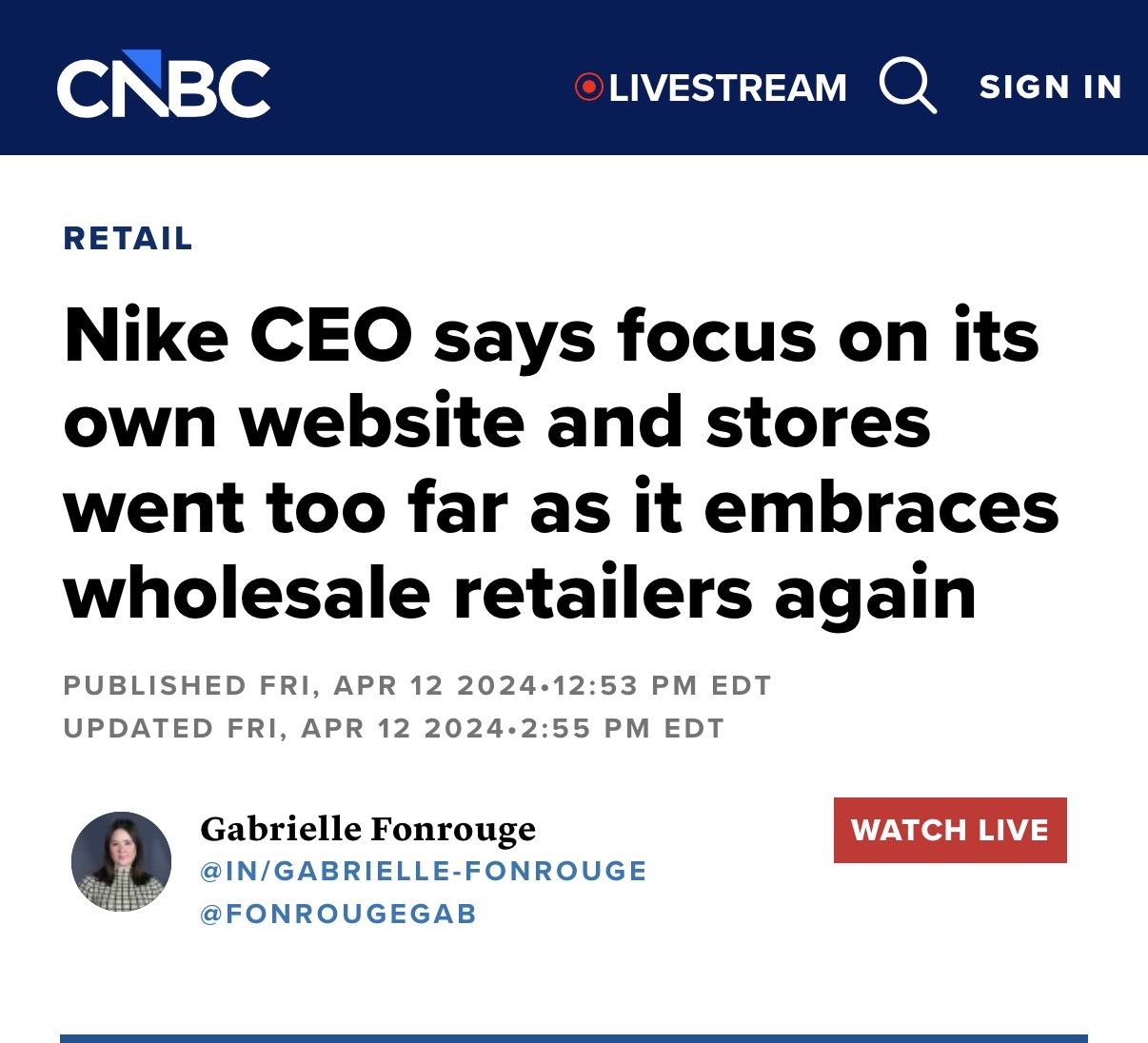
Foot Locker wasn't simply competing with other sneaker stores anymore. It was increasingly competing with the brands whose products had helped bring customers into its stores. Nike's strategy eventually went too far. In 2024, then-CEO John Donahoe acknowledged that Nike had become too focused on its direct business and needed to rebuild relationships with wholesale partners. But Foot Locker had already experienced the downside of depending on someone else's demand.
A creator who gets all of their customers through TikTok has access to an audience, but TikTok controls the distribution. A small business that receives most of its customers through one marketplace has customers, but the marketplace controls the relationship. A company that depends on one supplier has products, but that supplier controls part of its ability to serve customers.
The first step toward building a durable business is recognizing the difference between customers who buy from you and customers who specifically choose you. That distinction becomes more important as a company grows because losing access to one major source of demand becomes increasingly expensive. That is exactly what Foot Locker had to confront next.
When Someone Else Owns the Product, You Need to Own Something Else
Once a business realizes that another company controls a major part of its demand, the next question is what customers can get from it that they cannot get somewhere else. Differentiation means giving customers a reason to choose your business instead of an alternative. That reason can come from price, convenience, expertise, service, community, experience, exclusivity, or brand identity.
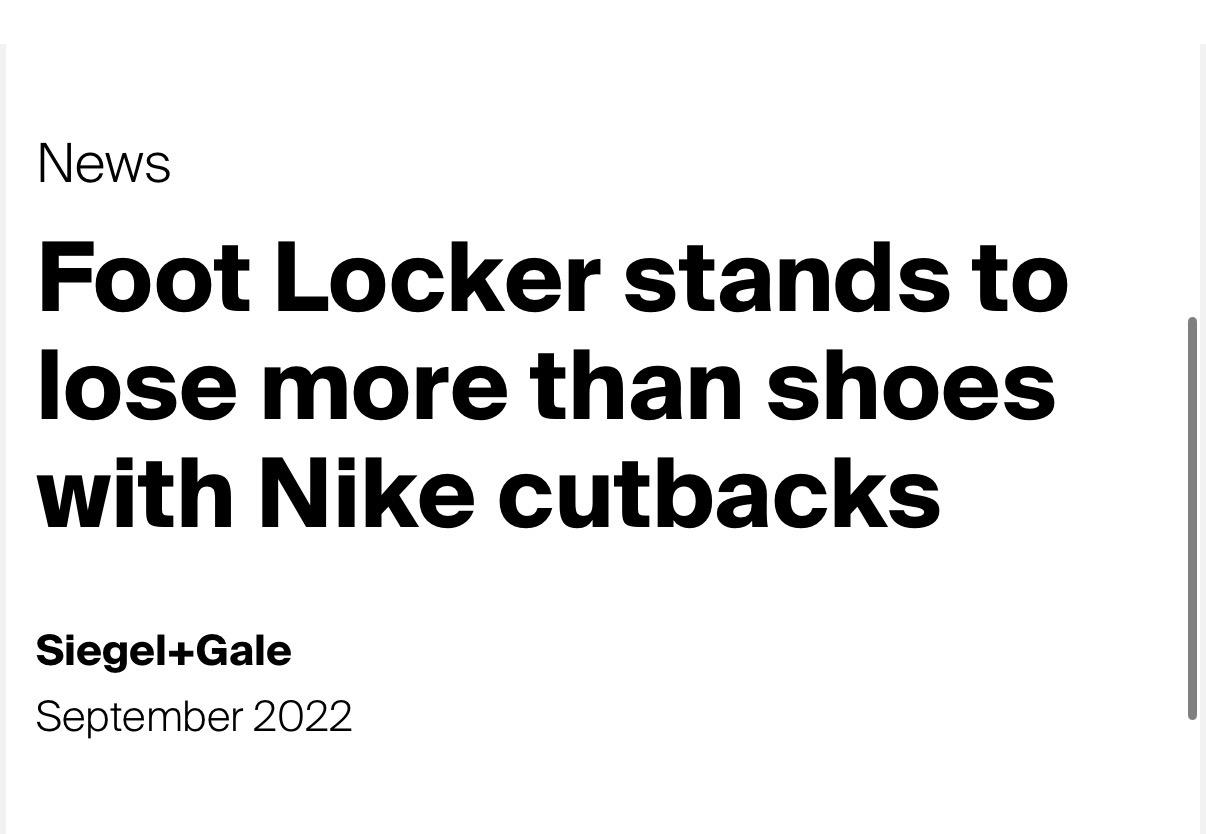
Foot Locker already had an opportunity to build some of these advantages. Its stores were deeply connected to sneaker culture, and its physical presence gave it something Nike's digital channels could not completely replicate. But Nike's products remained the primary attraction. If customers came to Foot Locker mainly because they wanted Nike sneakers, Nike could eventually take those customers somewhere else. A stronger strategy would make Foot Locker itself part of the reason customers wanted to shop there.
That could mean exclusive releases, stronger connections to local sneaker communities, events, emerging brands, expert employees, and experiences that customers associate with Foot Locker rather than Nike.
The company has also moved toward reducing its dependence on Nike by expanding its relationships with brands such as Adidas, New Balance, Hoka, and Ugg. This matters because diversification gives a retailer more control over its product assortment and reduces the damage caused by one supplier changing its strategy. Foot Locker's own financial filings show that the company recognized this risk. In 2021, Nike represented about 68% of Foot Locker's merchandise purchases, down from 75% the year before, and Foot Locker said it did not expect any single supplier to represent more than 55% of merchandise purchases beginning in the fourth quarter of 2022.
The more sources of demand and supply a business has, the less vulnerable it becomes when one partner changes direction. A local coffee shop cannot stop another company from selling the same beans. It can, however, create an atmosphere, community, service experience, menu, reputation, or local identity that customers associate specifically with that coffee shop.A marketing agency cannot stop competitors from offering social media services. It can build expertise in a particular industry, develop a recognizable process, or create relationships that make clients reluctant to leave.
That brings Foot Locker to the next stage of the problem. Once a company has created something customers value beyond the products it sells, it needs a way to turn that value into a lasting relationship.
Turn Rented Customers Into Your Own Customers
The final step is turning customer attention into a relationship your business controls. This is where loyalty programs, email lists, memberships, communities, websites, and direct communication become valuable.
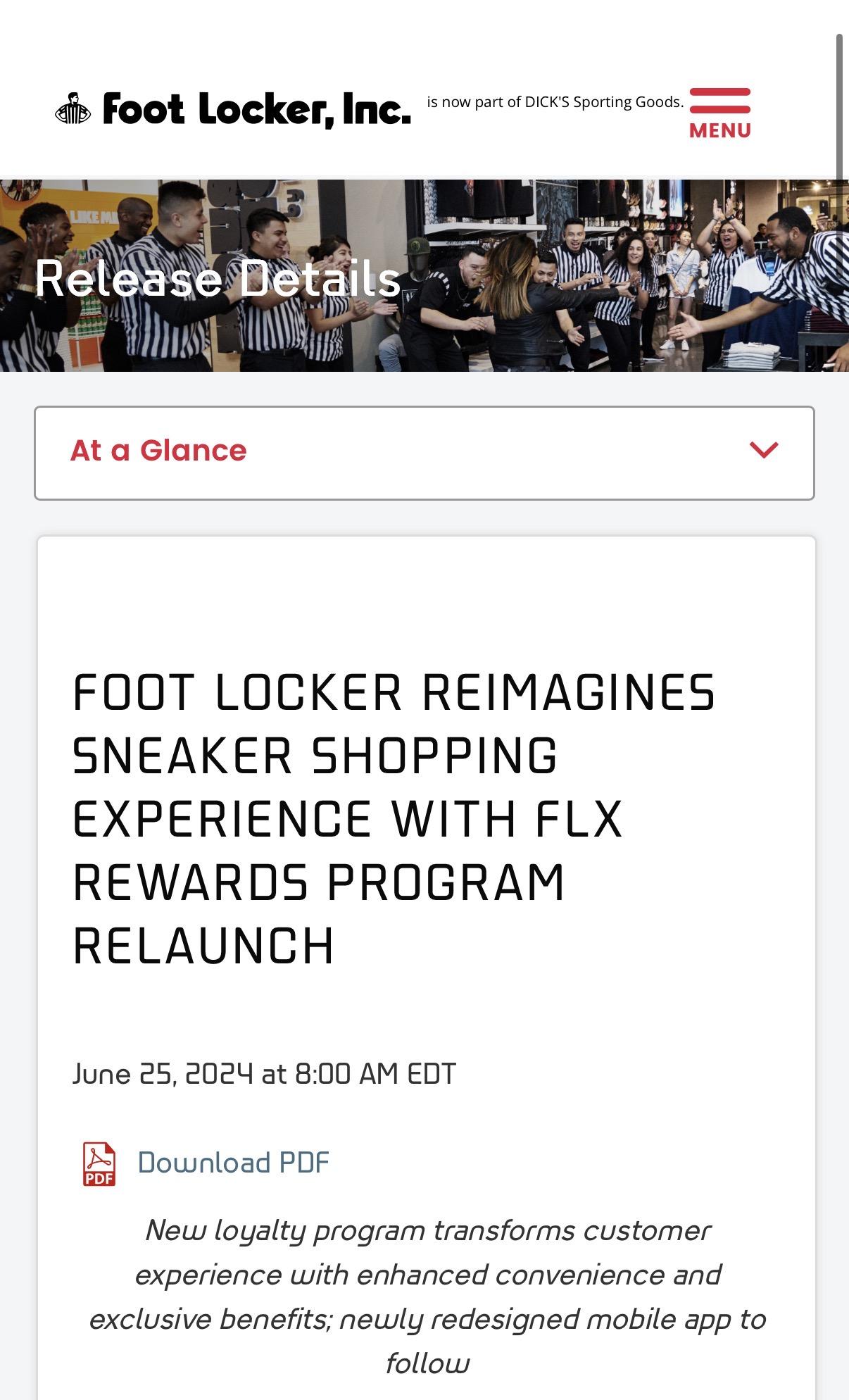
Foot Locker relaunched its FLX Rewards program in 2024 with benefits including points, discounts, priority access to sneaker launches, exclusive sales, member-only events, free returns, and other rewards. The company described the program as part of its strategy to create more sustainable growth.
A customer who simply walks into Foot Locker because Nike released a new shoe can leave as soon as another retailer offers the same product. A customer who has an FLX account, receives exclusive offers, accumulates rewards, and expects priority access has more reasons to return specifically to Foot Locker.
The company also gains something valuable in the process: information about its customers. Foot Locker's privacy policy states that FLX collects information including names, email addresses, dates of birth, ZIP codes, and other information associated with the program. That is an example of first-party data, meaning information a company collects directly from its customers through its own relationship with them. First-party data matters because it reduces a business's dependence on another company to understand its audience. Nike can know who buys Nike products, but Foot Locker needs to know who chooses Foot Locker.
That distinction becomes increasingly important in an environment where companies have less control over social media algorithms, advertising platforms, search rankings, and supplier decisions. The same strategy works for smaller businesses.
A creator can use TikTok or Instagram to reach new people, then encourage those people to join an email list. A restaurant can use delivery platforms to attract new customers, then create a loyalty program that encourages direct visits. A consultant can use LinkedIn to generate attention, then build an email audience and direct relationships with potential clients. The outside platform still has value, but the mistake is letting the platform remain the only connection between you and your customer.
Nike helped create demand for products Foot Locker sold. But when Nike changed its distribution strategy, Foot Locker needed its own customer relationships, product assortment, loyalty program, and brand identity to compensate. The business was moving from relying on someone else's customers to building customers of its own.
Foot Lockers Time is up
Foot Locker's story ultimately follows a simple progression.
First, the company benefited from access to products and customers created by a powerful brand. Then Nike's direct-to-consumer strategy showed how vulnerable that relationship could become. That forced Foot Locker to think more seriously about diversification, its own brand, customer loyalty, and the relationships it could control.
This does not mean that businesses should shy away from building partnerships. Partnerships can be one of the fastest ways to grow. A supplier can give you products. A social platform can give you reach. A marketplace can give you customers. An influencer can introduce your brand to an audience you could never reach on your own. The problem begins when the partner becomes more valuable to your customers than your business is.
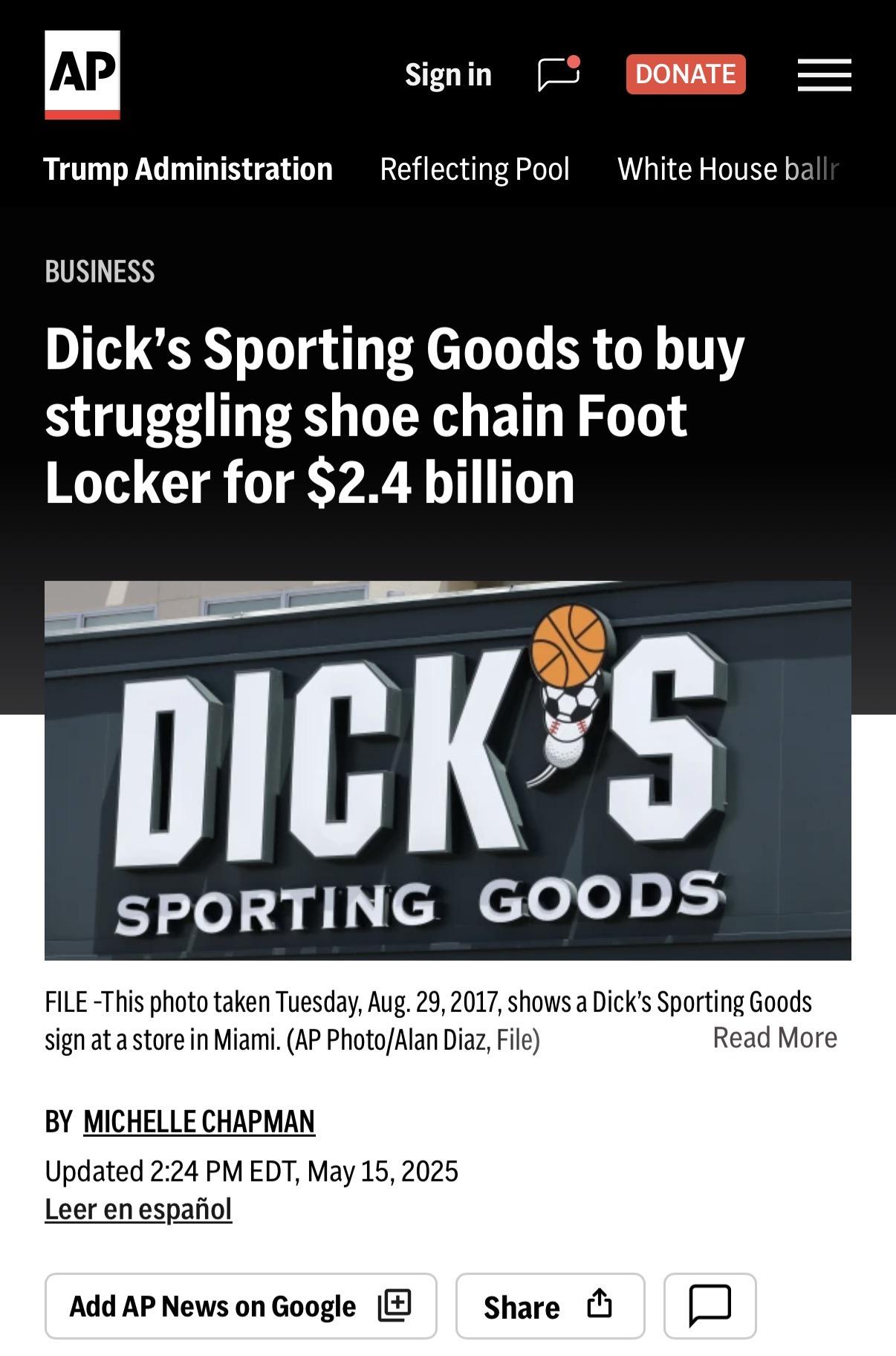
Foot Locker's eventual sale to Dick's Sporting Goods for about $2.4 billion in 2025 also shows how significant the consequences became. Foot Locker had once been valued at roughly $9 billion, and the retailer had spent years dealing with the consequences of changing brand relationships and shifting consumer behavior.
Interestingly, the story has continued to evolve. Nike has since moved back toward wholesale partners as part of its turnaround, meaning the relationship between Nike and Foot Locker is no longer moving in only one direction.
You cannot build your business strategy around assuming a partner will always behave the way it does today, you need something you control.
Your brand. Your customer relationships. Your data. Your community. Your expertise. Your loyalty program. Your direct sales channel. Those assets can survive when another company changes its strategy.
Takeaway
Getting customers is important, but it is only the beginning.
Foot Locker shows what can happen when a business has access to millions of customers without having enough control over why those customers choose it. Nike's products created much of the demand. When Nike changed how it sold those products, Foot Locker had to work harder to build value that belonged to Foot Locker itself. That creates a broader lesson for any business owner.
Use other companies, platforms, and partnerships to help you acquire customers. Then turn that attention into a direct relationship. Because the strongest businesses don't simply have customers. They have customers who have a reason to stay.