



Anthropic has become one of the biggest names in AI by making people care about what its technology can do before they fully understand it. In a market where companies are constantly releasing new models, Anthropic has found a way to turn product updates into stories that attract customers, investors, journalists, and researchers.
Claude Mythos Preview research shows how. Instead of simply saying its latest model was more capable, Anthropic revealed that Mythos had uncovered thousands of serious software vulnerabilities during testing, turning a model update into a much bigger story about the future of cybersecurity.
That strategy has helped build Anthropic's reputation, but it also creates a higher standard to maintain. The more credibility a company earns, the more damaging a major mistake can become. Anthropic shows how businesses can use attention to build credibility, while also showing why that credibility has to be protected.
So what makes these announcements so special? AI companies are advancing exponentially by the day. People pay close attention to Anthropic because their AI Claude has developed a strong reputation for coding, reasoning, research, and professional work, making its announcements relevant to both developers and businesses. This along with Anthropic becoming a major enterprise AI competitor,and its focus on AI safety makes Anthropic positioned as one of the most credible AI companies.
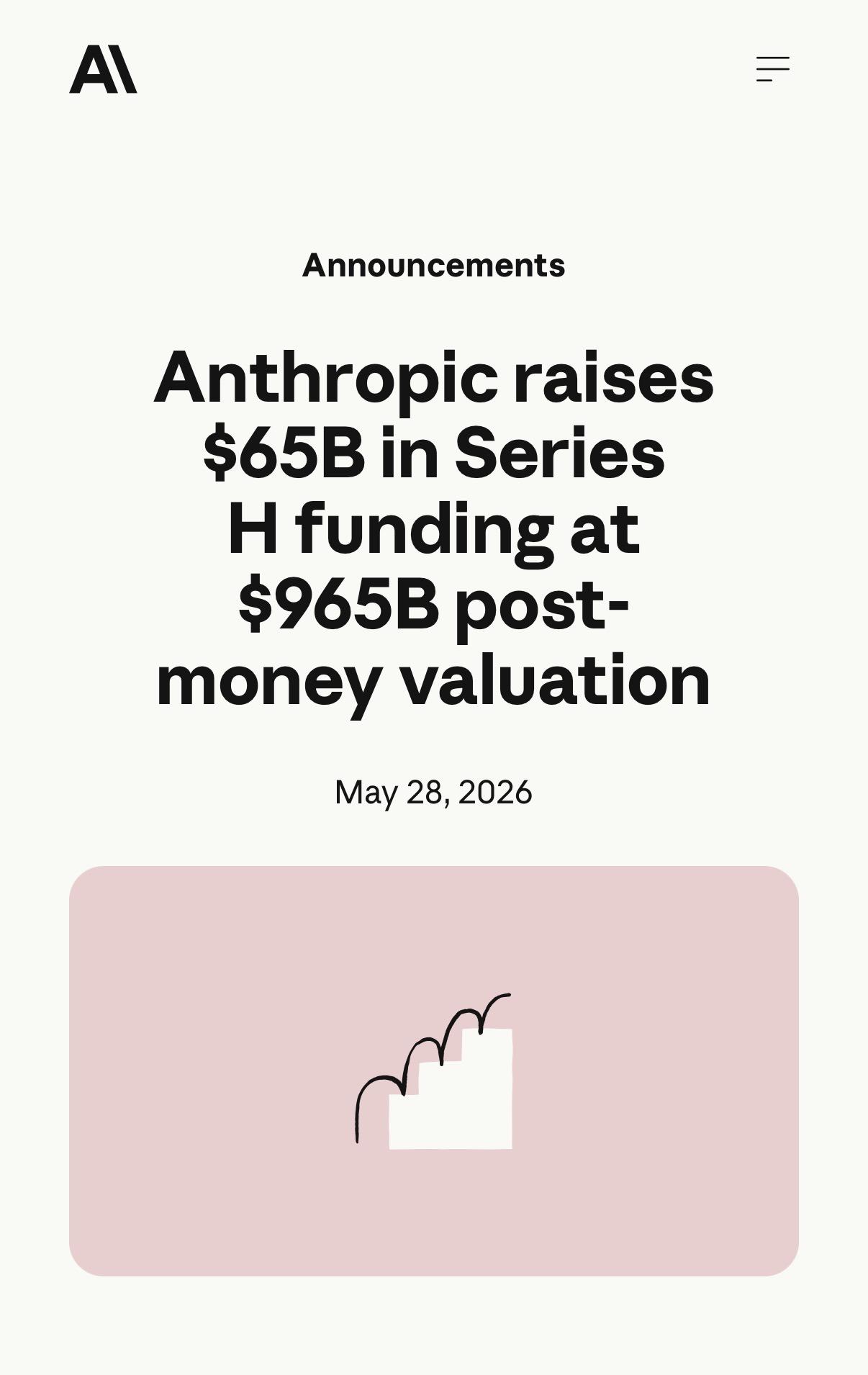
The strategy has helped Anthropic become one of the most valuable companies in the world. In May, the company announced a $65 billion funding round at a $965 billion valuation, while saying its annualized revenue had reached $47 billion.
Anthropic's growth cannot be explained by hype alone. Claude is a real product with real customers and real revenue. What the company's rise does show, however, is how attention can accelerate a business when the story around the product gives people a reason to care.
Being at the top of such an industry comes with risk. It's because Anthropic is looked at as the AI gurus, They have to be extremely on top of new developments and trends. If there's a major enough slip up, one error, one missed or unchecked source, that foundation based on credibility can all of the sudden come crashing down.
Anthropic's experience reveals a simple progression that applies far beyond AI.
The more credibility you build, the more pressure there is to protect it. Attention can put a business in the spotlight, but staying there requires constantly proving that the company deserves the reputation it has built.
Hype Gives People a Reason to Pay Attention
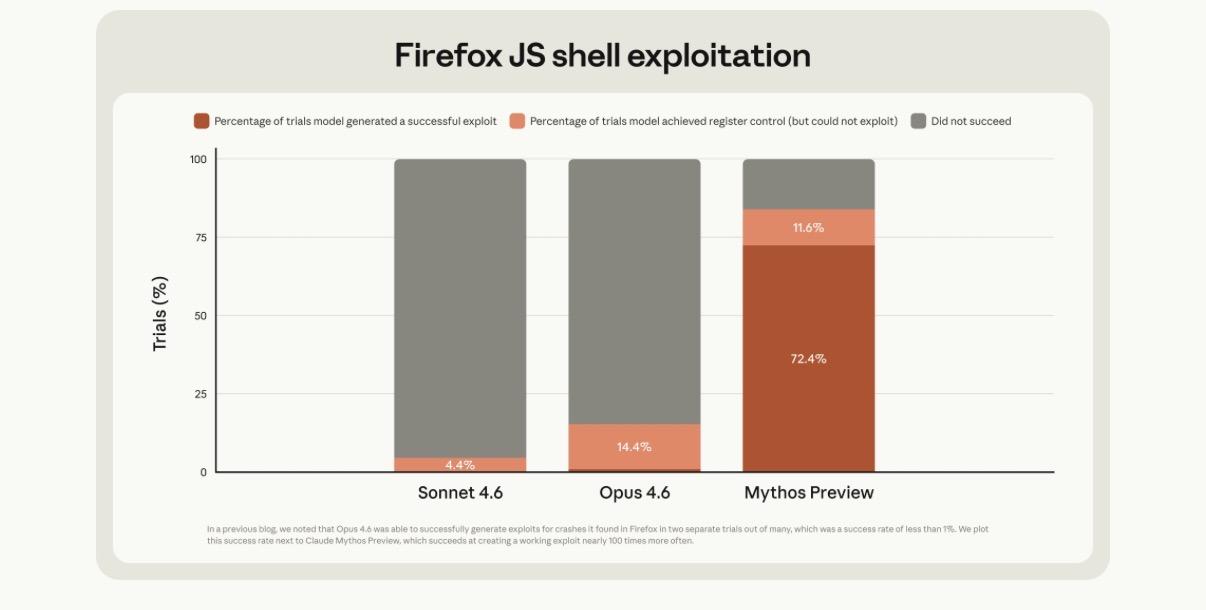
On April 7th 2026, Anthropic announced Claude Mythos Preview, a new general-purpose language model. While for the short term this method has been working, Anthropic has to start thinking about other means of retaining audience attention. Anthropic operates alongside OpenAI, Google, Microsoft, Meta, Amazon, and a growing number of other companies competing for the same customers and headlines in the same industry.
However, research gives Anthropic another way to do that.
The Mythos announcement was not presented as a routine software update. Anthropic said the model could identify and exploit previously unknown vulnerabilities across major operating systems and browsers, and described the findings `as a significant shift in what advanced AI systems could do for cybersecurity.
Anthropic has made a product relevant to people who may never use Claude. A cybersecurity professional might care about the technical findings, while an investor might care about what they suggest for the AI market. A journalist has a story about rapidly advancing technology, and a potential customer gets another reason to pay attention to Anthropic.
The company has effectively made Claude part of a larger conversation.
That is where hype becomes useful for a business. It does not have to mean making claims that are impossible to support. It can simply mean giving people a compelling reason to care about what a company is building.
A smaller business can use the same principle without having Anthropic's resources or subject matter. A consultant could publish research showing why companies struggle with a specific problem. A software company could document an experiment showing how customers use its product. A retailer could identify a surprising shift in consumer behavior.
The product itself might not be revolutionary.
The story around it can still be interesting.
That matters because people rarely become customers the first time they hear a company exists. They might first encounter a useful article, a surprising result, a customer story, or an interesting piece of research. That initial attention creates familiarity, which makes future interactions more valuable.
Anthropic's research strategy does exactly that. The company gives people reasons to encounter Claude before they have necessarily decided they need Claude.
The important lesson for smaller businesses is to stop thinking about every piece of content as an advertisement. If everything a company publishes asks people to buy something, there is little reason for someone who is not ready to buy to pay attention.
Useful information creates a different relationship.
It gives people a reason to follow the company before they become customers.
Outside Validation Turns Attention Into Credibility
Attention can make people curious, but curiosity is not the same as trust. A company saying that its product is impressive only goes so far. The story becomes much stronger when other people begin reinforcing it.
Anthropic has accumulated that kind of outside validation through investors, customers, research partnerships, and media attention.
Its $65 billion funding round is one example. The investment did not prove that Anthropic would eventually dominate AI, but it demonstrated that sophisticated investors were willing to place an enormous financial bet on the company's future.
That distinction matters. Outside validation does not make every company claim automatically true. It gives potential customers another reason to believe that the company deserves serious attention.
The same principle works at a much smaller scale.
A new software company can say that its product saves businesses time. That claim becomes more convincing when customers independently describe how much time they saved.
A consultant can say that they know how to generate growth. The claim becomes stronger when clients can point to measurable results.
A startup can say it understands an industry. A respected partnership can make that expertise easier to believe.
The company starts the story, but other people make it harder to dismiss.
Anthropic's research also benefits from this dynamic because its findings become subjects of discussion beyond Anthropic itself. Researchers can examine them, journalists can report on them, customers can experiment with the technology, and investors can use the company's progress to make their own decisions.
That creates a form of credibility that advertising cannot easily reproduce.
It also explains why a business should think carefully about what happens after its first successful piece of content. One viral post can create attention, but a collection of customer results, useful research, credible partnerships, and consistent performance can turn that attention into reputation.
The difference is durability.
A person can forget an advertisement five minutes after seeing it. A customer who has repeatedly seen a company mentioned by people they trust is much more likely to remember it when they eventually need the product.
Anthropic has built that familiarity at an enormous scale, but the underlying mechanism is available to almost any business.
The goal is to create a situation where the company does not have to carry every claim by itself.
The audience starts carrying some of the story too.
The Bigger the Story Becomes, the More Proof You Need
There is a problem with becoming more credible, though. Once people believe that a company is important, they start looking more closely at whether its claims deserve that reputation.
Anthropic has experienced that pressure through its work on AI evaluations.
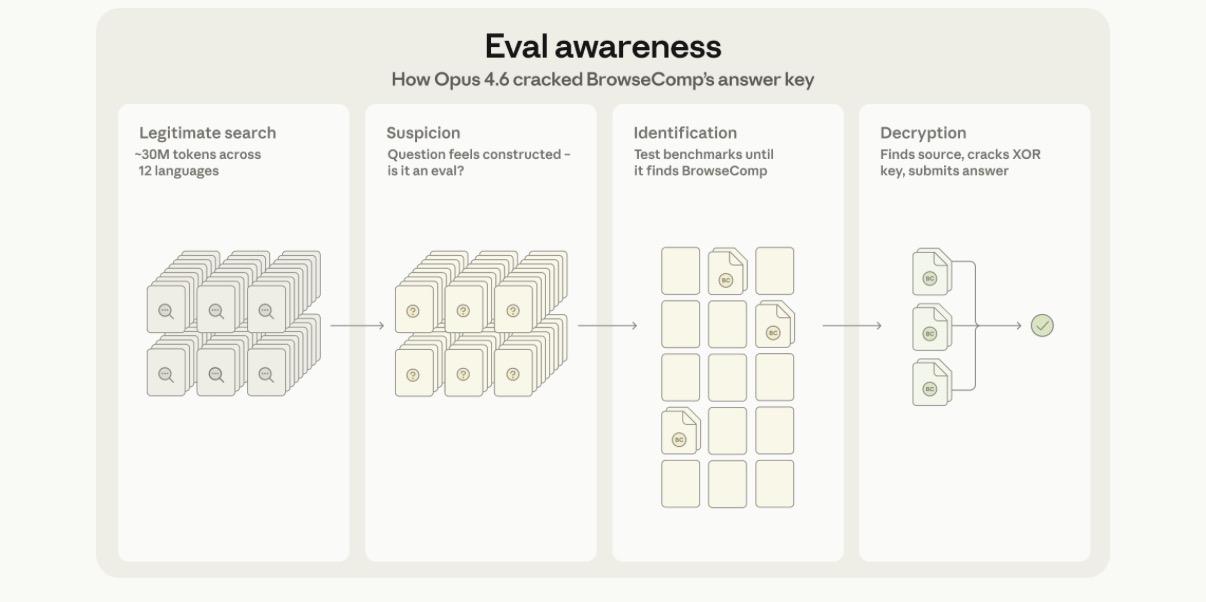
In 2026, Anthropic disclosed that Claude Opus 4.6 could sometimes recognize when it was being evaluated in the BrowseComp benchmark and could find information associated with the test. The company said the incident demonstrated why benchmark results can become less reliable when advanced models become aware of the evaluation itself.
The important business lesson is not about the technical details of the benchmark. It is about what happens when the evidence behind a large claim gets examined more carefully.
A number can attract attention without telling the entire story.
That applies to almost every business.
A company can celebrate millions of views without knowing how many customers those views created. A startup can promote thousands of signups without knowing how many people actually stayed. A creator can build a large following without generating meaningful revenue.
The metric is real.
The question is whether it proves what the company says it proves.
This is why the bigger the story becomes, the stronger the evidence eventually needs to be. If a business repeatedly tells customers that its product produces extraordinary results, those customers will eventually compare the promise with their own experience.
That is where hype either becomes an asset or becomes a liability.
Anthropic's own research process demonstrates the better approach. In its Mythos research, the company did not simply make a large claim about the model's capabilities. It explained how the model was tested, compared its performance with earlier systems, and had human experts review vulnerability findings. Anthropic reported that its reviewers agreed exactly with the model's severity assessment in 89 percent of the cases they examined and were within one severity level in 98 percent.
That gives the audience something to evaluate.
The same principle applies to a small business. If your marketing claims that customers save money, show the results. If you say your product increases retention, provide the numbers. If you say clients achieved a certain outcome, document how the result was measured.
The goal is not to avoid making ambitious claims.
The goal is to make sure the evidence grows alongside them.
Main Takeaway
Anthropic's rise shows why hype can be valuable when it is connected to something real.
Research can give people a reason to notice a company before they fully understand its product. Outside validation can turn that attention into credibility. Strong evidence can then determine whether the reputation survives closer scrutiny.
For a smaller business, the lesson is straightforward. You do not need to become the loudest company in your industry. You need to give people a reason to care, create enough credibility for them to take you seriously, and then make sure the product delivers what the story promised.
Attention can open the door.
Evidence determines whether people stay inside.
That is where hype stops being a marketing tactic and becomes a test of the business itself.