



Intro
Most business owners assume the best AI model is also the most expensive one. But as the AI market becomes more competitive, that's no longer always true .
Companies like Z.ai, DeepSeek, and Qwen are offering powerful AI models at significantly lower costs than many leading US models. For startups and small businesses, this creates an important opportunity: choosing the right Ai tool can save thousands of dollars without sacrificing the results that actually matter.
Lower Prices Make AI More Accessible
For many small businesses, cost is one of the biggest barriers to adopting AI. As lower cost models become available, more startups can experiment with AI without making major financial commitments.
One of the biggest reasons Chinese AI models have gained attention is price. According to industry comparisons, Z.ai’s GLM 5.2 model costs about one quarter the price of similar US models. Models like DeepSeek and Qwen have also been known for offering strong performance while charging significantly less for API usage. For startups making thousands or even millions of AI requests every month, those savings can quickly add up. Lower prices reduce the risk of experimenting with AI. Businesses can test new ideas without worrying that every API request will dramatically increase their costs.
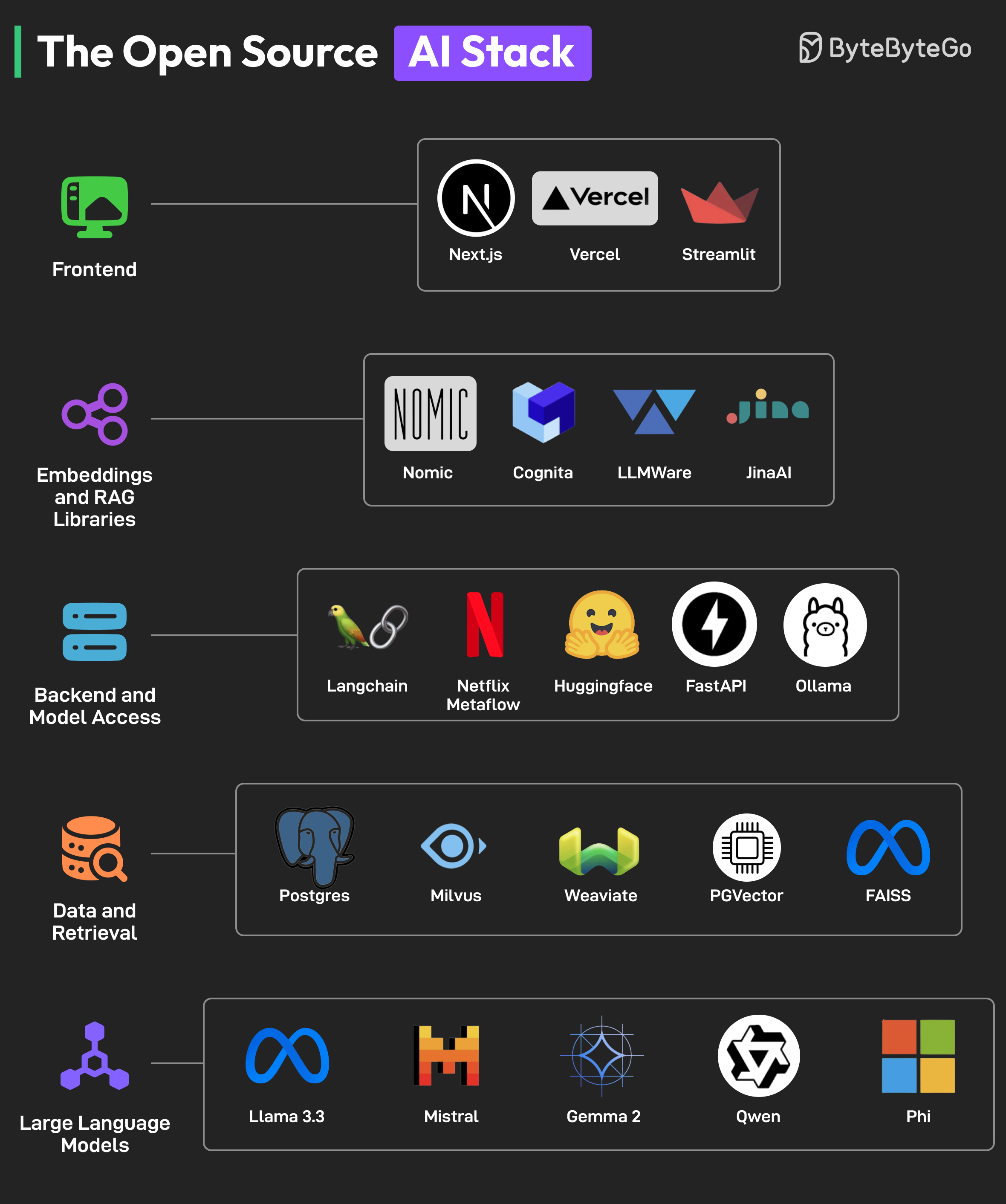
Many Chinese AI models are also open weight or open source, meaning businesses can download and host the models themselves instead of paying recurring subscription or API fees. While self hosting requires more expertise, it gives companies greater control over their data, costs, and infrastructures. For business with the right technical resources, this can be much cheaper over time than relying entirely on paid cloud services. The best AI strategy isn't always paying for the most expensive subscription. Sometimes owning more of your technology creates greater flexibility and long term savings.
The US Small Business Administration notes that lower AI costs make automation more realistic for smaller companies with limited budgets. Instead of viewing AI as something only large companies can afford, entrepreneurs can begin using it for customer service, marketing, scheduling, content creation, and other everyday tasks without making a massive investment. Affordable AI helps level the playing field. Small businesses can now access tools that were once only practical for much larger companies.
The best technology isn't always the most expensive. Choosing a lower cost AI model can free up money to invest in hiring, marketing, product development, or other areas that help a business grow.
Choose the AI That Fits The Job
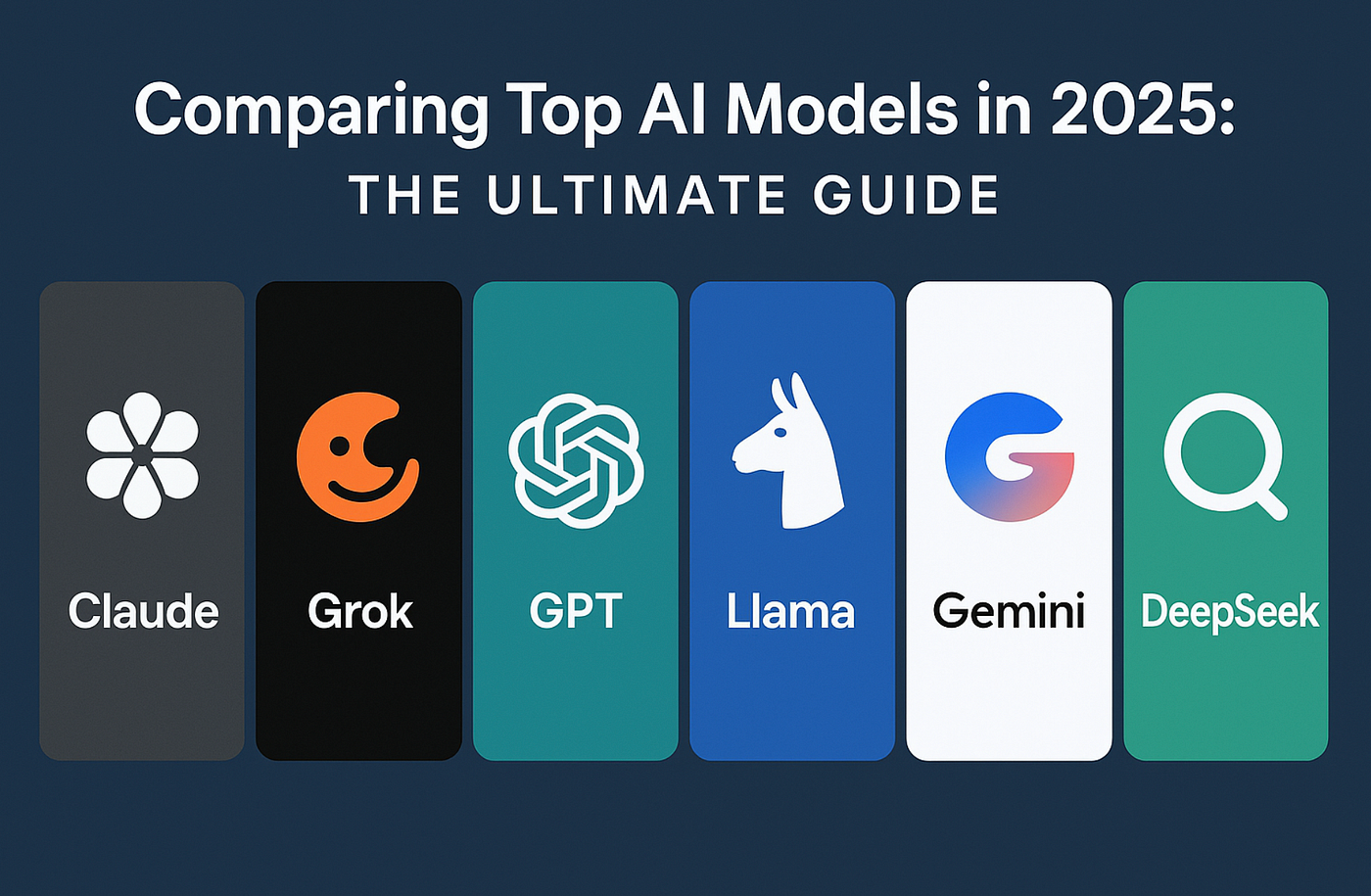
No single AI model is the best at everything. Businesses should choose AI based on the specific problem they're trying to solve rather than simply picking the most recognizable brand.
MIT Sloan recommends starting with the business problem instead of the technology. Before choosing an AI model, companies should identify exactly what they want to improve, whether that's writing marketing content, analyzing documents, assisting customers, translating information, or generating code. Beginning with the problem makes it much easier to select the right tools and avoid paying for features that aren't necessary. Technology should always support a business goal. The problem comes first, the AI model comes second.
Different AI models excel at different tasks. Some perform especially well at coding, while others are stronger at translation, document analysis, customer support, or content generation. Rather than assuming one model is superior in every situation, businesses can often achieve better results by matching the model strength to the work they need to be completed. Choosing AI is similar to hiring an employee. The best choice depends on the job you're asking it to do.
As more AI models enter the market, businesses have more opportunities to compare costs, speed, accuracy, and overall performance before making a decision. A startup that primarily needs customer support may choose a different model than the one focused on software development or research. Comparing options instead of automatically selecting the most well known platform often leads to better long term value. Brand recognition doesn't always equal the best solution. Businesses often save money by choosing the model that best fits their specific needs.
The strongest AI strategy begins with understanding the problem you're trying to solve. When companies match the right model to the right task, they often improve results while spending less money.
Cheap AI only creates value when it's used well
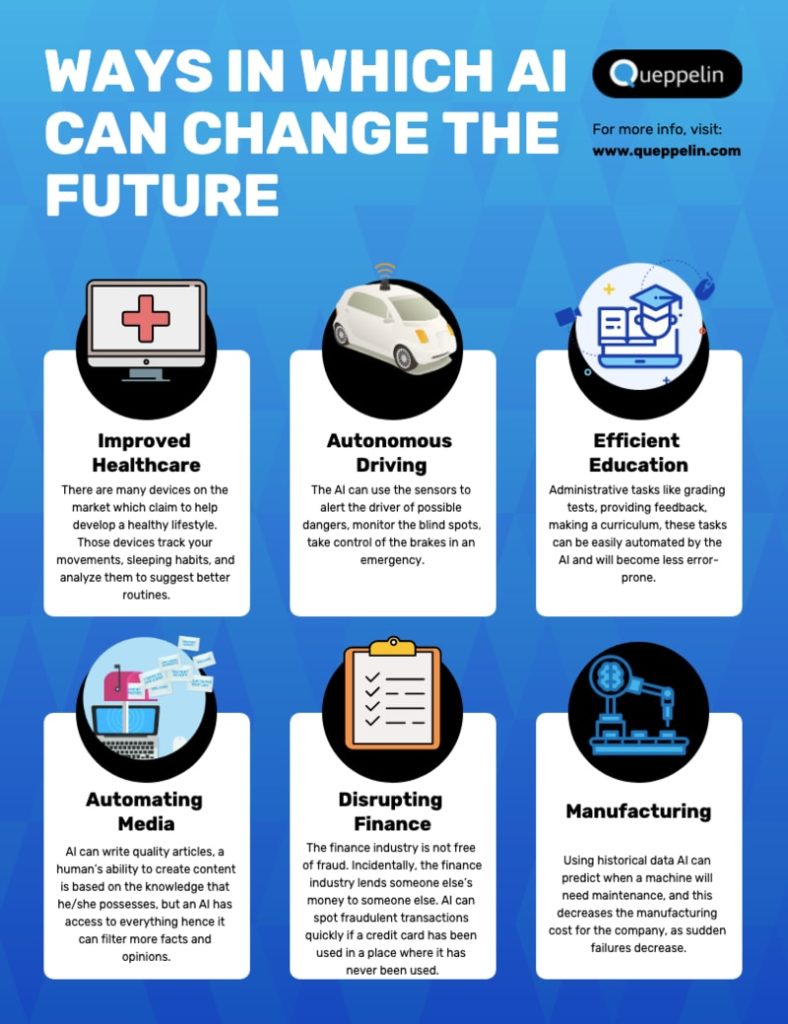
Saving money is important, but low prices alone don't create a successful business. AI only becomes valuable when it's implemented thoughtfully and delivers measurable improvements.
The small business administration recommends introducing AI gradually instead of trying to automate everything at once. Businesses can begin with repetitive tasks like customer support, scheduling, marketing content, or document summaries before expanding AI into more complex areas. Starting small allows companies to learn what works while minimizing unnecessary risks. Small improvements often create the biggest long term impact. Businesses don't need to transform overnight to benefit from AI.
BizTech Magazine also recommends running small pilot projects before rolling AI out across an entire organization. Companies should measure time saved, productivity improvements, or other meaningful business outcomes while training employees to use the technology effectively. Those results help leaders decide whether expanding AI is actually worth the investment. Testing AI before making a large investment leads to smarter decisions. Measuring results is more valuable than simply following industry trends.
The center for strategic and international studies notes that businesses should evaluate more than just price when choosing an AI model. Security, data privacy, regulatory compliance, reliability, and long-term support all play an important role in determining whether a model is the right fit. An inexpensive AI system can quickly become costly if it creates security risks or fails to meet business needs. Prices are only one part of the decision. The best AI investment balances affordability, performance, security, and long term reliability.
Affordable AI creates opportunities, but implementationDetermines success. Businesses should focus on solving real problems, measuring results, and choosing tools to create lasting value instead of simply selecting the cheapest option.
Main Takeaway
Cheap AI can help businesses grow faster, but choosing the lowest price model isn't always the goal. The biggest advantage comes from selecting the right AI for the right job, implementing it carefully, and making sure it delivers measurable value. Companies that focus on solving business problems, not simply chasing the newest technology, will make the smartest AI investments.
Looking ahead
Personally, I think AI is becoming much more competitive, and that's good news for business owners. As more companies release powerful, lower cost models, success will depend less on choosing the most expensive platform and more on choosing the one that provides the best value. In the long run, businesses that prioritize results over brand names will likely get the most from their AI investments.