

What if you could start a business with just $20?
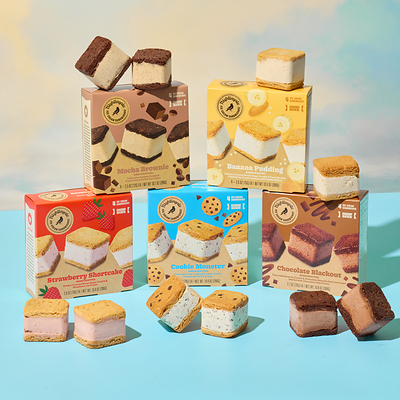
That’s exactly what Hannah Pollack and her husband, Xavier Meers, did when they started Nightingale Ice Cream Sandwiches. What began as a homemade dessert at a restaurant eventually became a brand bringing in around $3 million a month.
But Nightingale didn’t grow because its founders had a huge budget or a detailed business plan. They started with a product customers already wanted, used their early sales to make more, and gradually built the business from there.
Start Small and See If Customers Will Pay
In 2016, Hannah Pollack was working as a chef when she made a homemade ice cream sandwich for the restaurant’s menu. The dessert featured freshly baked cookies and ice cream made from scratch, and customers loved it.
Soon, people weren’t just ordering the sandwiches with their meals. They were asking if they could buy extras to take home.
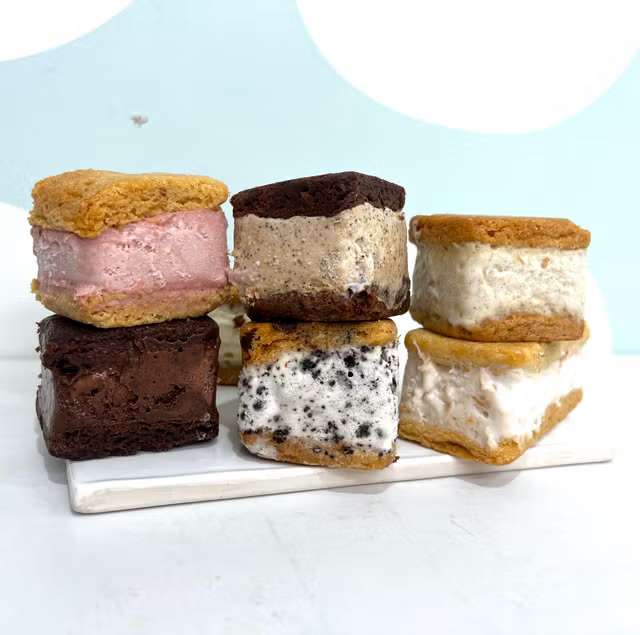
Pollack and her husband, Xavier Meers, saw an opportunity. Rather than immediately opening a shop or investing thousands of dollars in equipment, they decided to test whether people would actually buy the sandwiches outside the restaurant.
They spent just $20 on ingredients to make 20 ice cream sandwiches. Once those sold, they used the money to make another batch.
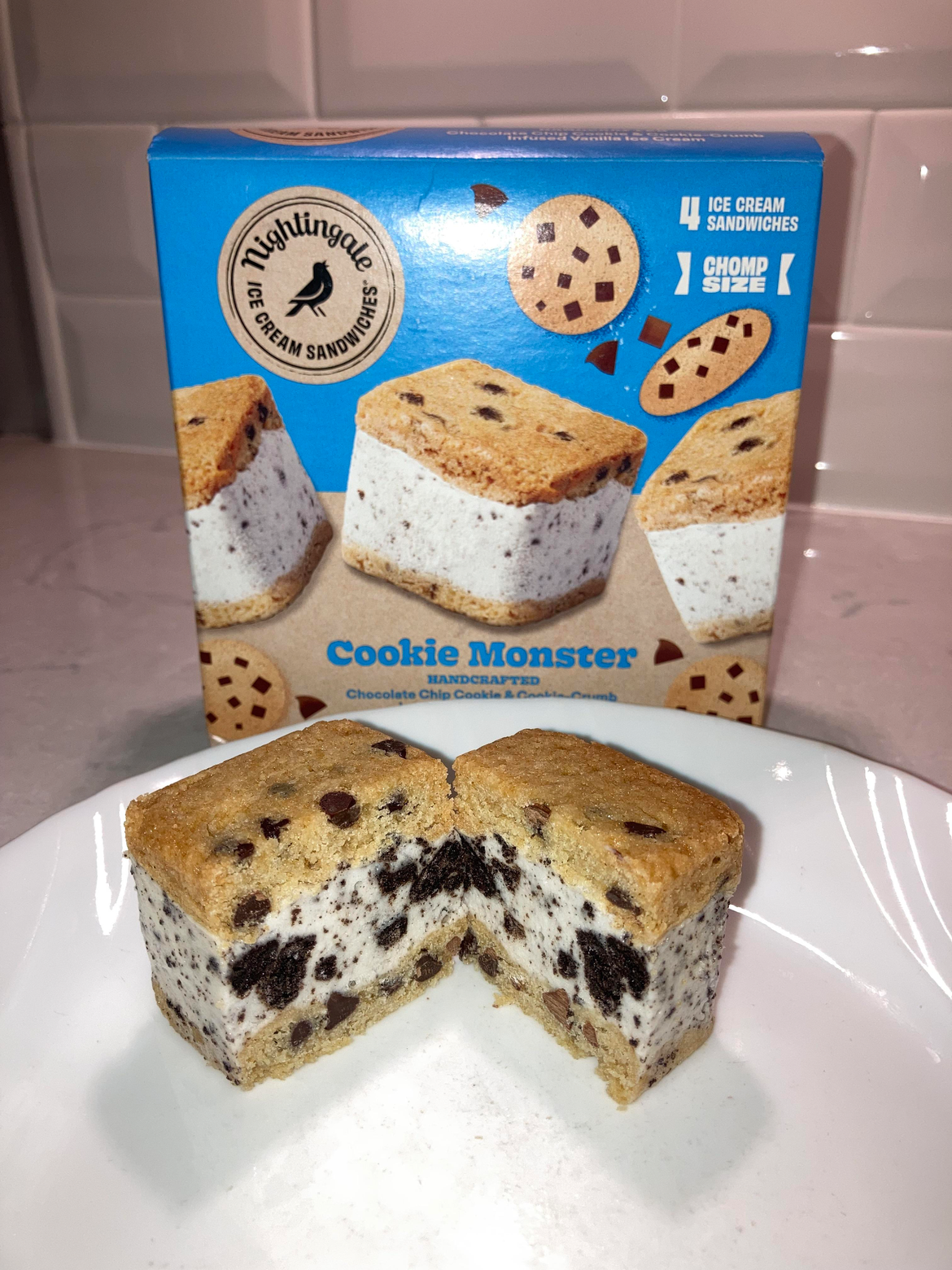
The couple didn’t start with plans to build a national ice cream company. They simply noticed that customers liked what they were making and wanted more of it.
That distinction matters. It’s easy to assume an idea will be successful because friends, family, or potential customers say they like it. But someone actually spending money on a product is a much stronger sign of demand.
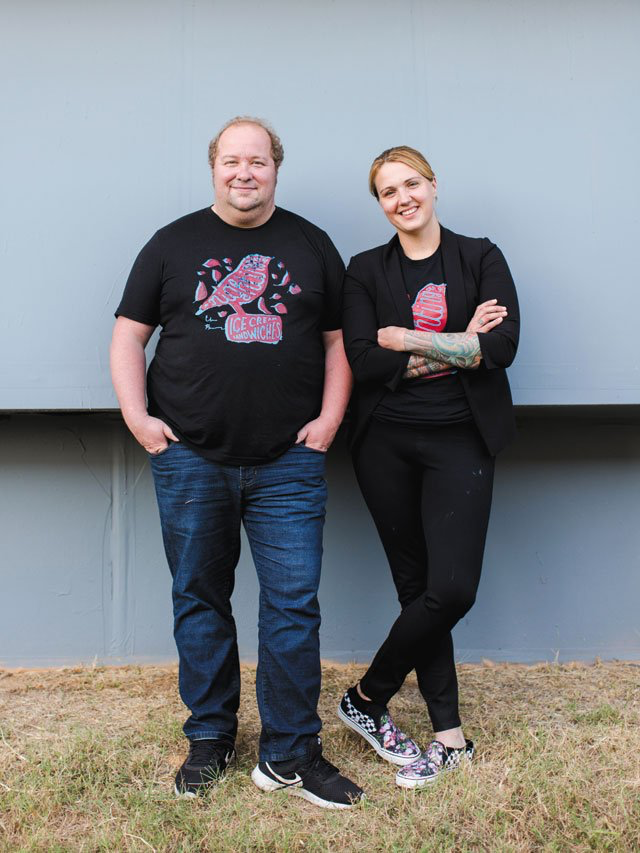
Nightingale’s first batch didn’t prove that the company would eventually make millions. It did prove that people were willing to pay for the sandwiches, which gave the founders a reason to keep going.
And once those first customers started buying, the next challenge was figuring out how to make enough sandwiches to meet demand.
Use Early Sales to Fund the Next Step
Instead of taking the money from their first sales and spending it elsewhere, Pollack and Meers put it back into the business.
They bought more ingredients, made another batch, sold those sandwiches, and repeated the process.
As orders increased, they gradually purchased equipment that would help them produce more.
But the business wasn’t an overnight success. Both founders were still working full time restaurant jobs while trying to keep up with orders.
Pollack would wake up around 4 a.m. to make sandwiches before heading to work as a chef. Meers would pick up the finished products and make deliveries between his lunch and dinner shifts. After work, Pollack would return to making more sandwiches.
It was exhausting, but it allowed them to keep building the business without needing to fund an entire operation upfront.
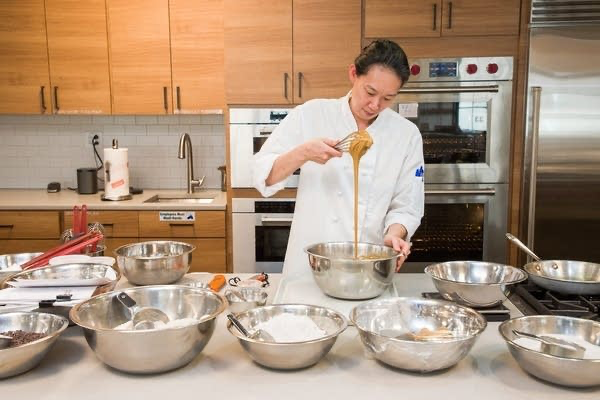
As customers continued ordering, the couple invested in more equipment. An April 2016 report from WTVR noted that Pollack had recently purchased another ice cream maker and freezer to keep up with demand.
Rather than buying expensive equipment and hoping enough customers would eventually show up, they were purchasing what they needed as the business grew.
Within approximately six months, Nightingale was generating consistent monthly revenue. By the end of its first year, the company had made around $50,000 in sales.
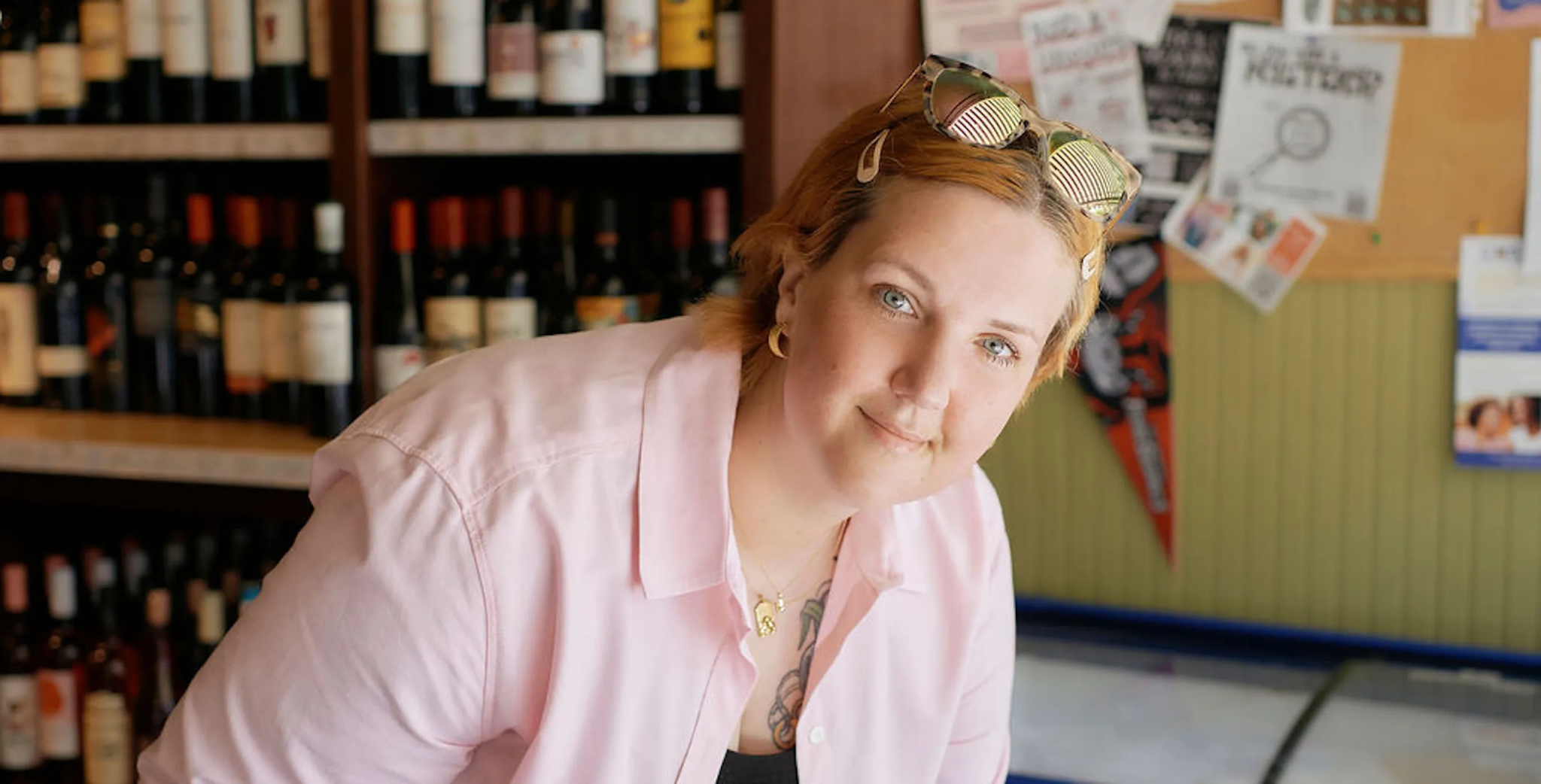
That money didn’t mean the founders could stop working or immediately enjoy the profits. Much of it went toward keeping the business running and preparing for more orders.
For a small business, early revenue can be more valuable when it’s used to build something sustainable. One successful batch can fund the next, and continued sales can eventually pay for equipment, staff, or additional production space.
For Nightingale, that approach helped turn a side hustle into a growing operation. Eventually, though, demand became too large to manage with the same small scale setup.
Let Proven Demand Guide Bigger Investments
As Nightingale gained more customers, the founders needed to figure out how to produce ice cream sandwiches on a much larger scale.
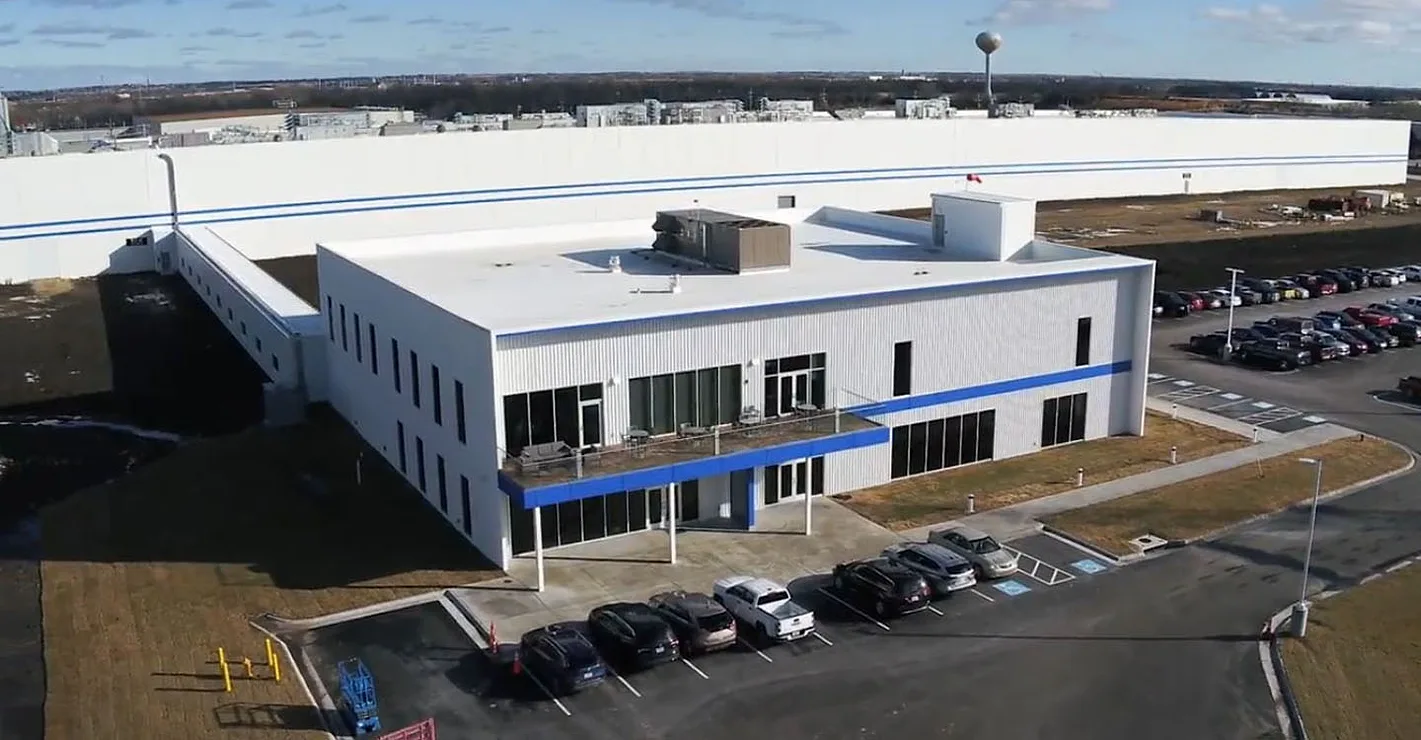
The company eventually moved beyond its original restaurant kitchen setup and developed its own production capabilities.
By 2023, Nightingale was producing as many as 125,000 ice cream sandwiches per week, according to Axios Richmond. Earlier in its growth, production had been closer to 1,200 per week.
But selling to major retailers came with challenges that didn’t exist when the founders were making a few dozen sandwiches at a time.
During an early Walmart opportunity, Nightingale prepared an entire truckload of its smaller Chomp sandwiches. Then the team discovered that the shipping cases were missing required date labels.
The founders had to unpack the cases and correct the labeling before the order could ship.
It was a reminder that making a product people love and running a large food business are two different things. Bigger orders required better systems, more equipment, and attention to details that weren’t as important during the company’s earliest days.
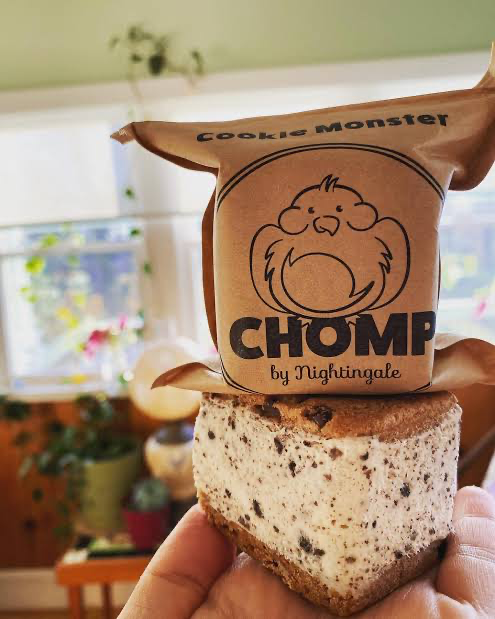
Still, the company continued expanding.
By November 2025, Nightingale products were sold in more than 5,550 retail locations, including major retailers such as Kroger, Whole Foods, Costco, and Target.
The company’s revenue followed that growth. Nightingale reached its first $1 million revenue month in 2024, followed by its first $2 million month in 2025. By 2026, the brand was bringing in around $3 million a month.
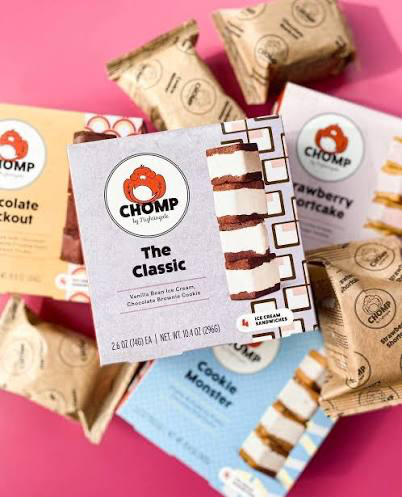
That growth took roughly a decade. Nightingale didn’t jump from a $20 investment to millions in sales overnight.
The founders started with a small test, used their earnings to improve production, and made larger investments as demand continued growing. The same approach can work on a smaller scale. A business doesn’t necessarily need to buy every piece of equipment, hire a full team, or build a large inventory before making its first sale.
Sometimes, the better option is to start with what you can afford, see what customers actually buy, and let those results guide your next investment.
Main Takeaway
Nightingale Ice Cream Sandwiches started with just $20, but the founders didn’t need that money to build the entire business. They only needed enough to make their first batch and find out whether customers would buy it.
Once they had paying customers, they used the money to make more sandwiches, purchase equipment, and gradually increase production. Years later, that same business was generating around $3 million a month.
The lesson is simple. You don’t need enough money to build your entire business on day one. Start with something people are willing to pay for, use those sales to fund your next step, and grow as demand increases.