



The Rise of Flappy Bird
Most founders think the biggest obstacle to growth is not having enough money for marketing. Flappy Bird proved that isn't always true.
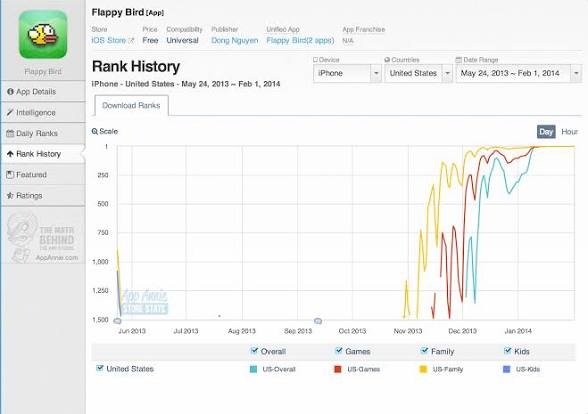
The game became one of the biggest mobile hits in history without celebrity endorsements, paid advertising, or a large company behind it. Instead, it grew because the product itself gave people a reason to keep playing and keep sharing.
Here's what made Flappy Bird explode, and what business owners can learn from it.
Growth Takes Longer Than People Think
Some of the most successful products don't become overnight successes. Instead, they quietly build momentum until that momentum compounds into rapid growth.
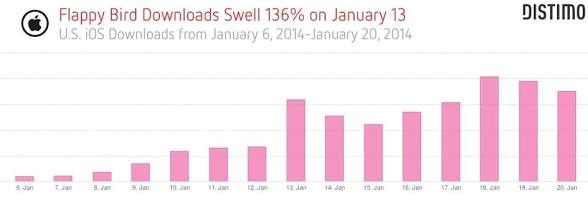
Flappy Bird launched in May 2013, but it didn't become a global phenomenon until January 2014. For roughly eight months, developer Dong Nguyen continued improving the game while a relatively small group of players discovered it and shared their experiences online. Every new player created another opportunity for someone else to find the game.
As downloads slowly increased, Flappy Bird climbed higher in Apple's App Store rankings. That visibility introduced the game to even more users, which generated more downloads and pushed it even higher. What looked like an overnight success was actually months of steady growth reaching a tipping point.
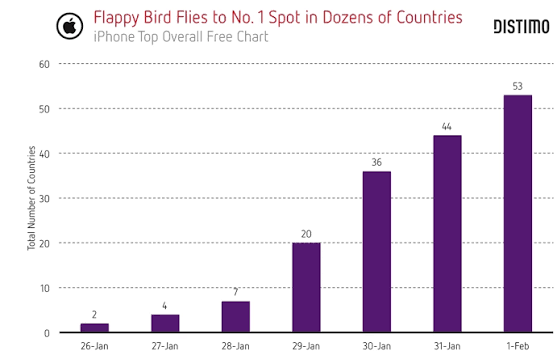
This shows that growth often compounds over time. Businesses frequently quit before momentum has a chance to build. Consistently improving your product and serving your early customers gives growth the opportunity to accelerate later.
Great Products Become Their Own Marketing
The best marketing often starts with the product itself. When people naturally want to talk about what they've experienced, every customer becomes another marketer.
Dong Nguyen didn't rely on expensive advertising campaigns to spread Flappy Bird. Instead, the game's design encouraged players to create its marketing for him. The controls were simple enough for anyone to understand within seconds, but the gameplay was frustratingly difficult to master.

That combination produced exactly what every business wants: conversation. Players constantly shared screenshots of their high scores, challenged friends to beat them, posted videos of failed attempts, and joked about how addictive the game had become. Every win, every loss, and every near miss became content.
Products grow faster when sharing is built into the experience. Whether it's a game, software, or a service, people are far more likely to recommend something that gives them a reason to start a conversation.
Momentum Creates More Momentum
Success often attracts even more success. Once a product gains enough traction, platforms begin helping it reach even more people.
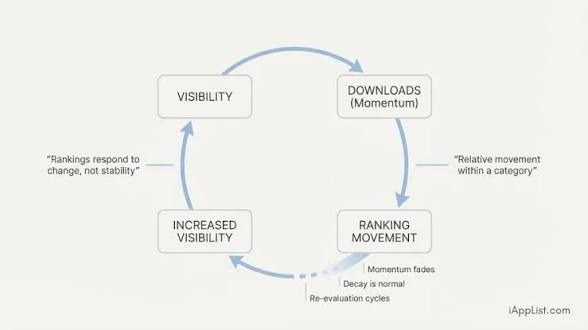
As Flappy Bird climbed the App Store rankings, Apple's recommendation system exposed it to more users. More visibility produced more downloads. More downloads improved its rankings. Better rankings created even more visibility.
This feedback loop turned steady growth into explosive growth. At its peak, Flappy Bird reportedly generated around $50,000 per day through advertising while becoming the number one free app in more than 100 countries.
This shows that momentum is one of the most valuable assets a business can build. Early traction creates opportunities that paid marketing alone often can't replicate, because platforms naturally reward products people are already engaging with.
Takeaway
Building a product people genuinely enjoy is often the first step toward sustainable growth.
Flappy Bird proves that businesses don't always need massive marketing budgets to succeed. Products that people naturally share create their own distribution, patient founders give momentum time to compound, and successful platforms reward products that are already capturing attention.
Business owners shouldn't only ask how they can market their product. They should also ask how they can build something people can't help but talk about.

Looking Ahead
Flappy Bird is one of the clearest examples that product design and distribution work together.
The game didn't become successful because it spent more than competitors. It became successful because it gave people a reason to play one more round, share one more score, and invite one more friend. Those small actions compounded over time into one of the biggest viral success stories in mobile gaming, and they're the same kinds of behaviors every business should aim to create.