



Borrowing can help a business grow faster, but every loan creates an expense that future growth has to support.
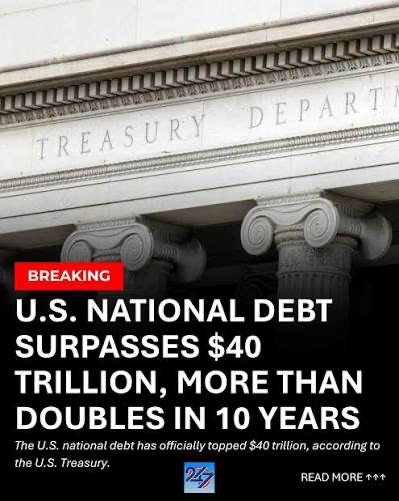
In August 2026, the U.S. national debt crossed $40 trillion, showing what can happen when debt and its costs continue building over time. A government and a small business operate very differently, but the situation highlights a useful lesson for business owners: debt works when the money borrowed creates more value than it costs.
The problem begins when debt payments grow faster than the cash the business is creating. And the biggest warning sign comes when a company needs new debt just to handle the obligations created by old debt.
Debt Can Help a Business Reach Growth Faster

Debt isn’t automatically bad. Businesses commonly borrow to buy equipment, increase inventory, hire employees, open locations, or develop new products.
The advantage is speed. Instead of waiting years to save enough cash, a business can invest now and use future earnings to repay what it borrowed.
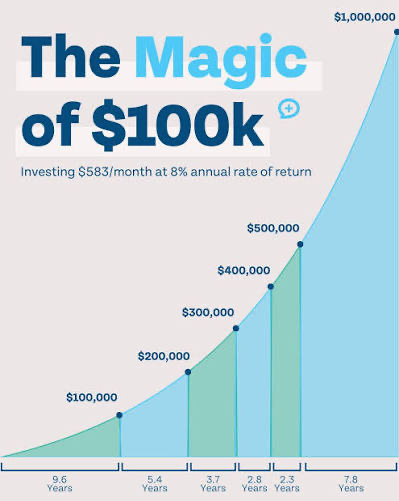
Imagine a company borrows $50,000 for equipment that eventually helps it generate $100,000 in additional profit. Even after paying interest, the business could be better off because the loan allowed it to take advantage of an opportunity sooner.
The important part isn’t the $50,000 it borrowed. It’s what that $50,000 produced.

The same logic applies to opening another location. A loan can give an owner the money to expand immediately, but the payments continue whether the new location succeeds or not.
If sales fall below expectations, the business is still responsible for the debt.

That’s why borrowing money doesn’t create growth by itself. The investment funded by the money has to create the growth.
Good debt helps a business create more value than it costs. But once a business borrows, it also has to make sure its growth can keep up with the new expense.
Growth Has to Outrun the Cost of Debt
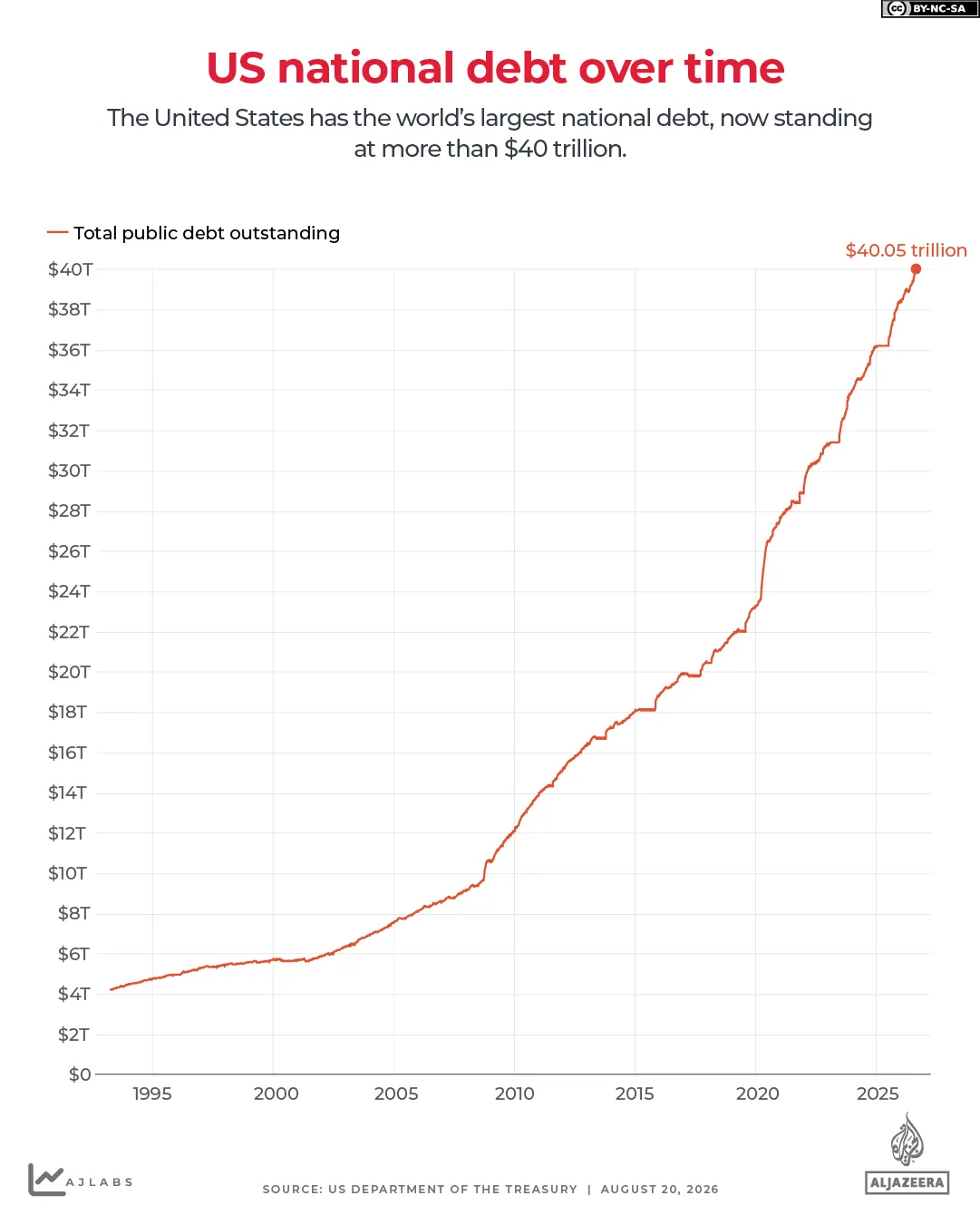
The U.S. debt situation shows why the size of an obligation isn’t the only thing that matters. As debt grows, so does the amount of money needed to support it through interest payments.
Businesses face a smaller version of the same problem. Every loan adds principal, interest, and potentially fees that have to come out of future cash flow.
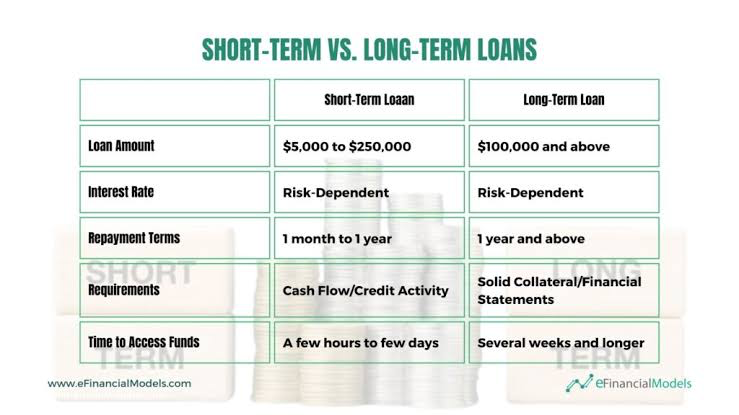
How the debt is structured matters too. Short-term loans can put more pressure on cash flow because the business has less time to repay the same amount.
An investment may eventually become profitable, but that doesn’t help if the company runs out of cash before it gets there.
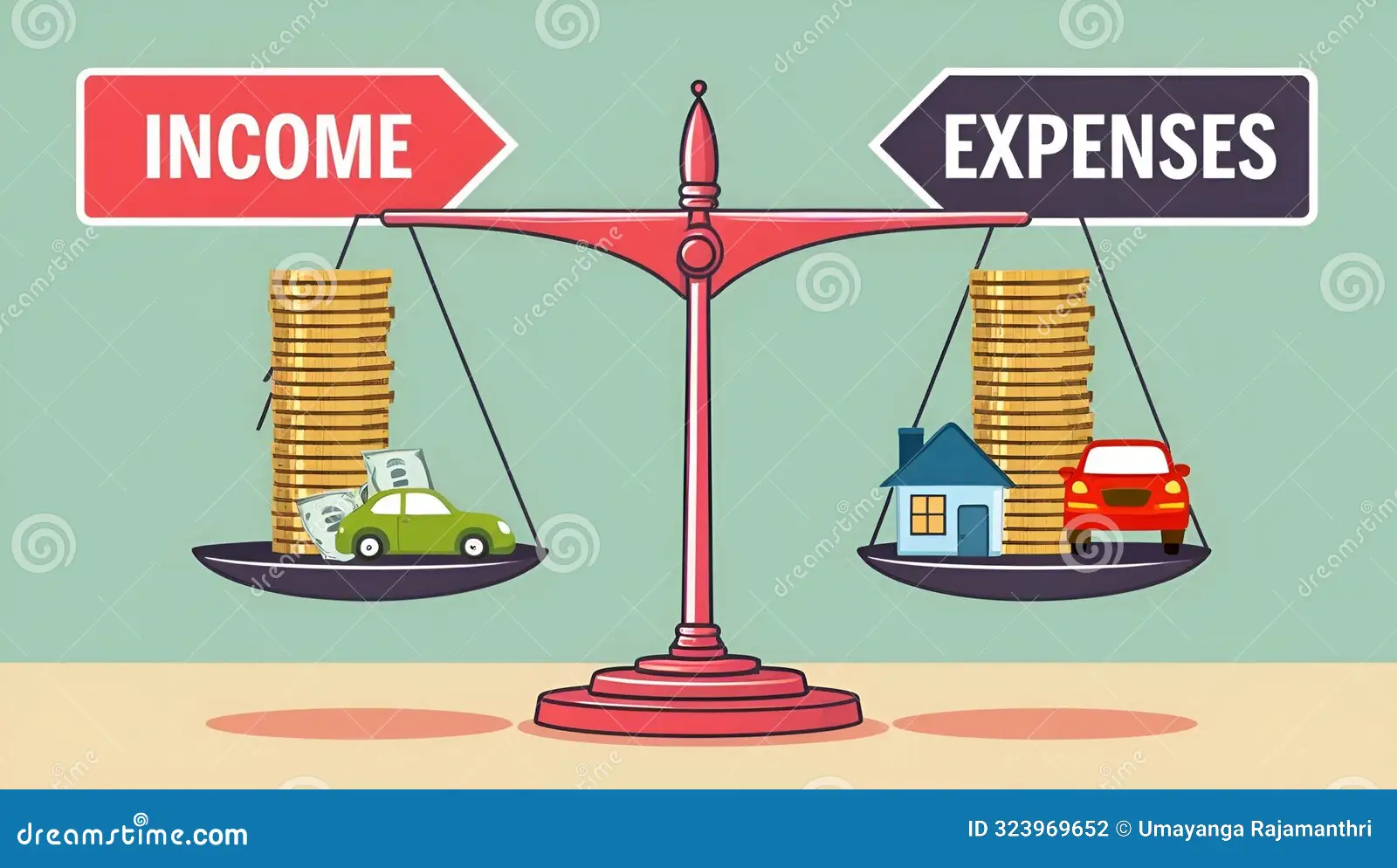
A company can even appear to be growing while becoming financially weaker.
Imagine an expansion creates $10,000 per month in additional income but $12,000 in additional expenses and debt payments. The business may have more customers and revenue, but it is losing $2,000 more every month.
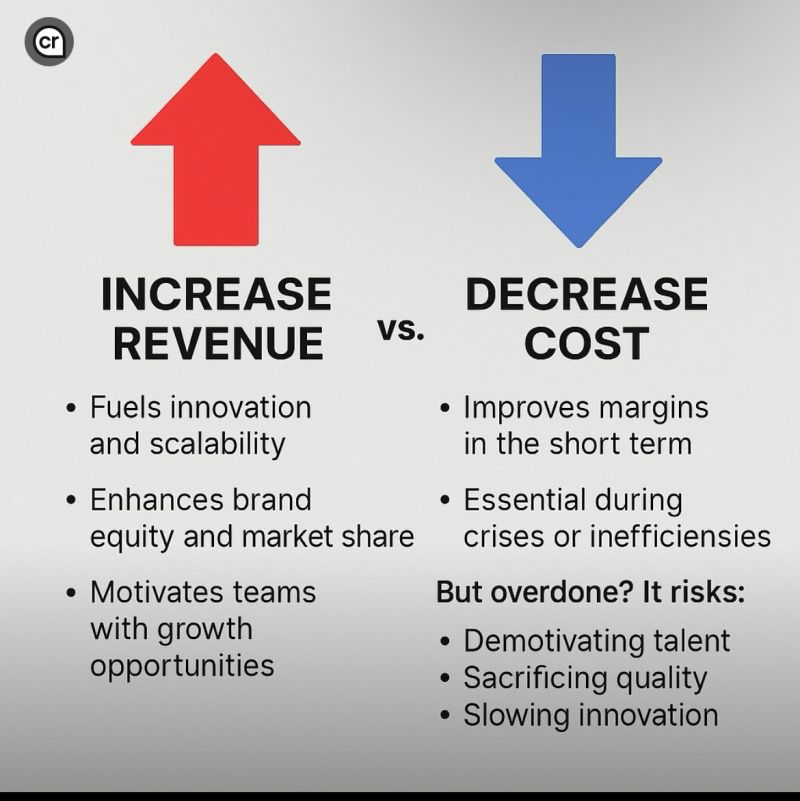
Eventually, more of the company’s current cash can go toward paying for past growth instead of funding its next opportunity.
That’s why revenue growth alone doesn’t prove borrowing worked. What matters is how much cash remains after the costs of creating that growth are paid.
And if those costs become too difficult to handle, a business may eventually turn to another loan.
The Biggest Warning Is Borrowing to Pay for Earlier Borrowing

The purpose of borrowing can reveal whether debt is helping or hurting a business.
Healthy debt generally funds something expected to create future value. Trouble begins when a company increasingly borrows simply to keep the existing business running.
Imagine a company borrows to open another location, but sales come in below expectations.
The owner still has rent, payroll, inventory, and the original loan payment, so another credit line is used to cover those expenses.
The first loan funded growth. The second is helping the business survive growth that hasn’t paid for itself.
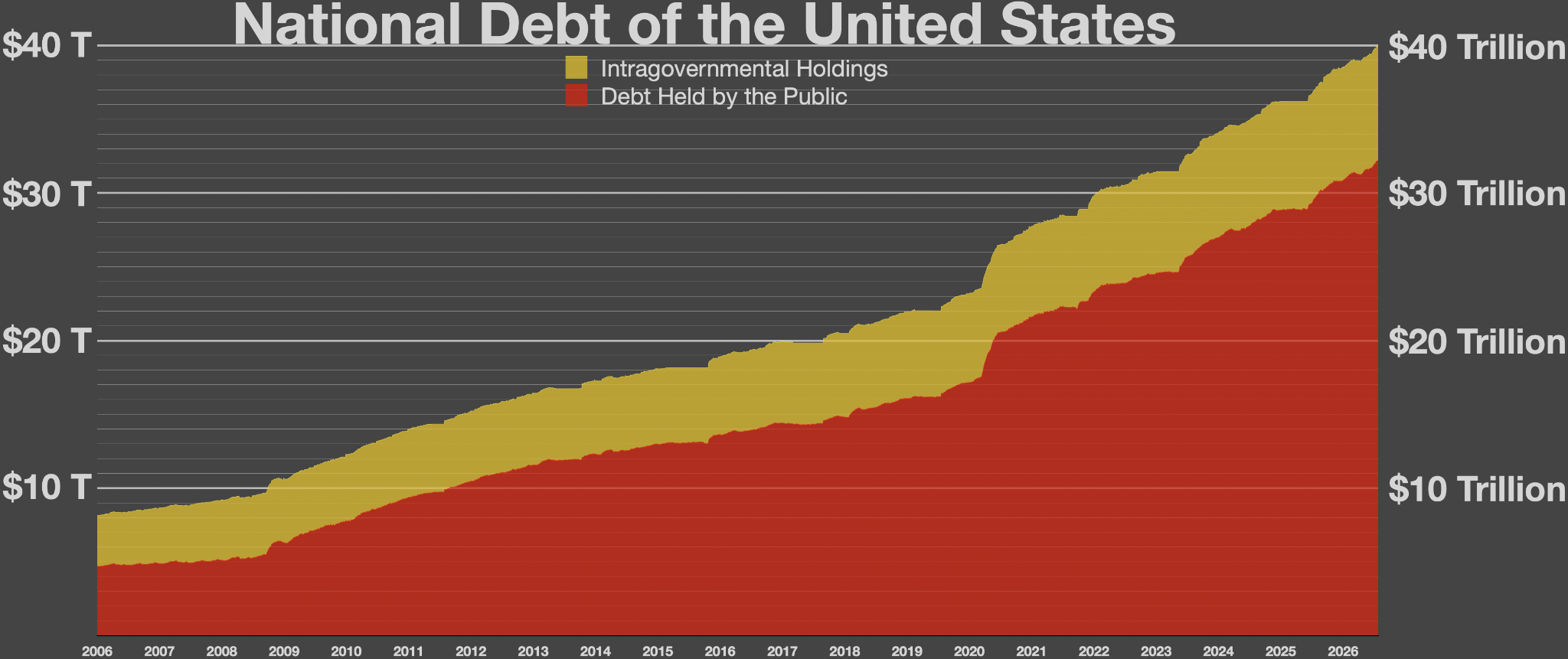
The U.S. debt situation demonstrates a much larger version of this cycle. When spending exceeds revenue, additional borrowing covers the gap while existing debt continues generating interest costs.
A business can face a similar cycle when new borrowing is increasingly used to cover expenses or previous obligations instead of creating new value.

Warning signs can appear before a business misses a payment. Cash flow may weaken, margins may shrink, credit usage may rise, or ordinary operating expenses may increasingly be paid with borrowed money.
This is why owners shouldn’t only ask how much they’re borrowing. They should ask what the borrowing is paying for.
Debt becomes especially dangerous when it stops funding the company’s future and starts paying for its past.
Main Takeaway
The U.S. debt crisis shows a simple lesson for businesses: borrowing today commits some of tomorrow’s money before tomorrow arrives.
Debt can accelerate growth when it funds equipment, employees, inventory, or expansion that produces more value than the loan costs. But if repayments grow faster than cash flow, a company can become bigger while becoming financially weaker.
The biggest warning comes when new borrowing is needed just to support previous borrowing.
For business owners, the goal isn’t to avoid debt completely. It’s to make sure what you’re building with borrowed money can eventually pay for the cost of borrowing it.