


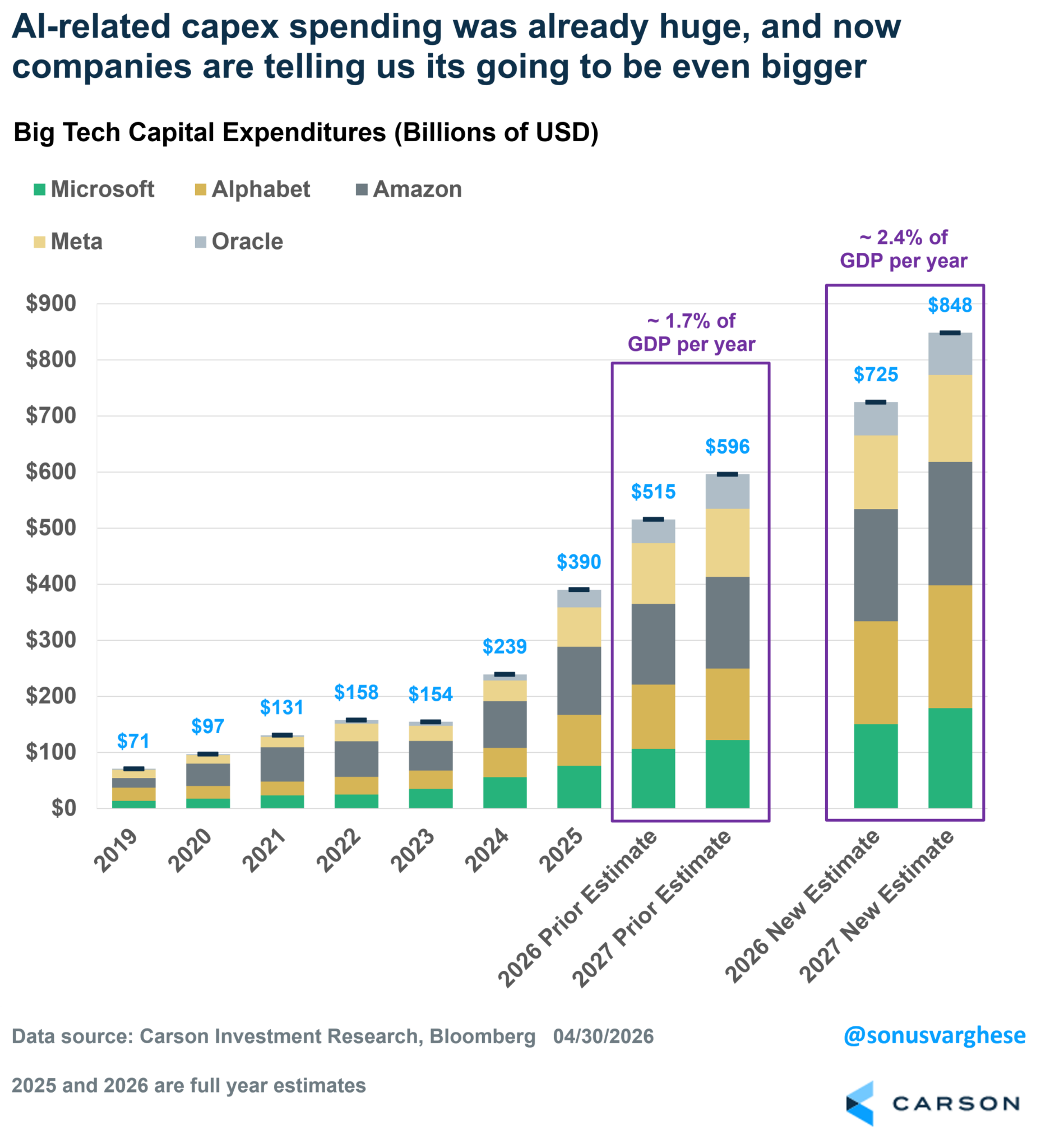
The US is spending heavily on AI, but no one truly knows yet how much growth it will create. That same uncertainty can show up at the small business level, where spending more on new tech only makes sense once it's actually producing results you can point to.
This can be easy to lose sight of right now, with new tools, new features, and new companies popping up every week promising to change how you work. It's tempting to assume that momentum means the payoff is already here, but momentum and proof aren't the same thing, and that gap is where businesses end up paying for potential instead of results.
Big Spending Doesn't Guarantee Big Results
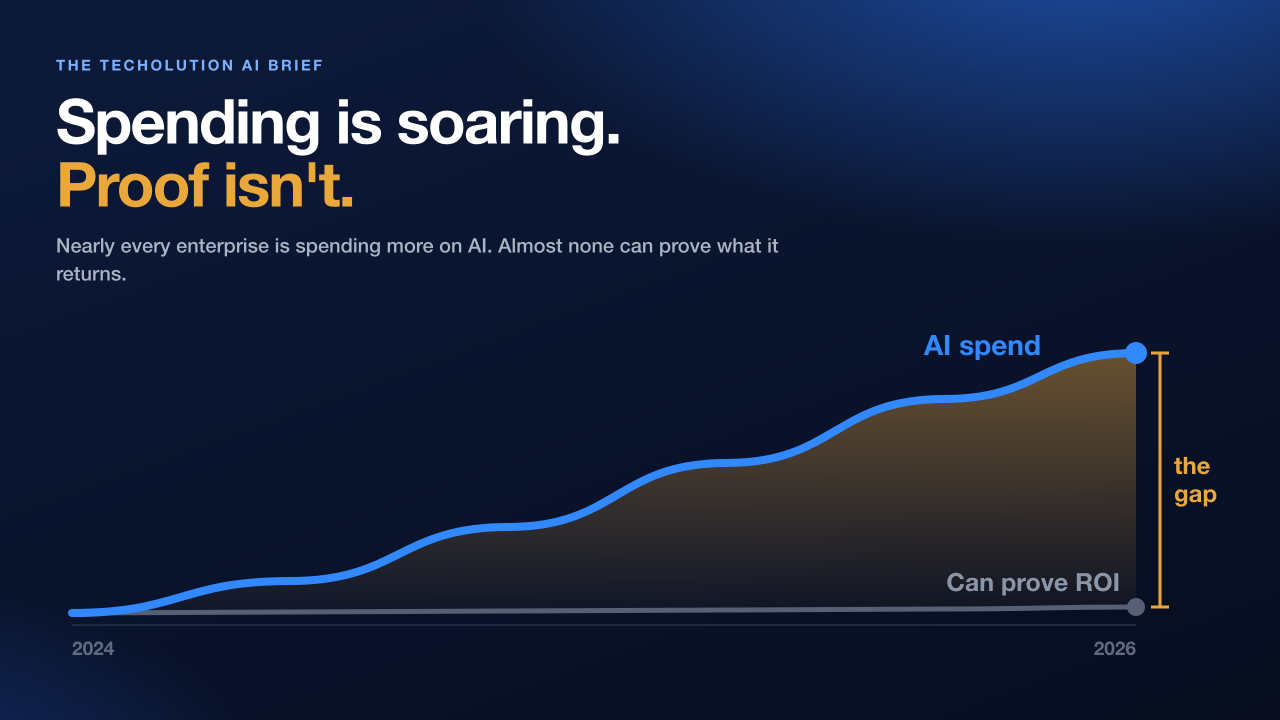
Believing a technology's going to be huge and actually knowing how much value it'll create are two completely different things. Money tends to show up way faster than proof does, and that gap is where things start to go sideways, no matter how big or small the business.
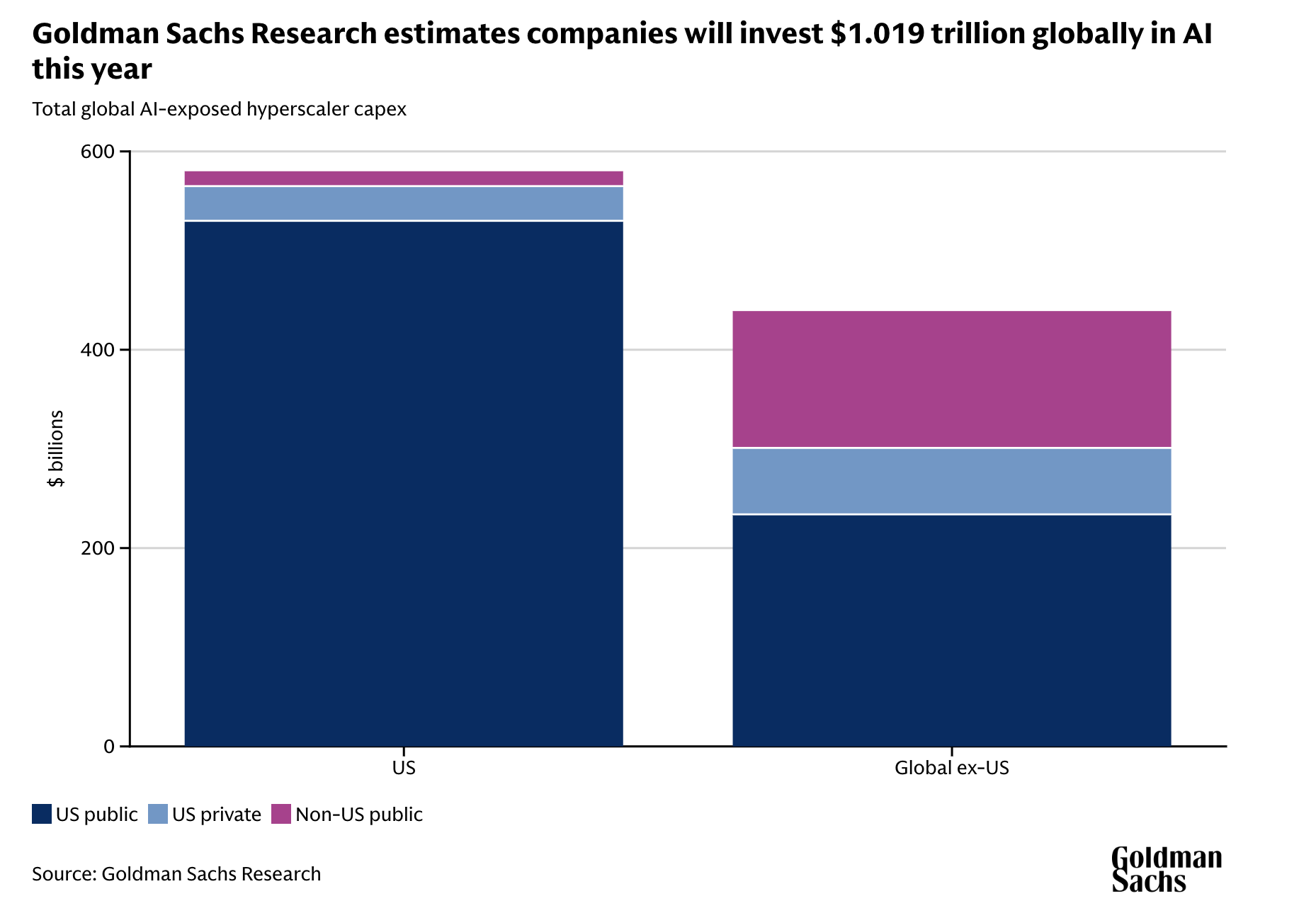
Right now, that gap is playing out on a massive scale. Goldman Sachs projects global AI investment will hit roughly $1 trillion in 2026, with about $581 billion of that in the US alone, and cumulative spending since 2022 climbing toward $1.8 trillion. The logic isn't crazy, if AI genuinely makes workers more productive and helps companies do more with less, all that money could eventually pay for itself. But that's still a bet on where things are headed, not something anyone's actually proven yet.
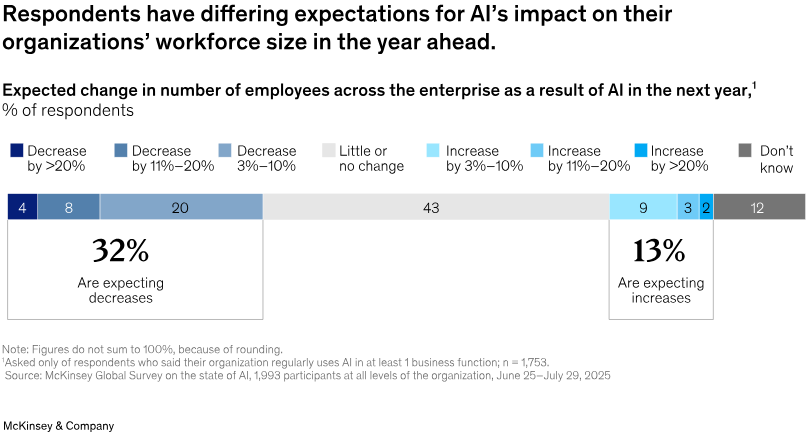
You can already see that uncertainty showing up in how companies are actually performing. McKinsey's 2025 State of AI survey found several fascinating stats, like differing AI expectations, how only 39% of organizations could point to any measurable enterprise-wide profit impact from AI, and most organizations saying AI accounted for less than 5% of profit. Companies have been spending like crazy, and most still can't draw a straight line from that spending to an actual result.
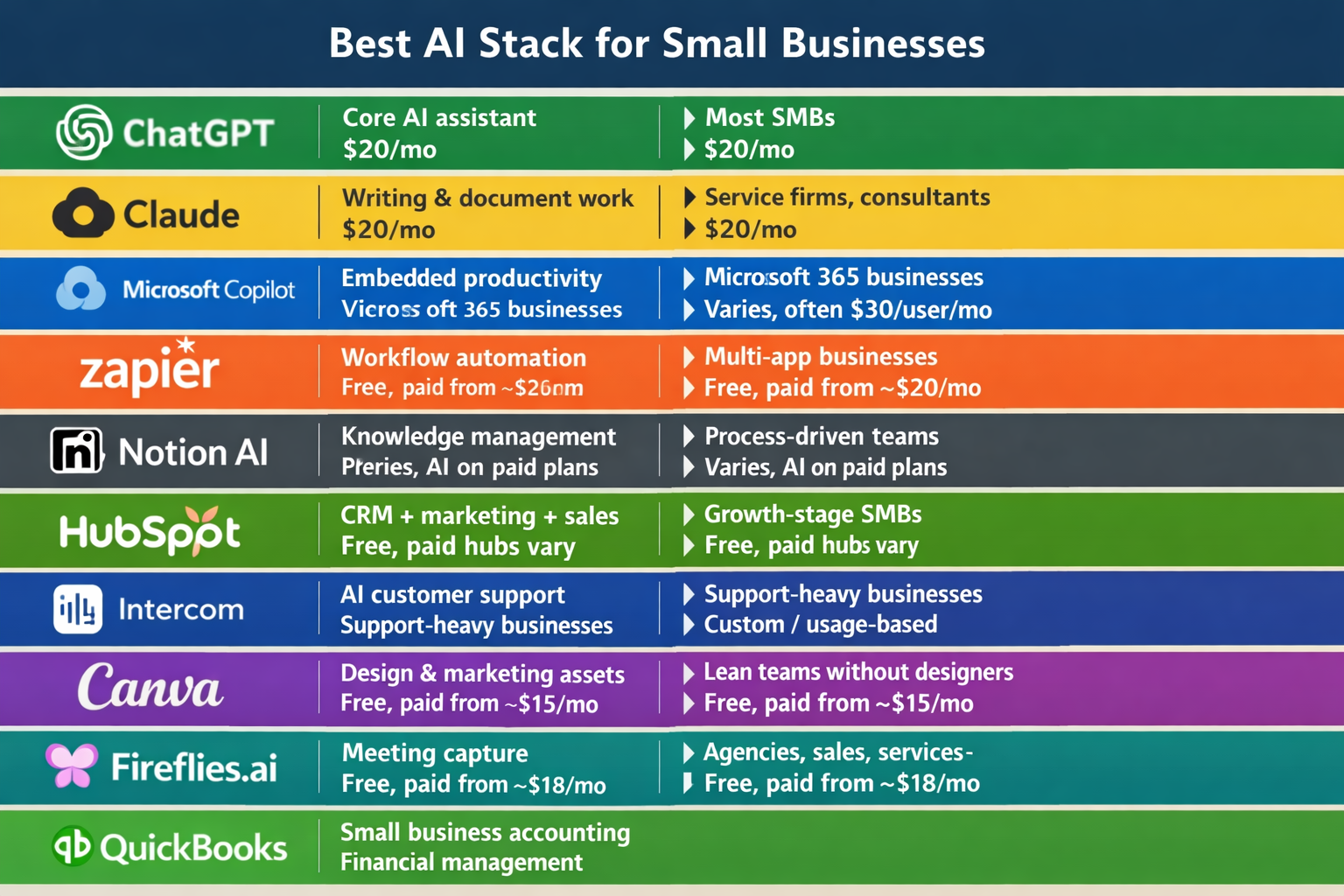
The same thing happens on a much smaller scale, just with smaller numbers. A small business owner might sign up for an AI copywriting tool, a research assistant, a CRM add-on, a chatbot, a meeting note-taker, a lead generator, and an automation platform, each one running maybe $20 to $100 a month. None of those feel like a big deal on their own. Add them up, though, and you're looking at close to $10,000 a year, often before the owner's confirmed even one of them is actually making the business more money.
Put the trillion-dollar national bet next to the 39% stat and that quietly growing subscription bill, and the same story shows up every time: spending reflects belief in potential, not proof of value. That's really the tension sitting here, and it leads into the obvious next question: if spending alone doesn't prove anything, how's a business actually supposed to know if an AI tool is working?
Measure Outcomes
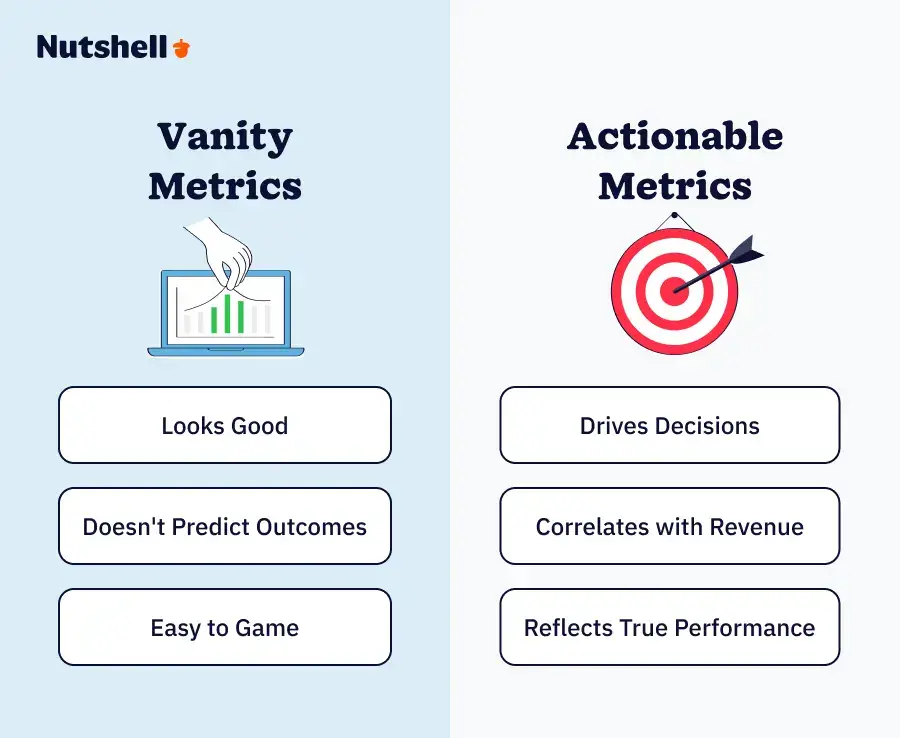
At any scale, national or small business, it's easy to confuse activity with actual value. More tools, more usage, more subscriptions can all look like progress without any of it actually moving the business forward. The only real way to cut through that is to stop staring at how much you're spending or how often you're using something, and start looking at what's actually changing in the business because of it.
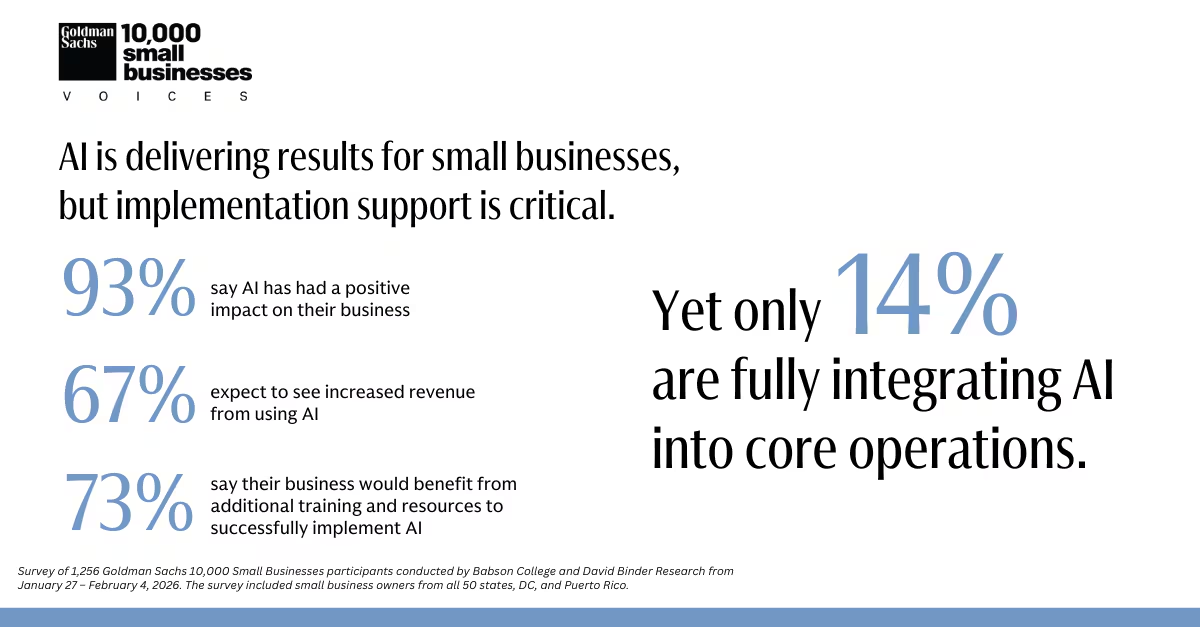
You can see that mix-up play out pretty clearly in how small businesses are using AI right now. A 2026 survey from Goldman Sachs' 10,000 Small Businesses program found that 93% of those users said AI had a positive impact on their business, but only 14% said it was actually fully built into how they run things. Most businesses are still poking around with it, not really running on it, and that gap matters more than it sounds like it should.
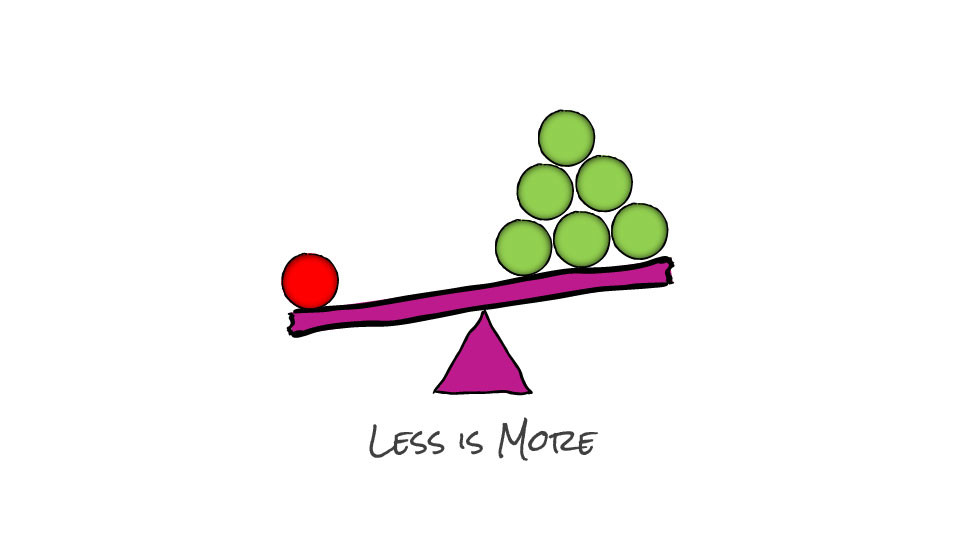
It matters because messing around with a tool can look productive without actually being worth much. Fifty AI-generated social posts instead of 10 looks like a win on paper. But if those extra 40 posts don't bring in more customers, more sales, or any real engagement, the business hasn't gotten more valuable, it's just gotten noisier.
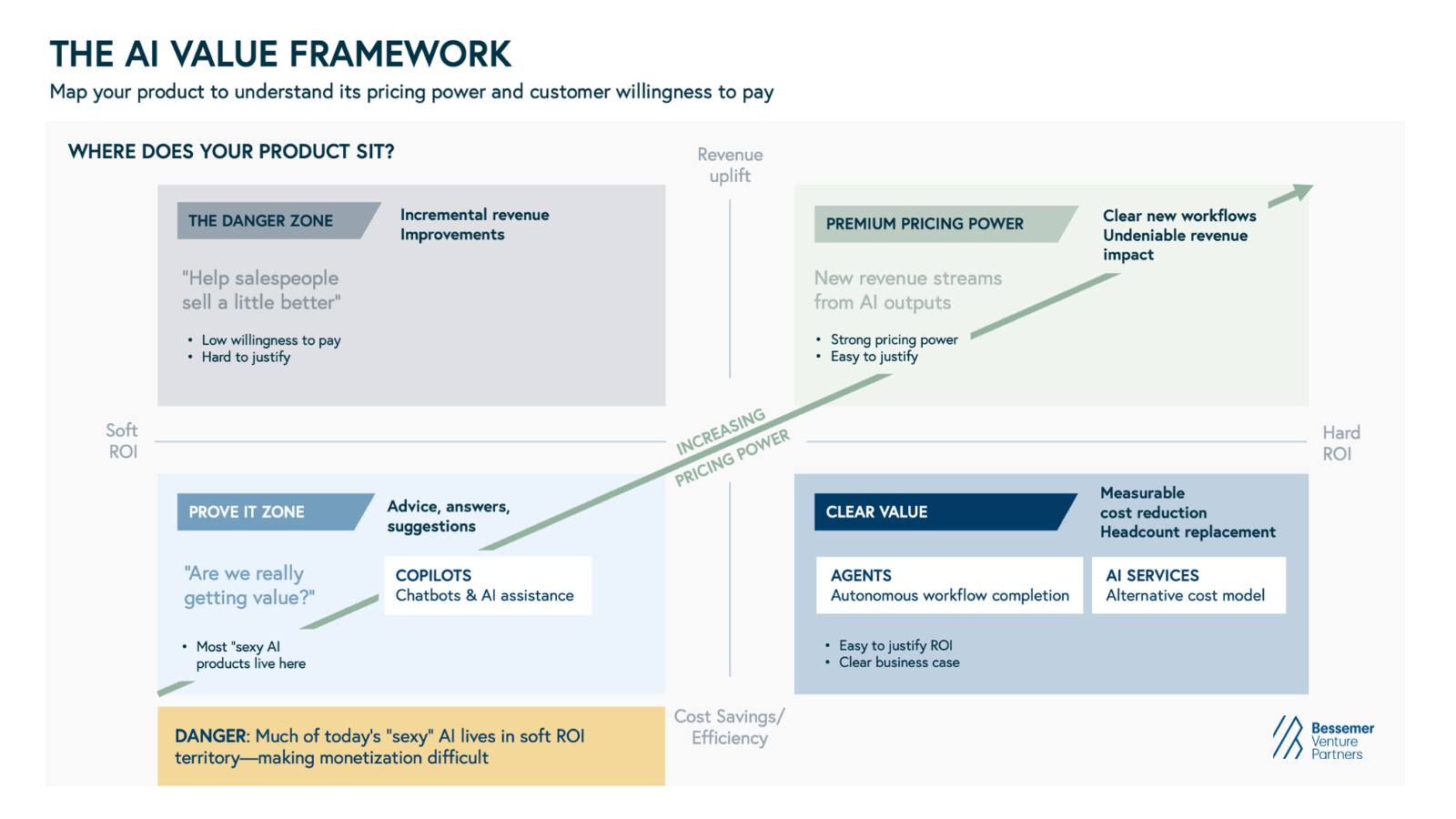
That's why the better question isn't "am I producing more?" it's "can I actually point to what this produced?" Bessemer Venture Partners has argued that AI companies increasingly need to tie what customers pay directly to real work completed or outcomes delivered, because customers themselves are asking for clearer proof it's worth it. Revenue generated, customers acquired, costs reduced, hours saved, better conversion or retention, those are the things that actually answer the question.
Measuring outcomes instead of activity is really the fix here: measure what's actually different because of the tool, not how much the tool gets used. Once a business can answer that honestly, it's finally in a position to decide what comes next, whether that's cutting a tool loose or doubling down on it.
Test Small, Prove the Value, Then Scale
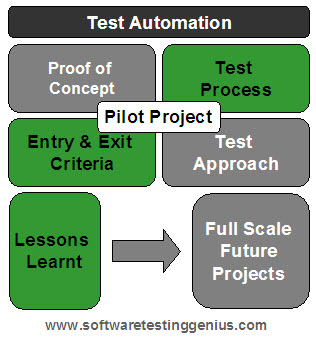
Knowing how to measure whether an AI tool is actually working is one thing. Acting on that knowledge is another, and that bridge is exactly where most businesses either dodge the risk in the AI boom or walk right into it. Once a business knows what to measure, the smart move isn't always a big leap, but rather a small test that has to earn its way into a bigger commitment.
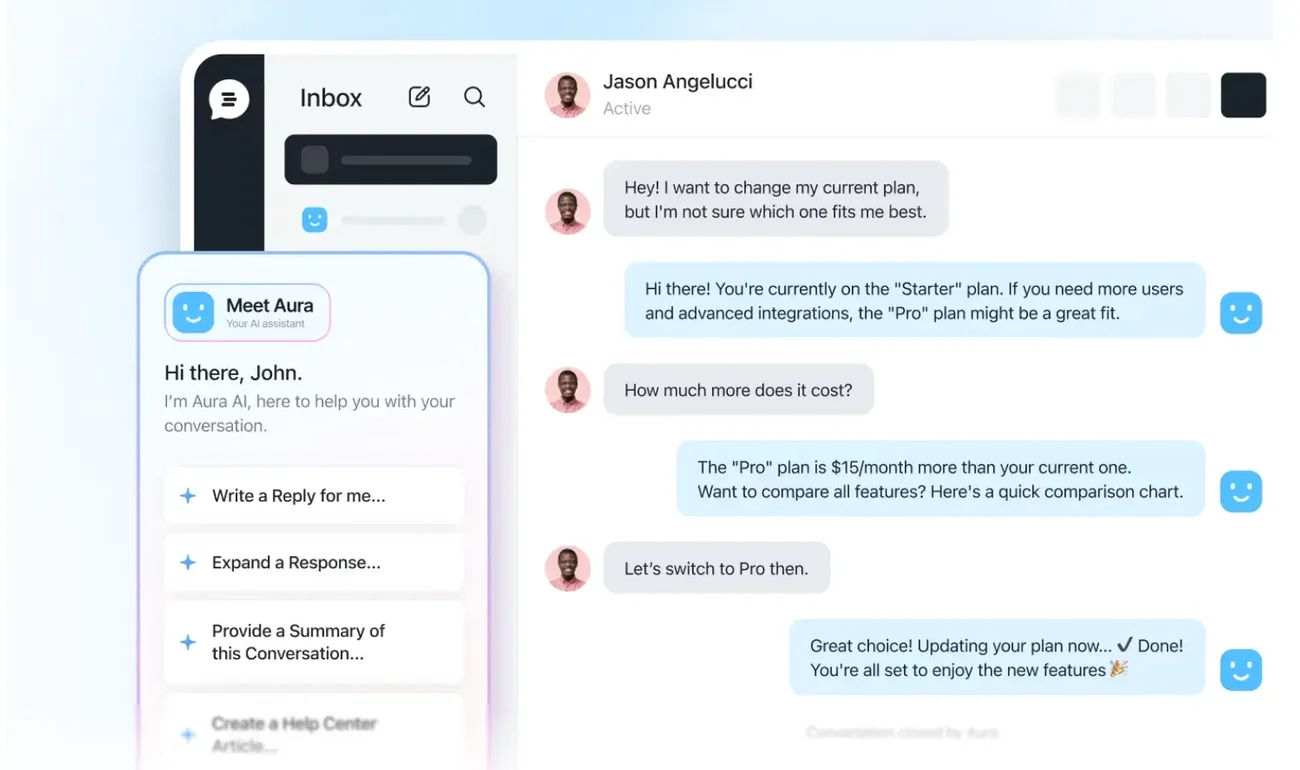
In practice, that looks like picking one specific problem instead of trying to rebuild the whole operation at once. A business struggling with customer support could test an AI assistant, like Customerly, for about a month or so, instead of automating the entire customer experience overnight. Keeping the test narrow keeps the downside small if it flops and makes the upside easy to spot if it actually works.
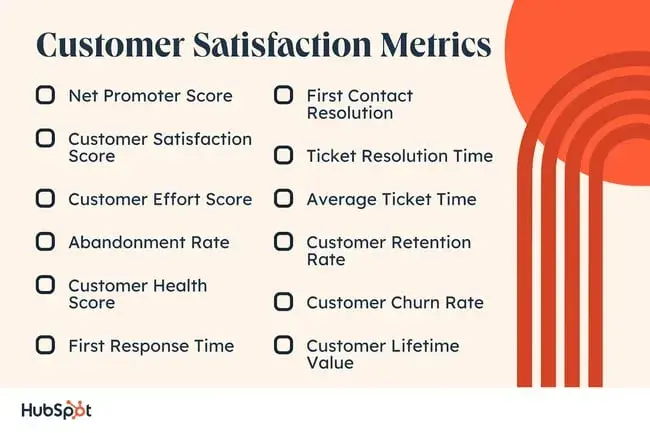
For that test to mean anything, though, there has to be a baseline to compare against, like response times, resolution rates, satisfaction scores, whatever number actually matters, measured before AI even enters the picture. Without that starting point, there's no real way to know afterward whether the tool helped, hurt, or just did nothing. The baseline is what turns "this feels like it's helping" into something you can actually check.
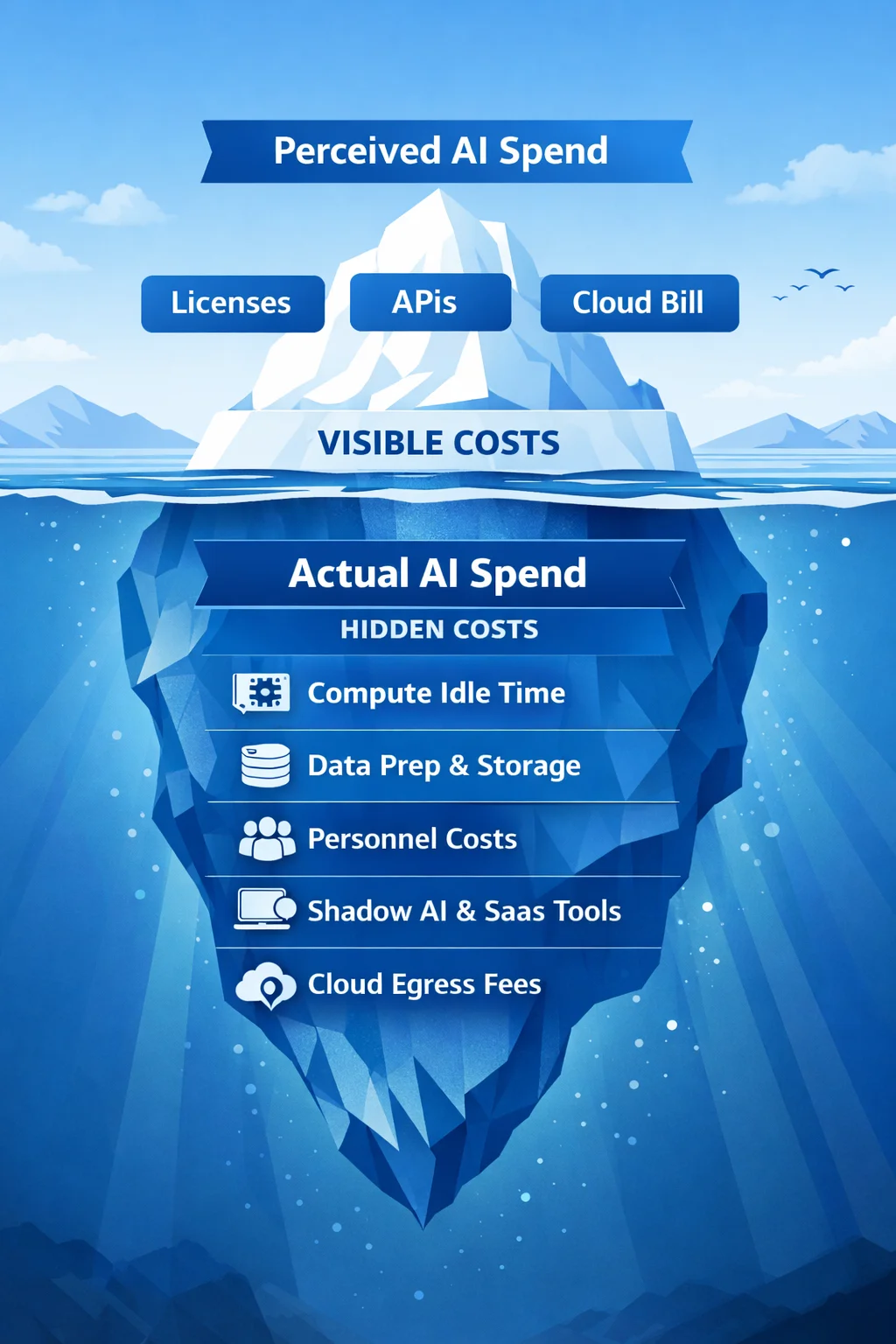
That comparison also needs to include the costs that are easy to miss. Unlike regular software, AI tools often come with ongoing compute, support, and oversight costs that never show up on the price tag. Skip that part of the math, and you end up with what people in the industry call 'shelfware,' AI licenses sitting around barely used, still costing money without ever proving they were worth it.
The whole idea in a nutshell is to prove it small before you scale it big. Spending doesn't guarantee value, measuring reveals it, and testing small is how a business earns the right to scale up with confidence instead of just crossing its fingers.
Main Takeaway
The national spending boom, the outcome-measurement gap, and the case for testing small before scaling all come back to the core lesson that AI can be a genuinely powerful investment, but spending money on it isn't the same thing as actually creating value with it.
Business owners don't necessarily need to guess whether AI's going to change everything or nothing, and that's really the whole story here: the AI boom is a bet on a future nobody can fully see yet, but a business doesn't have to place that same bet with its own money.
Looking ahead, businesses that treat AI spending this way with small tests, real baselines, and honest cost comparisons, are probably going to end up in a much better spot than the ones that scaled first and asked questions later. The trillion-dollar question is still wide open nationally, but at the small business level, it doesn't have to stay open nearly as long.