



Opening

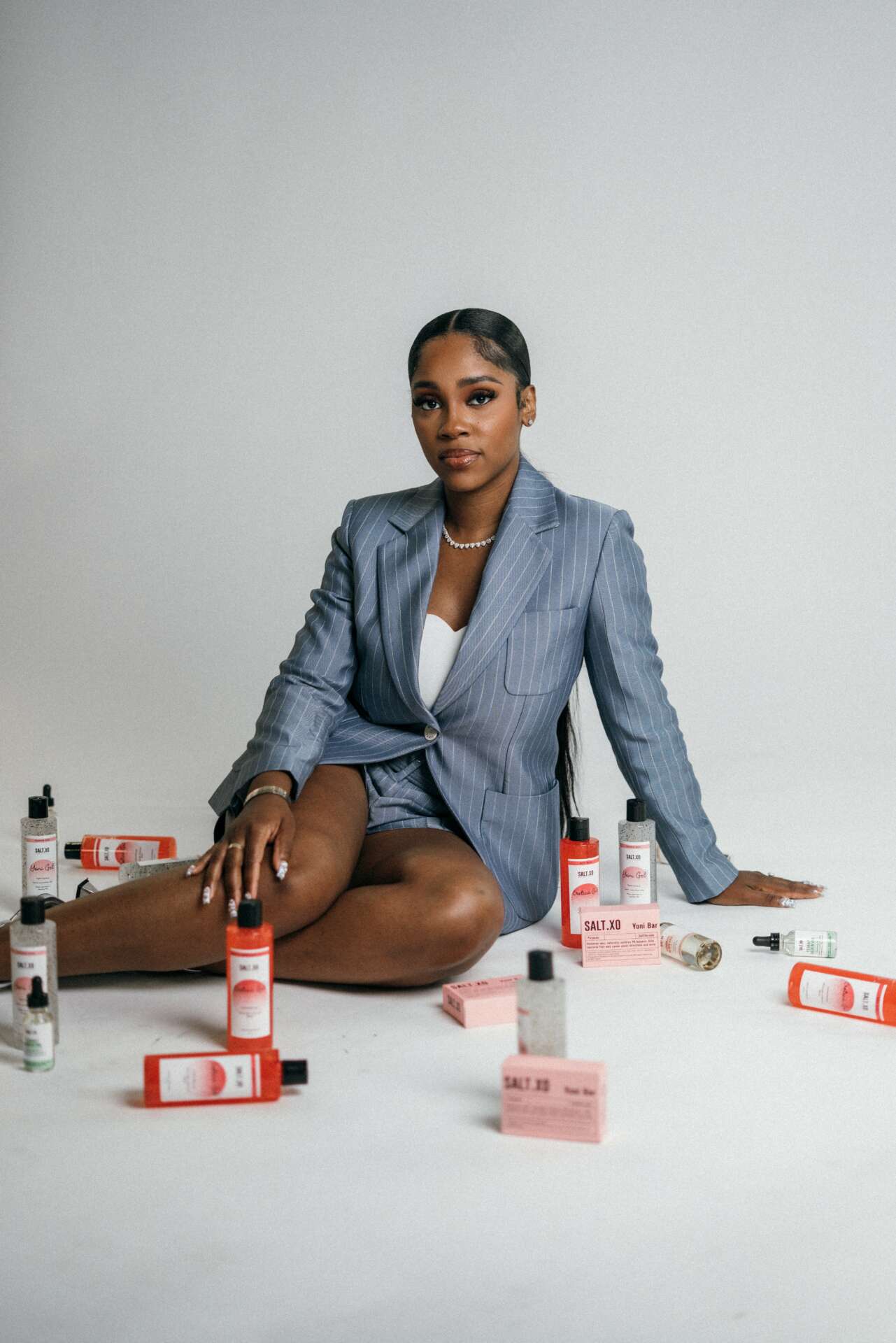
Salt.XO grew from a $67 college side business into an eight-figure company. But as founder Jhalesa Seymour scaled the business, she learned that hiring more people did not automatically make the company easier to run.
As demand grew, Salt.XO needed help with production, packaging, shipping, and fulfillment. Seymour brought in family members, college students, assistants, and other workers to keep up. She later said that some of her early hiring decisions were too casual, and those experiences changed how she built her team.
Her philosophy became simple: hire slowly, fire quickly, and focus on what people can actually contribute. The lesson for other founders is that needing help quickly does not mean you should hire quickly.
Don't Hire Just Because You Need Help

When a founder becomes overwhelmed, hiring someone can feel like the obvious solution. The problem is that urgency can shift the focus from finding the right person to simply filling the position.
Salt.XO's rapid growth created exactly that pressure. Seymour needed more people as demand increased, but she eventually learned that some of the people she hired were not the right fit. That experience made her more selective about who joined the company.
The same problem can affect other growing businesses. Harvard Business Review has noted that companies under growth pressure can prioritize filling positions quickly rather than carefully evaluating whether someone is right for the role.
For a small business, a bad hire is especially expensive because the company invests salary, training, management time, and resources into that person. If the hire does not work out, the founder eventually has to spend even more time fixing the original decision.
The broader lesson is that leaving a position open temporarily can sometimes cost less than filling it with the wrong person.
Hire for What Someone Can Prove
Seymour's experience also changed what she looks for in candidates. She has explained that she once focused more on the potential she saw in people. Now, she puts more emphasis on what someone can actually demonstrate they can do.

That distinction matters because growing businesses usually have immediate problems that need to be solved. Instead of asking whether someone could eventually become good at a job, founders can start by asking what the role requires and what evidence shows that the candidate can meet those requirements.
That evidence might come from previous work, a portfolio, specific accomplishments, references, or practical examples of solving similar problems.
The goal is not simply to increase headcount. It is to add a capability the business currently needs. This becomes especially important in small companies, where one person's performance can have a noticeable effect on the rest of the team.
Don't Let a Clear Mismatch Linger
Hiring carefully does not eliminate every bad hire. That is where the second half of Seymour's philosophy becomes important.

Her "fire fast" approach is about recognizing when someone clearly is not working out instead of allowing the problem to continue indefinitely. That does not mean firing someone after one mistake. Employees need clear expectations, feedback, training, and a fair opportunity to improve.
The problem comes when the evidence continues to show that someone cannot meet the requirements of the role, but the founder keeps delaying the decision. Harvard Business Review has noted that managers can hesitate to remove underperforming employees because difficult conversations are uncomfortable and time-consuming.
In a small business, the effects can spread quickly. Other employees may have to compensate for unfinished work, while the founder spends additional time managing the problem.
Giving someone a chance to improve is different from avoiding a decision. Once a clear mismatch becomes obvious, delaying action can make the problem more expensive for everyone.
Takeaway
Salt.XO's story shows how hiring decisions change as a company grows. Seymour needed people because there was too much work to handle alone. Her early experiences taught her to become more selective, focus on demonstrated ability, and act when someone clearly was not the right fit.
For founders, the larger lesson is simple: hiring is not about adding people as quickly as possible. It is about adding the right capabilities at the right time.
Looking Ahead
As businesses use portfolios, work samples, references, and practical assessments more often, founders have more ways to evaluate what candidates can actually do before making a long-term commitment.
Seymour's experience suggests that the bigger a business becomes, the more expensive it can be to treat hiring casually.